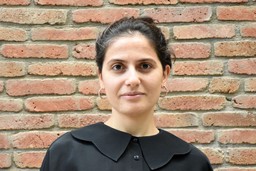
Last Sunday, social media in Armenia erupted after Prime Minister Nikol Pashinyan called Nagorno-Karabakh Armenian refugees ‘runaways’ during a heated discussion in the Yerevan metro with a refugee woman, Armine Mosiyan.
The comment referred to the developments of September 2023, when Azerbaijan launched its final offensive against Nagorno-Karabakh after imposing a nine-month blockade on the region, despite the presence of Russian ‘peacekeepers’. Following a one-day war, the Armenian authorities of the region were forced to surrender, after which almost the entire population, more than 100,000 people, fled to Armenia within a week, leaving Nagorno-Karabakh ethnically cleansed of the Armenians who had called it home for centuries.
The metro incident quickly went viral, sparking widespread outrage online and strong condemnations of Pashinyan’s remark. The backlash was so strong that, despite Pashinyan initially dismissing claims he had made the insult, subsequently apologised twice on the same day, and further offered to meet Mosiyan to apologise in person.
However, many questioned the sincerity of Pashinyan’s apologies, noting that they came at a politically sensitive moment as Armenia approaches parliamentary elections scheduled for June. The scepticism also grew as Mosiyan became a target online, including by media outlets affiliated with the ruling Civil Contract party.
Some of these outlets shared Mosiyan’s past social media posts, which contained harsh criticism of the Armenian authorities. They further attributed statements to the refugee — including claims that she ‘doesn’t give a damn about’ Armenia — which she never actually said but were portrayed as if these words angered Pashinyan.
Alongside the condemnation, some of those online fairly argued that Pashinyan’s direct engagement with the public and willingness to apologise for mistakes remain unusual in Armenia’s political culture.
However, such moments also carry responsibility. Emotional outbursts like Sunday’s, not unprecedented from Pashinyan, risk amplifying social tensions and reinforcing divisions, especially against vulnerable groups. They also strengthen negative narratives about Nagorno-Karabakh Armenians, who are still struggling to adapt to life in Armenia or abroad, less than three years after entirely losing their homes and homeland.
Public discourse in Armenia requires tolerance — especially from those in power — if democracy is to strengthen. Pashinyan himself often takes pride in promoting what he describes as unprecedented democratic reforms in Armenia; but democracy is tested not when leaders are praised, but when they are challenged.