Former Georgian intelligence chief detained on bribery charges amid wave of high-profile arrests

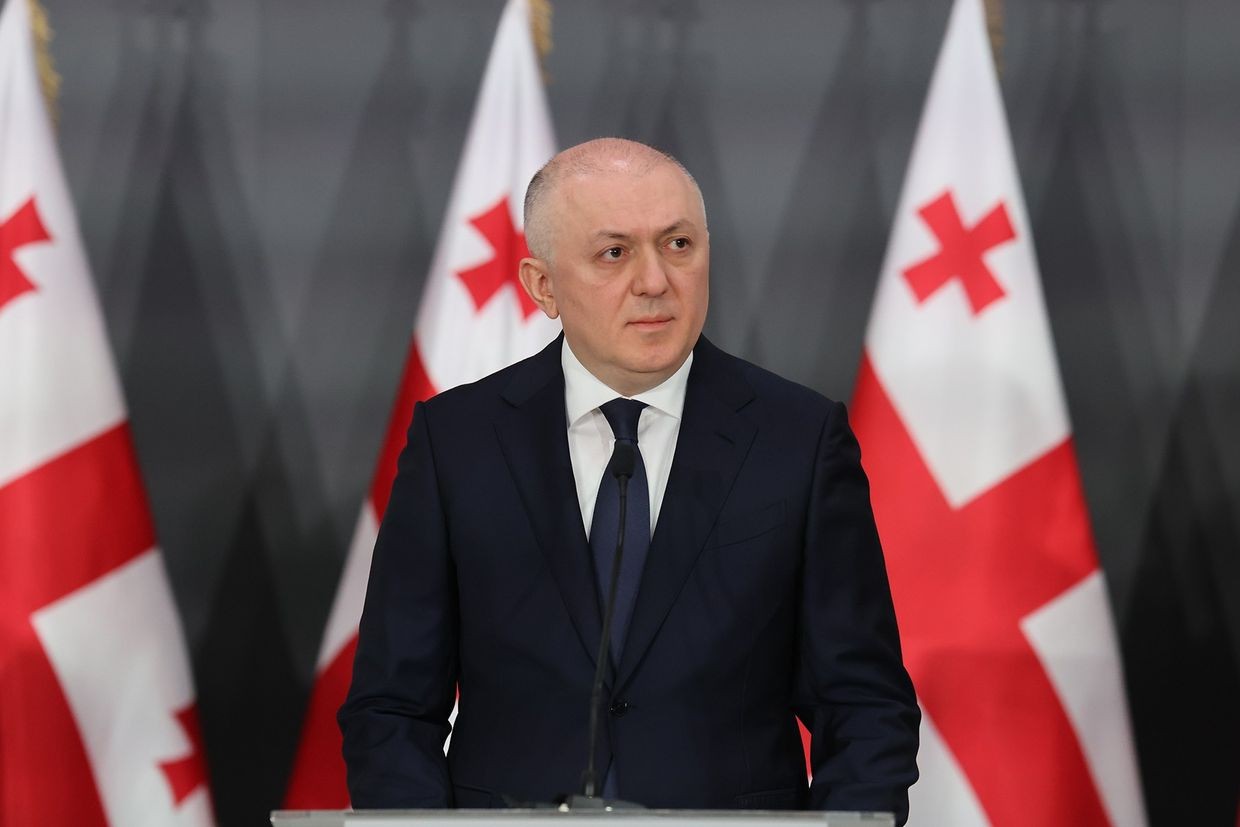
Georgia’s Prosecutor General’s office has announced the detention of Grigol Liluashvili, the former head of the country’s State Security Service (SSG). He is accused of accepting large-scale bribes as part of a group together with other former officials. The charge carries a sentence of up to 15 years in prison.
The Prosecutor General’s Office announced the arrest of the former SSG head on Tuesday morning, at the time when Liluashvili had arrived at the agency for questioning.
‘Apparently, they are interested in certain details related to a specific case’, he told journalists, though he did not specify which case he had been summoned in connection with. Shortly afterwards, his detention was confirmed.
Liluashvili’s detention marked another dramatic development in corruption-related investigations that have targeted former senior officials under the ruling Georgian Dream party, including former Prime Minister Irakli Gharibashvili and former Defence Minister Juansher Burchuladze, as well as former deputy ministers and others.
 Mikheil Gvadzabia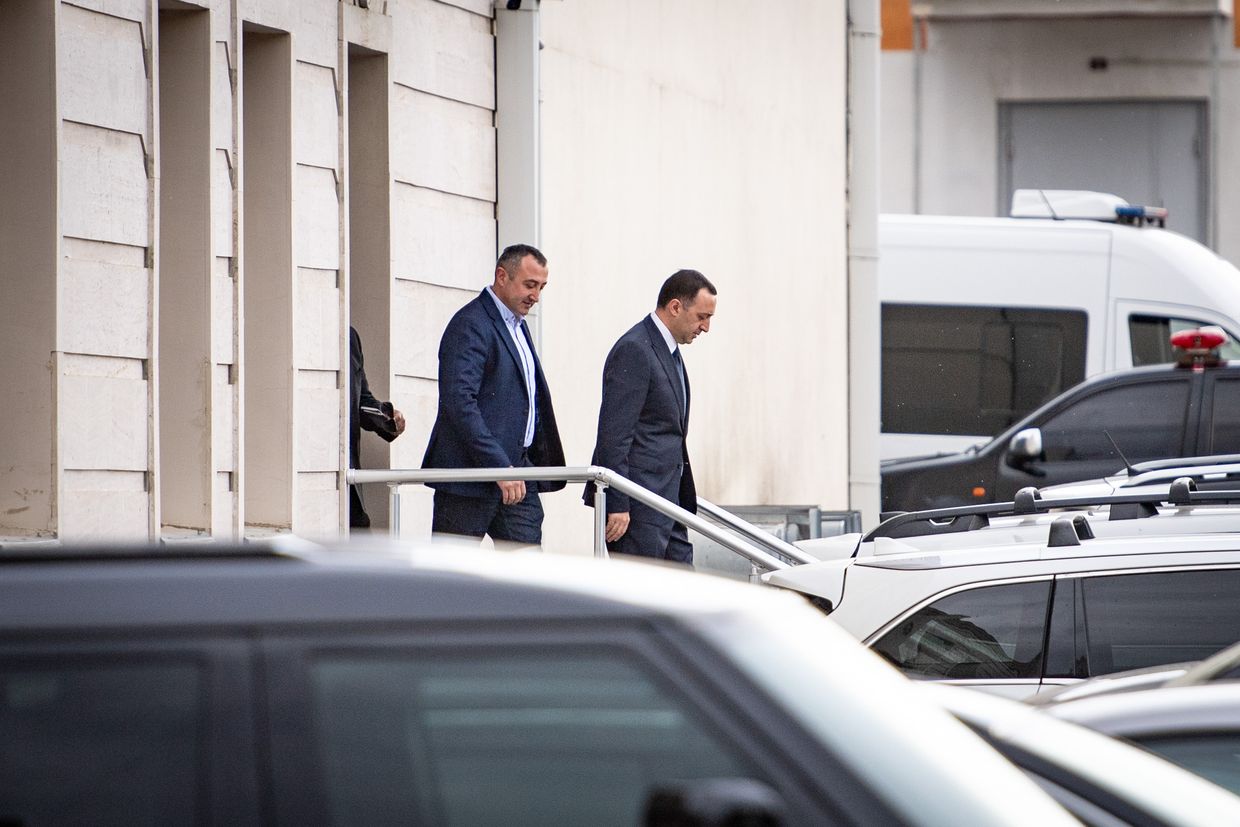
Until now, no official information had been made public regarding the specific charges against Liluashvili. However, in October, alongside Gharibashvili, the Prosecutor General’s Office announced a search of Liluashvili’s home. This was followed by the detentions of several of his associates, including his cousin, Andria (Sandro) Liluashvili, on charges related to fraud and money laundering.
Taken together, these events fuelled the sense that the net was gradually tightening around the former SSG head himself.
The Prosecutor General’s Office highlighted several episodes when presenting charges against Liluashvili.
In the first case, according to the investigation, he accepted a bribe of $1 million from Turkish investor Çağatay Ülker through the then First Deputy Economy Minister, Romeo Mikautadze, in order to lobby for the signing of a cooperation memorandum related to the construction of wind farms. Mikautadze was detained in June on charges of abuse of power and money laundering and is currently in pre-trial detention.
According to the prosecutors, the second case occurred in February 2022, when Liluashvili — again through Mikautadze — demanded and received ₾1.5 million ($560,000) from a company representative in exchange for assistance with gasification tenders.
The third episode involved fraudulent ‘call centres’ operating in Georgia, with the prosecutors pointing to Liluashvili’s alleged involvement alongside his now-detained cousin, claiming that the former SSG head received approximately $1,365,000 in this case.
In the fourth episode, the Prosecutor General’s Office cited allegations of a criminal connection between Liluashvili and Kakha Gvantseladze, the former director of the Tbilisi Municipal Agency for Kindergarten Management. The prosecutors stated that Liluashvili provided protection to Gvantseladze in the process of accepting bribes, in return for receiving bribes himself.
‘In the scheme, Kakha Gvantseladze involved employees from the agency’s financial accounting and settlement, as well as monitoring departments’, the Prosecutor General’s Office said, noting that ‘decisions have been issued holding all of them criminally liable as defendants’.
Gvantseladze held the position from 2017 to 2023, after which reports emerged about his alleged emigration with his family to the US. Gvantseladze himself stated that he resigned due to health problems.
The Prosecutor General’s Office vowed to seek pretrial detention for Liluashvili, as the investigation continues to ‘uncover other crimes committed by [him] and to identify and detain individuals allegedly involved in offenses alongside him’.
The prosecutor’s references to government-critical media
In addition to Liluashvili and his alleged associates, the Prosecutor General’s Office also referred to the opposition-leaning media during Tuesday’s briefing, in the context of the ‘call centres’ episode.
Citing ‘witness testimony’, the agency stated that between 2021 and 2023, the ‘vast majority’ of the centres were owned by a group of individuals who ‘used the proceeds to finance various opposition media outlets’, while ‘the main patron of a relatively small number of the call centres was Grigol Liluashvili, who conducted this activity through his relative, Sandro Liluashvili’.
‘The investigation […] is working intensively on the version according to which Grigol Liluashvili, together with other accomplices, ensured that the existence of fraudulent call centres financing opposition media outlets was not exposed, while, in turn, the opposition media outlets did not report on the existence of the fraudulent call centres under Liluashvili’s patronage, despite having this information’, the office said.
The Prosecutor General’s Office did not specify which media outlets it was referring to; however, archived reports show that opposition-leaning TV channels had produced reports on Liluashvili’s possible links to the call centres.
Challenging these materials, Liluashvili filed a defamation lawsuit against the opposition-aligned TV channels Mtavari and Formula back in February 2022. According to Mtavari, the court ruled in Liluashvili’s favor at that time.
Liluashvili served as the head of the SSG from 2019 until April 2025, when the government announced he would be appointed Minister of Regional Development. However, two days later, Kobakhidze stated that an agreement could not be reached on several issues, including the functions of the deputy ministers, and as a result, Liluashvili’s candidacy was withdrawn.
Following 4 October’s failed ‘peaceful revolution’, there have been widespread suggestions, including by TV station Formula, that Liluashvili had been feeding protest organisers information before ultimately betraying them.
In response to the latest investigations, members of the ruling Georgian Dream party claimed their commitment to an uncompromising fight against corruption, even if the case involved a current or former ally.
However, opposition politicians and civil society activists have stated they do not believe that the process is genuinely about combating corruption, hinting instead at possible internal power struggles.
Mikheil Gvadzabia