Georgia’s annual inflation has slowed to 4.3%, with food and beverages contributing the most to the rise.
Georgia’s National Statistics Office (GEOSTAT) reported on Friday that the inflation rate rose by 0.8% in March.
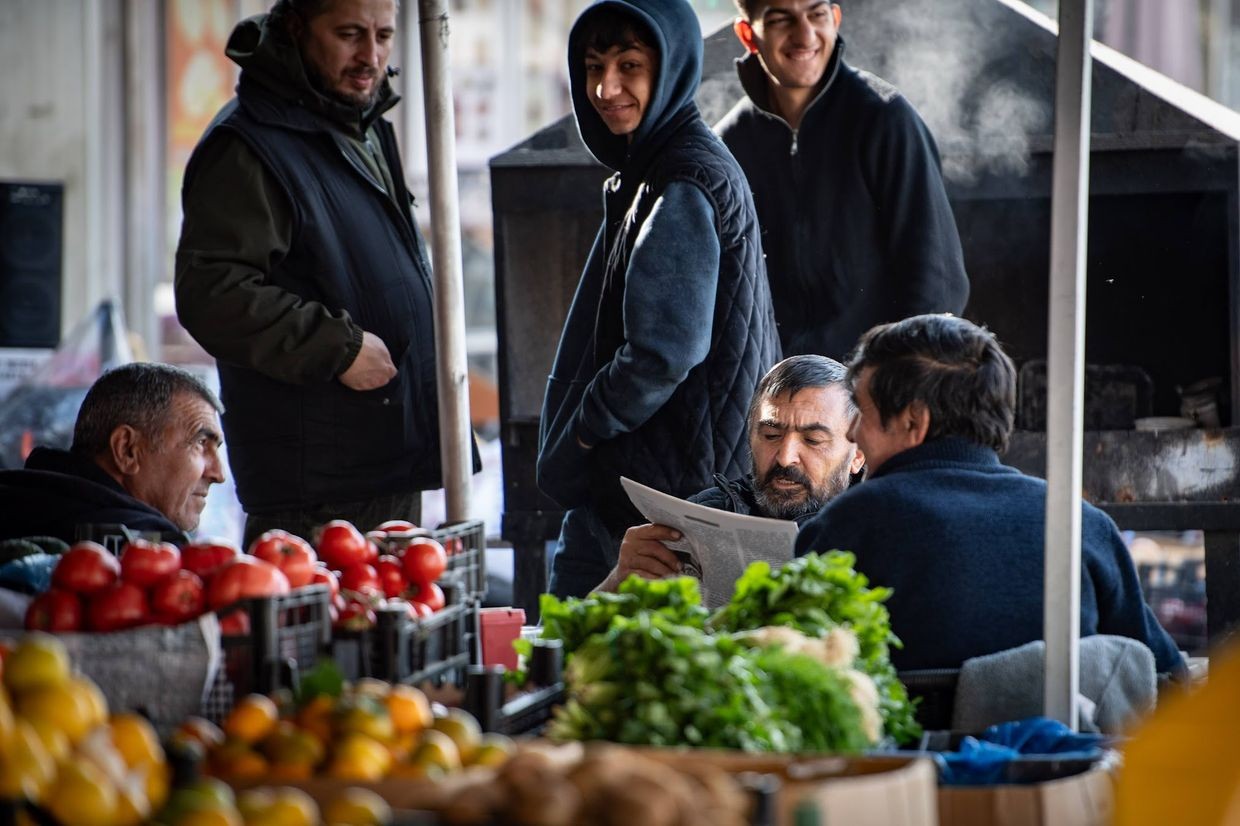
The slowdown appears to have been influenced by the 7.5% year-on-year increase in food prices, as in previous months, food prices increased by 9%–10% annually.
At the same time, the effect of rising fuel prices, both locally and globally, has not yet been fully reflected in inflation statistics, particularly because fuel prices increased significantly during the final days of March. In addition, consumer electricity tariffs increased from 1 April 2026, which is expected to affect inflation figures for April.
The following are the main groups, according to the statistical department:
Food and non-alcoholic beverages recorded a 7.5% increase, contributing 2.57 percentage points to annual inflation.
- Fish products (21.2%)
- Fruit (13.4%)
- Bread and bakery products (9.6%)
- Meat and meat products (9.6%)
- Oils and fats (7.7%)
- Sugar, jam, and confectionery (5.3%)
- Vegetables (4.9%)
- Dairy (4.5%)
- Coffee, tea, and cocoa (3.8%)
- Mineral water, soft drinks, and natural juices (2.1%)
Transport and fuel prices increased by 4%, contributing 0.49 percentage points to annual inflation. Price increases were observed in:
- Transport services (7.3%)
- Fuel for personal transport equipment (5.7%)
Miscellaneous goods and services rose by 9.8%, contributing 0.48 percentage points to the overall inflation index. Main increases were recorded in:
- Personal effects not elsewhere classified (58.1%)
- Insurance (8.5%)
- Personal hygiene (4.3%)
Alcoholic beverages and tobacco prices increased by 6.2%, contributing 0.39 percentage points to the overall index. During the period, prices increased for:
- Tobacco products (8%)
- Alcoholic beverages (4.6%)
Georgian economist and former National Bank Governor Roman Gotsiridze said the indicators were manipulated, arguing that the monthly data show a 1% decrease in dairy and egg prices, which he described as a direct result of the commission created by parliament to ease concerns over price hikes.
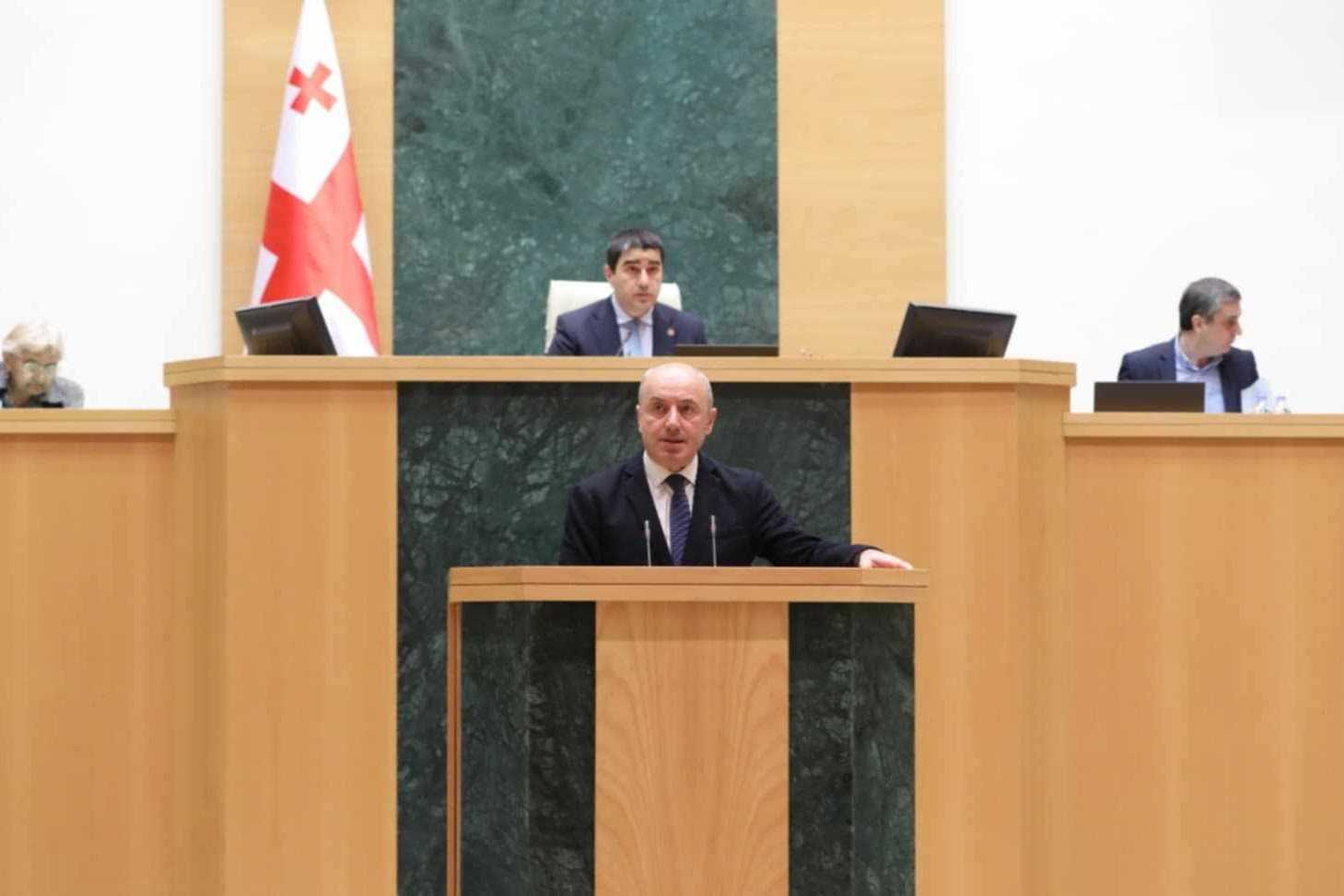
The Temporary Parliamentary Commission on the Pricing of Food, Medicines, and Fuel was created in early 2026 to address rising inflation. Led by Shota Berekashvili, the commission was tasked with investigating potential anti-competitive practices in key markets, including retailer fees and markup strategies, with the aim of producing policy recommendations within a three-month period.
Gotsiridze also added that, according to his sources, public transport prices in Tbilisi may also rise soon.
Georgia’s national energy regulator has already announced plans to increase electricity tariffs by 19%–33%, depending on household consumption, effective from 1 April.
 Helena Bedwell