Iranians find refuge in Georgia, despite murky ties with Tehran
While many Iranians view Georgia as a safe haven, the Georgian Dream-led government has its own complex relationship with the Iranian authorities.

When the full-scale Russian invasion of Ukraine began in 2022, Russian men and their families flooded the border as speculation grew that the Kremlin might bar those eligible for mobilisation from leaving the country. Soon, hours-long, then days-long lines built at the main land crossings into Georgia. As a new regional conflict breaks out, there are hints similar scenes are emerging on the borders of Armenia and Azerbaijan — yet, Iranians in Tbilisi don’t believe the same scenario will extend to Georgia.
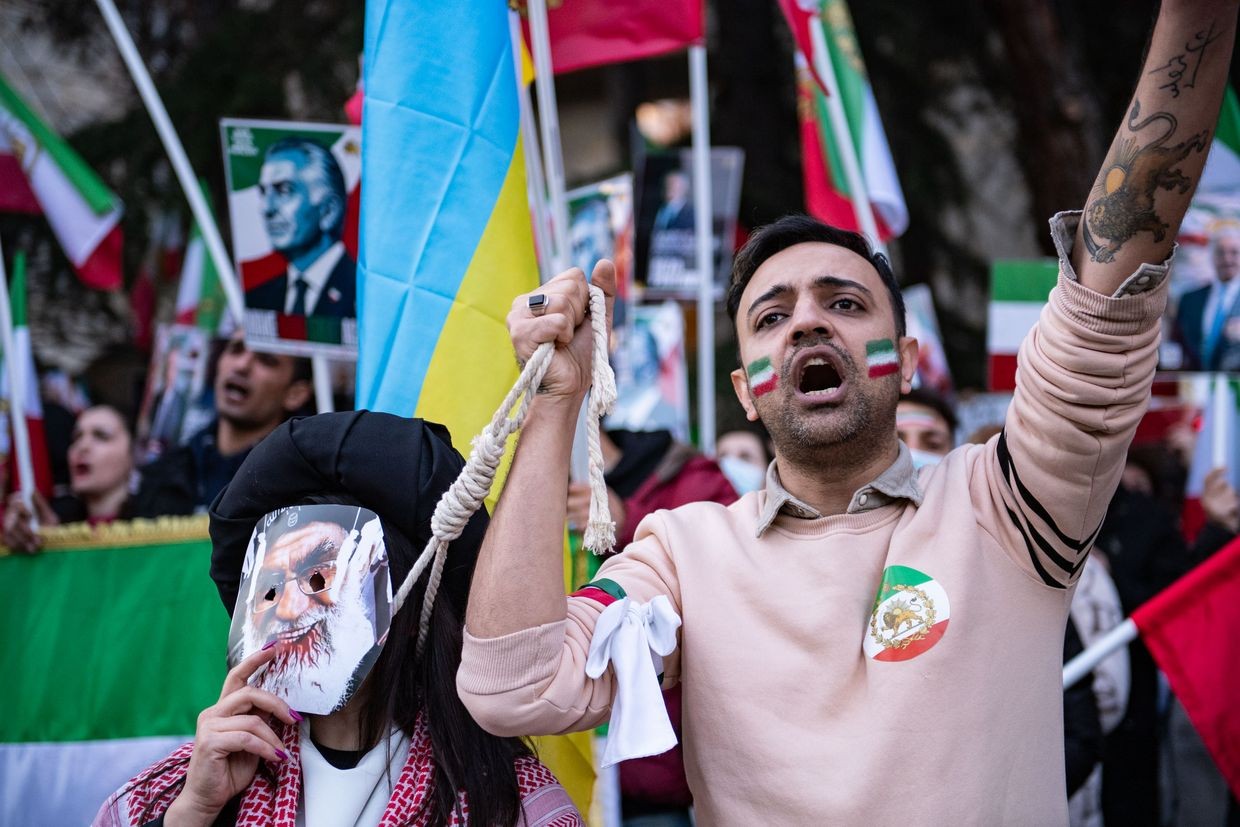
Many Iranians view Georgia as a refuge, one they are wary to see follow a similar authoritarian path as their homeland. In recent months, Iranians have become more and more active within the ongoing anti-government protests in Georgia, connecting their fight against the Iranian regime to that of local protesters against the Georgian Dream-led government.
For ceramicist Mojghan, Georgia indeed this safe place, somewhere that allowed her to make designs — namely sexually anatomical features — never allowed back in Iran. Now, selling her works at a Tbilisi shopping mall, she finds her new home liberating, somewhere that allows herself true self-expression. Yet she, as with other Iranians based in the country, do not see it likely refugees will flood the streets as a result of the US–Israel attack on Iran.

Leila Naeinian, who came to Georgia before the COVID-19 pandemic and started a fashion trade business before moving to antiques, told OC Media that she has always felt safe and welcomed in Georgia, including while protesting, noting that they had received permission from the Georgian government to demonstrate in front of the Iranian Embassy in Vake.
‘As of today, [the Telegram page informing Iranians of protests] has 4,367 members, with 194 currently online. I believe this reflects approximately how many people are actively involved at the moment’, she told OC Media.
Like many other Iranians, she said the Iranian Embassy had never supported them — even during times such as the pandemic, when they did nothing.
‘Now they consider us their enemies — and, in truth, we probably are’.
When it comes to fleeing Iran, however, she says no one currently has a plan to leave the country.
‘My cousins have Canadian residency, but they have not even attempted to leave’.
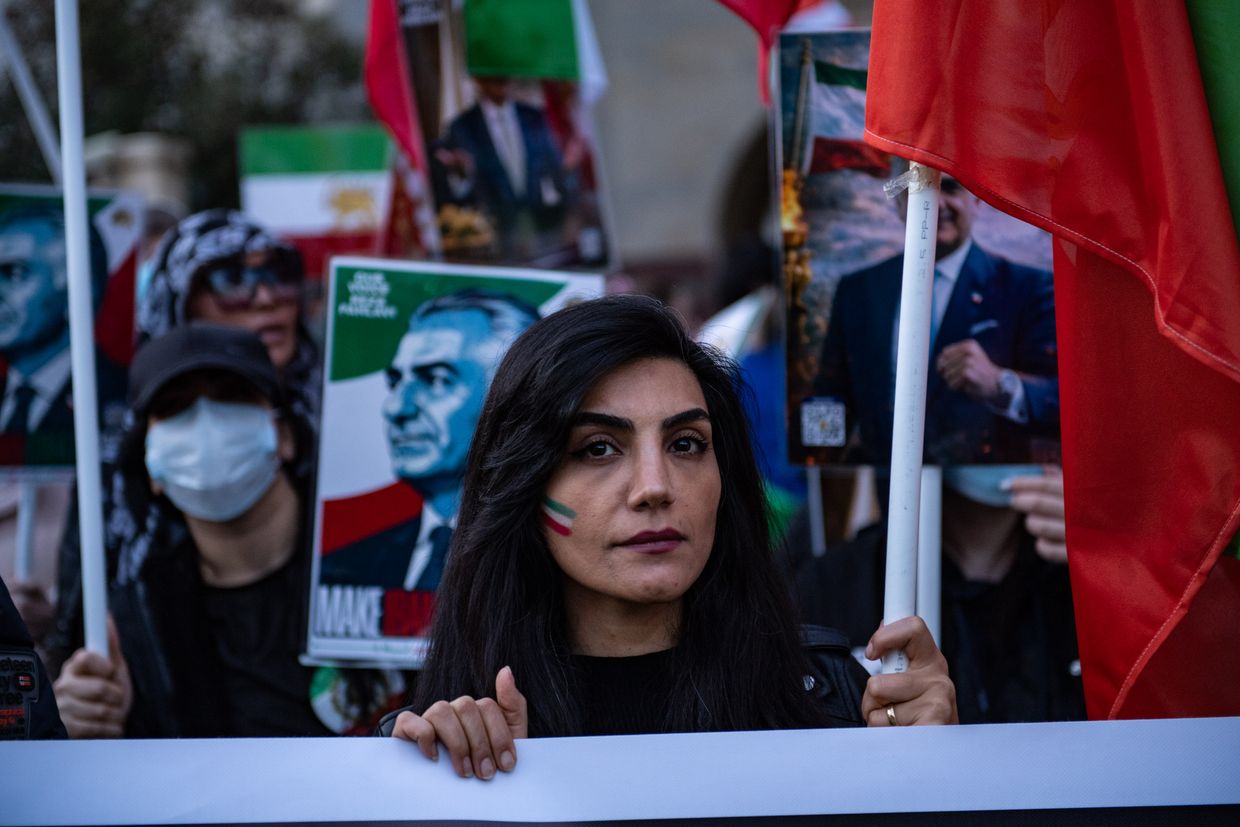
Mohsen Ramazan Pour, a manager at one of Tbilisi’s Persian-style eateries, likewise told OC Media that he and his Iranian friends did not expect any refugees because ‘the attack is on the Islamic regime, not on the people’.
‘We are on the right side of history. Very soon we will win, and people will be free, and very soon Iranians will return to their country from all over the world’, he emphasised.
Fluctuating Georgia–Iran ties
While many Iranians have found safety in Georgia, their presence has become more complicated over the last decade or so.
In 2013, Georgia revoked its visa-free travel regime for Iranian citizens, largely under US pressure related to economic sanctions. Then-Economy Minister Giorgi Kvirikashvili called the decision a mistake at the time, citing the loss of revenue from Iranian citizens.
Following the revocation, the number of visitors from Iran dropped significantly — from 85,700 in 2013 to 47,900 in 2014, and further down to 25,200 in 2015, according to Business Media.
In 2016, however, the government reinstated its former policy allowing Iranian citizens to stay for up to 45 days in order to boost tourism and business ties.
 Shota Kincha
Indeed, in terms of economic relations, there are currently a total of 12,864 businesses with Iranian capital participation registered in Georgia, of which 2,143 are active. In 2025 alone, 250 Iranian business entities were registered, according to RFE/RL
Transport and warehousing, manufacturing, construction, hospitality and food services, and real estate activities are among the main sectors. However, many argue that dangerous and fraudulent activities have tarnished these figures, giving reason to believe that some of them may amount to evasion of sanctions imposed on Iran.
The government’s position towards the Iranian authorities has also fluctuated. Where once Georgian Dream founder and former Prime Minister Bidzina Ivanishvili visited Israel and critiqued Iran, the Georgian Dream-led government is now displaying friendship to the same regime.
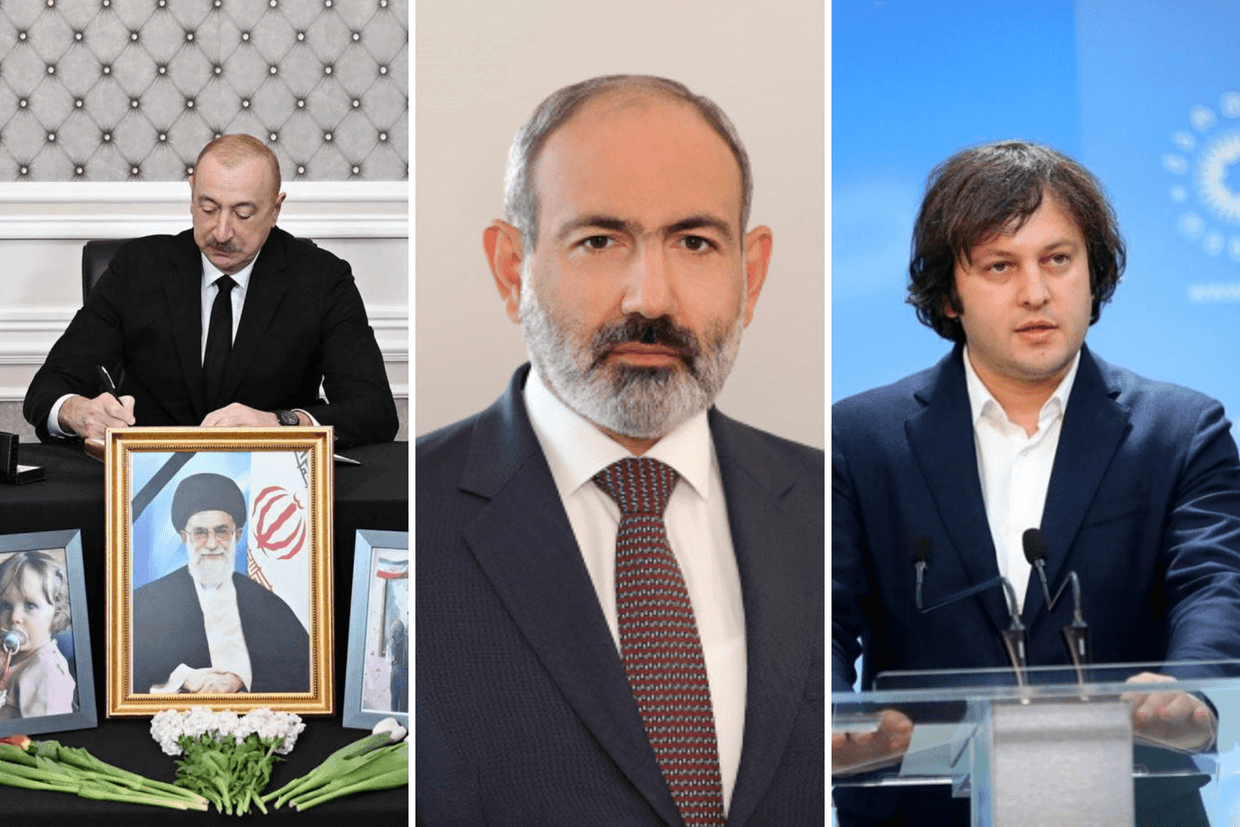
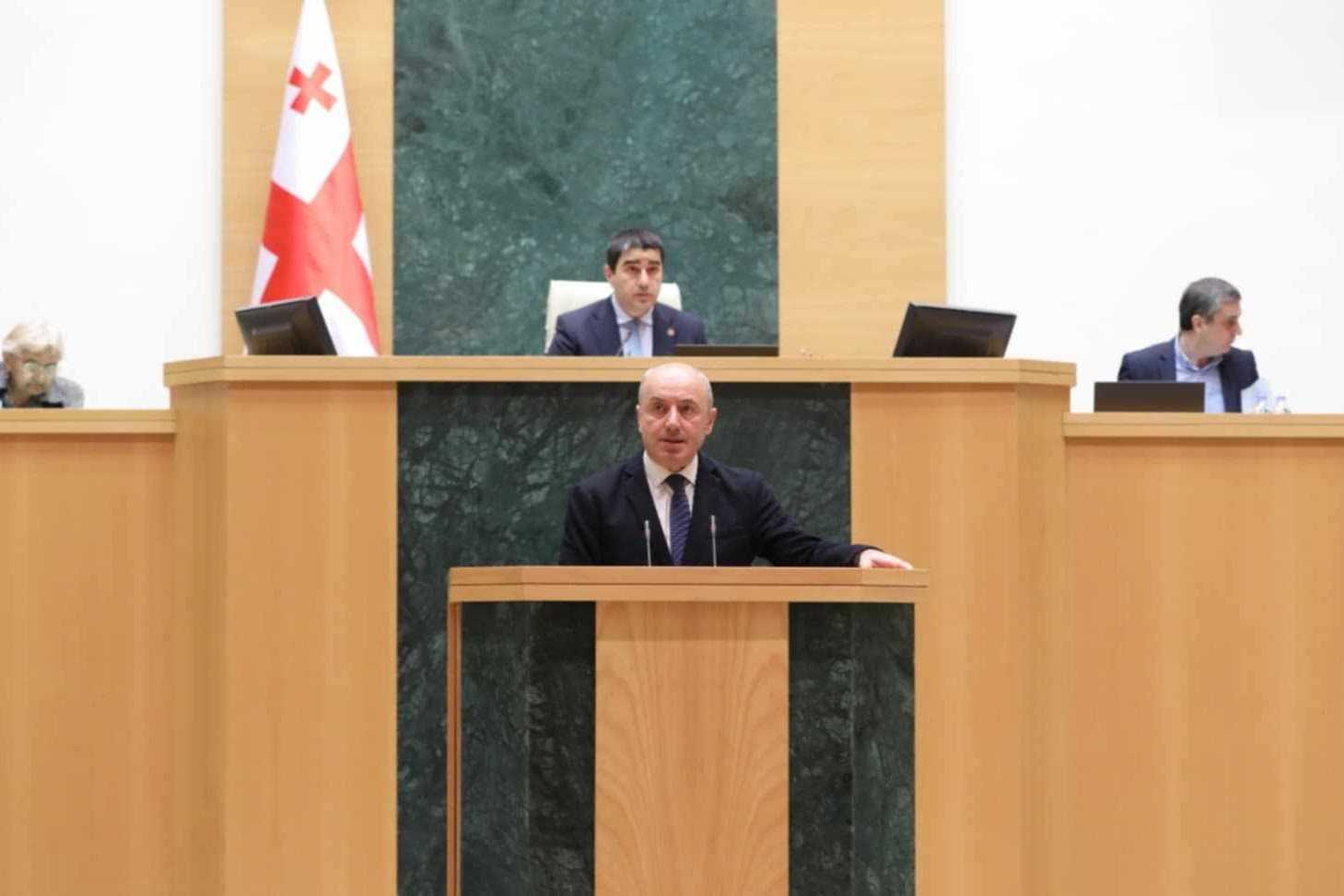
In 2024, Prime Minister Irakli Kobakhidze attended the funeral ceremony of Iranian President Ebrahim Raisi and Foreign Minister Hossein Amir-Abdollahian. Videos of him standing amidst chants of ‘Death to America’ did not go down well with his opponents, nor did his presence at the inauguration of the new president, Masoud Pezeshkian.
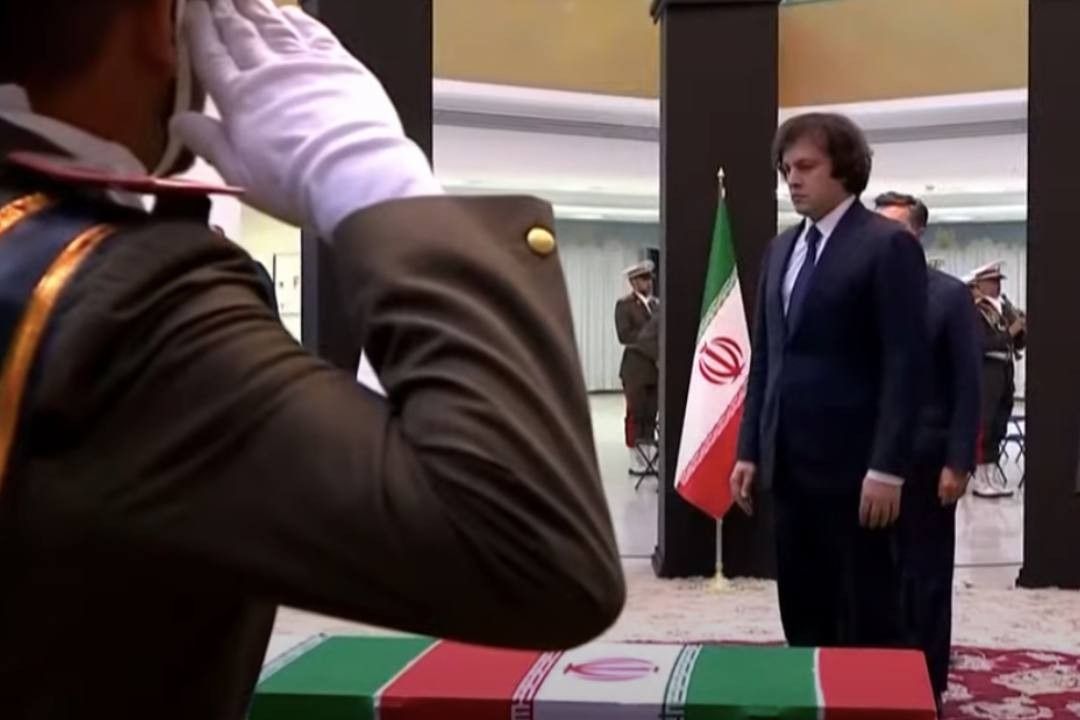
In 2025, a report by Transparency International — Georgia noted that, amidst deteriorating relations with Georgia’s traditional Western partners, the ruling Georgian Dream party had been strengthening ties ‘with non-democratic regimes, including Iran’.
In February 2026, Georgian officials took part in the 47th anniversary of Iran’s Islamic revolution, organised by the Iranian Embassy, while the Tbilisi TV Tower was lit in the colours of Iran’s flag. Both drew criticism due to their timing amidst Iran’s brutal crackdown on anti-government protests.
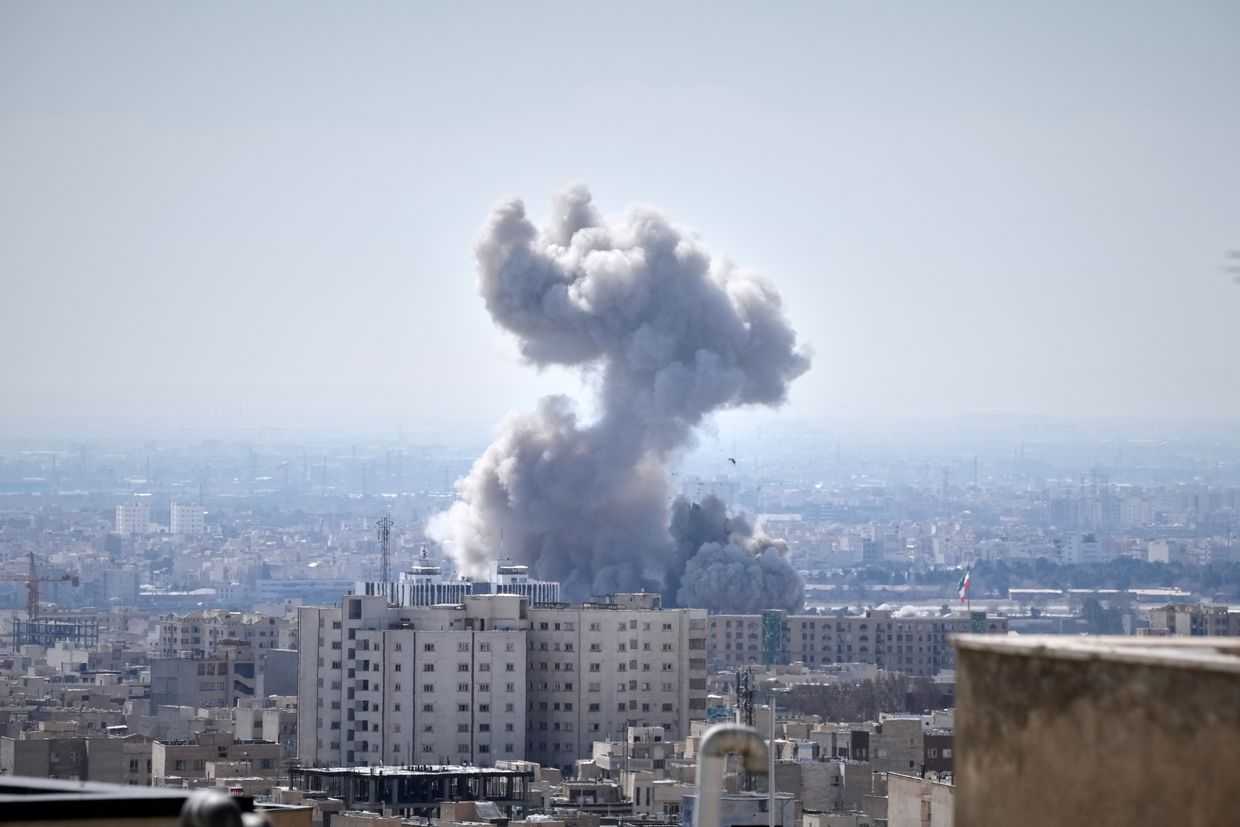
Even so, following the outbreak of war, the government extended condolences to both Iran and Israel, while also expressing solidarity with Gulf countries, suggesting a more cautious approach.
As the conflict continues to develop, Georgia’s relations with Iran may again change. In any case, however, a mass influx of refugees affecting the status on the ground seems unlikely.