Is Azerbaijan banning the hijab in public schools?
Reports of girls being expelled or banned from school for wearing hijab have led to speculation on the further repression of religious expression.

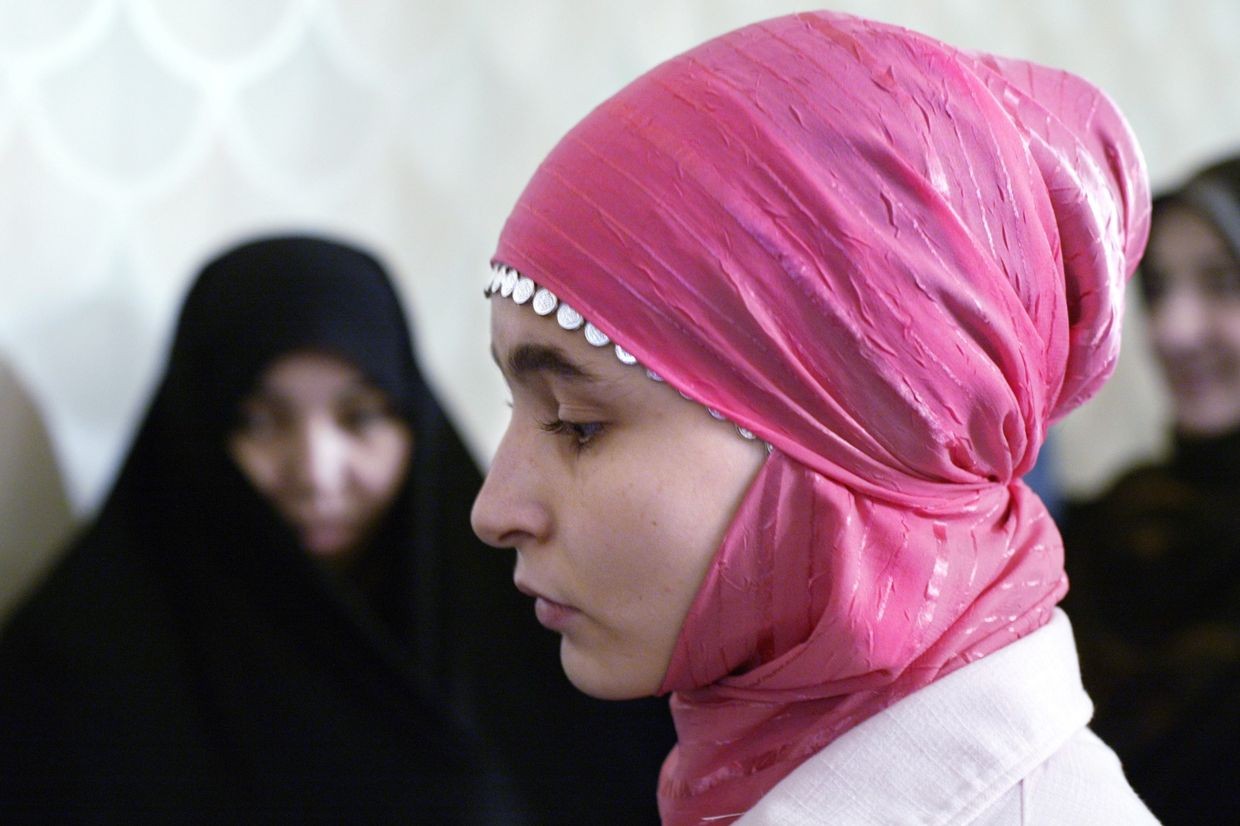
On 10 March, Afat Jamalova, the director of Secondary School N3 in the village Mehdiabad, reportedly expelled 23 students for wearing hijab to class. It was one of a series of reports dating from the end of February onwards that a possible hijab ban would be announced.
Such rumours first began gaining prominence on social media on 7 March after a video was shared by RFE/RL showing the director of the Imishli District School N8, Rena Guliyeva, not allowing students wearing hijab to enter school grounds. In the video, a school administrator is heard justifying the decision on the grounds that a hijab was not part of the school dress code.
 Aytan Farhadova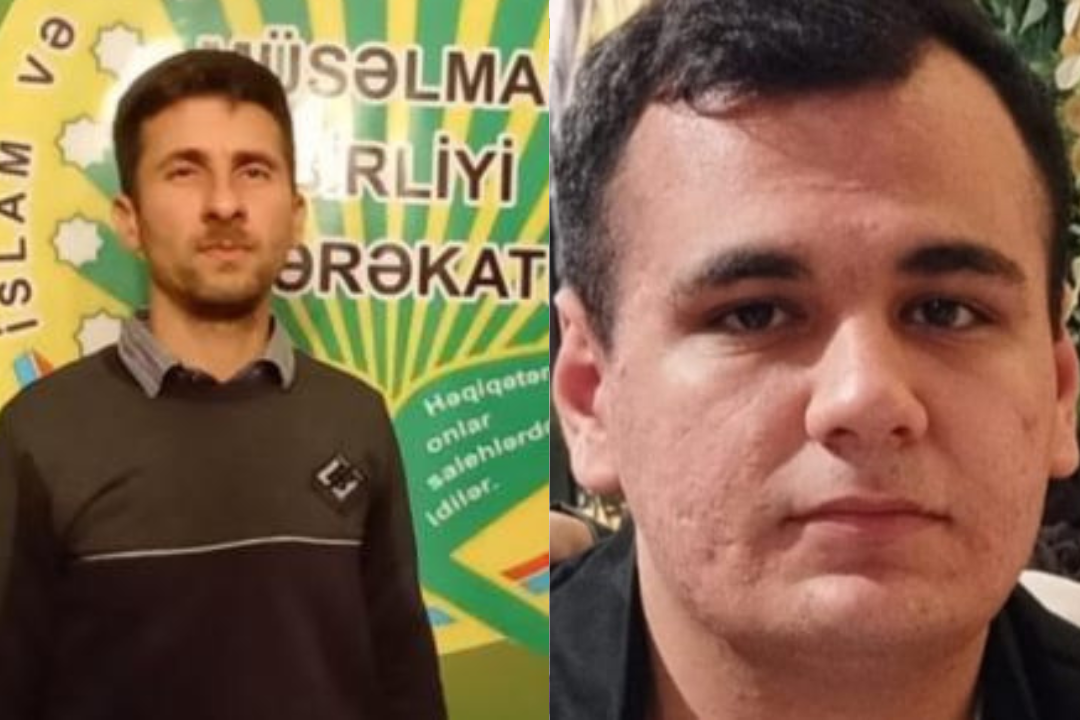
According to activist Arzu Abdulla, who works to protect religious expression in Azerbaijan, from the beginning of March, wearing a hijab has been banned at School N261 in the Khatai district, Secondary Schools N3 and N4 in Mehdiabad, and Schools N15 and N17 in Sumgait. Separately, the director of Secondary School N1 in the village of Gizilaghaj, Shahla Fatullayeva, expelled three students for wearing hijab in early March.
Vusal Hasanli, a residing of the Imishli district, likewise noted on social media that schools N1, N2, N3, N5, N7, and N8 in the district had banned the hijab, causing his two daughters, both of whom wear hijab, to be excluded from their classes.
‘Both of them study with high grades and this decision psychologically traumatised them. The school director told them that they can continue their study when they remove their hijabs’, he said in a video shared on Facebook.
While the majority of cases revolve around students, Abdulla told OC Media that on 15 March, two teachers wearing hijab were expelled from Secondary School N17 in Sumgait, widening those targeted.
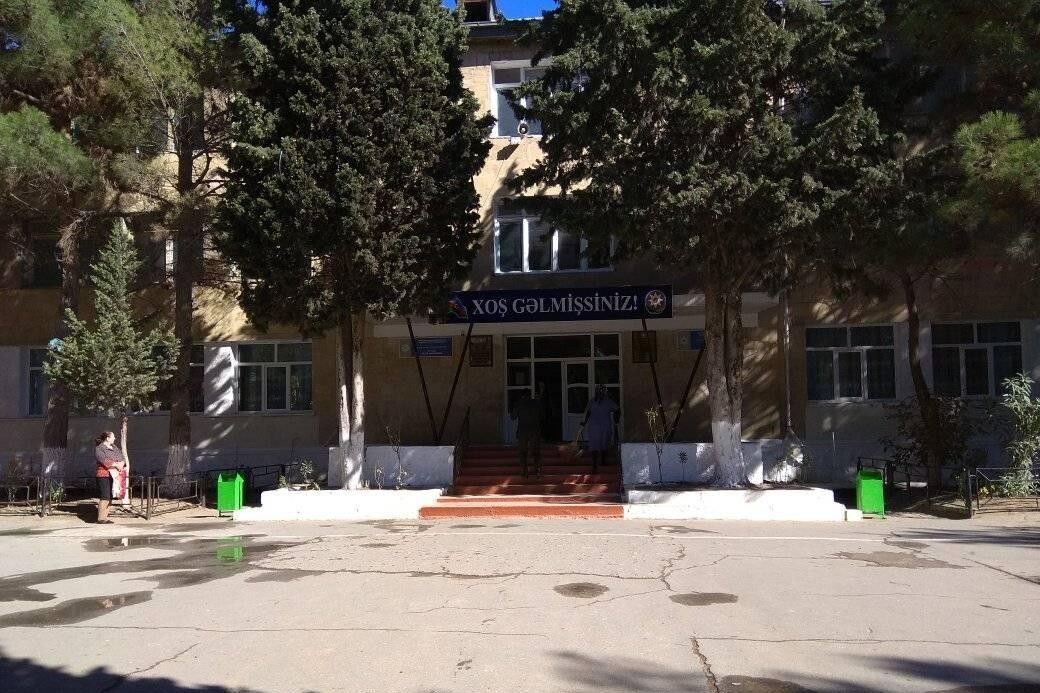
Yet, on 1 April, Abdulla stated that the ban on wearing hijab at school had been cancelled the day prior, on 31 March.
‘The parents of the girls said that no one prevented them from attending classes. In Beylagan district, the school N1 director even called the girls and asked them to come to school’, Abdulla said.
But why did these schools begin expelling or banning students from school in the first place?
A brief history of persecution
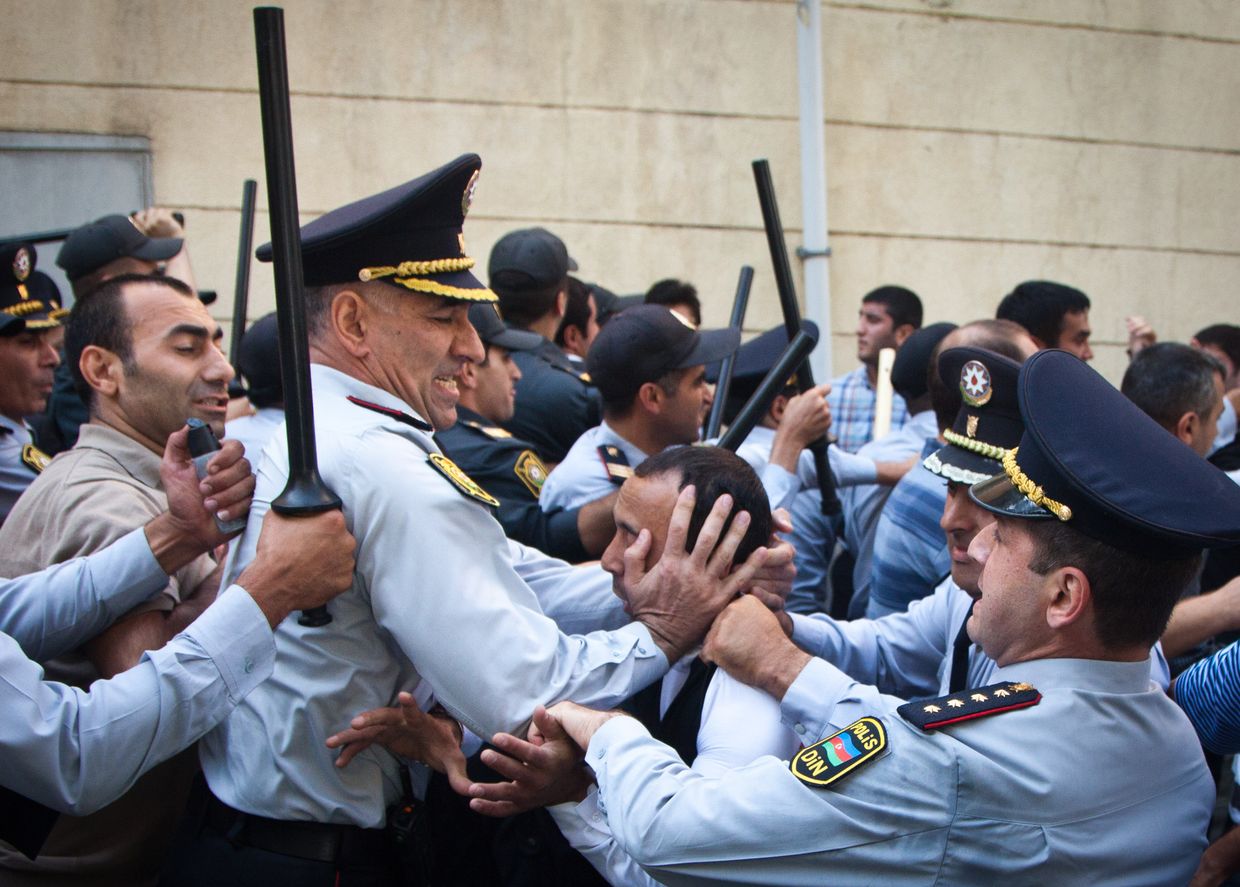
This is not the first time a hijab ban in schools has appeared in Azerbaijan. In November 2010, the Education Ministry banned the hijab, claiming that it went against the norm in the school code. Following mass protests in Baku, Ganja, and other cities, this decision was cancelled. However, many were detained due to the protests, leading to the moniker of ‘hijab prisoners’ being assigned to them.
According to human rights defender Yalchin Imanov, today, there is no grounds within the Cabinet of Ministers’ resolution defining school uniforms for banning the hijab.
‘The uniforms for students in state general education institutions is standardised, meaning it is established by law. And no measures have been taken regarding non-compliance with this uniform. Our legislation does not specifically prohibit wearing a headscarf or religious attire to school’, he told OC Media.
He added that there has been no additional regulatory act from the Education Ministry or any other legal body regarding this issue, meaning that those students who were expelled or banned from attending classes had their constitutional rights violated.
‘According to the constitution, every citizen of Azerbaijan has the right to education, and the state is obligated to ensure this right’, Imanov emphasised.
‘A similar provision is enshrined in the Law on Education, and the right to education is guaranteed by the state, which ensures, among other things, the creation of educational opportunities for every citizen, regardless of religion, and the absence of discrimination’.
At the same time, Imanov explained that the unofficial hijab ban at schools appeared to stem from an attempt by the Azerbaijani authorities to ‘structure their relations with their citizens within a political context’.
‘They pursue a political line toward their citizens. This means that if relations with Iran deteriorate, Shia Muslims are persecuted in Azerbaijan’, Imanov said.
While Shia Muslims constitute the majority of Azerbaijan’s largely secular population, the Azerbaijani government is regularly accused of exerting varying forms of pressure on ordinary people who practice their faith openly.
In August 2025, six women were detained for ‘staging a protest’, allegedly ‘under the guise’ of a religious ceremony. They were distributing alms in commemoration of Arba’in — a Shiite occasion observed 40 days after Ashura, the anniversary of the death of Prophet Muhammad’s grandson, Husayn ibn Ali.
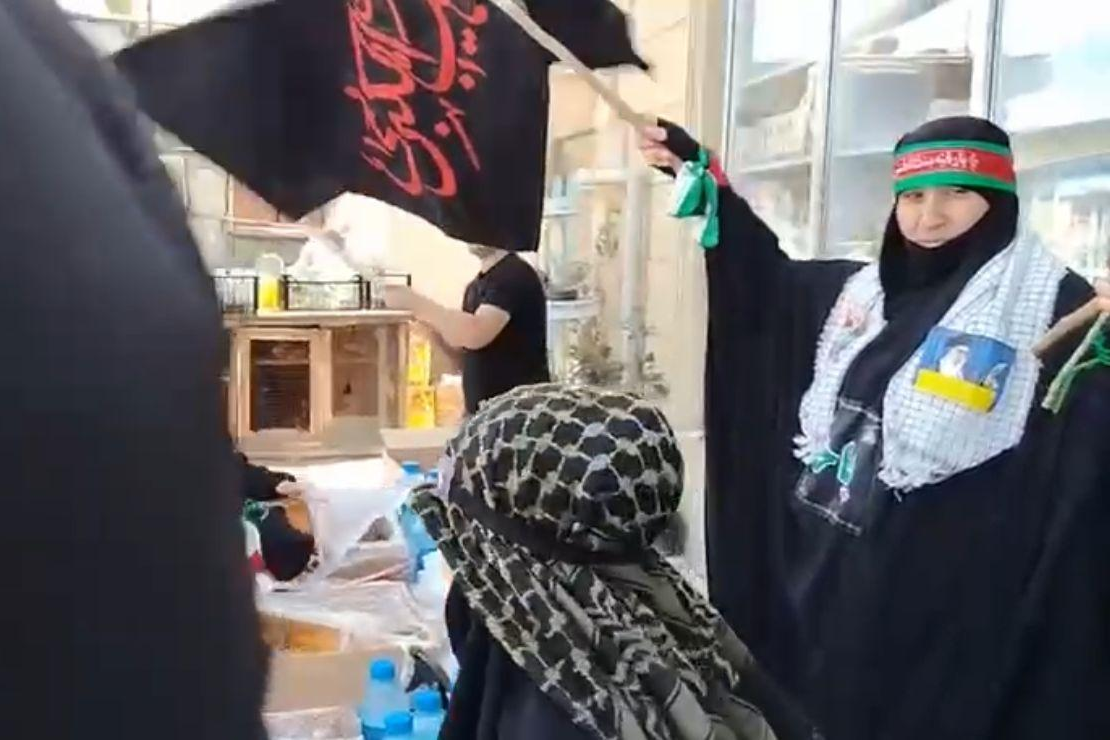
Other times, Azerbaijan seemingly persecutes Shia Muslims as tensions flare with Iran, a global centre of Shia Islam.
‘The last such incident occurred in early 2023, and during this persecution, thousands of believers were subjected to both administrative disciplinary measures and criminal charges’, Imanov continued.
That year, Azerbaijani authorities detained over 30 Shia men on charges of planning to overthrow the government and create a religious state in Azerbaijan. The arrests came soon after Azerbaijan accused Iran of violating its airspace and after Israeli Intelligence Minister Gila Gamliel met with Azerbaijani President Ilham Aliyev in Baku.
Speaking with OC Media, Abdulla similarly noted that she had been told by a school director that the order to expel or ban schoolgirls wearing hijab had come ‘directly from high-ranking officials’.
Yet, she noted, this was the first time such a decision has been applied so quickly.
Aytan Farhadova
Abdulla believes that despite the apparent U-turn in policy, ‘in the near future, the hijab ban will be officially legal’, arguing that these cases were simply a test from the government to assess religious people’s attitudes towards the state.
‘I think they tried to know how many believers can confront them. People who can protest the hijab ban are mainly arrested. Only half of the believers were released after the Amnesty Act [in December 2025]’, she said.
‘To be honest, this situation also does not satisfy me because it looks like silence before the storm. If not, why over the last two months, have around 50 Shia Muslims been arrested on drug possession charges?’, Abdulla concludes.
OC Media reached out to the Education Ministry for comment after which a representative of the State Agency for Pre-School and General Education requested a list of schools where hijab bans were reportedly being enforced. A mother of a schoolgirl who was suspended for wearing a hijab told OC Media that the ban was lifted later that same day, on 31 March.
In early April, however, there were further reports that School N15 in Sumgait, under principal Elmira Yagubova, was still enforcing the ban on wearing hijab.