Kallas says Armenia has requested EU assistance to counter hybrid threats ahead of 2026 elections

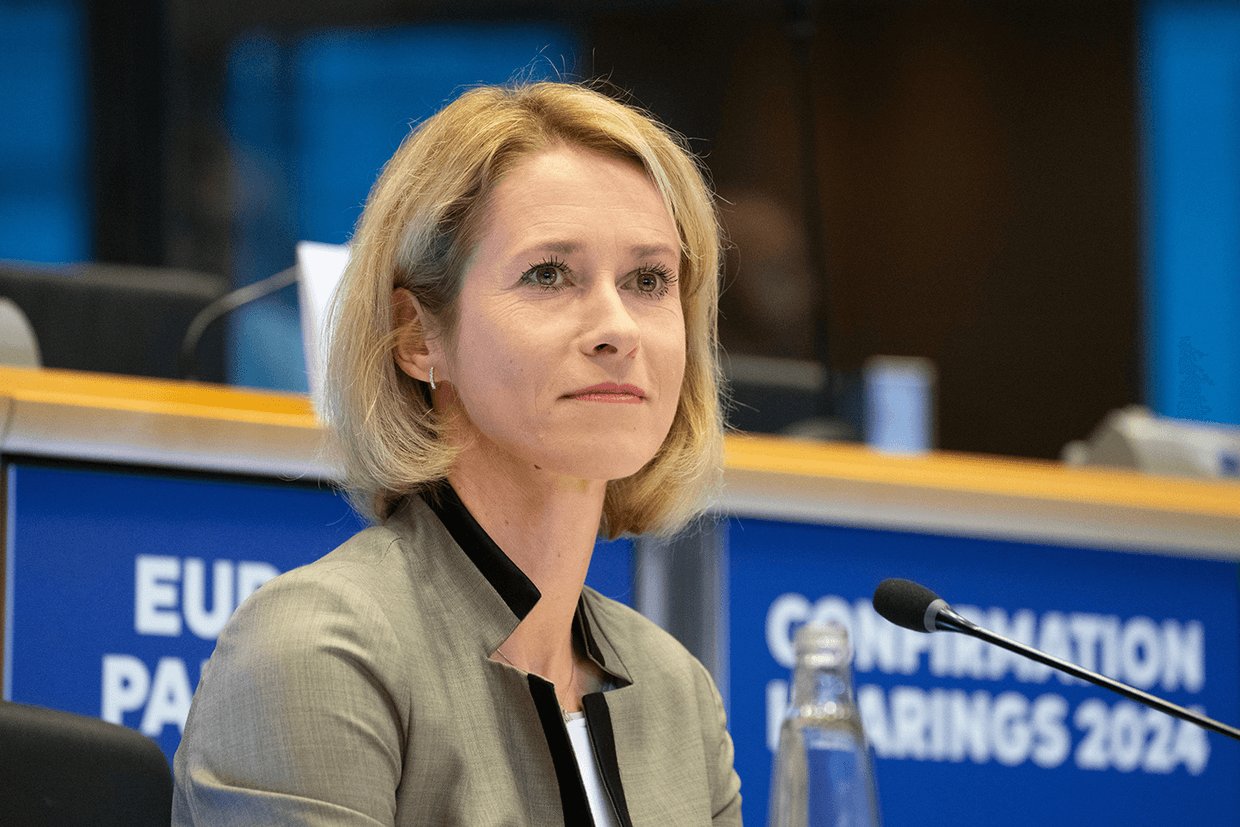
The EU’s top diplomat Kaja Kallas has stated that ahead of its 2026 parliamentary elections, Armenia requested ‘similar help to fight the malign influence [sic], like [the EU] granted to Moldova’.
Moldova held its decisive parliamentary elections in September 2025, where President Maia Sandu’s pro-EU Party of Action and Solidarity won a majority of seats against the backdrop of an active Russian-backed disinformation campaign.
Ahead of the election, the EU, as stated by Enlargement Commissioner Marta Kos, provided ‘targeted support’ to Moldova ‘to enhance cybersecurity and to combat illegal financial flows, as well as foreign information manipulation and interference’.
Kallas announced Armenia’s request for similar aid during a press briefing on Monday.
In an interview with Armenpress later that evening, Armenian Foreign Ministry spokesperson Ani Badalyan stated that cooperation between Armenia and the EU countering hybrid threats, among other areas, is not new.
Badalyan said that in parallel with the development of the partnership, ‘various initiatives aimed at strengthening the democratic and economic resilience of [...] Armenia are being considered, developed, and approved’.
‘Cooperation, including EU support, aimed at countering possible hybrid threats in the process of ensuring that electoral processes comply with democratic standards is no exception, taking into account the experience and toolkit of the EU and its member states in this area’, Badalyan said.
She also confirmed that several initiatives had been developed, adding that the public would be informed once decisions were adopted.
The hybrid threat from ‘Russia and its proxies’
Earlier in December, as Armenia and the EU signed their new strategic agenda prioritising the fight against hybrid threats, Kallas addressed the issue in a press briefing.
Kallas named ‘Russia and its proxies’ as the actors behind ‘disinformation campaigns’ in Armenia ahead of the 2026 parliamentary elections.
‘We see the same networks that were used in Moldova, meaning the scenario is the same. EU funding will help detect and respond to such influences’, Kallas stated.
 Arshaluys Barseghyan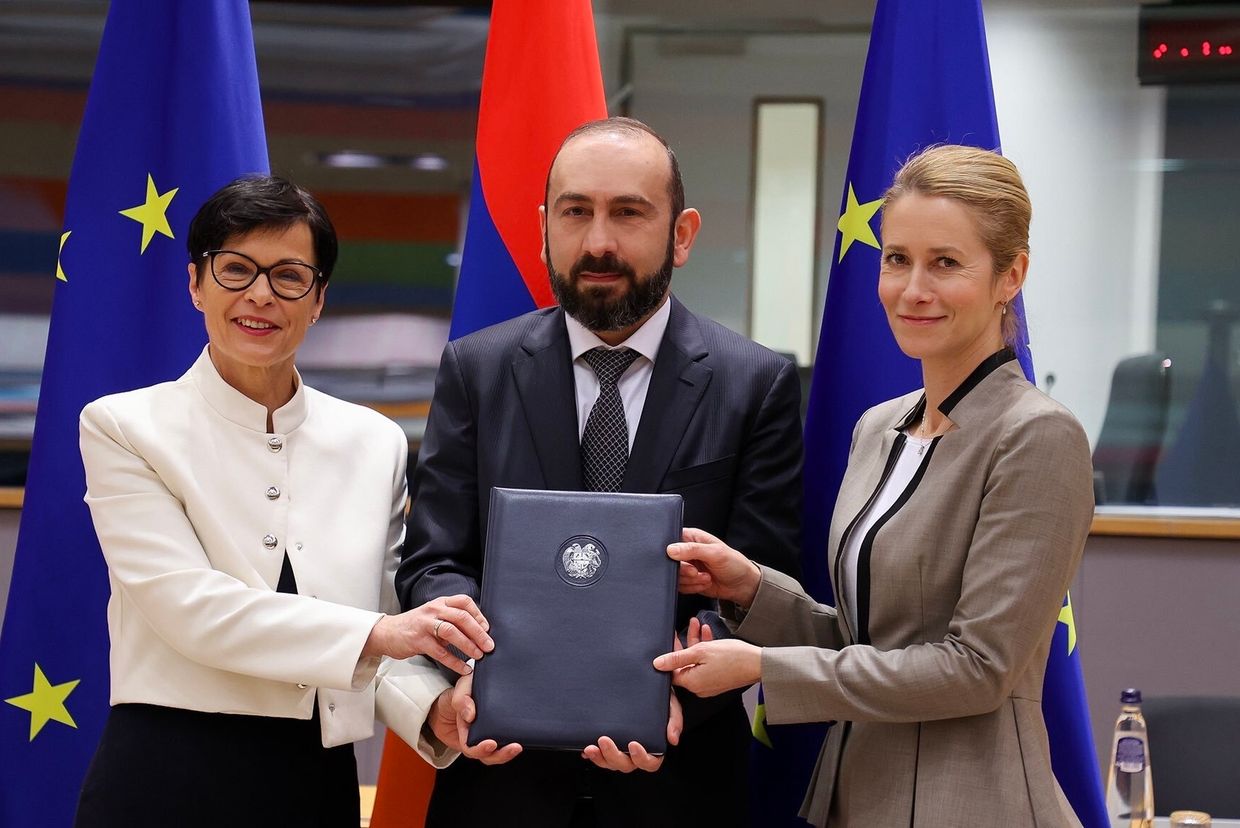
On Monday, Foreign Minister Ararat Mirzoyan participated in a meeting held within the framework of the EU Foreign Affairs Council format. He stated afterwards that they had ‘discussed all major achievements in the Armenia-EU Partnership, from economy and stronger resilience to security-related issues, including hybrid threats’.
Unlike EU diplomats, Armenian officials have avoided naming any country behind the hybrid threats, despite expressing concern over the issue.
However in recent months, Armenian and international fact-checkers have observed an increase in disinformation targeting Armenia, coming from Russian or Kremlin-linked actors, as well as Turkish and Azerbaijani sources.
Earlier this year, the Russian daily Vedomosti reported that Sergei Kiriyenko, First Deputy Chief of Staff of the Russian Presidential Administration, would be ‘tasked’ to advance Russian interests in Armenia ‘through soft power’ ahead of the 2026 parliamentary elections.
Arshaluys Barseghyan
According to Vedomosti, Kiriyenko and his team had previously been assigned to work in Abkhazia, South Ossetia, Moldova, and Transnistria.
The media outlet cited its official sources as saying that despite Russia mobilising its efforts ahead of the Armenian elections, they ‘assume[d]’ that Prime Minister Nikol Pashinyan ‘will win’ again, adding that ‘the issue now is not the elections, but Russia’s presence [in Armenia]’.
This article was translated into Russian and republished by our partner SOVA.