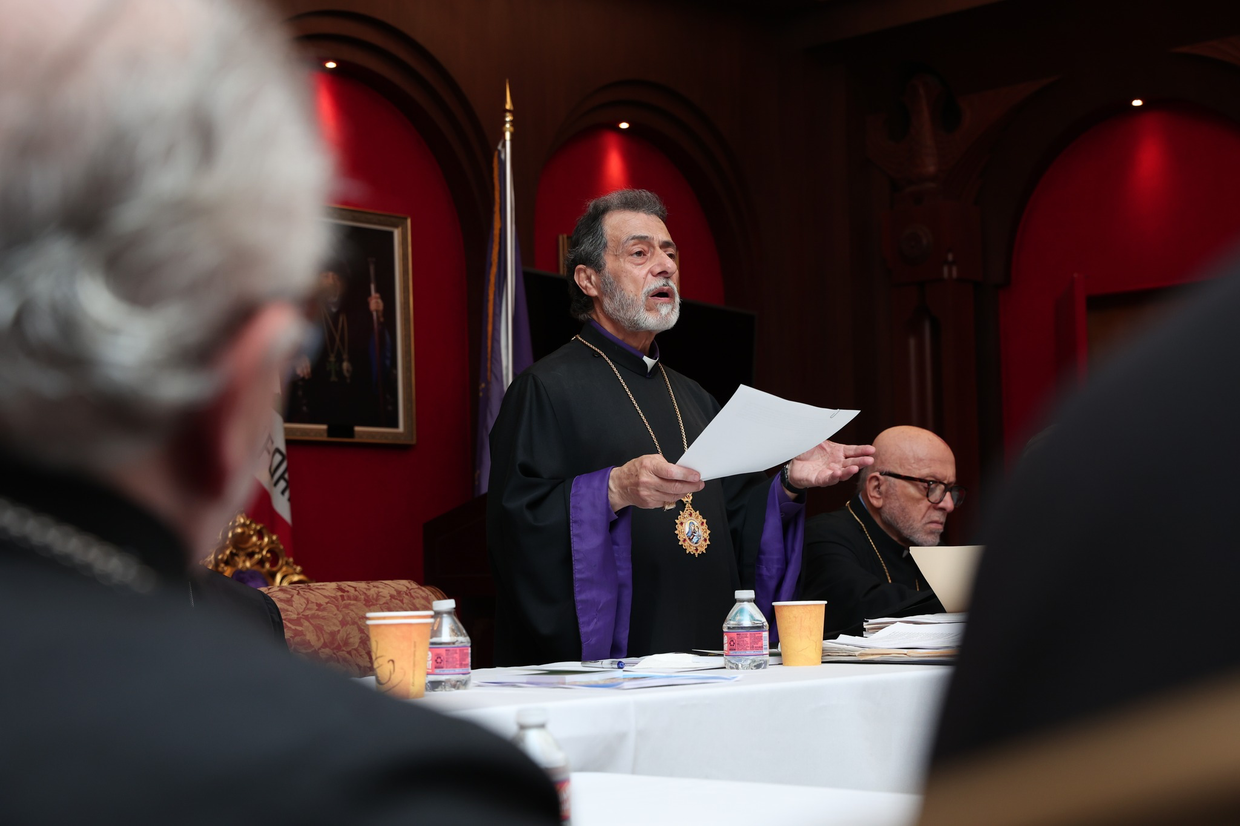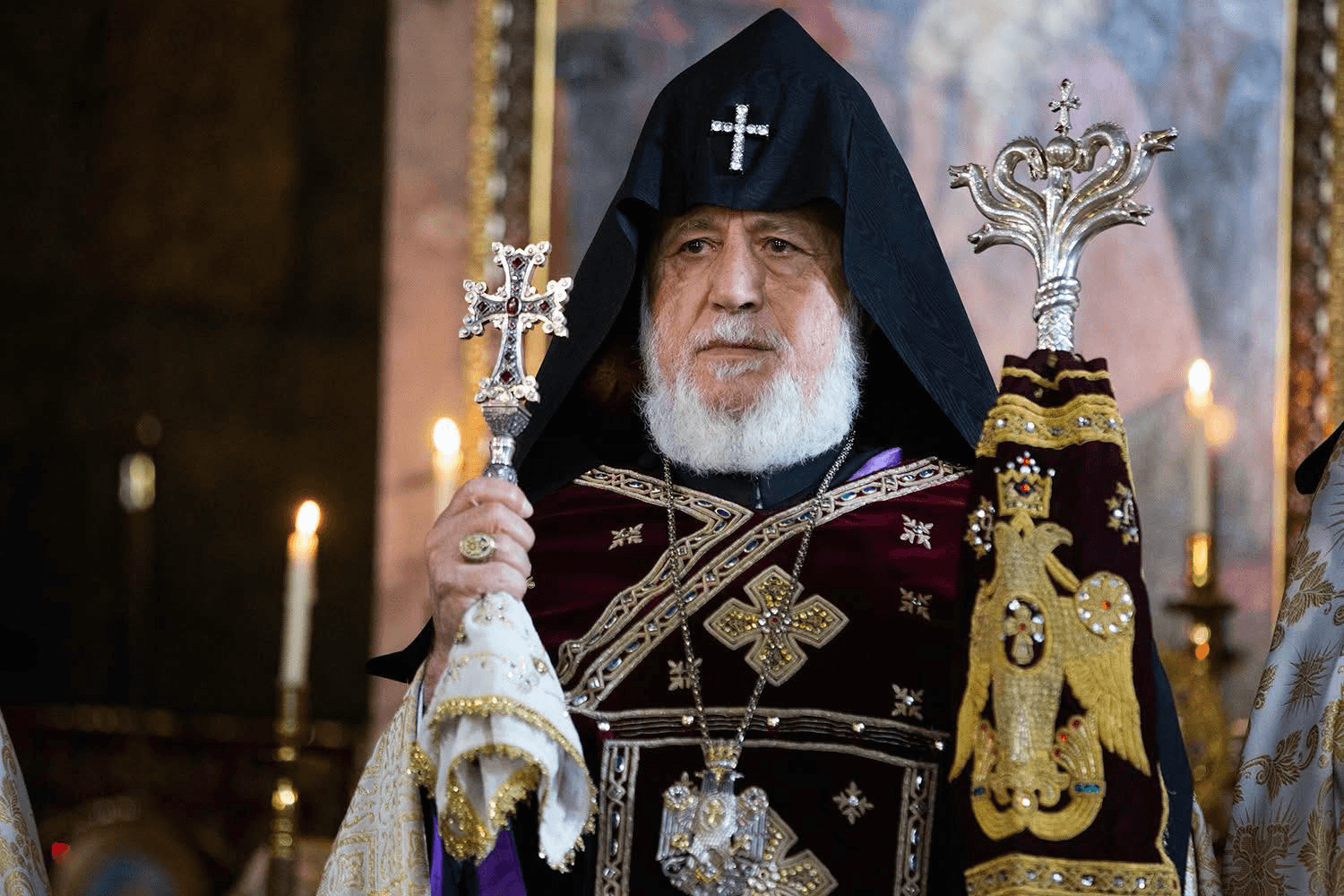
Catholicos Karekin II has dismissed Archbishop Abraham Mkrtchyan as head of the Vayots Dzor Diocese, ‘based on his written and oral requests’. In turn, Mkrtchyan stated that he had been requesting his dismissal ‘for the past 10 years’.
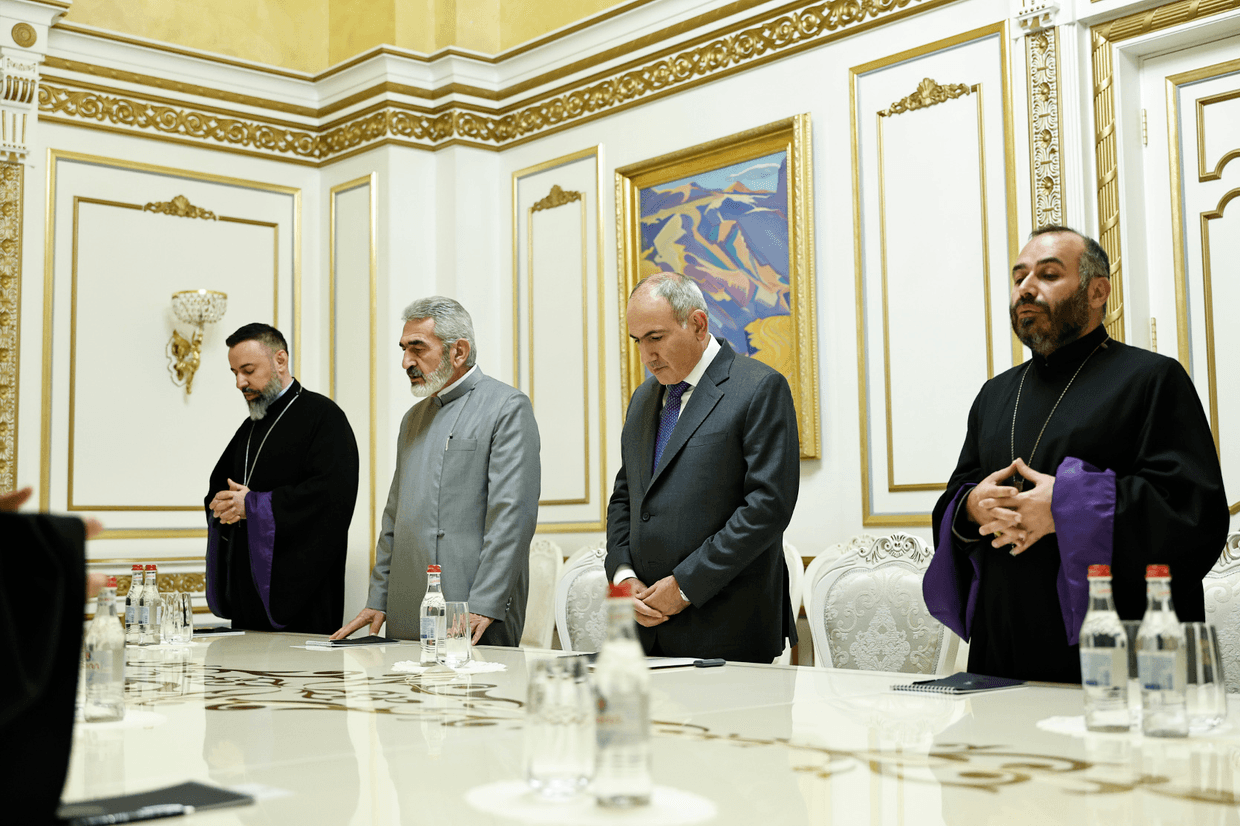
Mkrtchyan is one of 10 senior priests who had previously called on Karekin II to resign in November 2025 and signed Prime Minister Nikol Pashinyan’s church reform agenda in January.
The document declared the launch of reforms in the Armenian Church, a roadmap for the implementation of reforms, including the removal of Karekin II, as well as the formation of a ‘Coordinating Council’ composed of the signatories.
 Arshaluys Barseghyan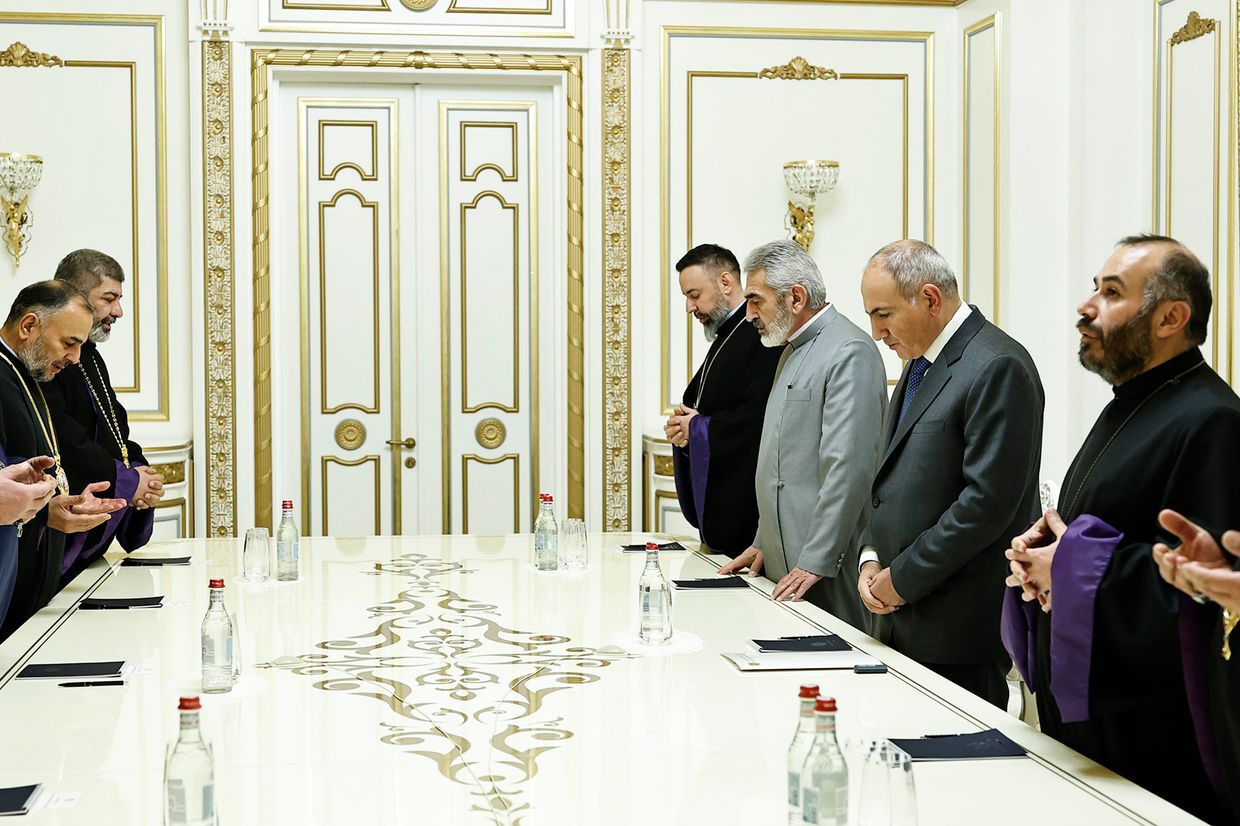
The news of dismissal was shared on Monday by the Mother See, offering no further details regarding his request to step down.
Shortly after, Mkrtchyan issued a statement in order ‘to prevent all unnecessary, incorrect interpretations, manipulations, and distortions’.
According to him, in the past several years, ‘long before the 2025 incidents related to the Armenian Church’, he had on several occasions, including during meetings at the Mother See, requested to be allowed to retire.
‘Since this decision was made based on my written and verbal requests, I have no reason to refuse it’, Mkrtchyan wrote.
Later, speaking to Factor, Mkrtchyan clarified that ‘over the past 10 years’ he had repeatedly, both in written and oral form, expressed his desire to be retired. Factor also asked the Church spokesperson, senior priest Yesayi Artenyan, why the request was only being granted now, to which Artenyan ‘did not give a clear answer, stating that further clarifications are needed’.
Armenian media have reported that Mkrtchyan is affiliated with businesses, including those linked to several small hydroelectric plants in Vayots Dzor.
Mkrtchyan, who previously denied ownership, in his Monday statement, noted that as a retired cleric, he intends to remain in his birthplace, Vayots Dzor, and ‘primarily engage in literary, translation, and publishing activities’.
He highlighted his achievements over the past 34 years in the diocese and vowed to continue to be part of Pashinyan’s Church reform agenda.
Arshaluys Barseghyan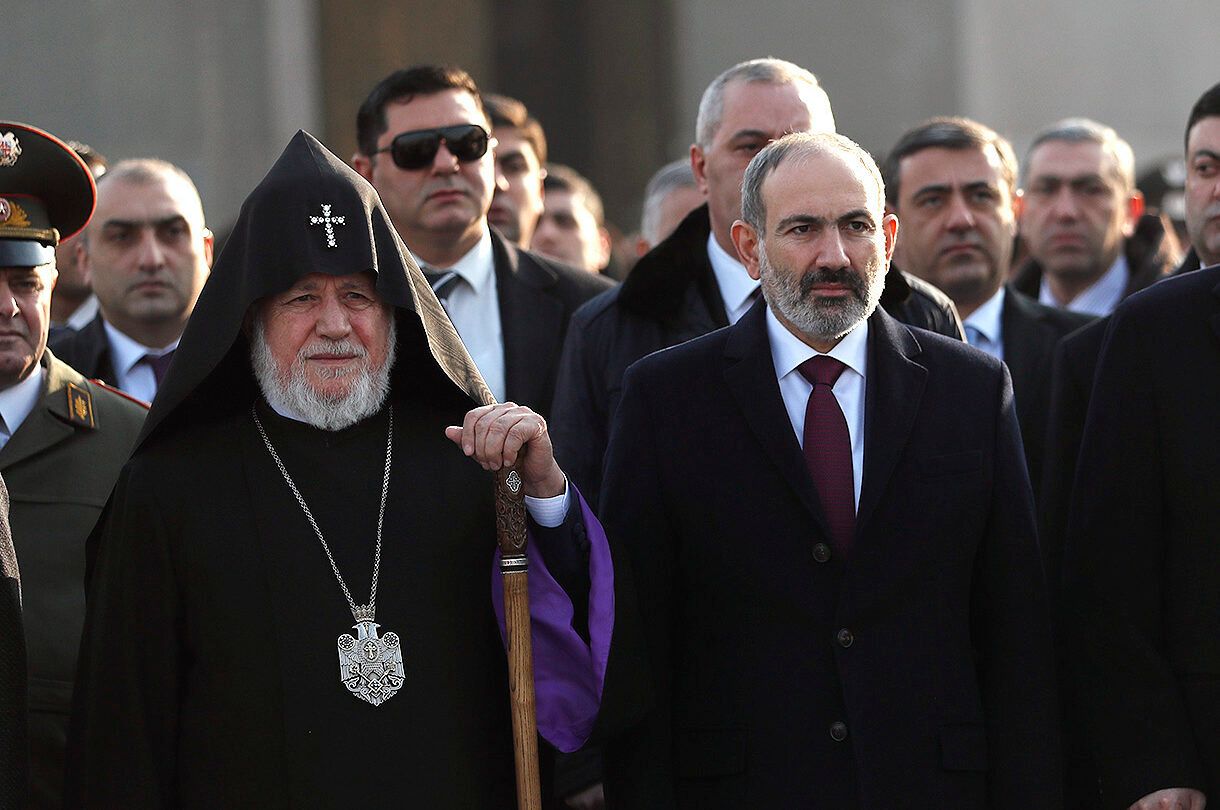
‘I believe it is clear to everyone that the Armenian Church needs structural, governance, and statutory reforms so that it no longer faces such shocks and crises. Therefore, as required, I am ready to continue being as useful as possible in the Armenian Church’s renewal initiated by the Prime Minister of the Republic of Armenia, particularly in preparing the Church’s new statutes’, Mkrtchyan wrote.
The ‘Coordinating Council’ of Pashinyan’s Church reforms agenda, however, saw a crack in February, when Archbishop Hovnan Derderian appeared to turn on Pashinyan by signing a statement urging Armenian authorities to ‘stop the persecution of the Church’ in February.
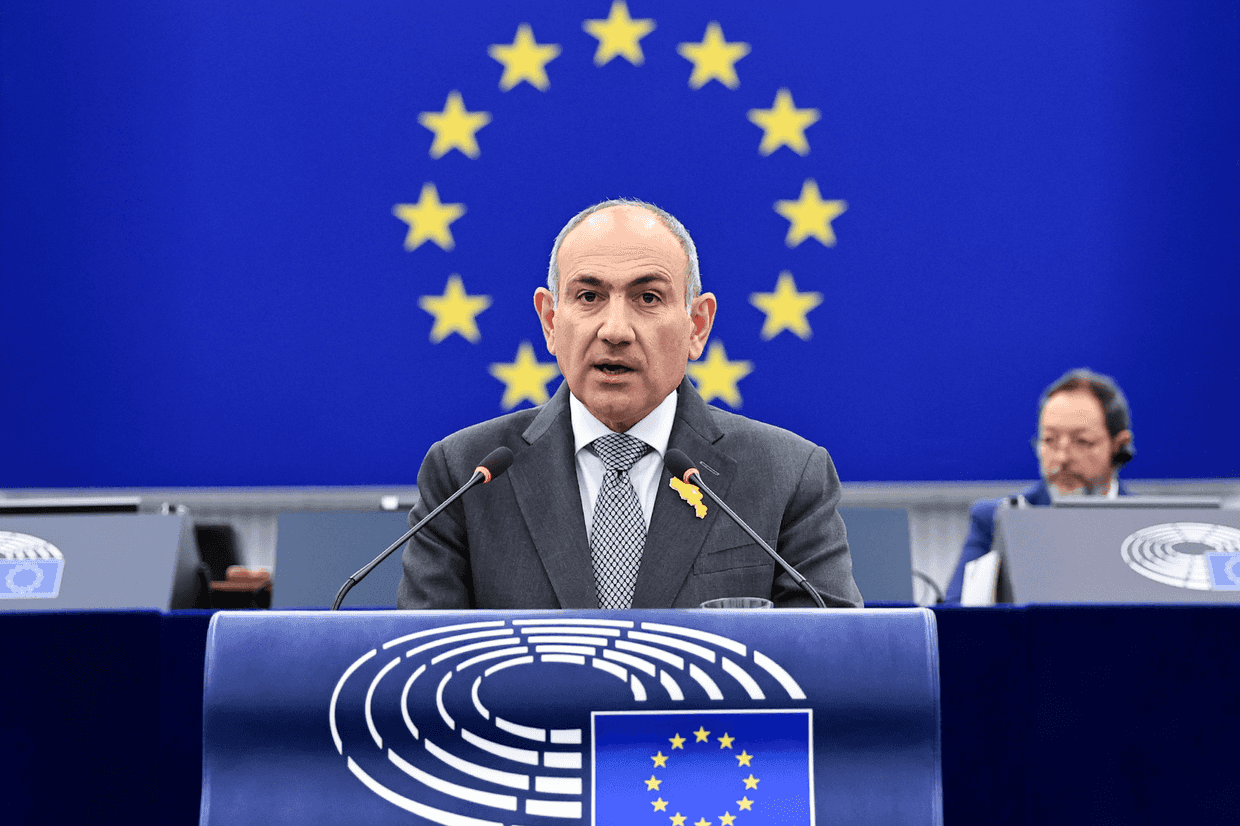
Earlier in March, Pashinyan accused the Church of leading a ‘war party’ in Armenia during his speech at the European Parliament.
Arshaluys Barseghyan