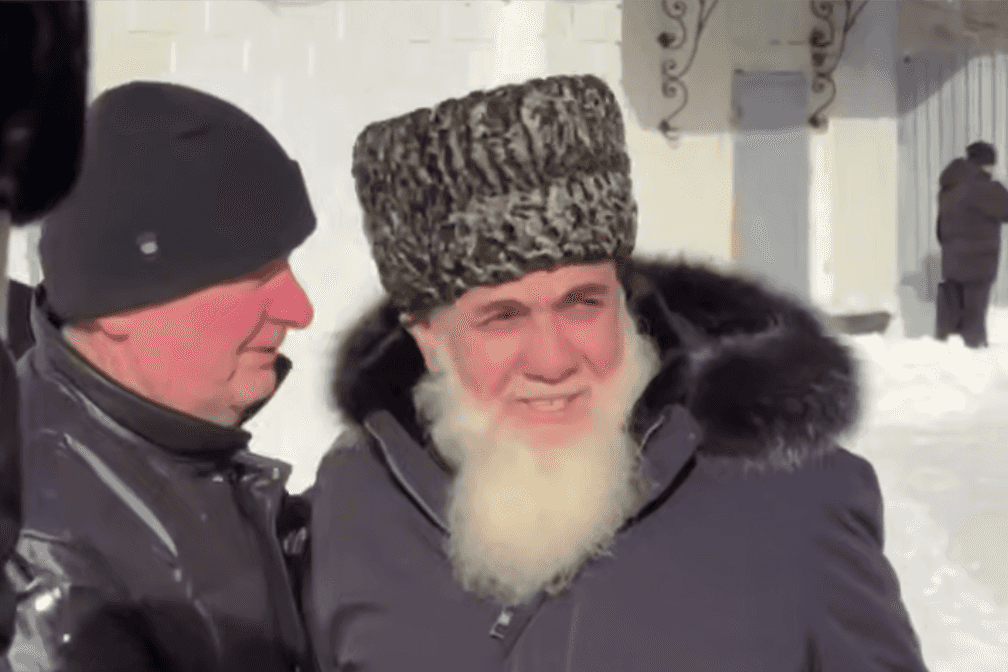
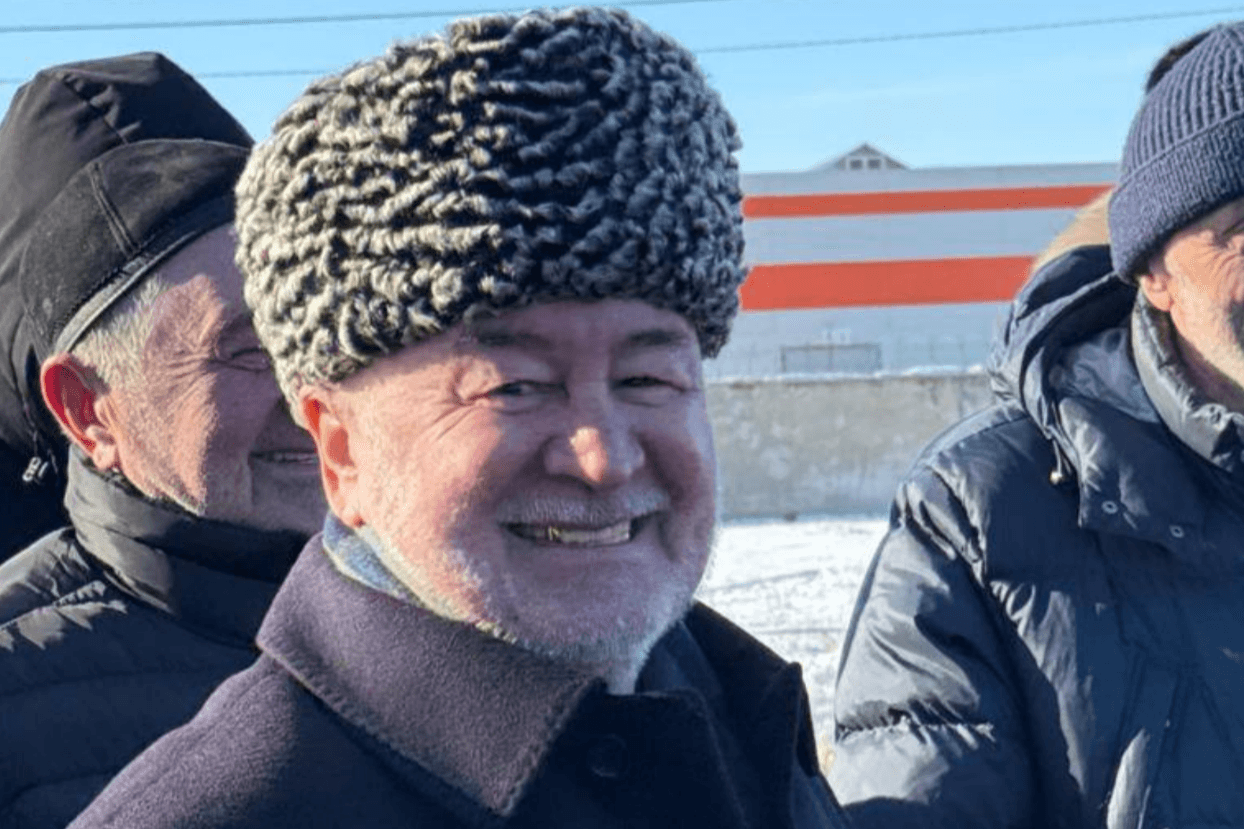
Authorities in Ingushetia have released 73-year-old Malsag Uzhakhov, among the last to have served time for taking part in the 2018–2019 protests against the border changes with Chechnya.
Uzhakov was released on 27 February from a prison in the city of Volzhsky, in the Volgograd region. According to his relative, Khamarz Kostoy, Uzhakov was greeted by his family, lawyers, and supporters at the prison gates.
His release coincided with Constitution Day in the Republic of Ingushetia. In his statement, Kostoy recalled Article 11 of the republic’s constitution, which states that ‘the return by political means of territory unlawfully alienated from Ingushetia and the preservation of the territorial integrity of the Republic of Ingushetia are among the state’s most important tasks’.
‘Another of our political prisoners, elder Malsag Uzhakhov, has finally been freed. We will concede nothing to anyone. We have not forgiven and will not forgive. Everything has its time’, Kostoy wrote.
Uzhakhov had been in custody since April 2019. Prior to his arrest, he chaired the Ingush Council of Teips, or clans. The council was established in 2016 as an alternative to the pro-government public council under the then Ingush Head Yunus-Bek Yevkurov. The organisation has advocated restoring direct elections for the leadership of the region and actively criticised the border agreement with Chechnya.
The Council of Teips was dissolved in 2020 by a ruling of the Supreme Court of Ingushetia. In January 2026, the European Court of Human Rights found the liquidation of the organisation unlawful.
During his time in pre-trial detention and in prison, Uzhakhov’s defence repeatedly voiced concerns about his health. According to his lawyers, the elderly man, who suffers from diabetes and hypertension, was denied adequate medical treatment while in custody.
Rare protests in Ingushetia
The ‘Ingush case’ stems from mass protests held in Magas in the autumn of 2018 and the spring of 2019 following the signing of a border agreement in which Ingushetia ceded part of its territory to Chechnya. The document was signed on 26 September 2018 by the heads of the two republics — Yevkurov and Ramzan Kadyrov.
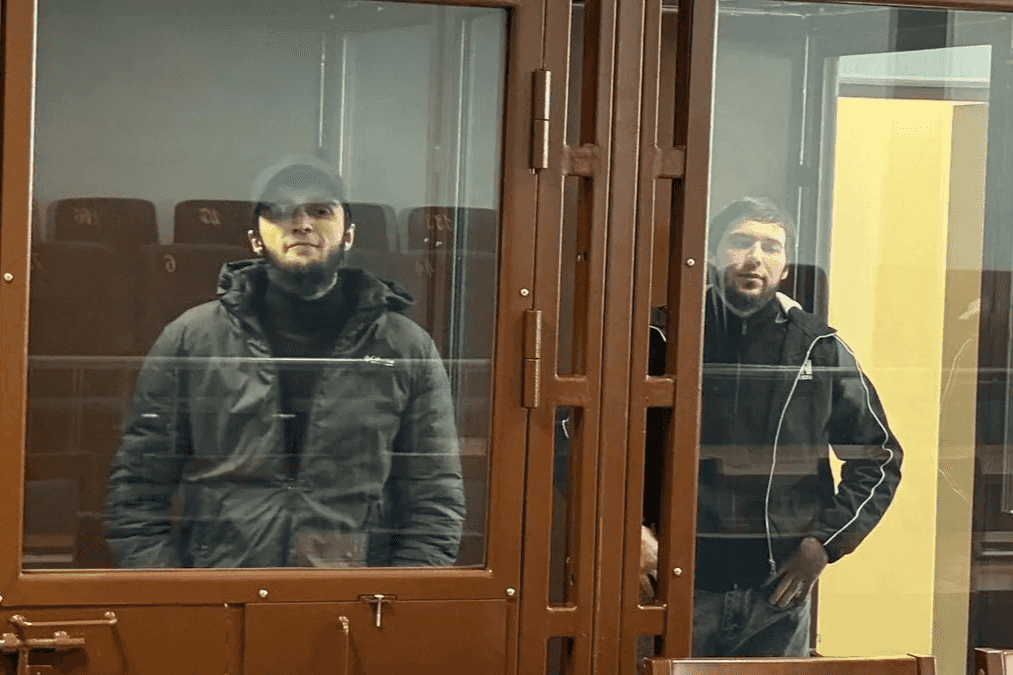
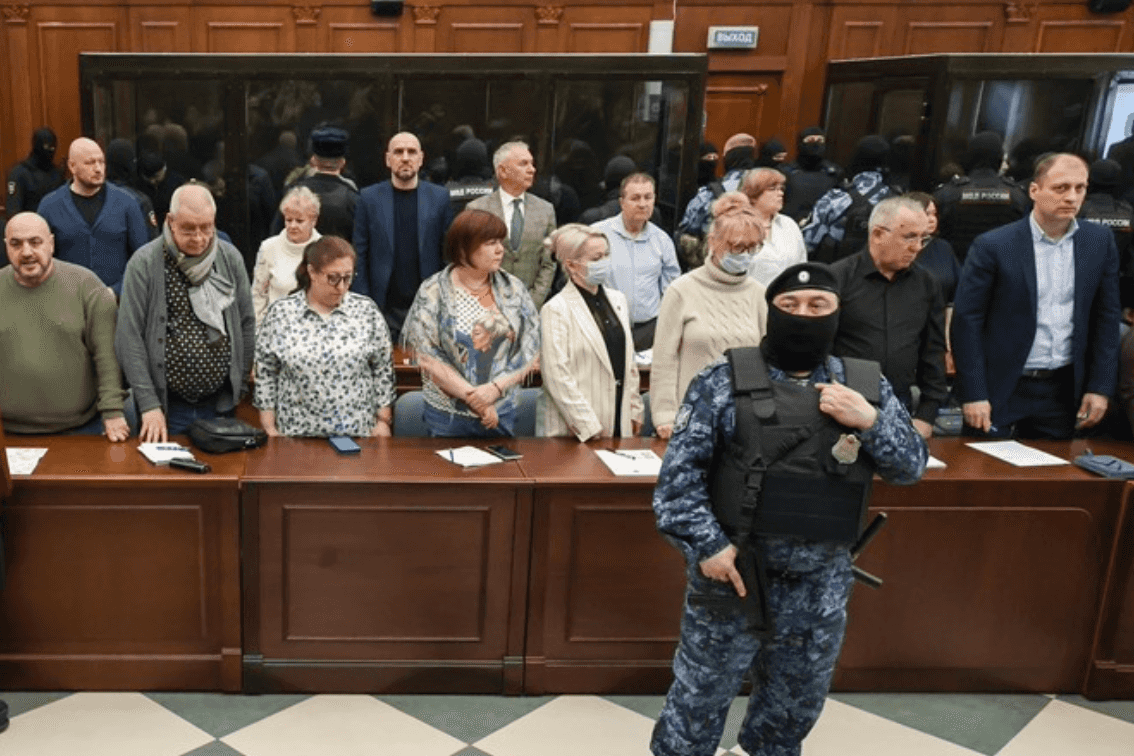
The protests culminated in a rally on 26–27 March 2019 in Magas, which ended in clashes with the riot police and National Guard. The authorities subsequently opened criminal cases on charges including organising violence against representatives of the authorities and establishing an extremist community.
 Volodymyr Soboliev
In December 2021, a court found seven protest leaders, including Uzhakhov, guilty and sentenced them to between seven and a half and nine years in prison. Uzhakhov himself received a nine-year sentence on charges of establishing an extremist community, organising violence dangerous to the health of state officials, and leading a non-profit organisation that allegedly encouraged citizens to refuse to fulfil their civic duties.
In November last year, former Ingush Interior Minister Akhmed Pogorov was sentenced to nine years’ imprisonment. His case was considered separately from that of the seven protest leaders, and he remains the only person still in custody in connection with the case.
In total, around 50 people faced criminal prosecution as part of the ‘Ingush case’, while more than 200 were subjected to administrative penalties. Many activists left the region fearing further persecution.
None of those convicted admitted guilt. Defence lawyers maintained that the charges of organising violence were brought against individuals who had in fact attempted to prevent clashes or had not taken part in coordinating the rally at all. According to the defence, the case files contained no witnesses directly implicating the defendants. Some witnesses told the court that they had been pressured during the preliminary investigation to provide the testimony required by investigators.
The human rights organisation Memorial has recognised all convicted protest leaders to be political prisoners.