Moscow ‘committed’ to normalising ties with Tbilisi, praises Georgian Dream’s foreign policy

A senior Russian Foreign Ministry official has said that Moscow is ‘seriously committed’ to normalising relations with Georgia, praising the ruling Georgian Dream party’s foreign policy, and describing it as ‘balanced and diversified’.
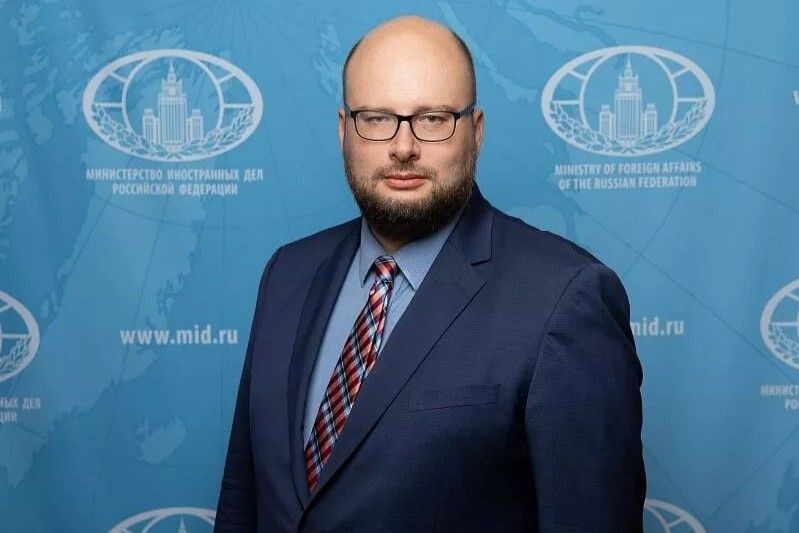
The statements were made by Mikhail Kalugin, the head of the Fourth Department for countries from the Commonwealth of Independent States (CIS) at Russia’s Foreign Ministry, in an interview with Russian state-run media outlet Rossiya Segodny published on Tuesday.
In the interview, Kalugin focused on Moscow’s relations with the countries of the South Caucasus, including Russia’s view of what the outlet described as the ‘West’s increasing attempts to strengthen its foothold in the region’.
‘Russia’s interests in the South Caucasus are immutable,’ he said, adding that Russia is not ‘just a neighbour’ of the region but ‘a Caucasian power itself’. He accused ‘Westerners’ of making ‘destructive efforts’ to ‘stir up the South Caucasus, drive a wedge between regional countries and Russia’, and set Moscow ‘at loggerheads’ with them.
‘Their main goal is to harm us by sacrificing others’ interests, involving one more region into their anti-Russia schemes’, he added.
Asked about relations with Georgia and the prospects of restoring diplomatic ties, Kalugin said that ‘we are striving for stable relations with Georgia’.
‘Tbilisi demonstrates a healthy pragmatism and a balanced, diversified approach in foreign affairs’, he said, adding that Tbilisi ‘chose not to join the anti-Russia sanctions coalition’.
In the same section, Kalugin echoed claims made by the ruling Georgian Dream party that certain external powers had sought to drag Georgia into Russia’s full-scale invasion of Ukraine and, in doing so, open a ‘second front’ against Moscow.
‘[Georgia] rejected the reckless scenario of opening a “second front” against Russia, which was being pushed on it from outside’, Kalugin said.
He also stated that as a result of Tbilisi’s current foreign policy, ‘we have seen considerable economic progress over the past few years’ and ‘had the Georgian authorities chosen a confrontational line with us in 2022 to please the West, none of this positive development would have occurred’.
‘Russia is seriously committed to normalising relations with Georgia. It is essential that Georgia does not become a pawn in anti-Russia games’, he concluded.
This was not the first time Tbilisi has been commended by Moscow for its foreign policy. Similar statements have been made by several Russian officials and their associates, particularly against the backdrop of recent deterioration of relations between Georgia and its traditional Western partners.
In November, the Secretary of Russia’s Security Council, Sergei Shoigu, praised the ‘resilience’ of the Georgian authorities, claiming they managed to ‘resist destructive actions aimed at destabilising the situation during the elections’.
Earlier, in December 2024, Russian Foreign Minister Sergei Lavrov had told Russian state media that ‘the US and the EU are trying to put Tbilisi in a false dilemma’ and that ‘Georgian authorities seem to want to build a sovereign policy that meets national interests’.
Georgian Dream’s policy has also been praised by Russian Foreign Ministry spokesperson Maria Zakharova, as well as by the Kremlin propagandist and editor-in-chief of the Russian state-run media outlet RT, Margarita Simonyan.
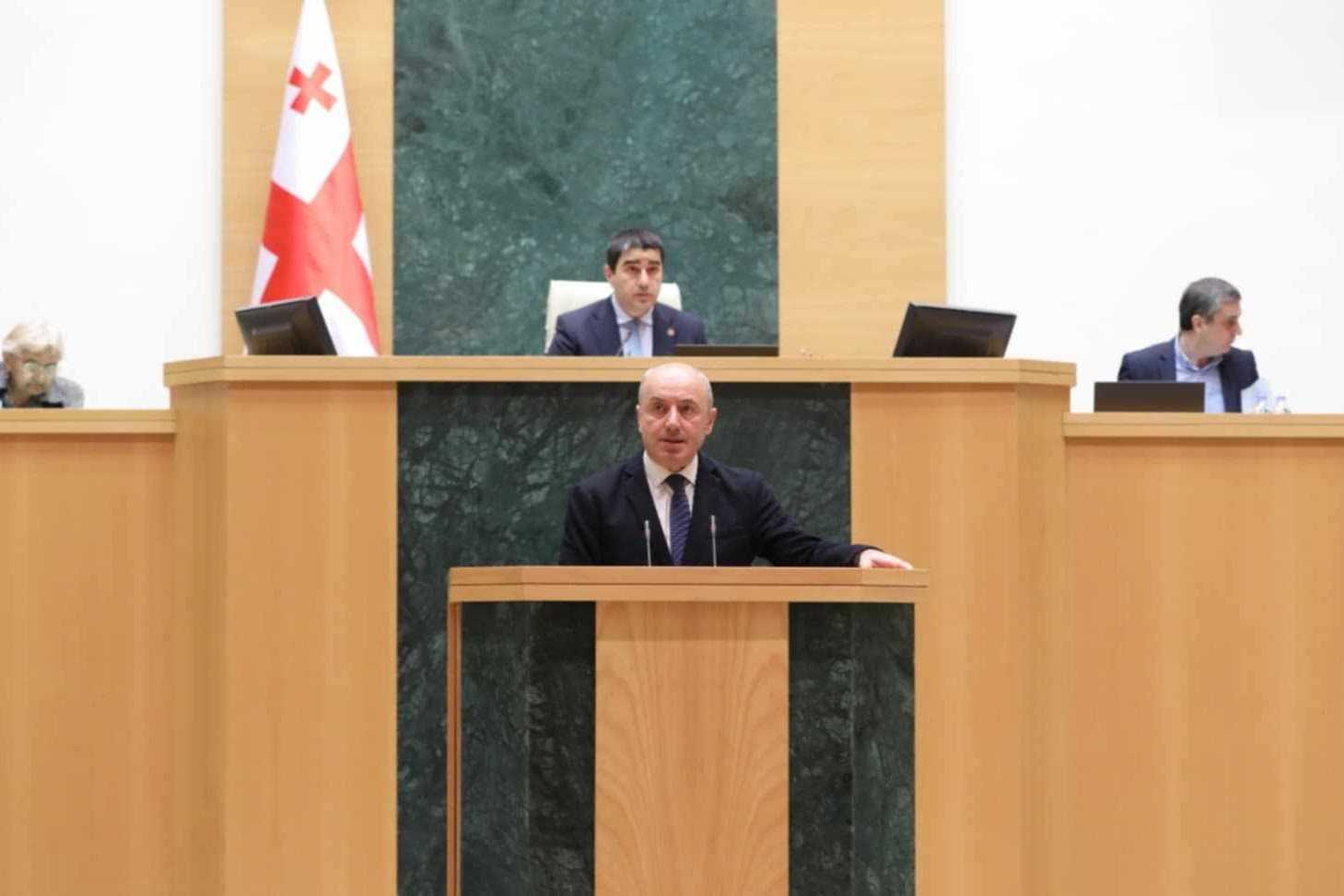
Georgian Parliament Speaker Shalva Papuashvili, while responding to questions regarding Kalugin’s remarks, said that Tbilisi is ‘in favour of normalisation’, but ‘the precondition for that is the recognition of Georgia’s territorial integrity’.
‘Whoever does not respect our sovereignty — be it from the north, east, west, or south, it does not matter the geographic direction — whoever does not respect our sovereignty, will [face] an appropriate attitude [from us],’ he added, as quoted by the pro-government TV Imedi.
Georgia’s relations with its Western partners deteriorated particularly following the disputed 2024 parliamentary elections, the adoption of restrictive laws, the government’s suspension of its EU membership bid, and police violence against ensuing demonstrations. The US and several European countries imposed personal sanctions on Georgian officials.
Against this backdrop, critics often accuse the Georgian authorities of drifting the country away from Euro-Atlantic space while simultaneously pulling it into Russia’s orbit. The ruling party, for its part, rejects the characterisation, stating it is pursuing a ‘sovereign’ policy.
 Yousef Bardouka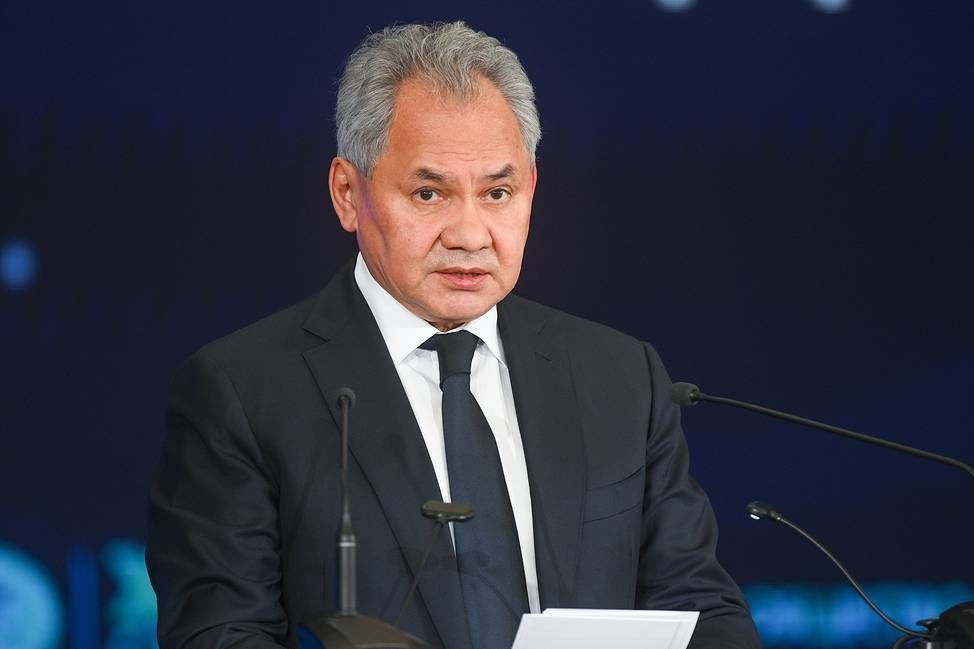
This article was translated into Armenian and republished by our partner CivilNet.