The OSCE has published an extensive report noting a ‘marked democratic backsliding in Georgia. The document, condemned by the authorities and welcomed by their critics, includes recommendations both for the Georgian government and international community.
The report was published under the organisation’s Moscow Mechanism, which allows member states to send a fact-finding mission to member countries whose authorities are believed to have committed human rights violations
The document, released on Thursday was prepared by the organisation’s sole rapporteur, Professor Patrycja Grzebyk.
Grzebyk met with representatives of the government, opposition, and civil society during her visit to Tbilisi in February. She also held a ‘series of online meetings’ with various stakeholders, received ‘numerous written submissions, and collected publicly available materials’ which then served as the object of analysis in the report.
‘The wide mandate required particular efforts to analyse the large amount of material in a very limited time of 14 days’, the document noted.
The Moscow Mechanism has been enacted 17 times since its establishment in 1991, with most recent cases being connected to Russia and Belarus.
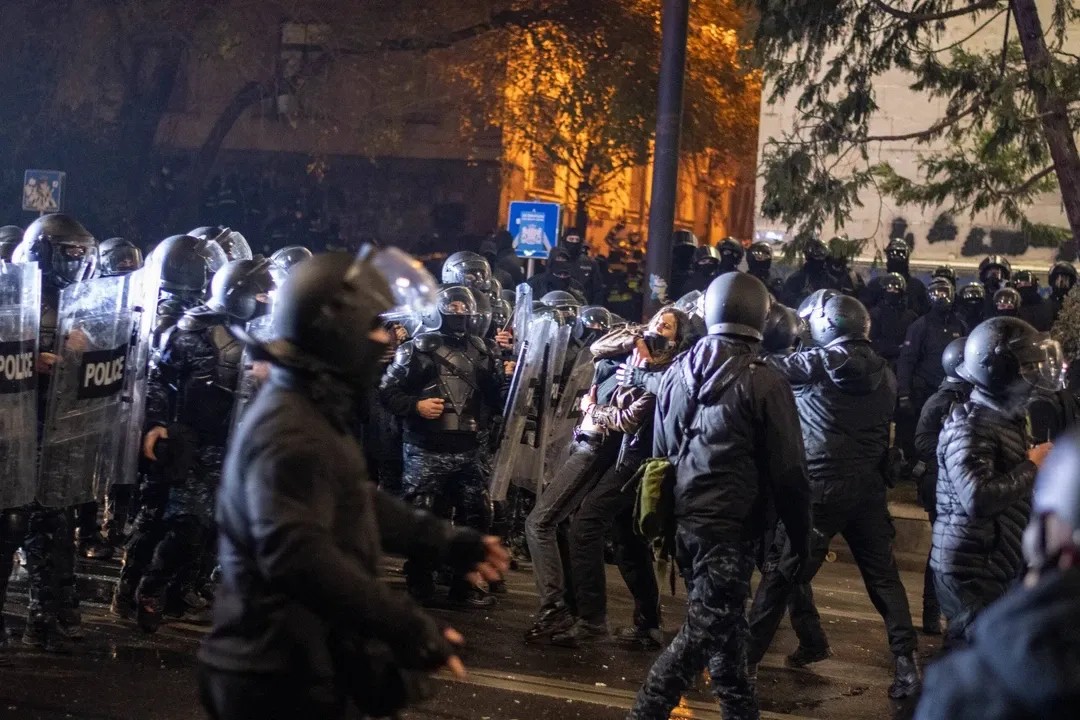
Among the report’s key findings was a ‘marked democratic backsliding’ in the country, with the rapporteur discerning a ‘pattern of violence and other abuses’ against protesters, opposition leaders, and journalists, ‘sometimes reaching the threshold of torture’, often met with ‘near-total impunity for the perpetrators’.
 Mariam Bogveradze
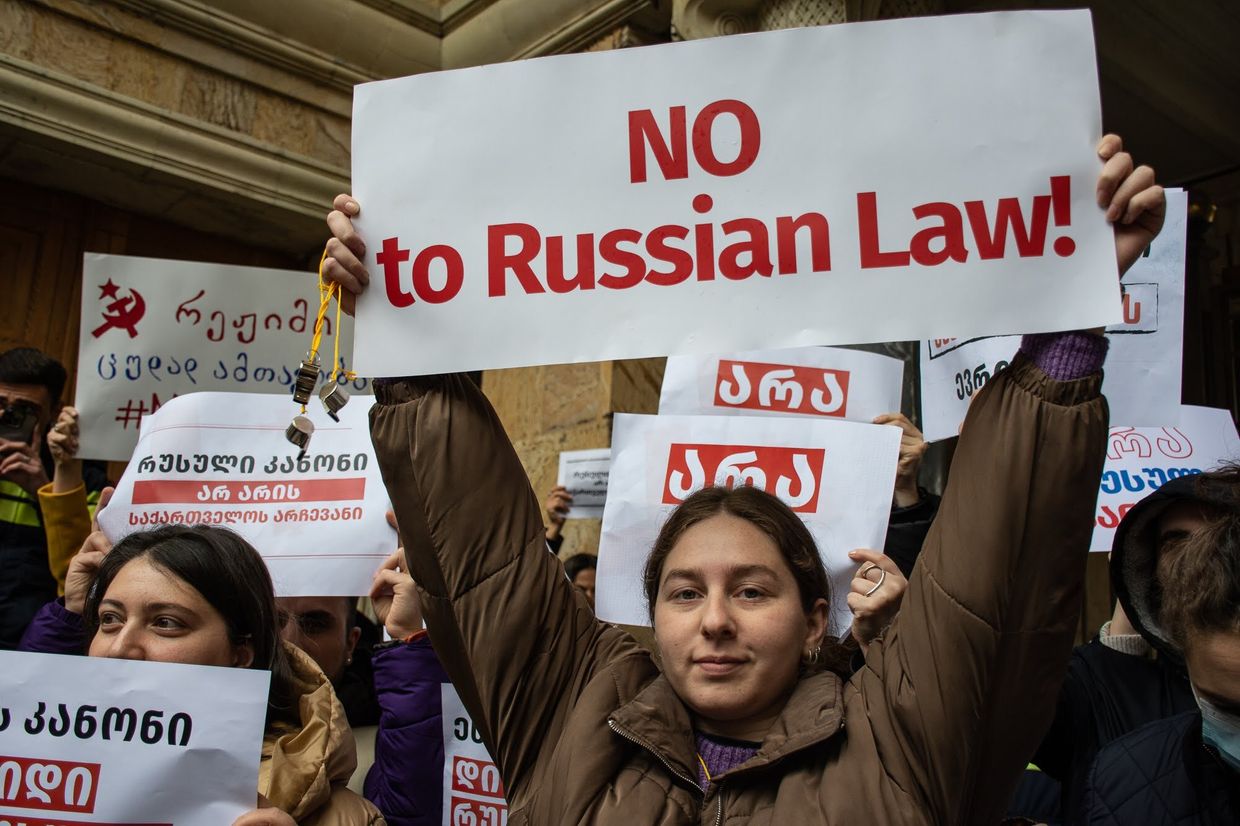
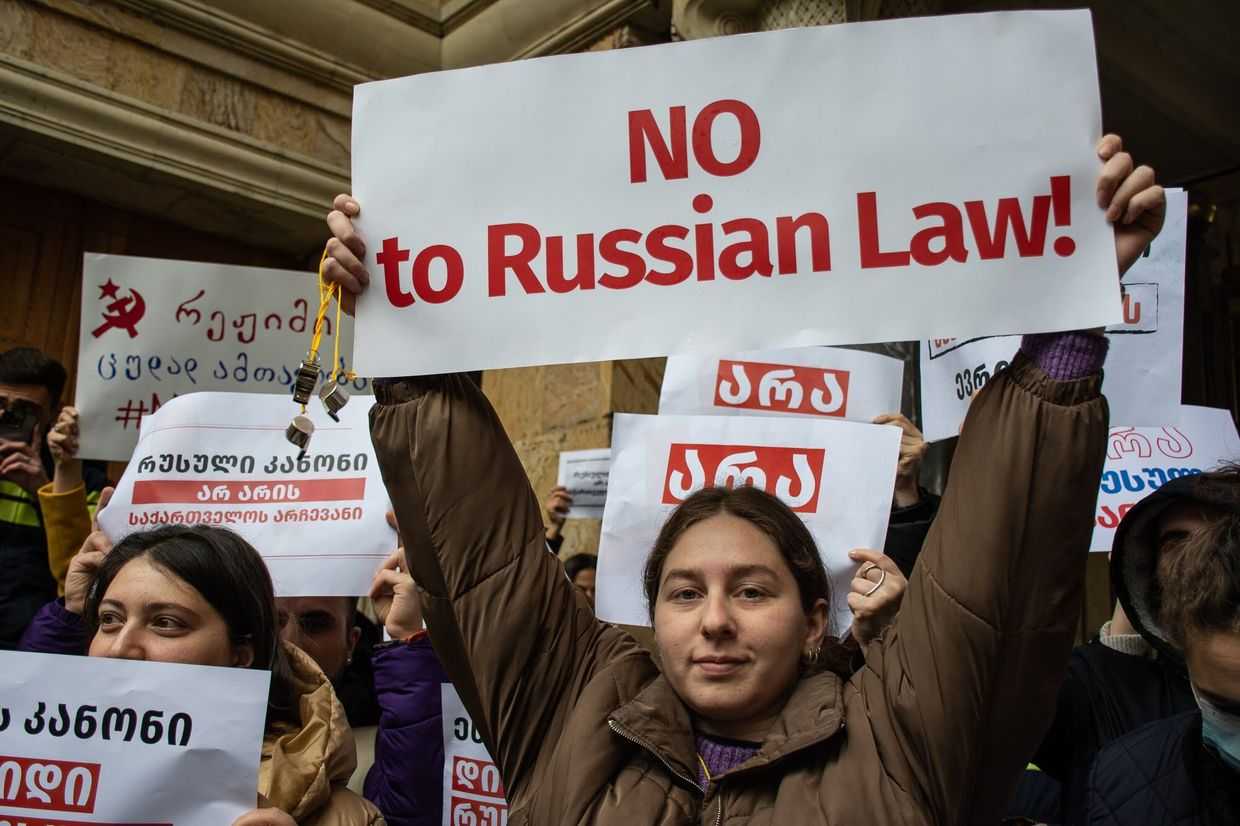
‘Authorities have gradually limited the freedom of expression and freedoms of assembly and association by introducing legislation targeting civil society, political opposition, independent media, and the LGBT+ community’, the author noted, emphasising that those freedoms were unduly limited by measures like ‘high fines and administrative detention, as well as by launching criminal proceedings against government critics’.
The report further highlighted the ruling party’s attempt to ban major opposition parties and an atmosphere of hostility toward independent actors, marked by physical attacks from unidentified groups and aggressive rhetoric from government-affiliated individuals.
The recommendations for the Georgian state were grouped into several priority areas.
For legislative reforms, the rapporteur urged the Georgian authorities to repeal or amend restrictive laws passed in the past two years, including the foreign agent law and grant-related amendments, the anti-queer law, and restrictions on broadcasters regarding foreign funding. The document also recommended narrowing the scope of high treason charges and repealing or easing administrative restrictions affecting the right to assembly.
‘In the course of reforming higher education, the autonomy of academic institutions should be respected’, the author added.
Aia Beraia
On the right to liberty and security, the report called for the ‘immediate and unconditional release’ of prisoners ‘held for political reasons’ — particularly opposition members — as well as journalists and others detained for ‘exercising their freedom of expression’.
Regarding the prohibition of torture and other ill-treatment, Grzebyk called on the Georgian authorities to immediately stop disproportionate use of force against peaceful protesters, journalists, and political opponents, investigate allegations of torture and ill-treatment, ensure detainees have decent prison conditions, and protect children from the impact of police operations.
Regarding elections in Georgia, the report called on the authorities to withdraw their legal lawsuit to ban several opposition parties, conduct independent investigations into alleged electoral violations, implement necessary electoral changes in line with previous OSCE recommendations, and ensure the timely invitation of external observers, particularly from the OSCE/ODIHR, for upcoming elections.
The OSCE/ODIHR mission did not observe the most recent elections in Georgia, the October 2025 local vote. Initially, the ruling party stated that their presence was not necessary for municipal elections. It later extended an invitation, but the organisation responded that the short notice made meaningful observation impossible.
Eduard Marikashvili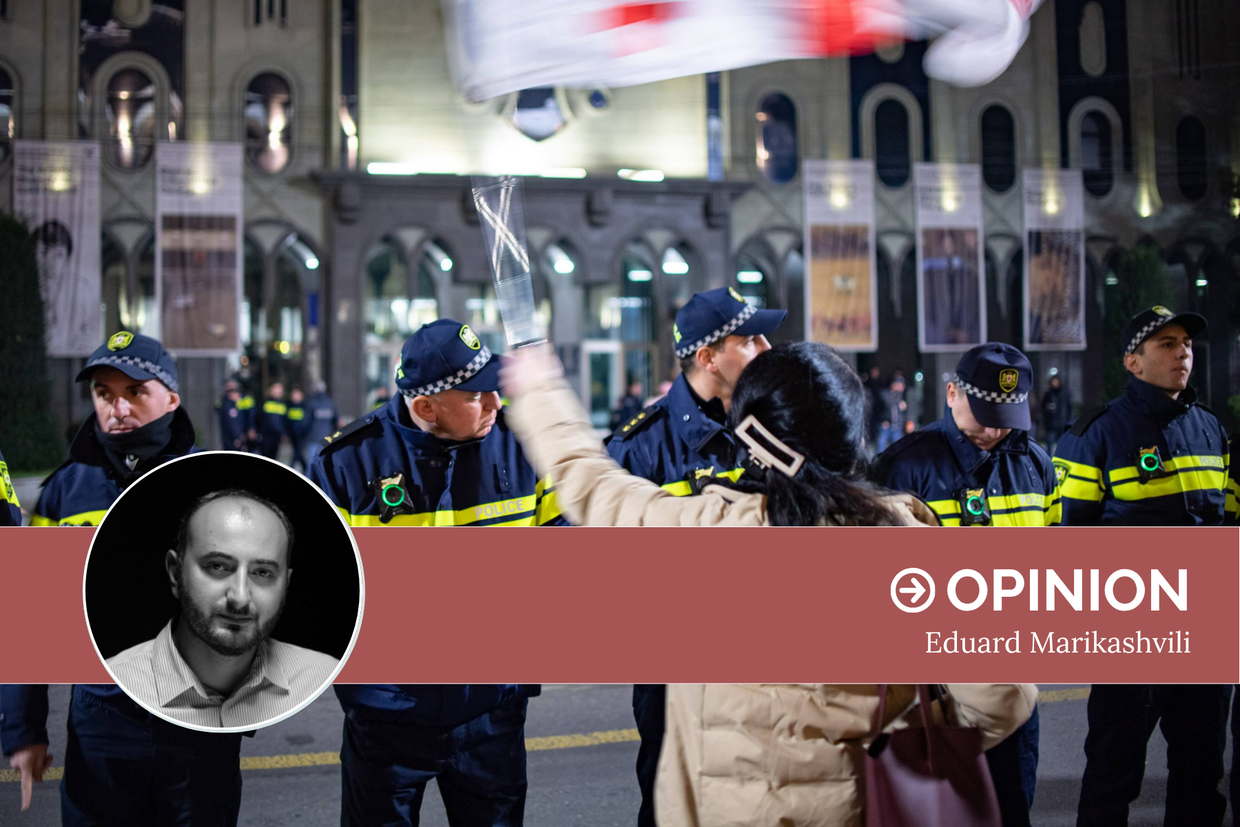
The report recommended ensuring fair trial standards, guaranteeing judicial independence, improving transparency of court proceedings, and reforming administrative offense procedures so that detention cannot rely solely on uncorroborated police testimony.
It also urged respect for spontaneous gatherings and protests, and called for an end to the targeting journalists covering protests, arbitrary arrests of peaceful demonstrators, and restrictions on foreign support for civil society and media outlets to ‘what is strictly necessary in order to safeguard national security and public order’.
Grzebyk also highlighted the right to privacy and accountability.
She called on the authorities to cooperate with the Venice Commission and other international bodies and to seriously consider their recommendations.
The Venice Commission has repeatedly criticised the ruling Georgian Dream party for its legislation.
Mikheil Gvadzabia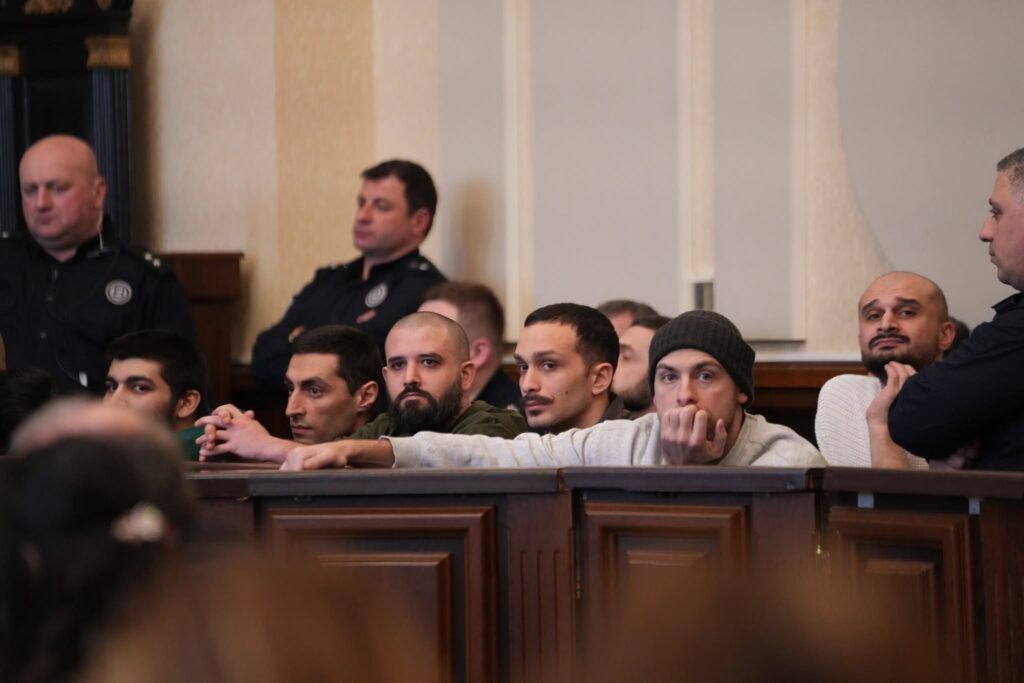
The Rome Statute and International Criminal Court (ICC)
The report also included seven recommendations addressed to OSCE members — in terms of supporting the implementation of the recommendations presented in the report, as well as in terms of considering the imposition of targeted sanctions against those responsible for the particularly serious violations described therein.
Another section brings together 18 recommendations addressed to the international community, covering a range of issues, such as support for documenting human rights violations in Georgia, as well as the protection of those who had to leave the country, including civil society members.
However, it was the 16th recommendation that drew particular attention in Georgia’s media and political circles.
The recommendation suggested that states party to the Rome Statute consider referring the situation in Georgia to the International Criminal Court (ICC). That includes cases of ‘political persecution, torture, and other inhumane acts’.
The Rome Statute is the treaty that established the ICC, defining and granting the court jurisdiction over genocide, crimes against humanity, war crimes, and the crime of aggression. Over 120 countries, including Georgia, are signatories to the treaty.
Among the ICC’s recent decisions was the arrest warrant issued in 2023 for Russian President Vladimir Putin, and the following year, a similar warrant for Israeli Prime Minister Benjamin Netanyahu on charges of war crimes. Most recently, on Thursday, the ICC’s prosecution announced the opening of an investigation into possible crimes committed by the Belarusian government, which led to the deportation of their opponents.
Grzebyk’s report also recommended that perpetrators of torture and inhumane treatment and their superiors be brought to justice in national courts, wherever possible, ‘including through invoking universal jurisdiction’.
OC Media
A mixed reception in Georgia
On the day the report was published, Thursday, 24 out of the 57 OSCE member states called on Georgia to implement the recommendations outlined in the report.
The list included Albania, Austria, Belgium, Canada, Czechia, Denmark, Estonia, Finland, Germany, Iceland, Ireland, Latvia, Liechtenstein, Lithuania, Luxembourg, Moldova, Montenegro, the Netherlands, Norway, Slovenia, Sweden, Ukraine, the UK, and Poland.
A statement by a coalition of nine Georgian opposition parties described the document as a ‘harsh verdict’ on Georgian Dream founder Bidzina Ivanishvili’s ‘Russian-aligned regime’.
The alliance also highlighted the activation of international criminal law instruments as being the most significant among the OSCE’s recommendations.
‘The regime has been judged internationally, the regime has been judged by the Georgian people, and it is now our responsibility, through social and political unity, to carry this verdict into effect, to remove Ivanishvili peacefully, and to reclaim our country’, the alliance stated.
Mikheil Gvadzabia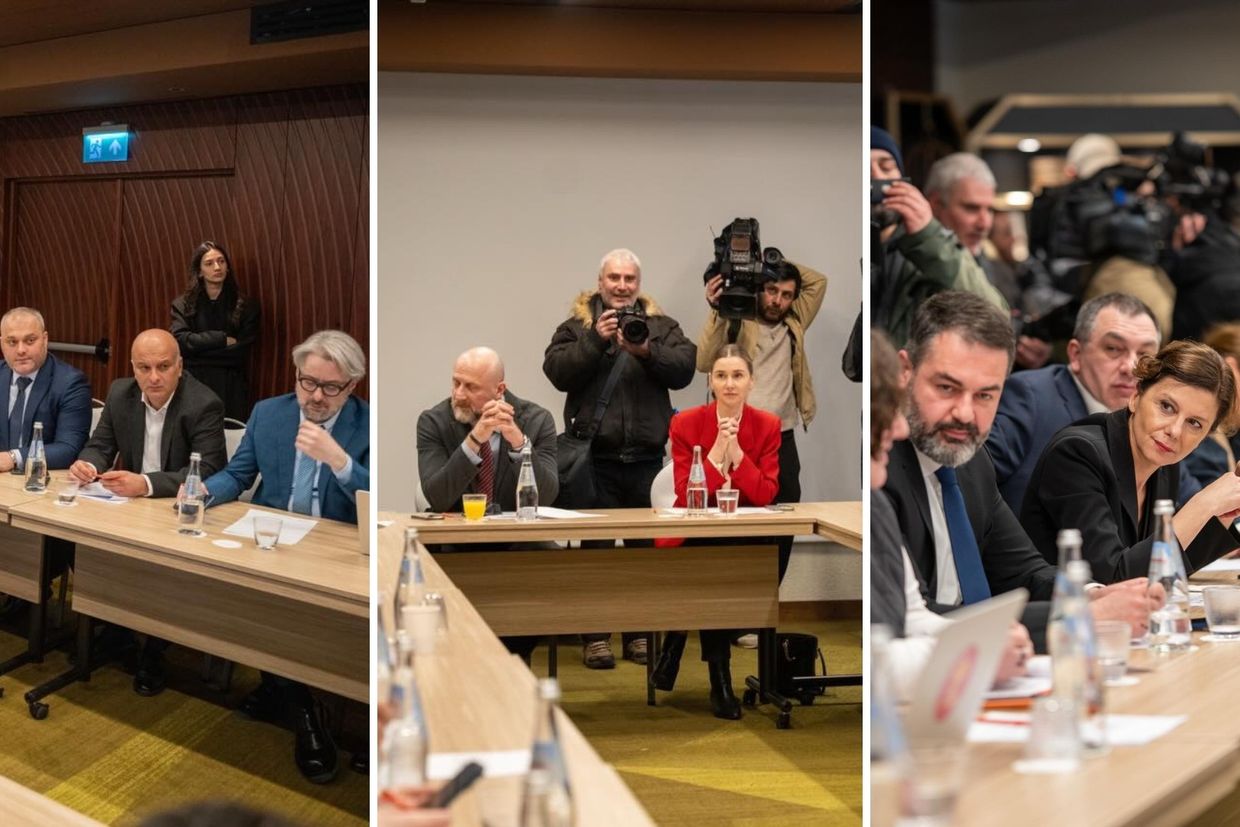
In turn, members of the ruling party dismissed the report. The government’s critical stance is reflected in the document itself, with a substantial section dedicated to the responses of various Georgian state institutions — including the government, its ministries, the Prosecutor General’s Office, and the Central Election Commission.
The chair of the Georgian Parliament’s Committee on European Integration Levan Makhashvili stated on Friday that the report would remain a ‘hollow document’.
‘We provided all the information at our disposal as openly and transparently as possible; unfortunately, we still heard these incomprehensible allegations’, he added, noting that ‘the information supplied by the state was not used at all’ and ‘reliability of this conclusion from our perspective is under question’.
Georgia’s representative at the OSCE, Alexander Maisuradze, stated that the report contains recommendations that exceed the mandate of the Moscow Mechanism, including ‘calls for other international organisations and states to take action against Georgia’.
He added that ‘the selective presentation of information and the timing of its publication point to a tendency to politicise the conclusions’, noting also that ‘the report overlooks Georgia’s long-standing achievements’ across various areas.
The reaction was even more severe from the pro-government political group United Neutral Georgia, which not only condemned the report but also called on Georgia to withdraw from international treaties and organisations.
‘[The report] once again makes it clear that international agreements and unions have become a complete farce. The fact is that the values once declared by these organisations no longer exist’, the group stated.
Mikheil Gvadzabia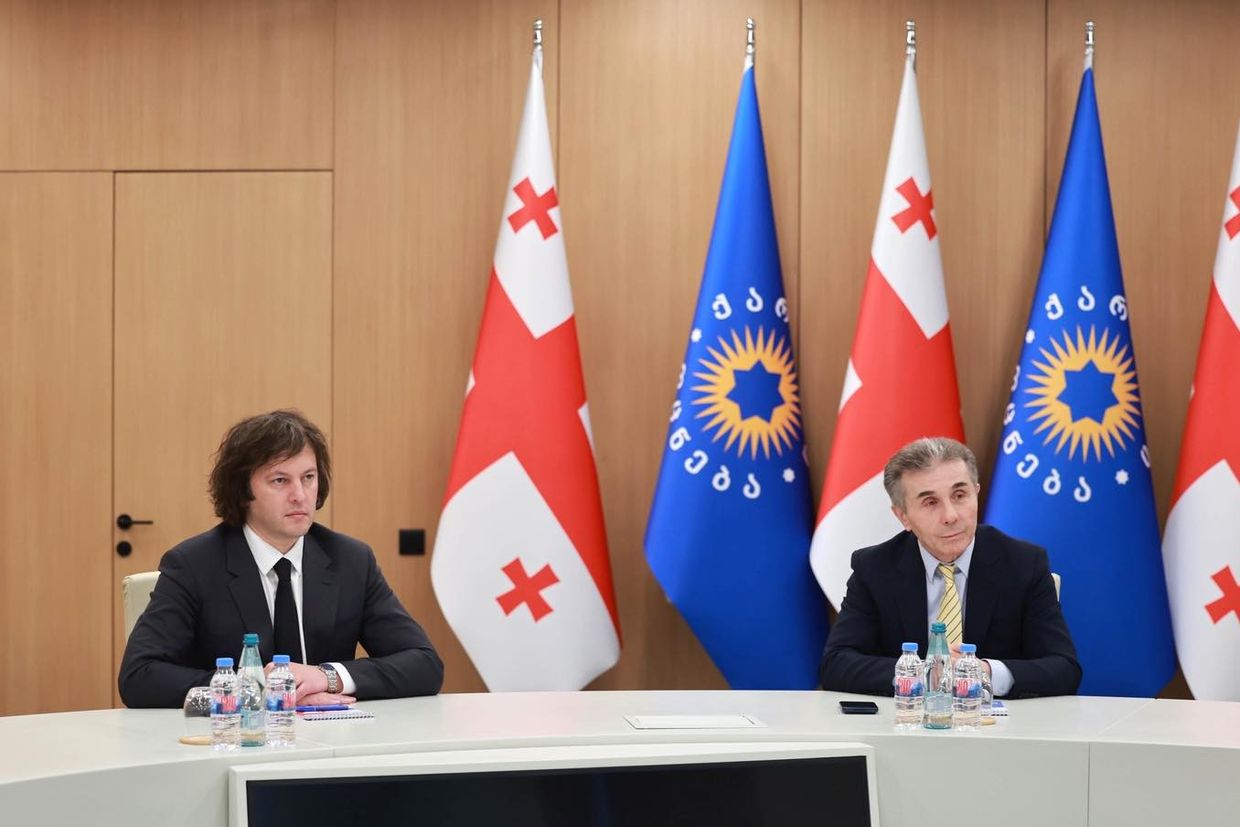
While criticising the report, the ruling party and its affiliates, including pro-government media, particularly emphasised the recommendation to repeal the 2024 anti-queer law, which the authorities tout as a tool to ‘protect family values’.
‘Apparently, from a European standards perspective, Georgian statehood will only be complete when we recognise at the legislative level that the traditional family is a relic of the Middle Ages and a form of regression’, wrote Data Gvasalia, an anchor from of the pro-government TV channel POSTV, on social media.
International criticism of the authorities in Georgia have grown in recent years in response to the ruling party’s tightened policies toward dissent.
Against this backdrop, Georgia’s relations have sharply deteriorated with its long-time international partners, including the EU.
Mikheil Gvadzabia