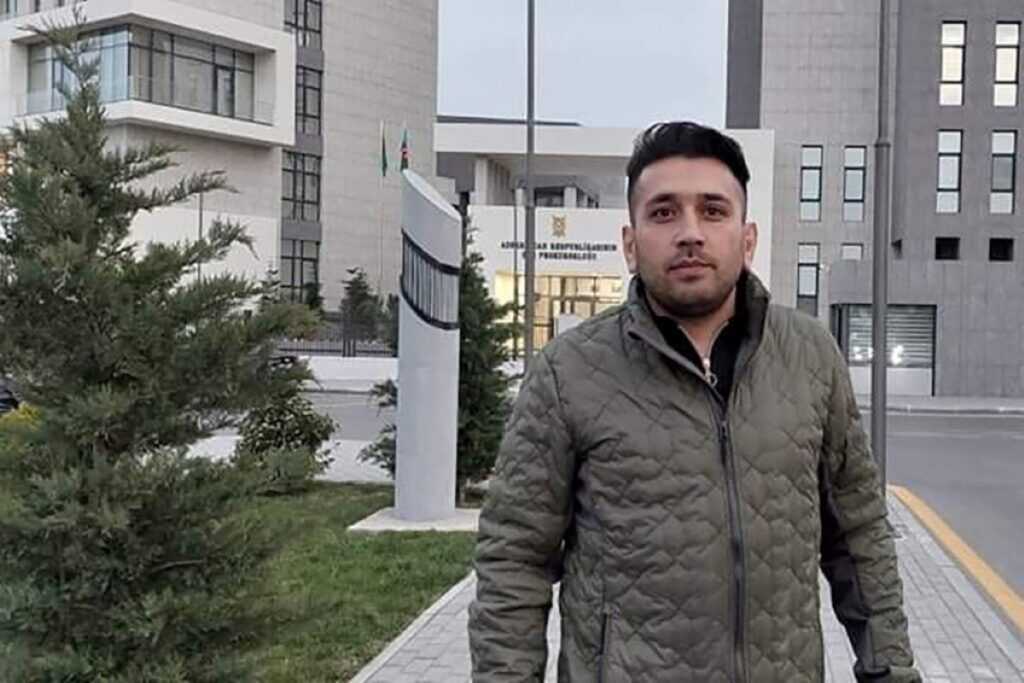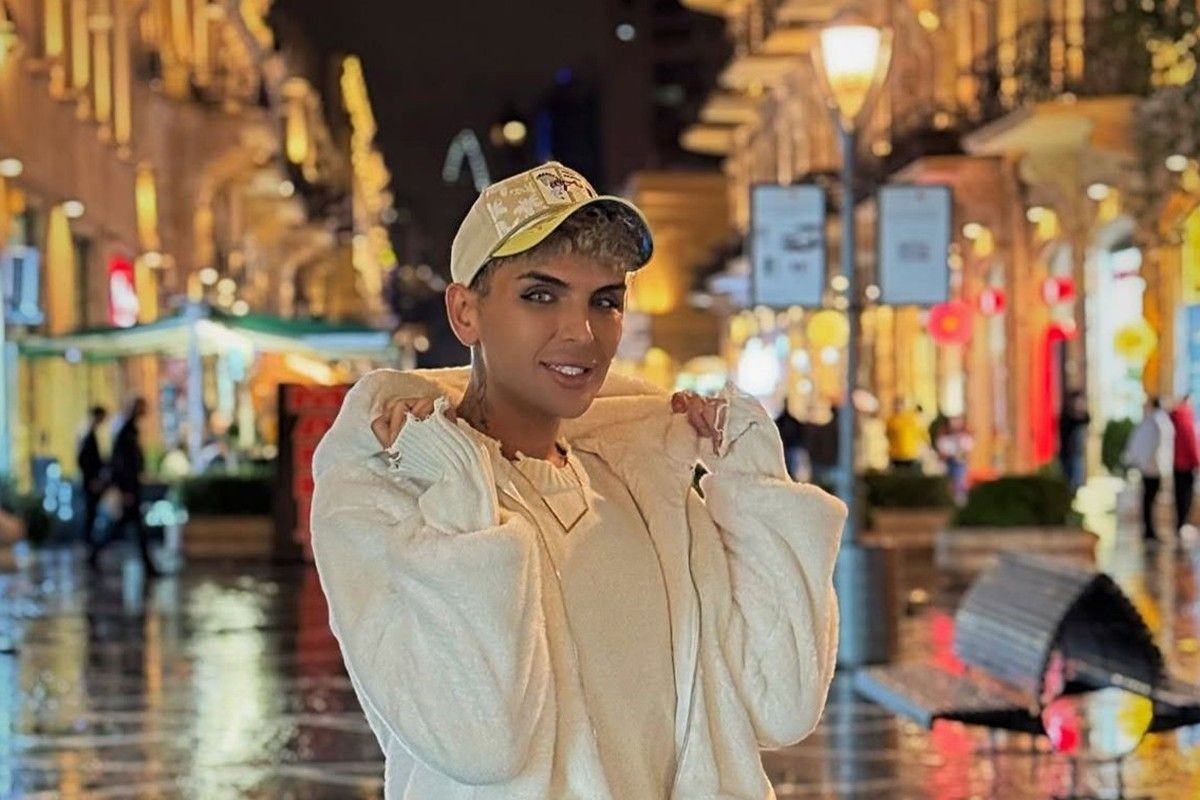
Queer TikToker Salman Mammadov, who runs the social media page Velizarofficial, has been detained for ‘promoting immorality’. The detention comes following recently amended legislation that conceives of ‘immoral’ posts as falling under the category of petty hooliganism.
According to pro-government media outlet Qafqazinfo, Mammadov was charged on Monday for ‘posting of information prohibited for distribution on internet information resources or information and telecommunications networks’.
Qafqazinfo wrote that Mammadov had ‘around 80,000 people join their live broadcasts’ on TikTok.
Later, news of Mammadov’s arrest spread on social media, with some people expressing regret, noting that Mammadov had been helping sick people and children.
The arrest of Mammadov occurred shortly after amendments were made to the information law, which was officially adopted on 26 January.
According to the law, a person who openly shows disrespect for society, insults public morality and national values, or uses unethical language is subject to legal liability.
Mammadov’s arrest has sparked discussion on social media, with queer activist Ali Malikov arguing that there was nothing illegal about Mammadov’s social media activity.
‘I would like to ask, whose morality is this — public morality? On what grounds does a person's statement contradict public morality or anyone else's morality? What did [Mammadov] do that would be considered immoral?’
‘Immoral activity is when people turn to influencers and TikTokers for help because they have failed to obtain the necessary rights from government agencies’, Malikov added.
On Tuesday, the pro-government Press Council stated that ‘profanity, insults, immoral behavior and hate speech’ were being widely shared during live streams and posts on TikTok and YouTube.
‘Such situations contribute to the growth of aggression in society and seriously damage national and moral values’, the council noted, without explaining what ‘moral values’ meant.
The Press Council claimed that such behaviour is ‘inconsistent with ethical standards and the very essence of freedom of expression’.
However, independent experts have argued that the recent changes in legislation will lead to increased total control over society, citing arrests like Mammadov’s as precedent.