Russia applies ‘stricter requirements’ for Armenian goods following tense Pashinyan–Putin talks

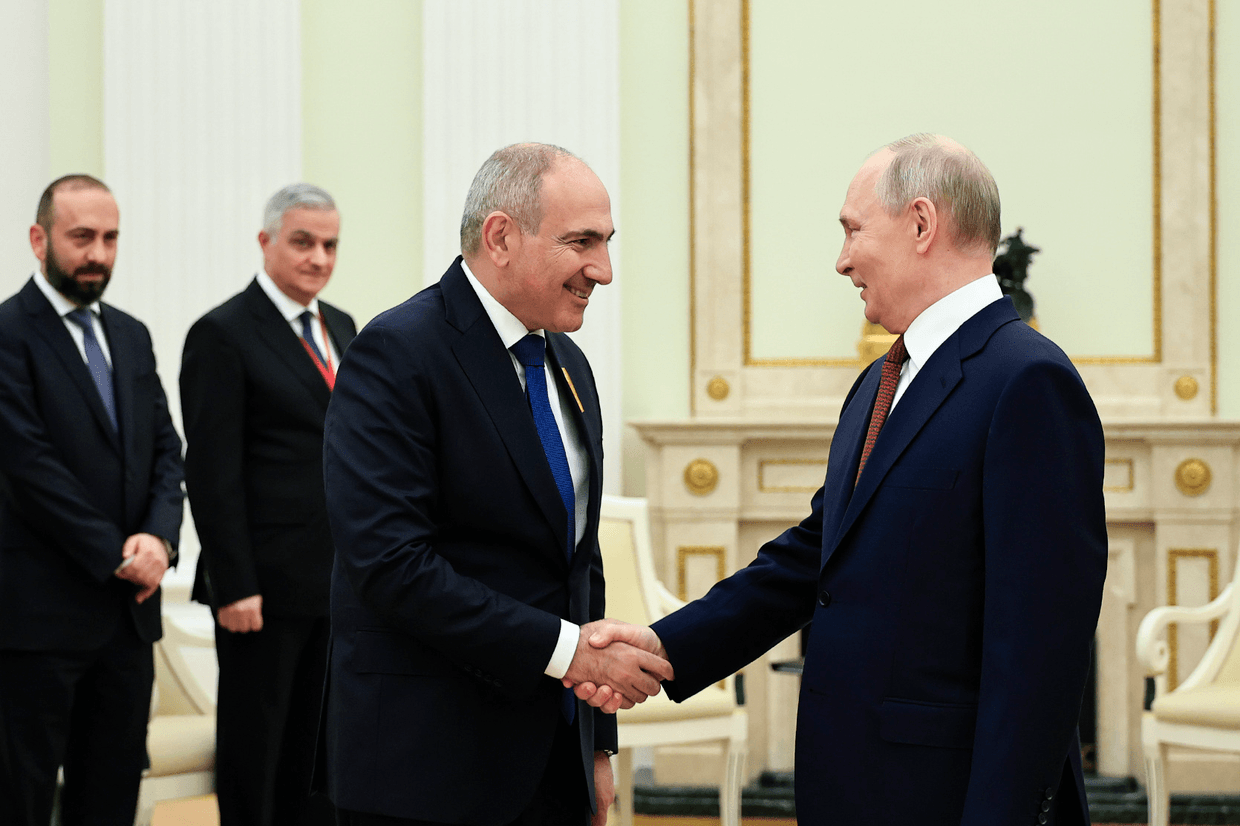
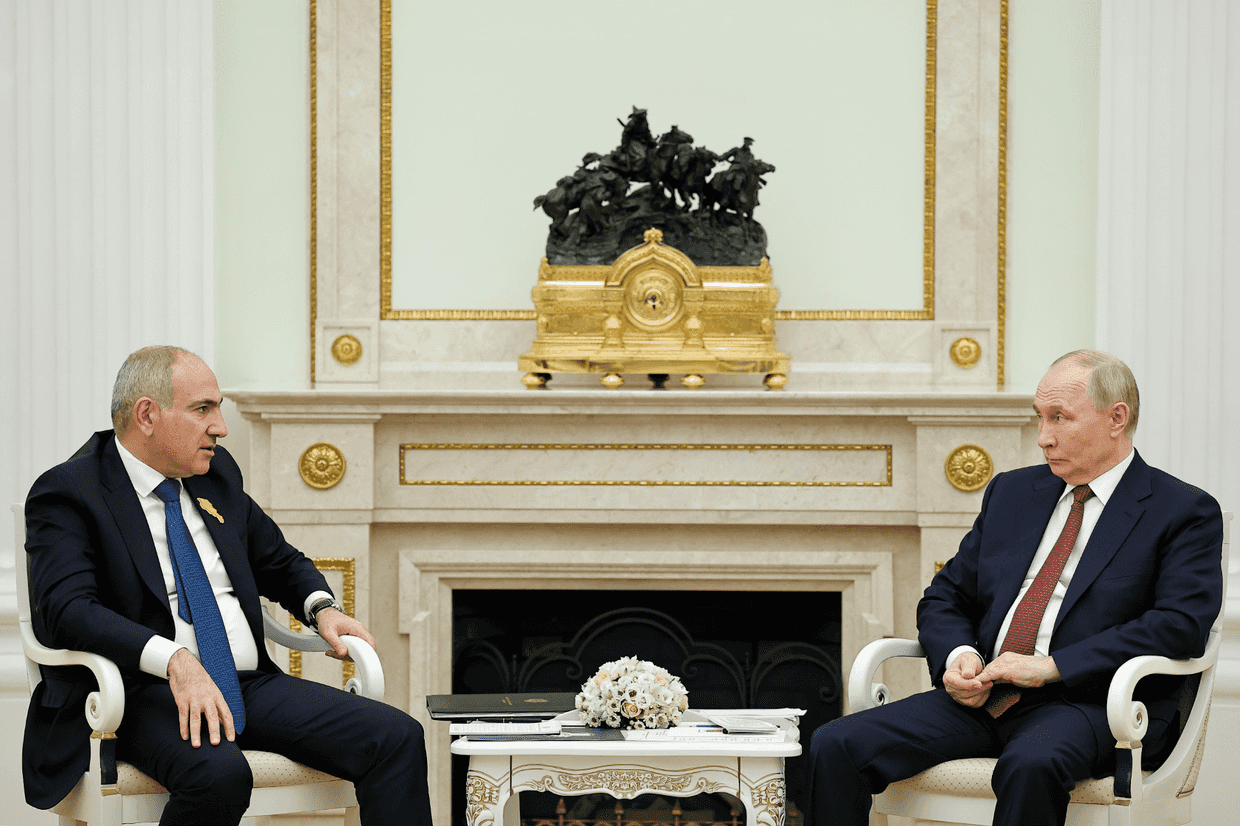
Russia has announced ‘stricter requirements’ on the import of Armenian products, a measure that came a day after Armenian Prime Minister Nikol Pashinyan had a tense meeting with Russian President Vladimir Putin in Moscow on Wednesday.
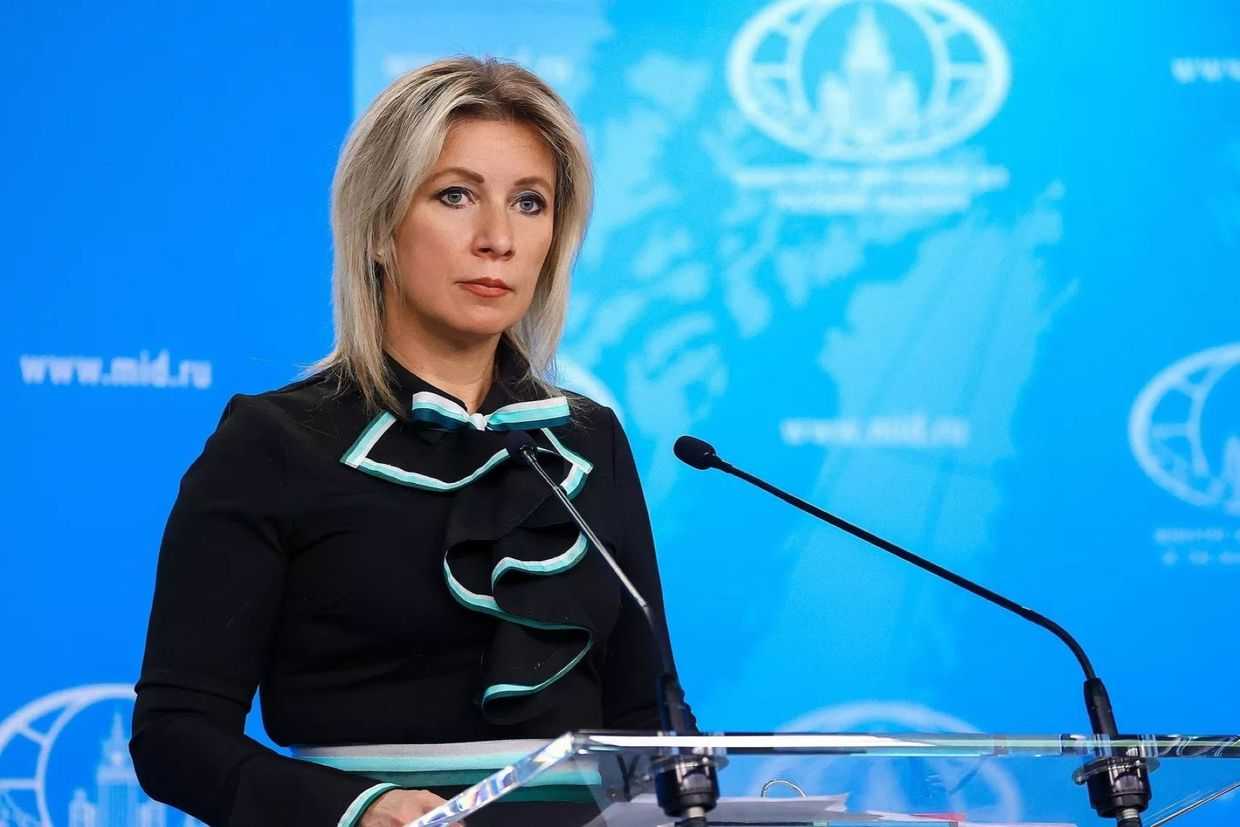
‘The range and the quantity of products that are being delivered give us grounds to believe that not all of the products entering [Russia] are from Armenia’, Sergei Dankvert, head of the Russian Federal Service for Veterinary and Phytosanitary Supervision, told Vesti.
Highlighting the difference between EU and Eurasian Economic Union (EAEU) procedures, Dankvert said that Armenia allows ‘simplified access’ to EU goods within its market, which ‘does not comply with the requirements’ of the EAEU.
He said that the Russian side has ‘addressed this issue’ over the past several years after observing an ‘illogical increase’ of supplies of some products from Armenia.
Noting that there is a ‘simplified access procedures to EAEU countries’, Dankvert said in his interview on Thursday that Armenia’s export of flowers increased ‘from 36 million to over 100 million in three years’.
‘During inspections we saw that these products are accompanied only by consignment notes, that is, movements approved by the European Commission’, which ‘forced [Russia] to take measures’.
‘In terms of livestock products, we've seen shipments of untraceable products, such as butter, cheese, and trout. The trout must be Armenian, from mountain rivers or aquaculture, but it shouldn't be in any way similar to Norwegian trout’, Russian state-run media TASS quoted Dankvert as saying.
He claimed these findings had led Russia to start applying stricter requirements on Armenia.
 Arshaluys Barseghyan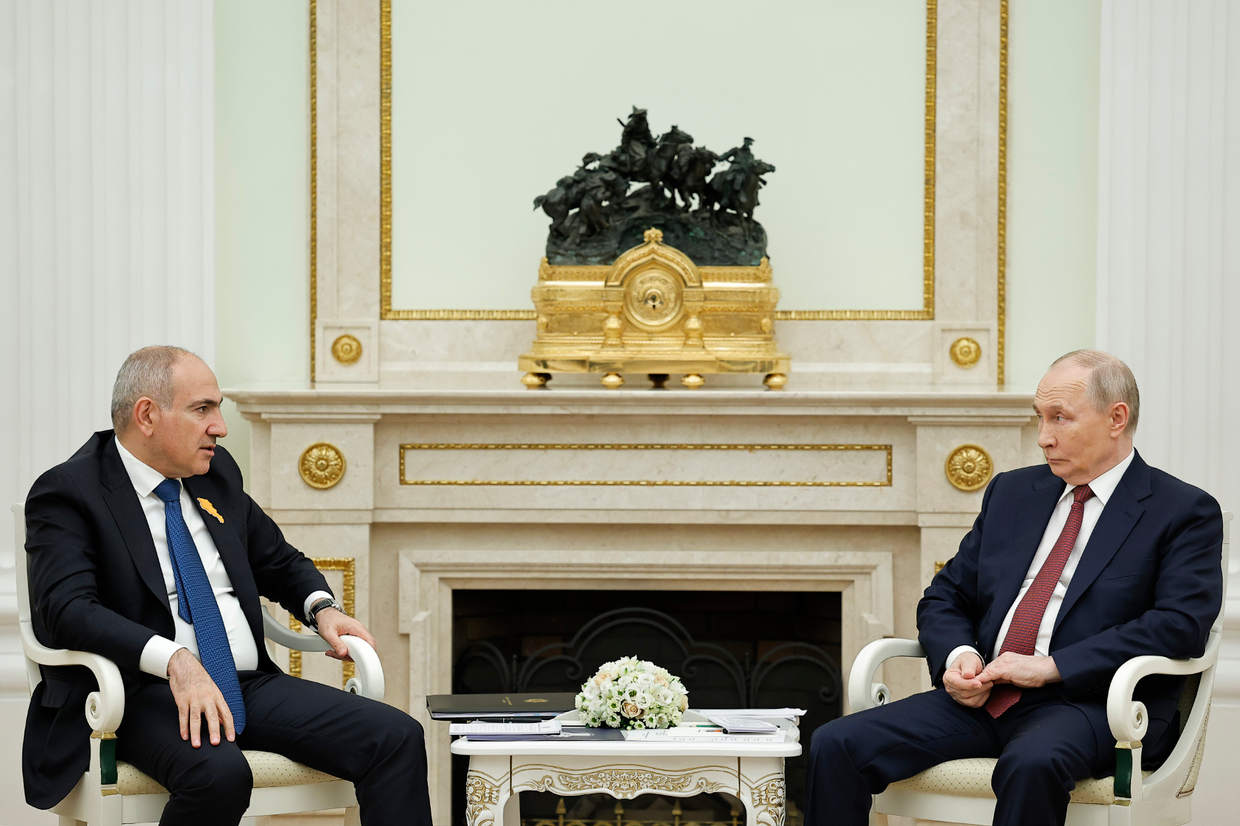
Armenian authorities have yet to respond to these latest accusations.
However in 2025, in response to a similar set of allegations, the spokesperson for the Armenian Food Safety Inspection Body, Anush Harutyunyan, told Armenpress that ‘the volume of flowers imported into Armenia is not large enough to allow for re-export’.
Following this, the parties also introduced joint online video surveillance at greenhouse farms of Armenian flower producers to decide whether to issue export licenses to Russia.
The Russian announcement came a day after Putin stated that Russia views the developing relations between Armenia and the EU with ‘complete calm’. At the same time, Putin underscored the impossibility of being in a customs union with the EU and the EAEU.
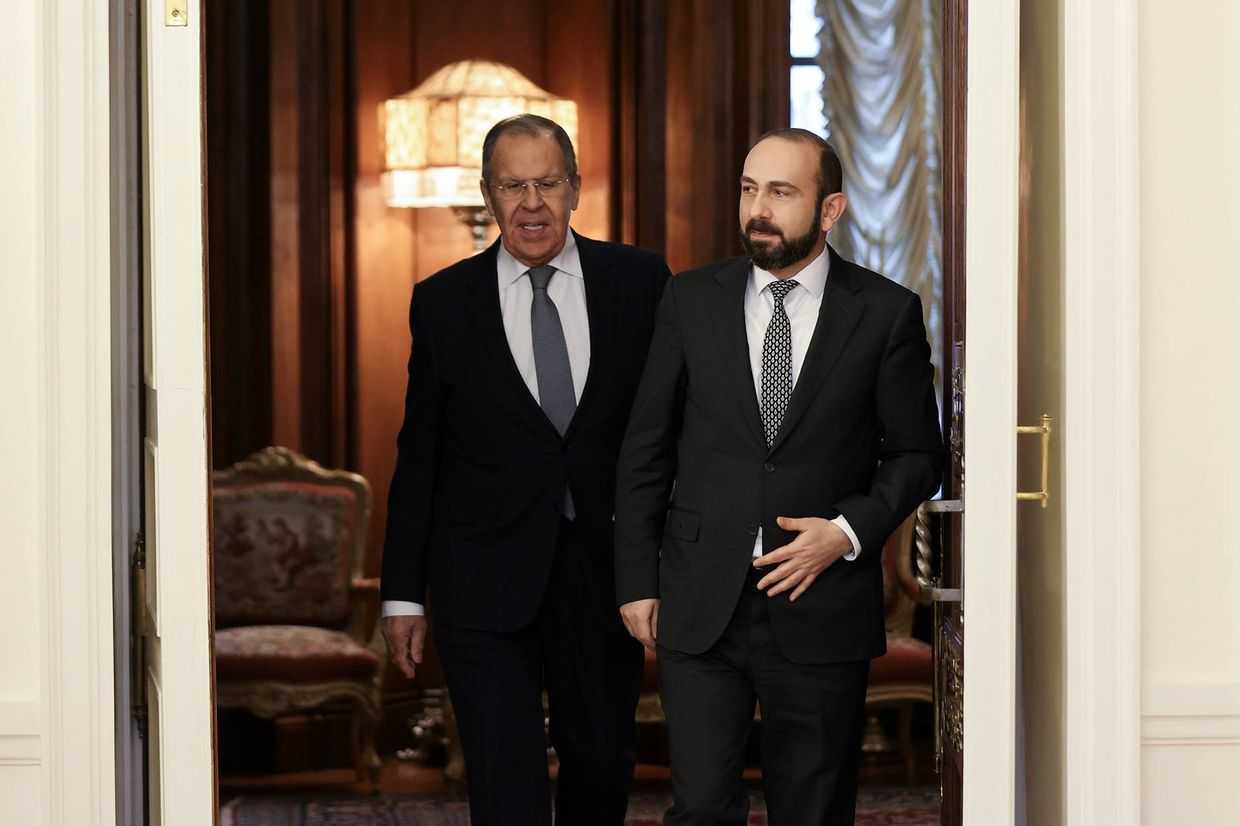
Following the meeting, Russian Deputy Prime Minister Aleksei Overchuk accused Armenia of coming ‘very close to the point where we will have to restructure our economic relations with this country’.
Russia has previously been accused of using food-health standards as a way to exert economic pressure on countries, including Armenia, with several similar incidents taking place throughout 2024.
That year, sanctions were imposed on Armenian mineral water producer Jermuk, and Russia revealed violations in the supply of red caviar, fruits, and vegetables, and decided to temporarily limit their supply.
In 2023, Russia banned the import of Armenian-produced dairy products, deeming them unsafe for Russian consumers. The decision came shortly after Russia criticised Armenia’s ratification of the International Criminal Court’s Rome Statute, under which Russian President Vladimir Putin is wanted.
Arshaluys Barseghyan