Russia will finance a project to extend its soft power projection abroad, with a particular focus on Armenia, through a grant from the presidential administration, sources told the Russian media outlet RBC. Reportedly, the budget for the project will be around ₽13 billion ($165 million).
The efforts will be headed by the First Deputy Chief of Staff of the Russian Presidential Administration, Sergei Kiriyenko.
In May 2025, the Russian daily Vedomosti reported that Kiriyenko would be ‘tasked’ to advance Russian interests in Armenia ‘through soft power’ ahead of the 2026 parliamentary elections.
Kiriyenko, together with employees of departments under his command, ‘have begun to work on the topic of Armenia’, which primarily ‘means work in the interests of the president, because it will ensure the fulfilment of state tasks’, Vedomosti cited its sources as saying.
The outlet further noted at the time that ‘informational rather than electoral work will be carried out’, and that Kiriyenko’s agenda was already underway.
‘The [Armenian] leadership is increasingly drifting towards the West, which is unacceptable from the point of view of Russian state policy’, one source told Vedemosti.
RBC’s reporting fleshed out some more details on the project, and provided further evidence of the importance that Armenia’s geopolitical orientation holds for the Kremlin.
While a source said that the project will extend across the nine countries of the Commonwealth of Independent States (CIS) as well as Africa and other regions, the primary focus for 2026 will be Armenia.
Beyond the funding from the presidential administration, sources told RBC that the government expects other organisations, such as Russia’s Federal Agency for International Humanitarian Cooperation (Rossotrudnichestvo) and the media outlet RT, to also contribute in other ways.
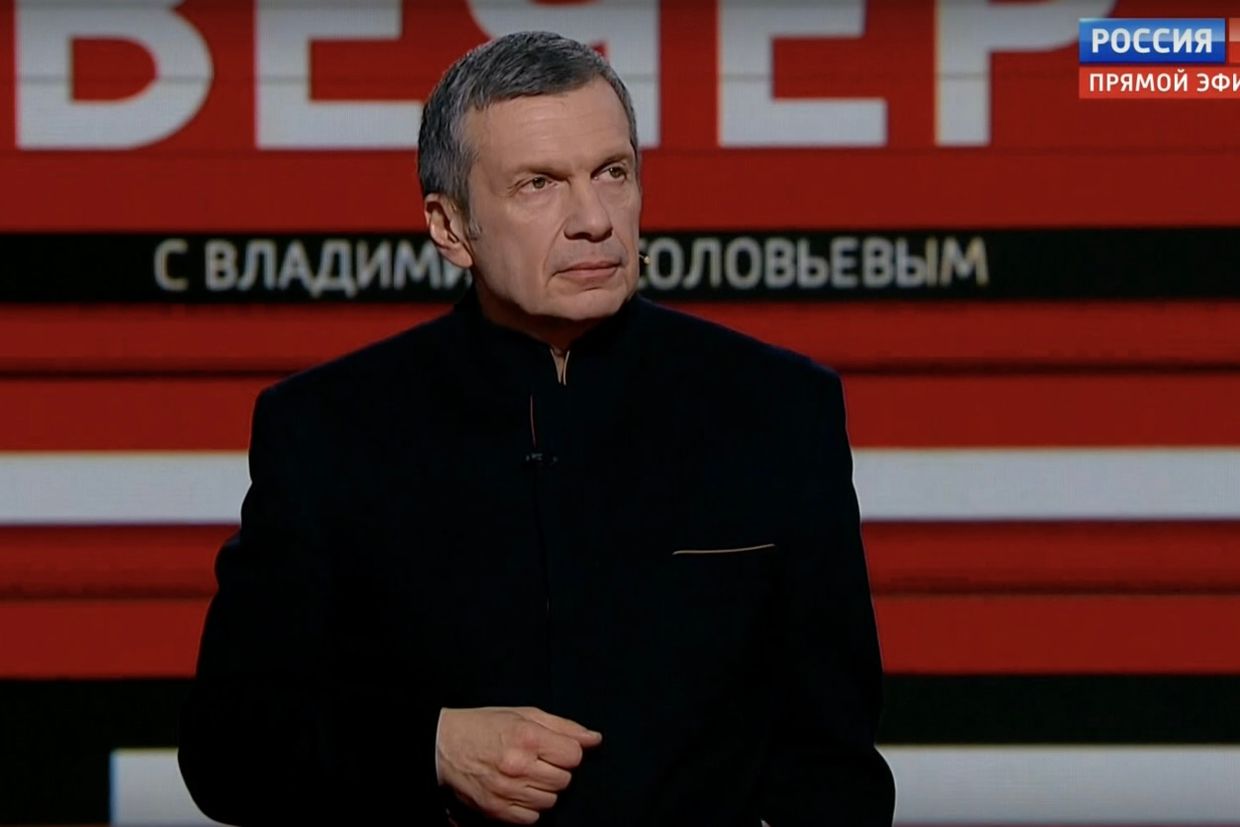
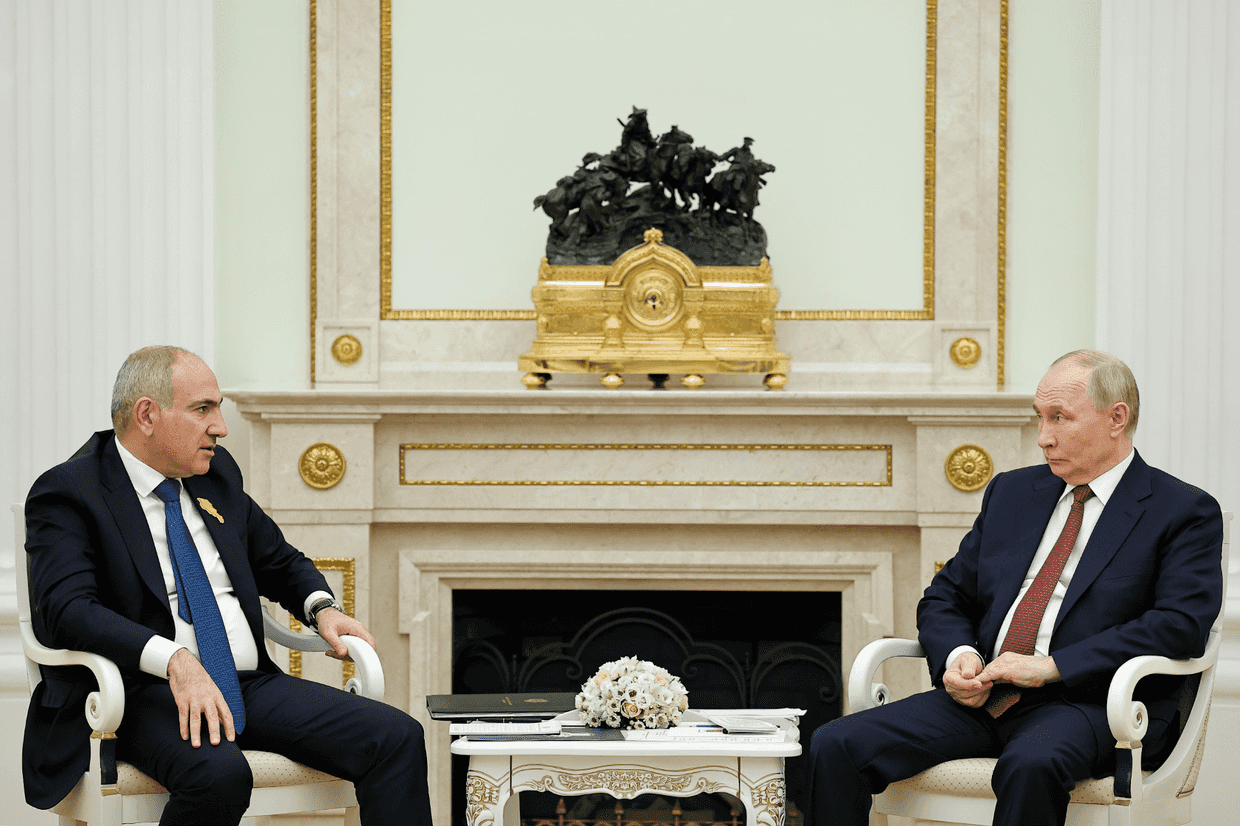
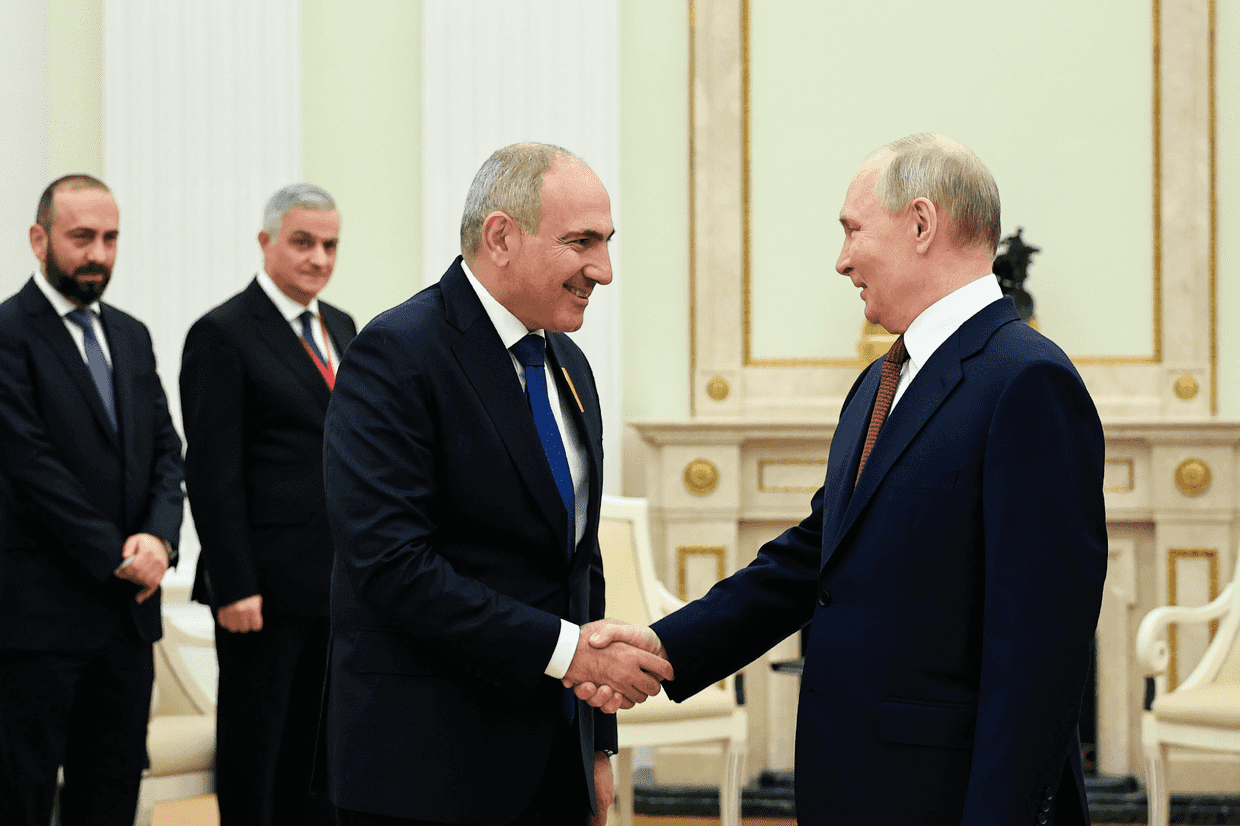
One of the tasks in Armenia will likely be to organise opposition to Prime Minister Nikol Pashinyan ahead of the elections scheduled for later this year. While Pashinyan has maintained relations with Russia, visiting the country several times over 2025, influential Russian pundits have harshly criticised him and have made no secret that they would like to see a change in Armenia’s government and pro-Western orientation.
In recent months, Armenian and international fact-checkers have observed an increase in disinformation targeting Armenia, coming from Russian or Kremlin-linked actors, as well as Turkish and Azerbaijani sources.
The freefall of bilateral ties between Armenia and Russia largely began following the lack of support from Russia and the Moscow-led Collective Security Treaty Organisation (CSTO) during the Azerbaijani attacks on Armenia in 2021 and 2022. Another major reason was the ‘inaction’ of Russian peacekeepers in Nagorno-Karabakh, when Azerbaijan placed the region in a nine-month blockade and forced it to surrender in a culminating lightning offensive in September 2023.
 Nate Ostiller