Ukrainian national sentenced to 20 years in prison for allegedly planning bombing in Nalchik

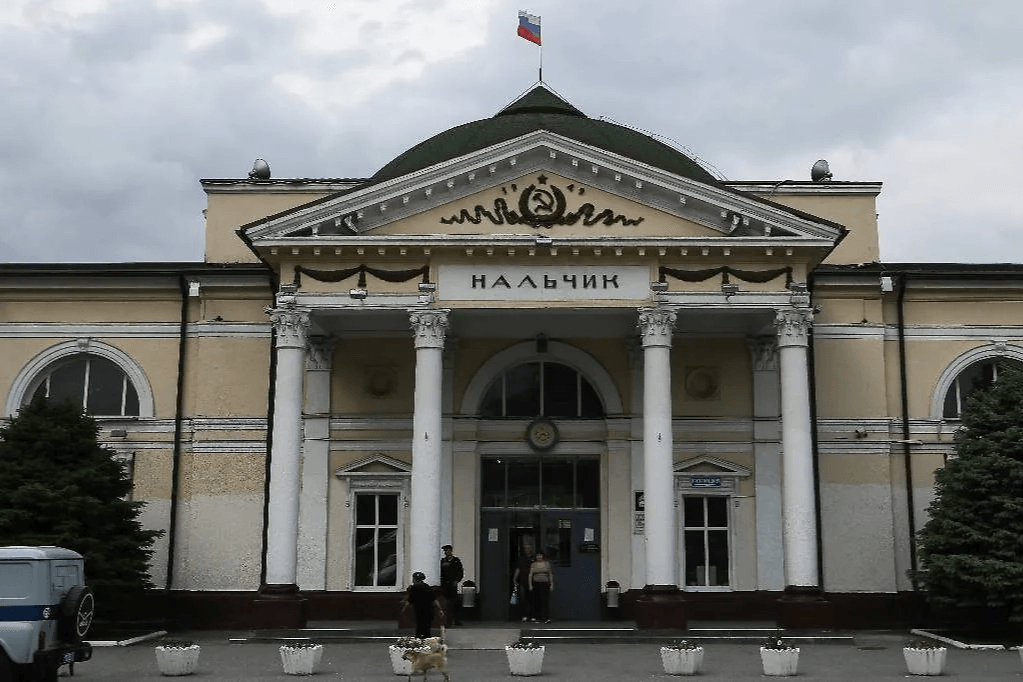
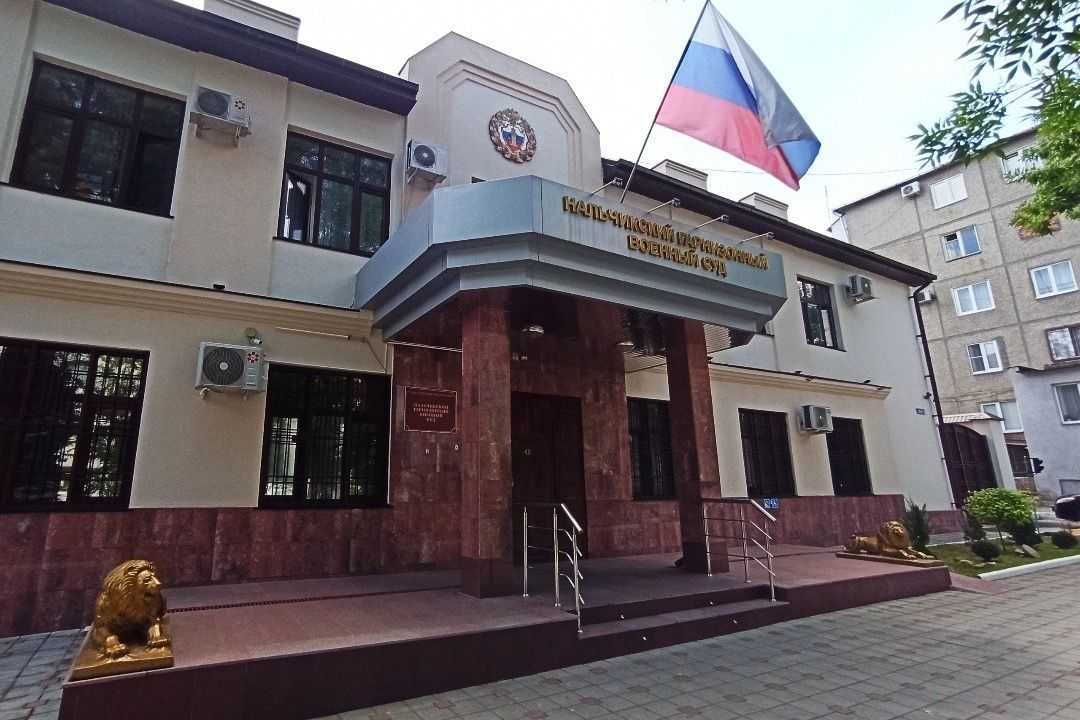
The Southern District Military Court in Rostov-on-Don has sentenced Ukrainian-born Vitalii Hayvoronskyi to 20 years in a high-security penal colony for allegedly preparing a bomb attack at the Nalchik railway station on behalf of the Security Service of Ukraine (SBU).
According to the case files, law enforcement uncovered Hayvoronskyi’s activities in December 2023, after he made contact with unknown individuals who, according to investigators, represented the interests of the SBU. He reportedly regularly reported to an alleged ‘handler’ on the completion of assigned tasks.
That month, Hayvoronskyi reportedly retrieved an industrial explosive device from a cache and acquired components necessary to manufacture explosive material. He assembled the explosives himself and reported the results to his alleged handler. He did not attempt to detonate the device or carry out an attack, as he was apprehended by law enforcement on 13 December 2023.
Hayvoronskyi’s case was submitted to the court in September 2024, meaning the trial lasted nearly a year and a half before the sentence was handed down.
The court found Hayvoronskyi guilty of multiple offences, including treason, preparation of a terrorist act, and illegal acquisition and manufacture of explosives and explosive devices. He was sentenced to 20 years in a high-security penal colony, with the first five years to be served in strict-regime prison. In addition, he was ordered to pay a fine of ₽250,000 ($3,200).
Hayvoronskyi, 44, is a native of Irmino in the Luhansk region of Ukraine, occupied by Russia since 2014. The application of the treason charge indicates that he had acquired Russian citizenship, as this article applies only to Russian citizens.
Previously, in June 2024, the Nalchik City Court found local resident Aleksandr Mozhaev guilty of failing to report a crime. The court ruling stated that Mozhaev learned from an acquaintance about intentions to support Ukraine and plans to carry out a terrorist attack but did not inform law enforcement. In the Mozhaev ruling, this acquaintance was referred to by the initials H. V. V., which correspond to Hayvoronskyi’s initials.