Armenia and the US have published a document outlining the framework for the establishment of the TRIPP Development Company, which would manage and oversee the Trump Route (TRIPP). According to the document, the US would hold a 74% stake in the company, with the remaining 26% going to Armenia.
The framework was the first document to be made public providing details about the route that would connect Azerbaijan to its exclave Nakhchivan through Armenian territory.
Armenia and Azerbaijan had agreed to establish the route with US mediation in Washington in August 2025.
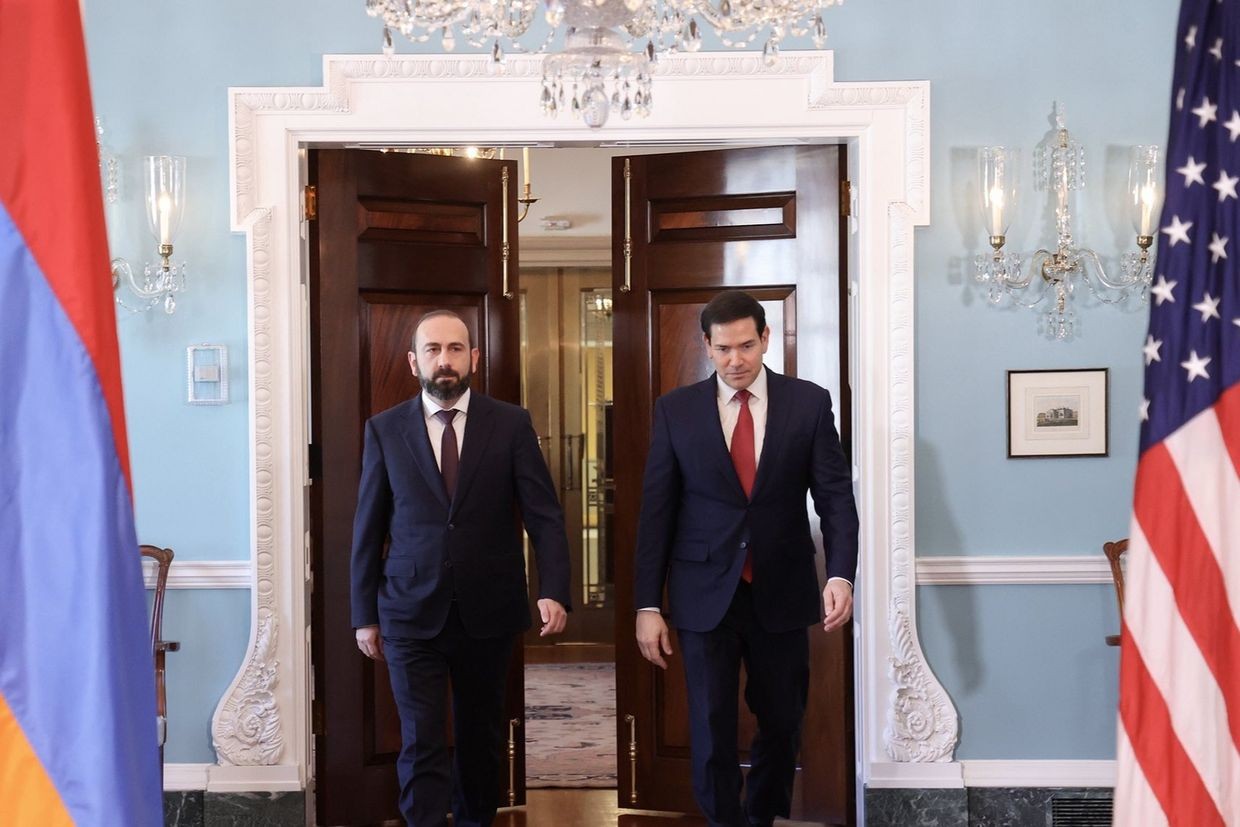
Armenia and the US published the document on Wednesday, a day after Armenian Foreign Minister Ararat Mirzoyan and US Secretary of State Marco Rubio met in Washington.
The document clarifies the goals of the Trump Route, as well as its expected benefits. It also details the conditions for its success, including the ‘further institutionalisation of peace’ between Armenia and Azerbaijan, as well as progress towards the full normalisation of relations between Turkey and Armenia.
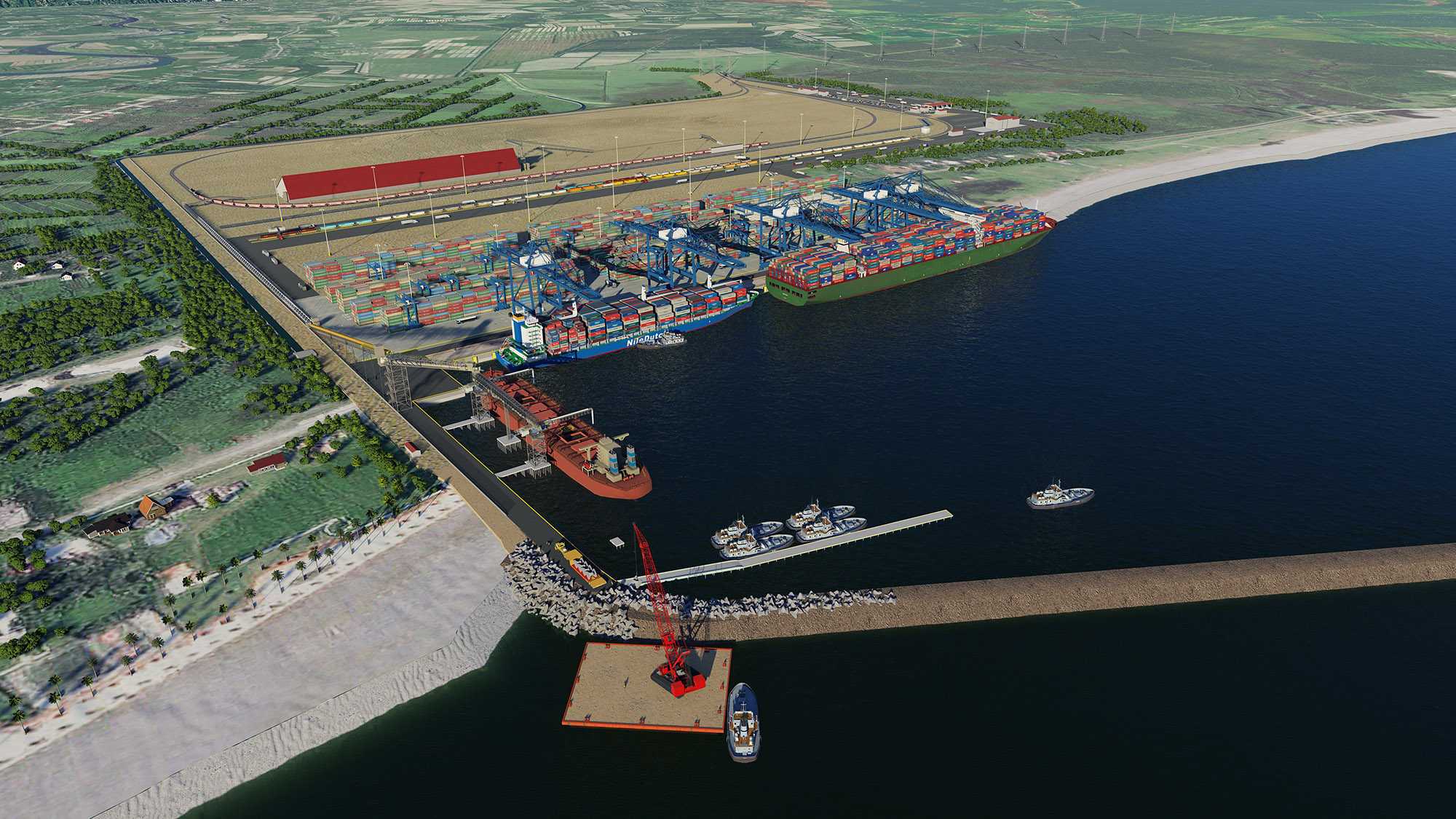
The exact location of the route has yet to be disclosed; however, it is intended to be built in southern Armenia, specifically in the Meghri area of the Syunik region, adjacent to Iran.
The document did, however, provide details of the TRIPP Development Company, which would develop the route, stating that the US would get a ‘controlling stake’ in the company with Armenian oversight. Additionally, the company would be granted ‘the right to development for an initial term of 49 years’. During this period, the US will get a 74% share of the company, with the remaining 26% going to Armenia.
According to the document, Armenia is expected to extend the company’s control over the route for another 50 years, during which its shares will grow to 49%.
Changes in the company would require ‘prior consent’ from the Armenian and US governments.
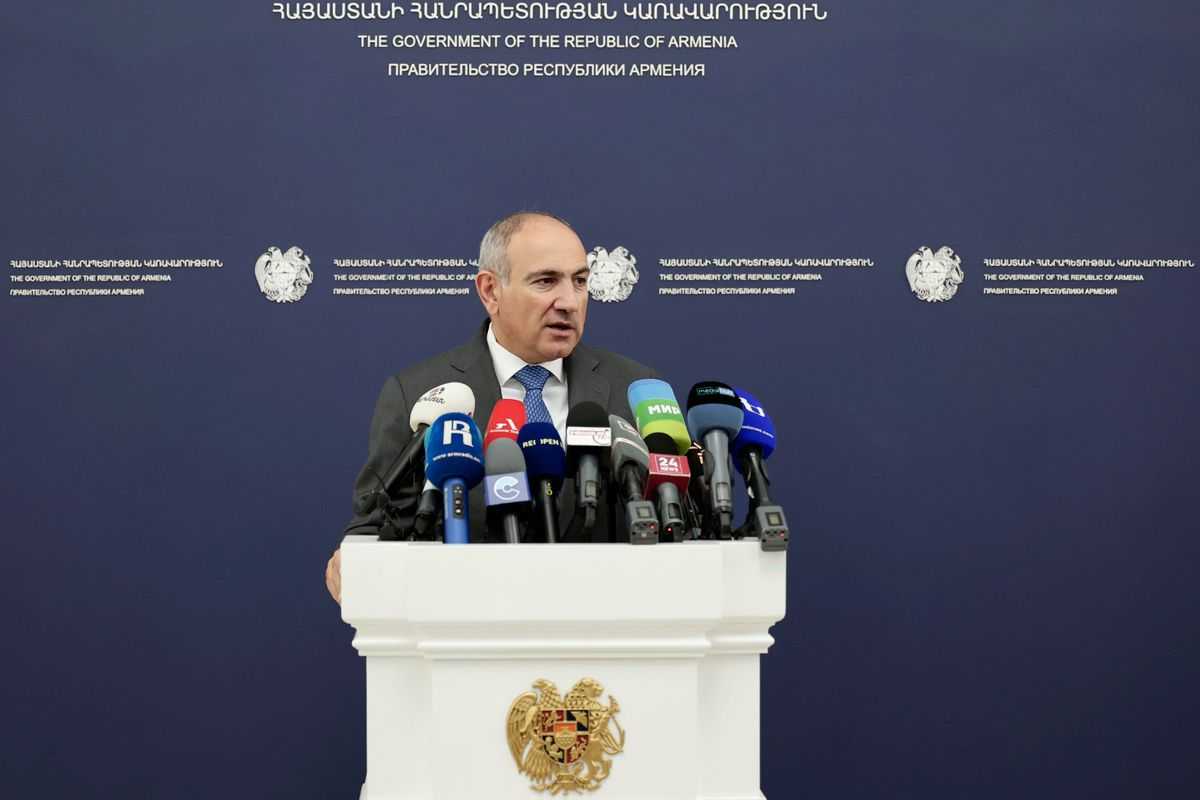
In a Wednesday press briefing, Mirzoyan assessed the share distribution as ‘very fair’, considering that the US ‘will make large-scale investments, while the main contribution from Armenia will be [granting] the development right’.
Mirzoyan elaborated that they did not discuss the involvement of Turkey or Russia in the project.
‘In TRIPP itself — no, but other activities, connections, and cooperation related to TRIPP can also be established for the Russian Federation’, Mirzoyan said, according to state-run media outlet Armenpress.
A ‘front office — back office’ model
The document repeatedly stresses that Armenia would retain ‘legislative, regulatory, and judicial authority’ over all Trump Route areas, ‘control over national security and law enforcement’, as well as authority over border control, taxes, customs duties, and more.
This would be achieved through what the framework refers to as a ‘front office — back office’ operating model.
The front office, which seems to be intended to process entry into Armenia from Azerbaijan, would be manned by ‘private operators’ contracted by the TRIPP Development Company. Their duties include document collection, fee collection, and payment processing.
According to the document, front office operators ‘facilitate; they do not decide’. Instead, all decisions regarding security screening and enforcement, immigration control, permits and authorisations, and inspection and examination would be carried out by Armenian authorities.
This system appears to be a compromise created to meet Azerbaijani President Ilham Aliyev’s demand that Azerbaijani nationals not ‘see the face’ of Armenian border guards.
The document anticipated ‘no outsourcing of sovereign functions’, including security. At the same time, it noted that ‘private operational security personnel may be employed subject to Armenian licensing’.
As for data security, all government data systems would remain under Armenian sovereign control, and data sharing with foreign authorities ‘requires appropriate legal frameworks’.
 Nate Ostiller