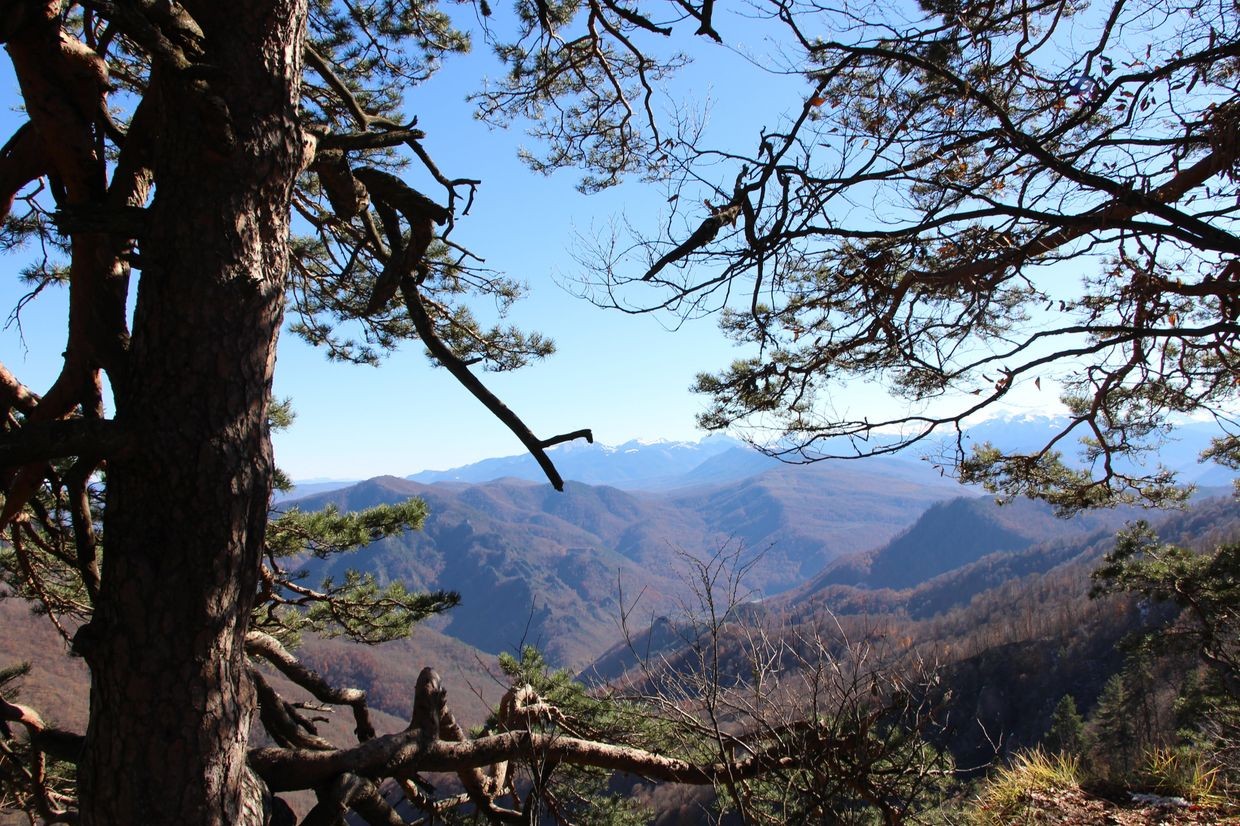
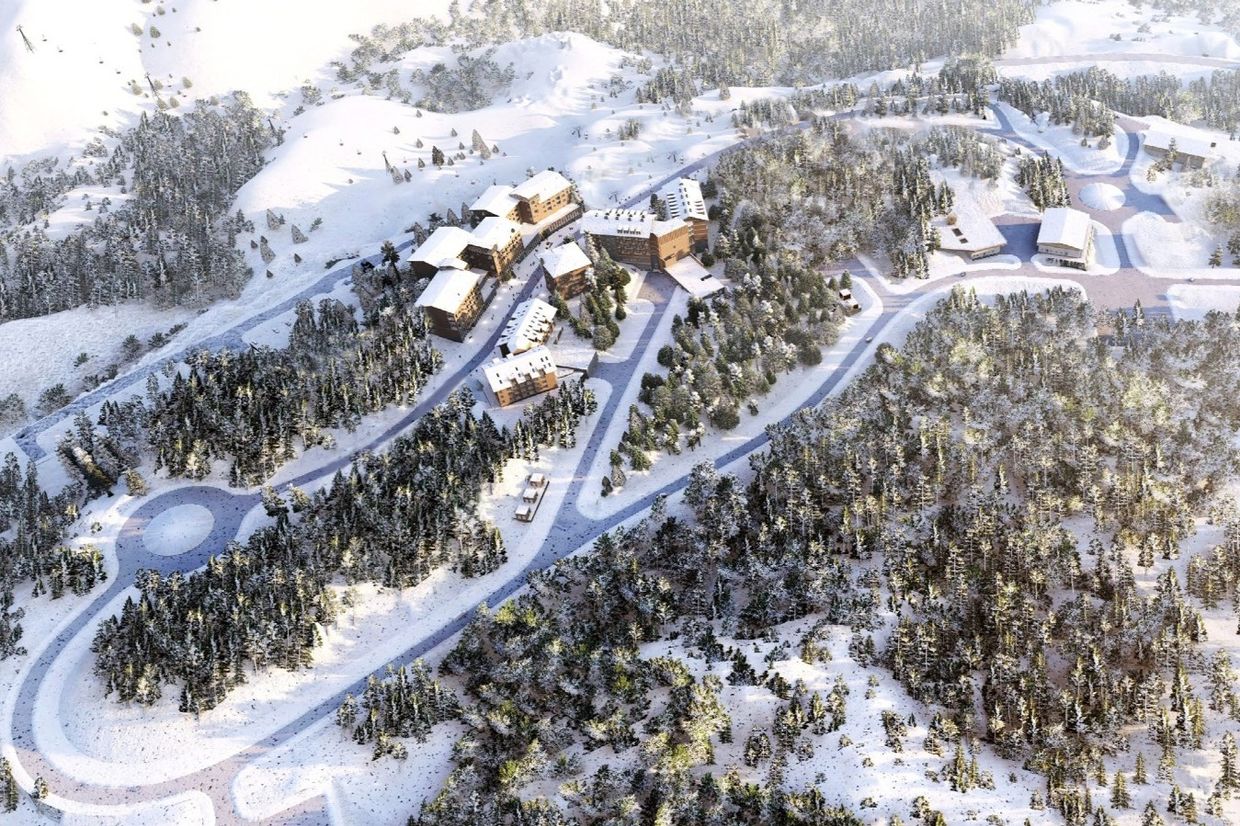
Adygea’s Supreme Court has rejected a lawsuit by environmental activists seeking to stop plans to cut nearly 10,000 trees to allow for the construction of the Lago-Naki ski resort near the Caucasus Nature Reserve, a UNESCO World Heritage Site.
The court rejected the Social and Environmental Union’s lawsuit against the Republican Committee on Architecture and Urban Planning on 19 February.
The union of activists originally raised their concerns about the situation in August 2024, when they first noted that trees were being cut down, with water pipes being installed in their place.
According to project documentation dated November 2025, up to 9,950 trees were slated to be removed.
The plots where the resort is set to be built had previously been removed from the forest fund and transferred from federal ownership to the Dakhovskoye rural settlement, which was, according to the petitioners, in breach of forestry legislation.
According to media outlet Caucasian Knot, an activist from the group wrote that the Supreme Court Judge Nazyrbiy Bajokov justified the ruling by saying, ‘that if everything was agreed upon there, at the very top, Deputy Prime Minister Chernyshenko approved the national project, then it is possible to build. And also that if the protection zone of the reserve allows you to chop and build, then there is nothing illegal in the actions of officials and businesspeople.
Plans for the Lago-Naki ski resort date back to March 2021, when Russian Prime Minister Mikhail Mishustin signed a decree allowing construction and economic activity in the biosphere. The decree covered more than 17,000 hectares in Adygea’s Maykop district, and authorities announced plans to develop a ski resort in that area. The resort was presented as a major tourism development project on the border of the Krasnodar region and Adygea, with official investments estimates reaching upwards of ₽60 billion ($780 million).
The project immediately sparked criticism from eco-activists, despite reassurances from Adygea Head Murat Kumpilov that they would not build on lands belonging to the reserve.
The project was also criticised by UNESCO, World Wildlife Fund, and Greenpeace.
The Caucasus National Reserve, the largest and oldest especially protected natural area in the Caucasus, was listed as a UNESCO World Heritage Site in 1999. It is recognised for its exceptional biodiversity and for preserving one of the last large, relatively undisturbed mountain ecosystems in Europe. It is also home to the European bison, which was introduced to the area following the extinction of the Caucasian wisent.
In early February, Russian President Vladimir Putin met with the chair of the board of the Mantera Group and former head of the Krasnodar region, Aleksander Tkachev. The Mantera Group is one of the main investors in the ski resort project and also owns shares in the Krasnaya Polyana ski resort.
During the meeting, Tkachev presented plans to build a road to connect the ski resort to resorts on the Black Sea coast, creating a single, unified ‘megaproject’. The road would connect Lago-Naki to Krasnaya Polyana through a 50-kilometre tunnel, slashing travel time from 10 hours to one. Tkachev did not explain how such infrastructure could be built through or alongside one of the biggest protected areas in the Caucasus.
The Lago-Naki resort is scheduled to open in 2028, with full completion planned by 2032.
 Gunef Yedic