Armenia moves to nationalise Karapetyan’s Electric Networks by declaring it a ‘public priority’

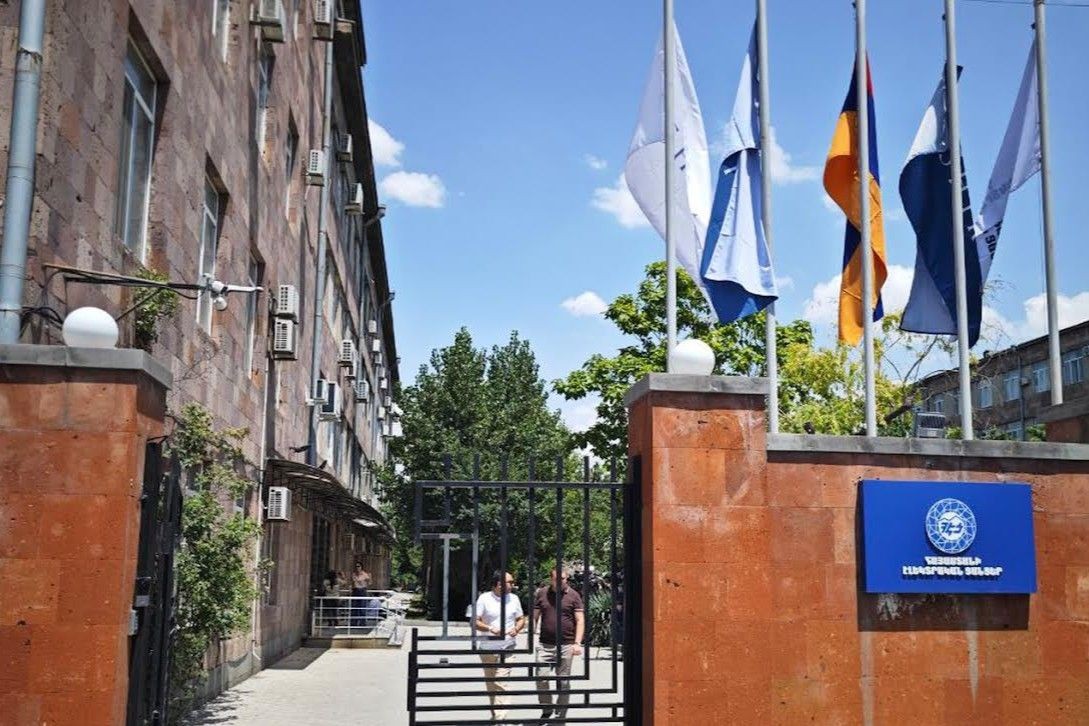
After fruitless negotiations over the shares of Armenian Electric Networks (ENA), the country’s main power grid operator, the Armenian authorities have announced the start of the next stage of their takeover of the company from detained Armenian–Russian billionaire Samvel Karapetyan.
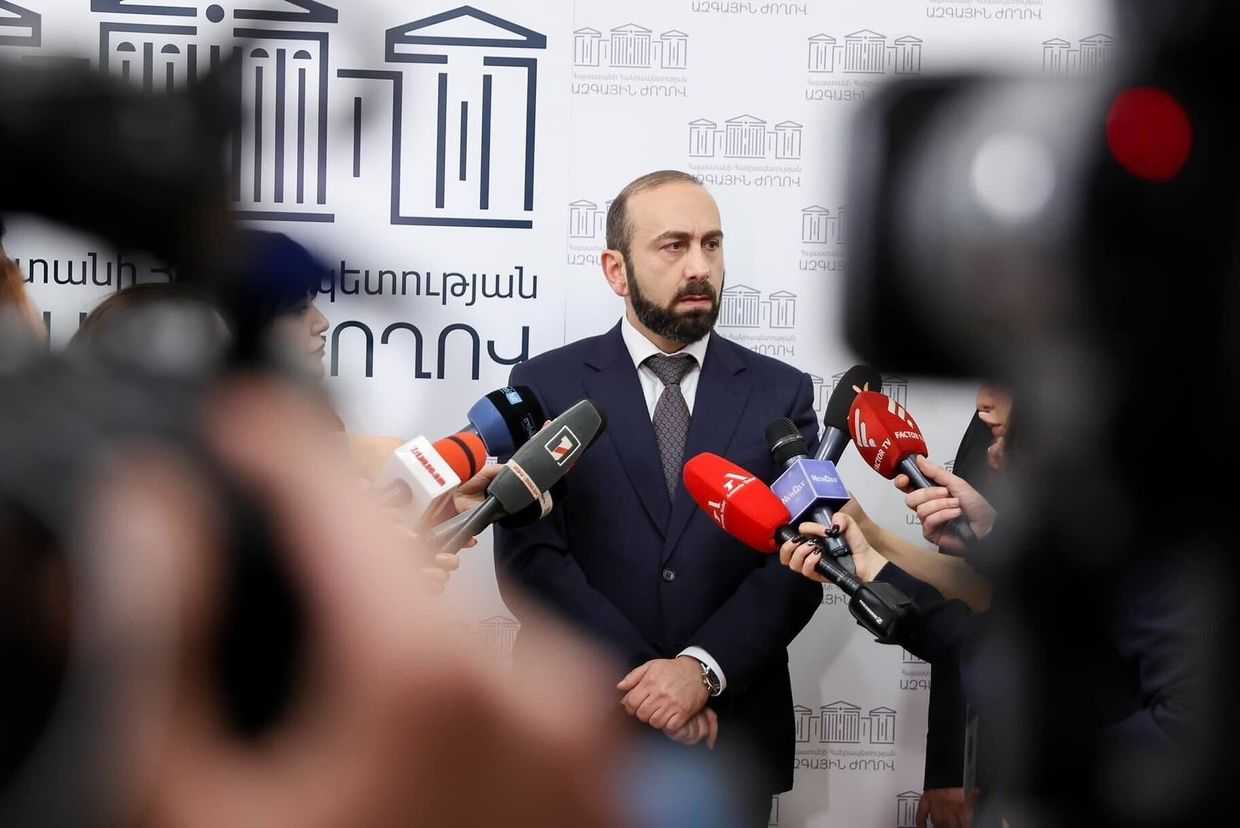
Romanos Petrosyan, the state-appointed temporary manager of ENA and a ruling Civil Contract party member, told Factor TV that the next stage would see the recognition of ENA as an asset of public interest and the Armenian authorities compensate Karapetyan for the takeover. Petrosyan has not disclosed the possible amount Karapetyan was to be compensated.
ENA is owned by Karapetyan’s Tashir Group. The tycoon, who is currently under house arrest, was detained in June 2025 after making public statements siding with the Armenian Apostolic Church amid its confrontation with Prime Minister Nikol Pashinyan.
 Arshaluys Barseghyan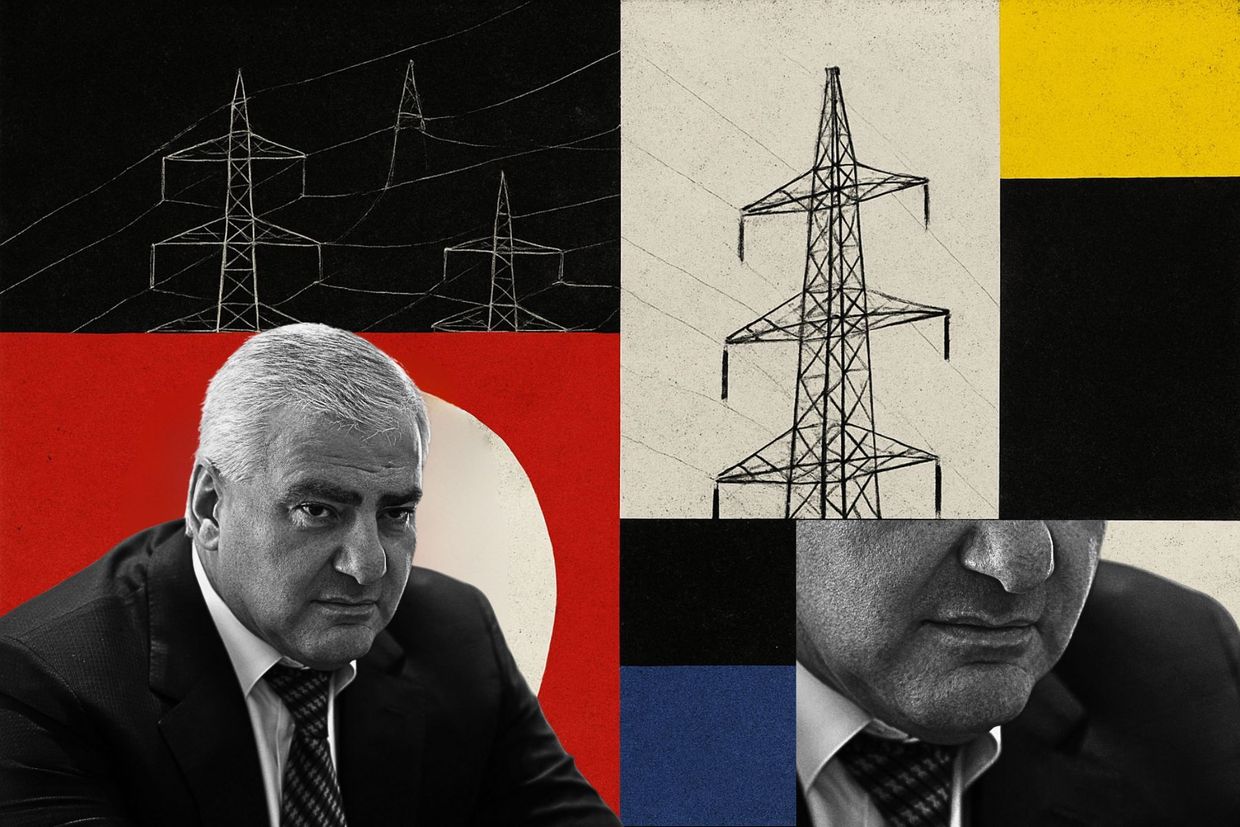
According to Petrosyan, the negotiations with Tashir Group ‘neither materialised nor took place at all. He added that the failure to move forward came as Armenian authorities, acting in accordance with the procedure established by law and within the prescribed deadline on 21 February, ‘made that official offer to the owners’.
‘This means that after 21 February, in accordance with Article 60 of the constitution, the government must recognise 100% of the shares of this company as [an] overriding public interest, and, after paying compensation, nationalise it in full. The process has entered that stage’, Petrosyan said.
In November 2025, Armenia’s Public Services Regulatory Commission (PSRC) voted to revoke ENA’s electricity distribution licence, based on several serious violations identified by Petrosyan.
According to legal amendments rushed through parliament in summer 2025, shortly after Karapetyan’s detention in June, if the ENA loses its licence, the grid must be recognised as a ‘publicly overriding interest’ and have its value assessed. The current owner, Tashir Group, would then be compensated for the takeover.
The government has outlined two possible scenarios: full nationalisation with the grid remaining under state control, or transfer of a controlling stake to an ‘internationally reputable’ energy operator, with the state retaining a strategic share in the company.
Tashir Group had initiated international arbitration, seeking hundreds of millions of dollars in compensation over what it describes as unlawful interference in its investment in Armenia’s power sector.
Arshaluys Barseghyan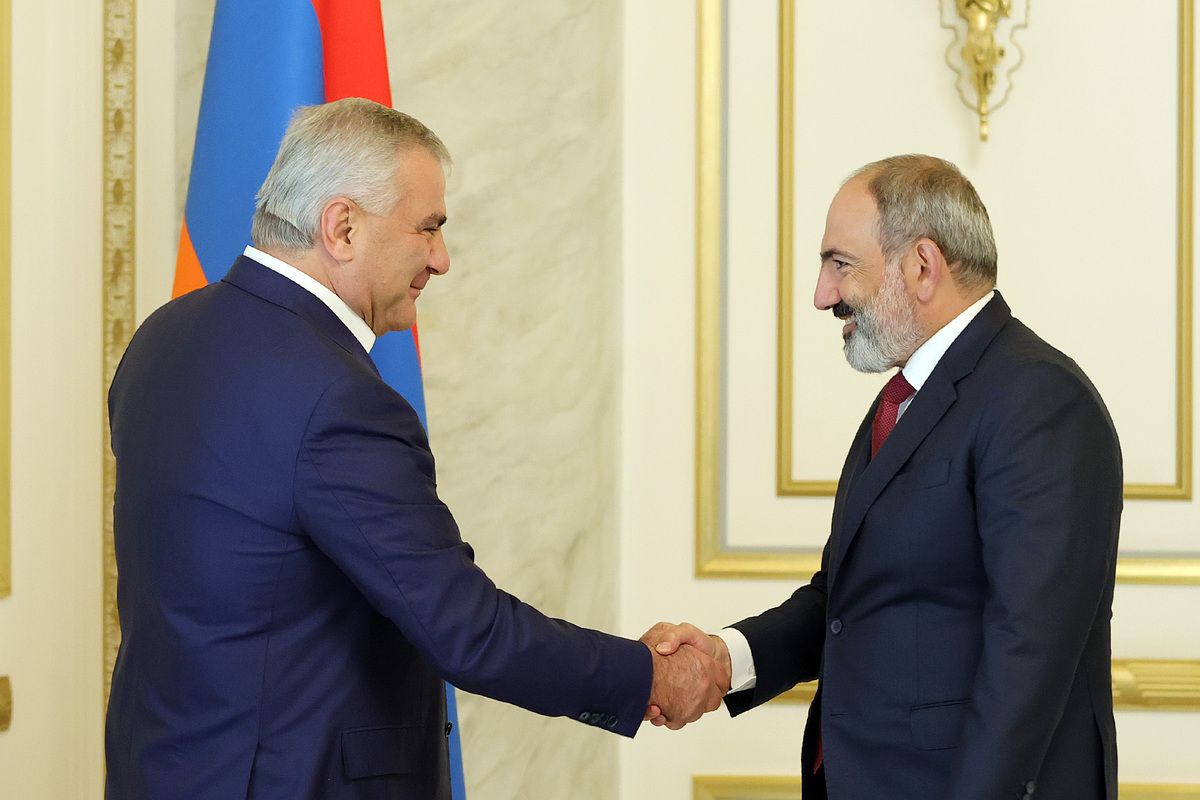
This article was translated into Azerbaijani and republished by our partner Meydan TV.