Could Vance’s visit to Armenia and Azerbaijan herald further American weapons deals?
While the US’s role in the South Caucasus is expanding, significant political and economic factors argue against a full partnership reset.

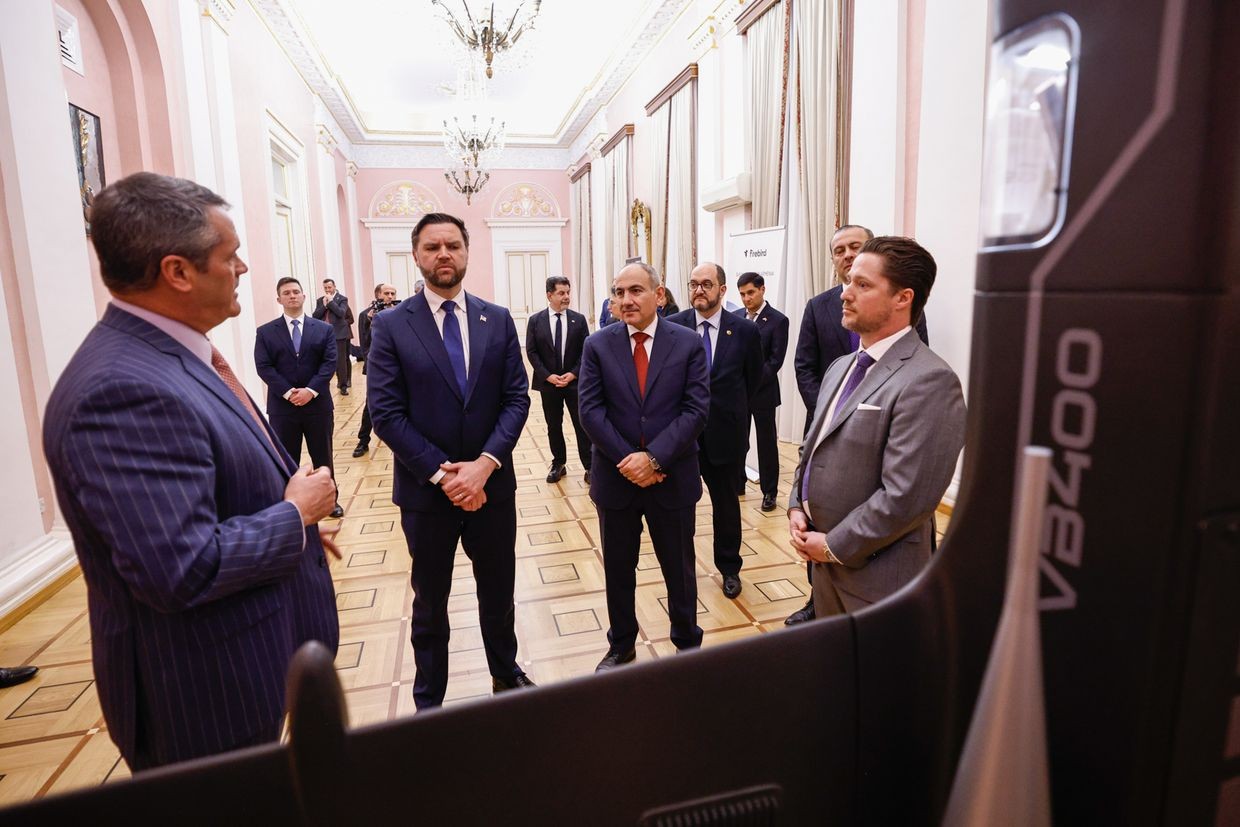
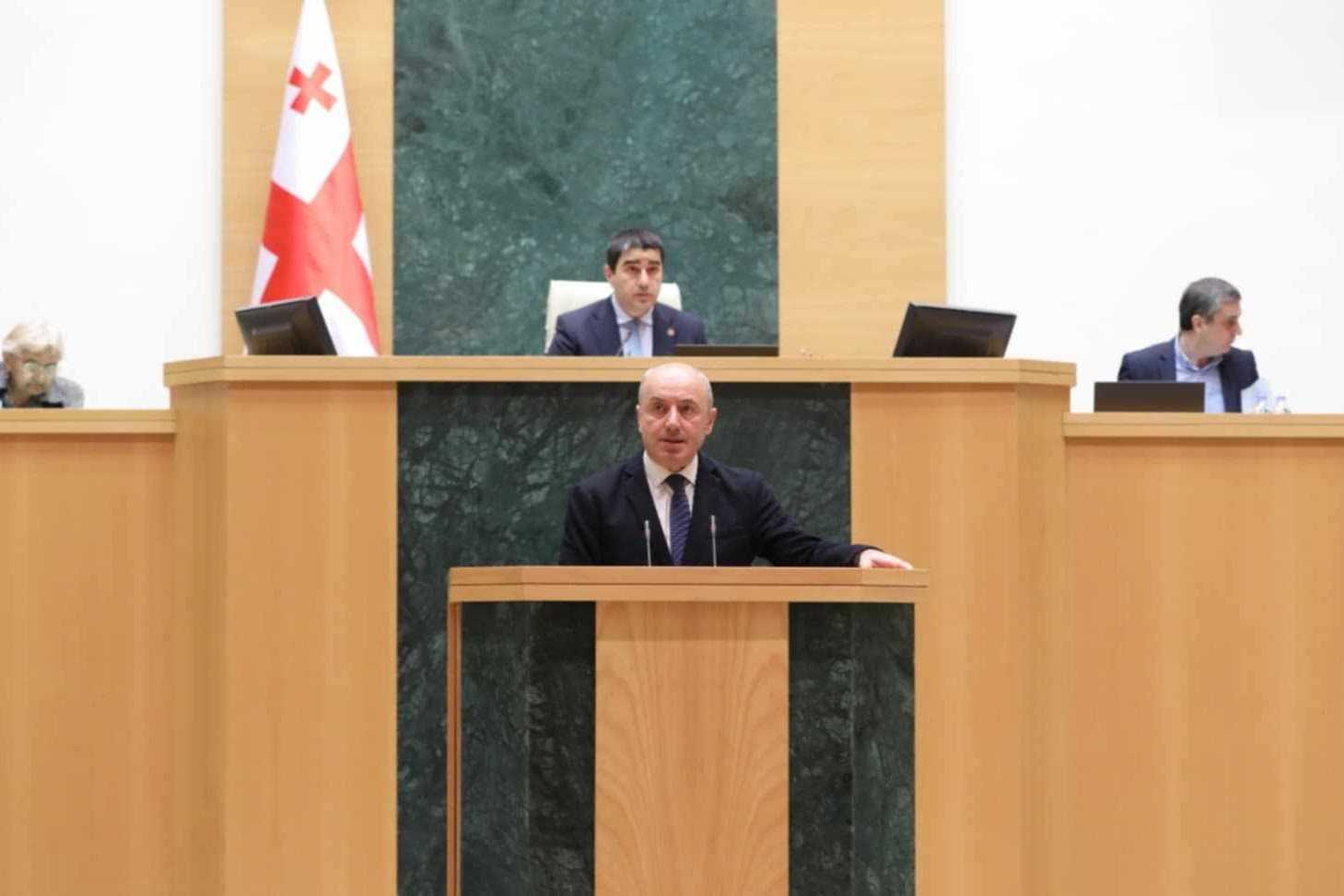
US Vice President JD Vance’s trip to the South Caucasus highlighted the rising American interest in the region and placed new focus on the US’s deepening bilateral relationships with Armenia and Azerbaijan, both of which hosted Vance. Meanwhile, Georgia, once the US’s closest partner in the region, found itself left off the itinerary.
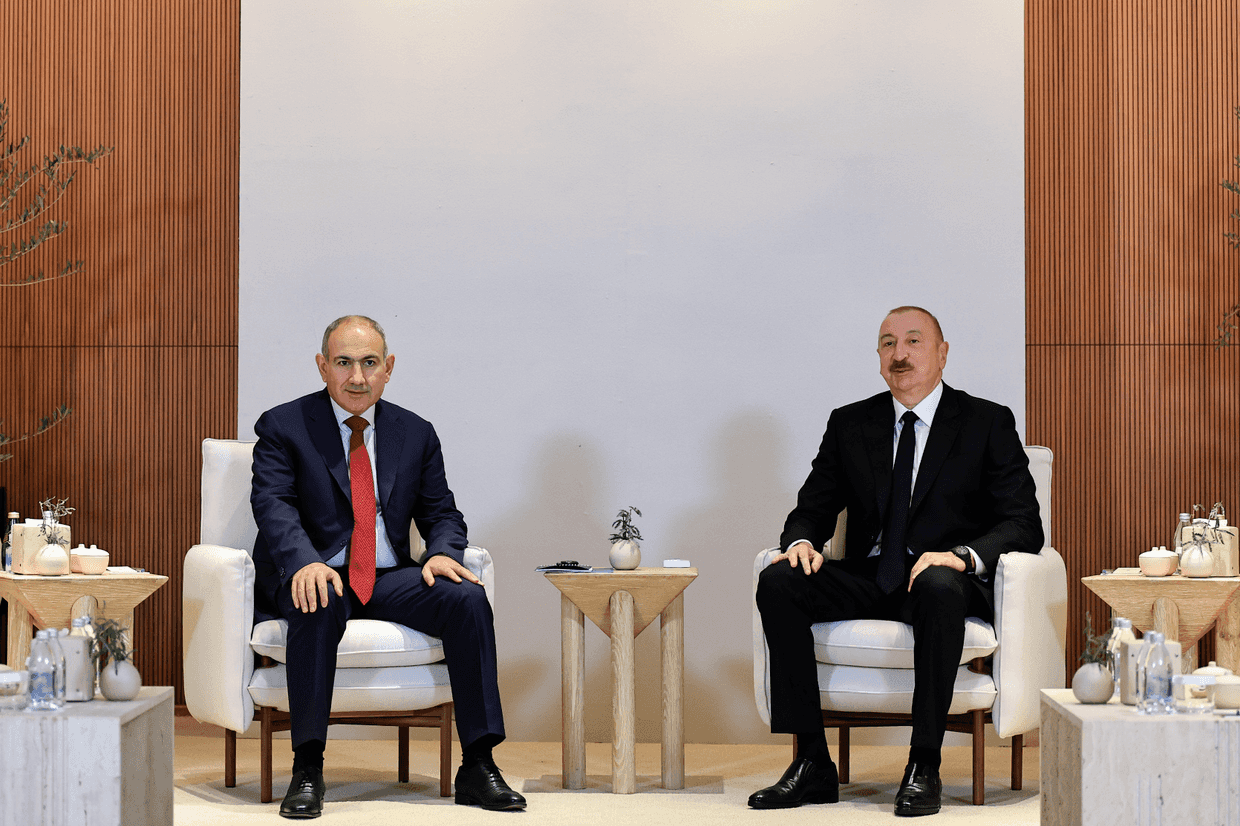
These expanding relations were initiated by the US’s role in securing a preliminary peace agreement between Azerbaijan and Armenia, which was initialled by the leaders of both countries in August 2025. That agreement envisioned a significant role for the US in promoting regional connectivity through the Trump Route for International Peace and Prosperity (TRIPP). The Trump administration is also increasingly involved in expanding economic investment and fostering nascent security relationships with both countries.
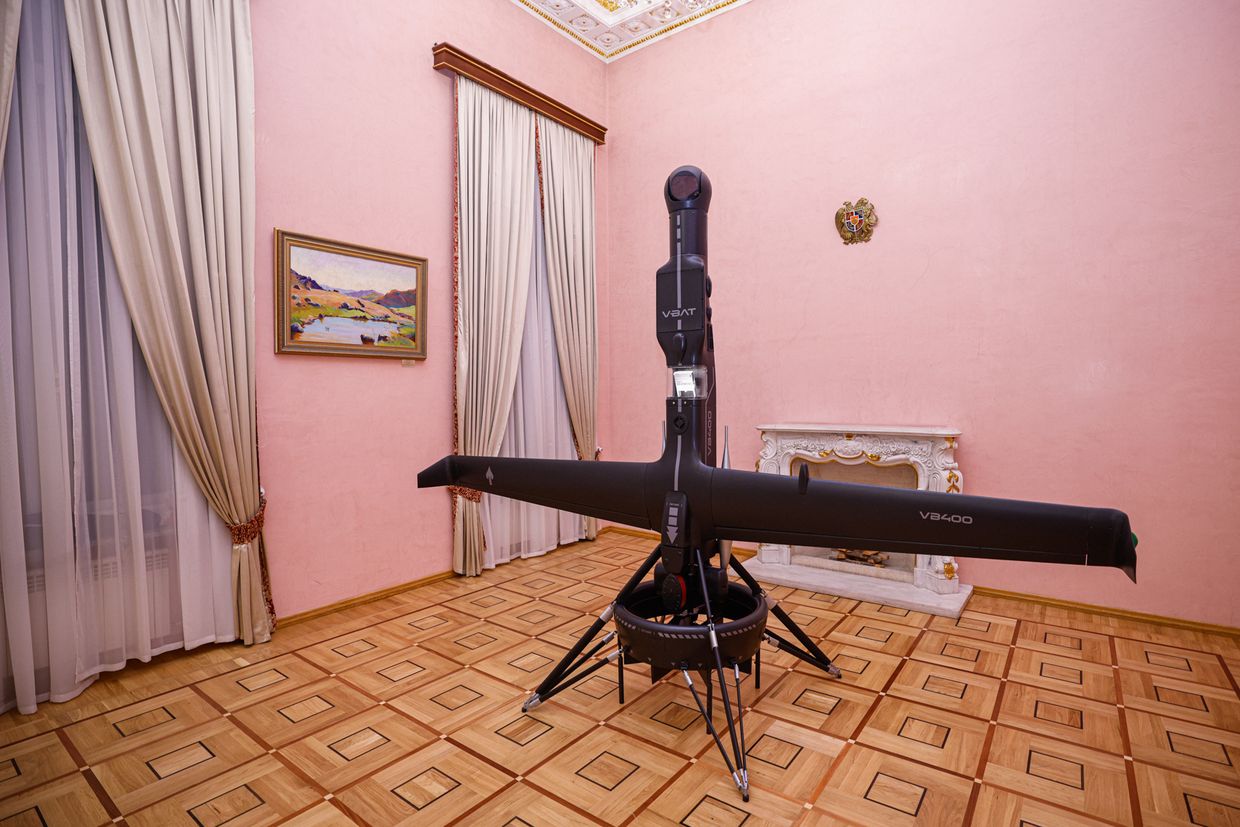
Vance’s trip was especially notable for including the announcement that, for the first time ever, the US would complete sales of military equipment to both countries
It is clear the Trump administration is pursuing a policy of actively expanding American arms exports worldwide in order to strengthen the American defense industrial base. Armenia and Azerbaijan are simply opportunities to expand American production within that overarching policy framework.
The peace process between Armenia and Azerbaijan is also arguably the only case where the Trump administration’s focus on achieving peace through bilateral negotiations and business deals has enjoyed unalloyed success. Consequently, the administration is eager to take actions that further that process and allow them to publicise that success. It is unclear, however, whether American interest in the region will continue beyond the current administration.
Indeed, while the announcement of the sale of surveillance drones to Armenia and naval patrol boats to Azerbaijan appears to augur a new era in US arms exports to the region, political and economic constraints will limit the South Caucasus’s potential as a market for US defence exports.
Armenian attempts to diversify amidst economic constraints
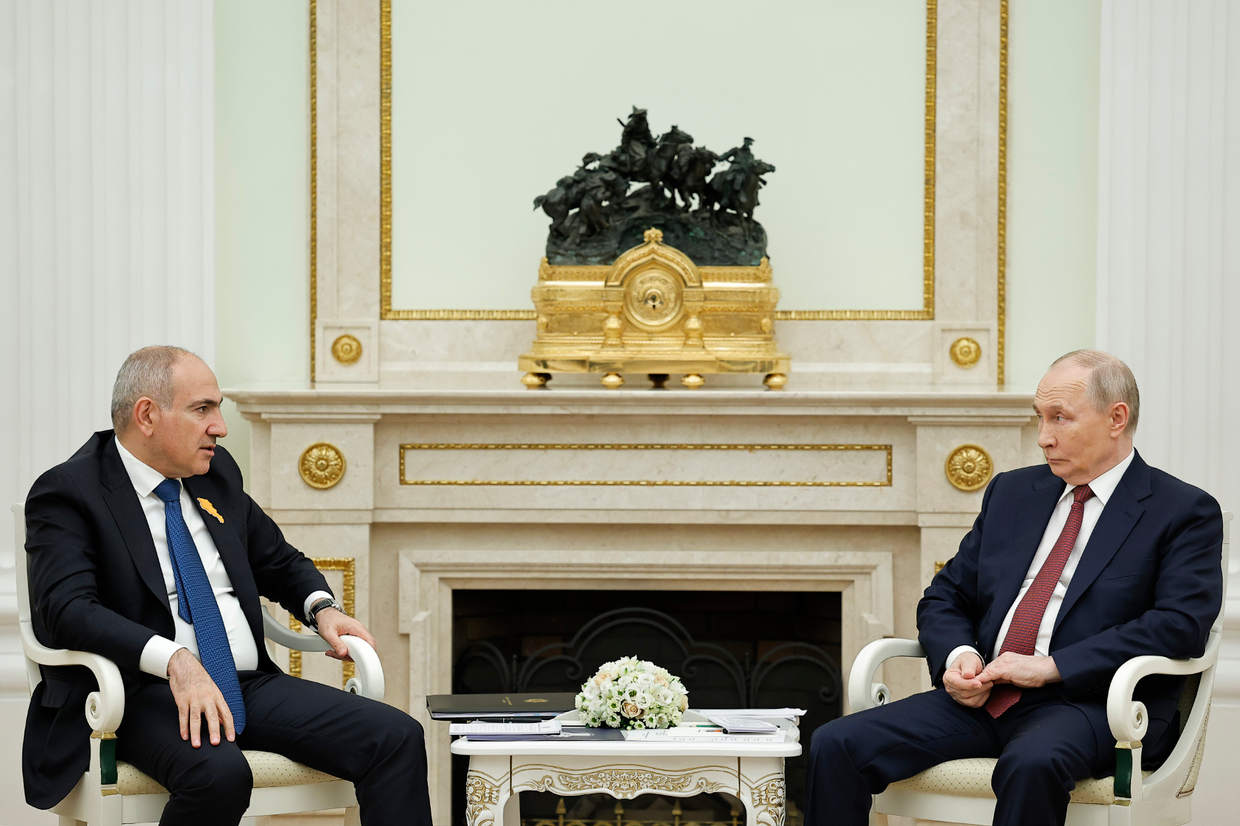
Prior to the 2020 Second Nagorno-Karabakh War, the overwhelming majority of Armenia’s arms imports came from Russia, which often subsidised Armenia’s purchases. This dynamic has changed significantly in recent years. Relations between Armenia and Russia deteriorated rapidly after Russia’s inaction in the face of continued military pressure from Azerbaijan in the aftermath of the war. Yerevan also lost faith in Russia’s reliability as an arms supplier after Russia failed to deliver weapons systems Armenia had ordered, which Russian officials blamed on the impact of their full-scale invasion of Ukraine.
‘The prior strategy of embedding Armenia within only one major external relationship is seen in Yerevan today as a catastrophic error’, Laurence Broers, Associate Fellow with Chatham House’s Russia and Eurasia Programme, tells OC Media.
As a result, Armenia has sought to diversify its security relationships and, to that end, suspended its participation in the Russia-dominated Collective Security Treaty Organisation (CSTO). Armenia has since imported weapons systems from France and India, with the latter becoming the largest provider of arms to Armenia in 2024.
‘French weaponry indicates some European concern for Armenia’s security, while Indian weapon imports do not trigger Russian fears as much as European or American weapons’, Joshua Kucera, a senior analyst with the International Crisis Group, tells OC Media, highlighting how these new partnerships also serve a specific political purpose.
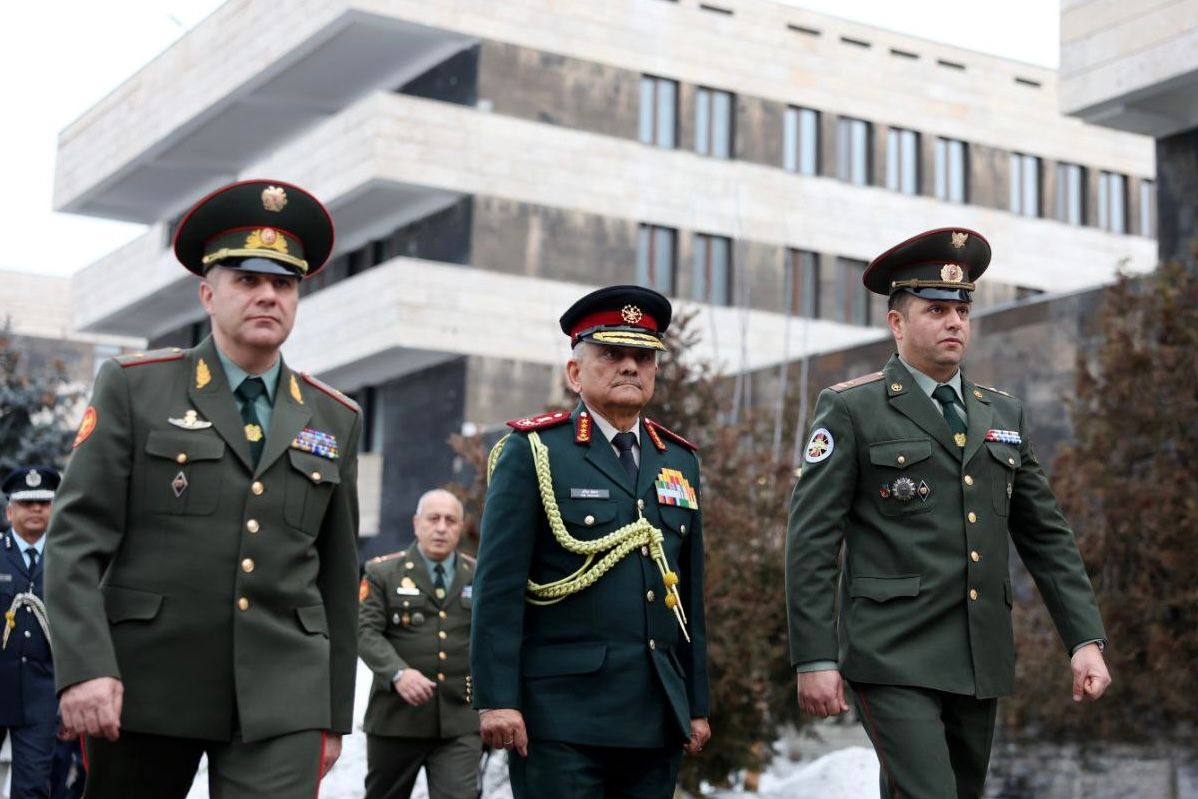
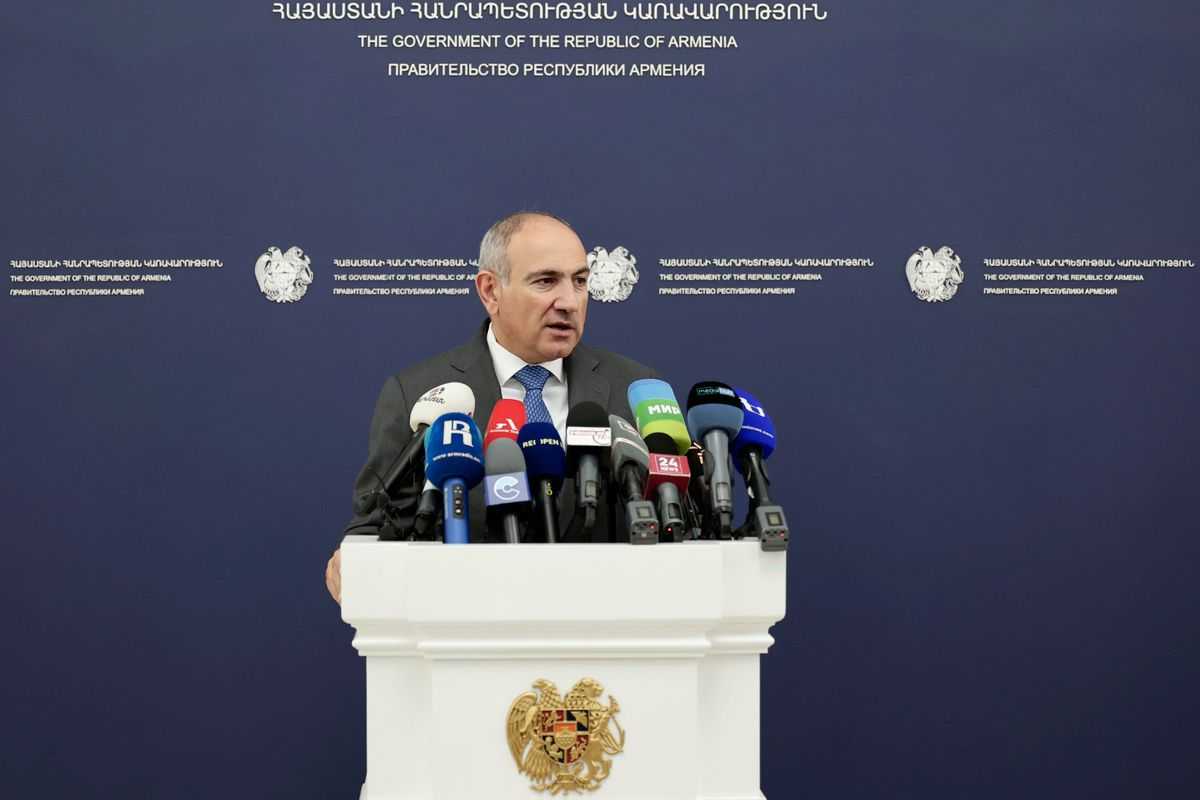
Given its significant geopolitical reorientation in recent years, the Armenian government would likely welcome the opportunity to add the US to its list of security partners. In 2025, the country hosted US military forces for bilateral exercises for the first time. This eagerness for security cooperation includes an openness to purchasing American military equipment, though, as previously mentioned, any opportunity would have to be weighed against further deterioration of relations with Russia. However, economic and political factors constrain Armenia’s ability to dramatically expand its imports of US material.
Economically, Armenia’s central challenge in its long rivalry with Azerbaijan is the considerable material disparity between the two countries. Armenia’s population of 3 million and GDP of $26 billion are each only approximately a third the size of Azerbaijan’s population of 10 million and GDP of $74 billion. This discrepancy means that Armenia must be highly efficient with its limited resources to be capable of matching Azerbaijan’s considerably larger military potential. American military equipment is not renowned for being inexpensive and is almost certainly less cost effective for Armenia than alternative suppliers.
Politically, while tensions have certainly lessened since the initialling of the draft peace agreement, Azerbaijan and Armenia continue to regard each other as their primary security threat. This dynamic means that any extensive weapons sales to Armenia would likely strain relations between the US and Azerbaijan as well as Azerbaijan’s partner, Turkey. As the controversy over Vance’s tweet about the Armenian genocide neatly demonstrates, Trump’s administration prioritises its relationship with Baku and especially Ankara over its relationship with Yerevan, making significant arms sales to Armenia an undesirable prospect for both sides.
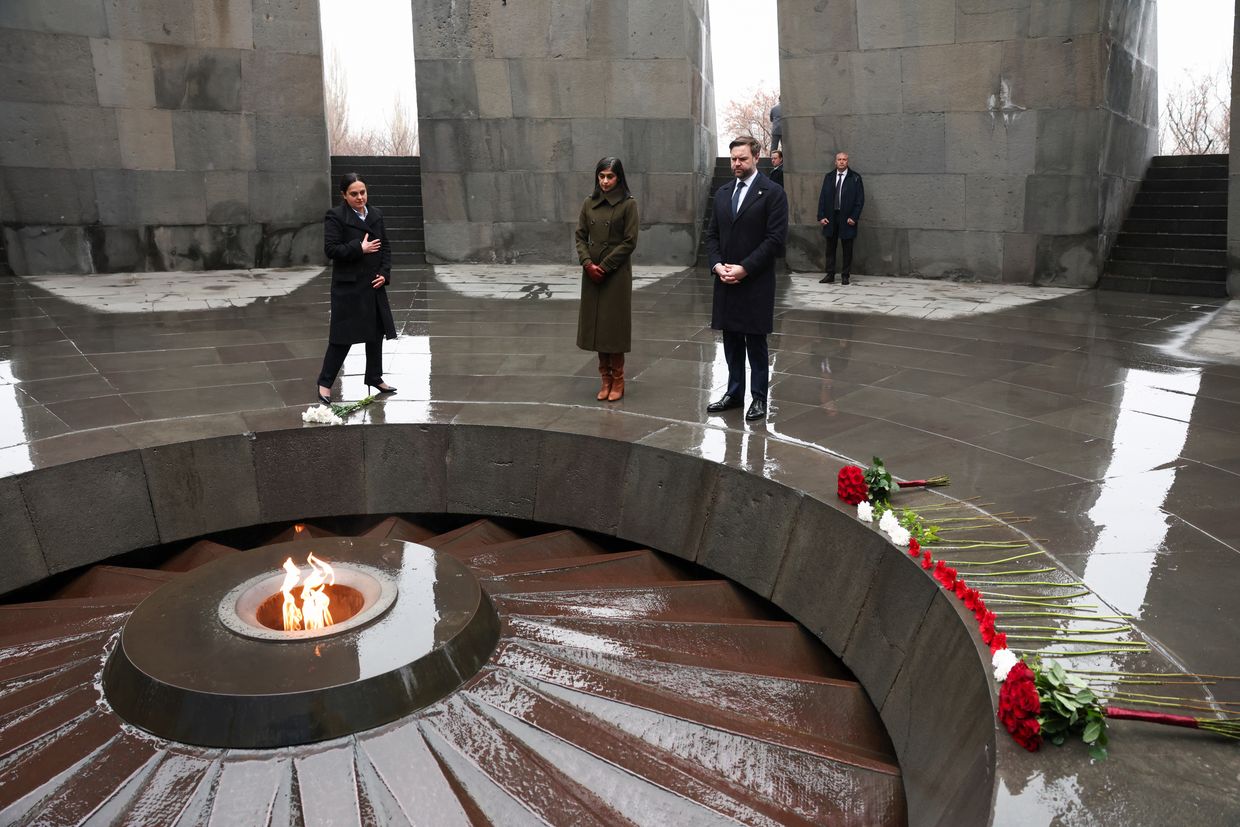
Both politics and economics argue against the US emerging as a major arms supplier for Armenia; however, ad hoc deals remain possible, especially in emerging areas such as unmanned systems where US equipment may be more cost competitive.
Azerbaijan’s wider strategic alliances
Like Armenia, Azerbaijan also relied heavily on Russian imports to equip its armed forces in the early post-Soviet era, though by the 2000s, it had a relatively diversified set of arms suppliers. This trend intensified in the years leading up to the Second Nagorno-Karabakh War in 2020, though the US was not one of these diversified suppliers due to Section 907 of the 1992 Freedom Support Act, which de-facto banned US security assistance to Azerbaijan.
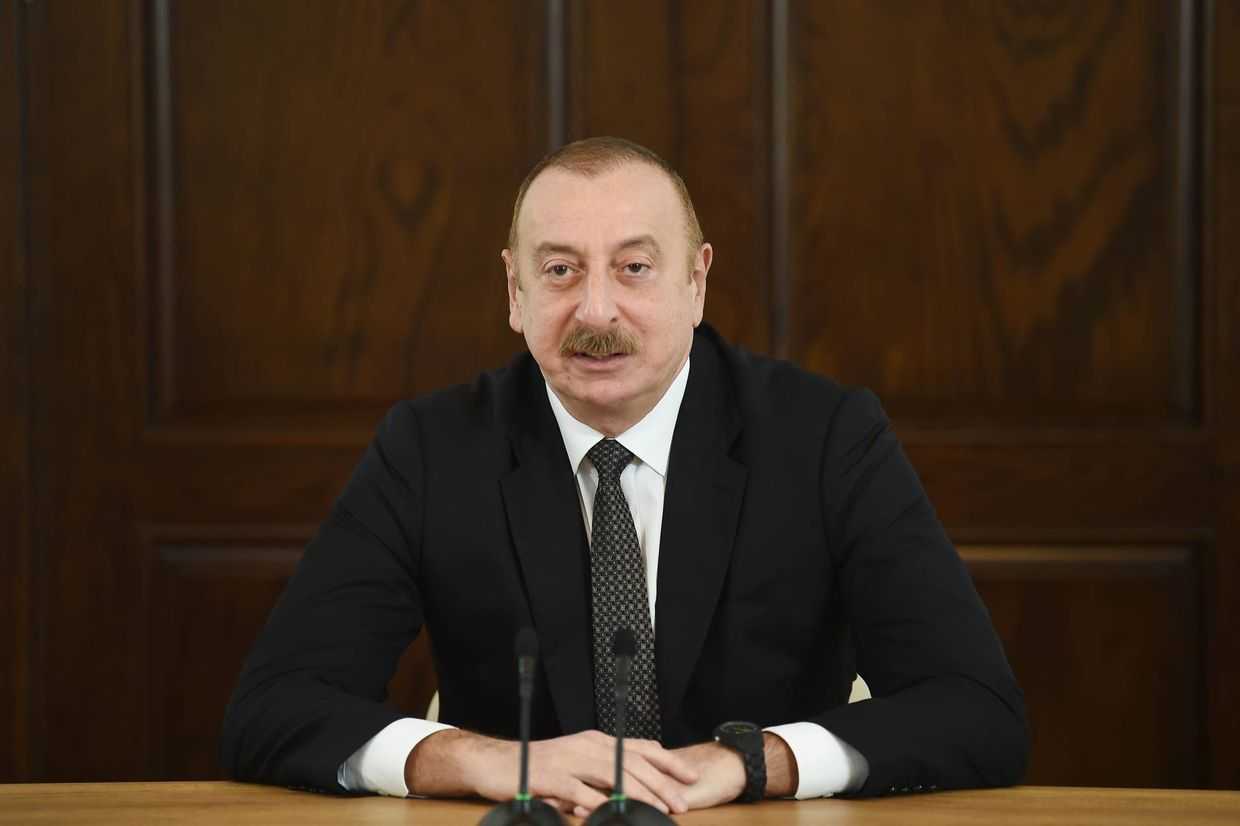
In contrast, the second Trump administration has been quite clear about its desire to develop a robust security relationship with Azerbaijan. Indeed, defence sales were explicitly mentioned in the US–Azerbaijan Strategic Partnership Charter, signed in February. Washington’s interest in building this security relationship also has much to do with the extensive relationship between Israel and Azerbaijan. As the war between the US and Iran continues to expand, the Trump administration likely sees Azerbaijan as a potential regional security partner.
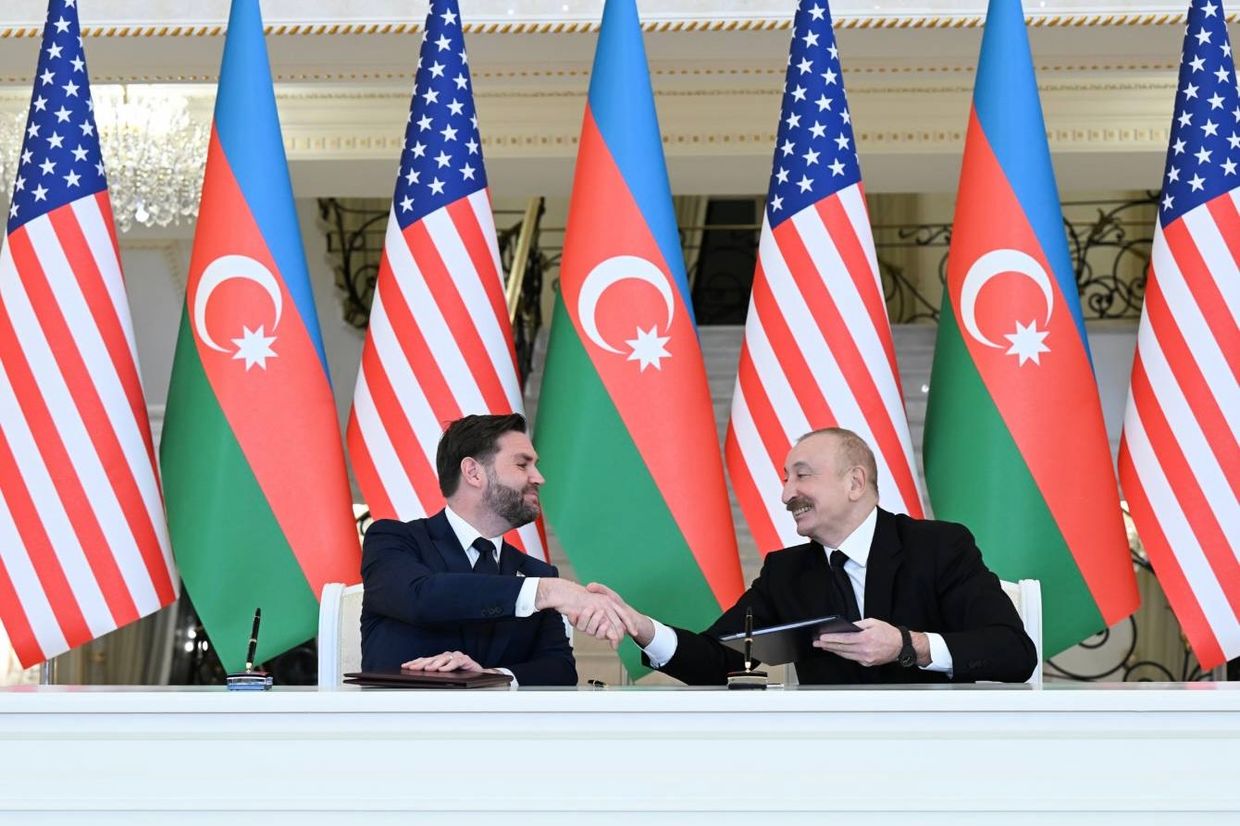
The economics of the US exporting weapons systems to Azerbaijan are also reasonably sound. Azerbaijan’s extensive oil and gas revenues support a robust defence budget, with the country spending an estimated $3.7 billion on defence in 2024 with recent increases potentially bringing the budget to over $5 billion. The former figure is over twice the size of Armenia’s 2025 defence budget and could enable them to purchase expensive American systems, if permitted by Washington.
However, despite the interest from Washington in expanding American defence exports to Azerbaijan, actual arms purchases are likely to be limited. During the 30 years that Azerbaijan was de-facto banned from receiving American security assistance, Baku invested significant diplomatic energy and economic resources into building defence industrial cooperation with Israel, Turkey, and Pakistan. Israel and Turkey in particular provided the advanced missile and drone systems that enabled Azerbaijani victory in the Second Nagorno-Karabakh War. Meanwhile, Pakistan recently supplied Azerbaijan with JF-17 fighter jets to supplement its existing Russian-made fighters.

‘Baku has multifaceted ties with each of those countries, so the military element is embedded in these wider strategic relationships’, Broers tells OC Media, adding that beyond the specific equipment provided ‘with Israel, this was about breaking the Russian monopoly on arms supplies balancing the Armenian-Azerbaijani rivalry; with Turkey this is about a more rounded military alliance and transfer of NATO know-how and standards; with Pakistan it’s about diversification and joint production potential’.
Beyond the political depth and unique strategic context of each of these relationships, ‘having multiple partners is always better than depending on one power’, Kucera assesses.
These middle powers are viewed by Baku as reliable security partners. While Baku may welcome attempts by the Trump administration to develop a US–Azerbaijan security partnership, it likely does not view Washington as a sufficiently reliable long-term security partner to make extensive purchases of American materiel, nor does it see such a relationship with the US as necessary, given its recent success enabled by its existing partners.
Section 907 of the Freedom Support Act remains on the books, and, while the Trump Administration will likely continue issuing annual waivers to the act, there is no guarantee that future US administrations will continue this practice. The Armenian diaspora in the US remains influential within Congress and it is entirely possible a future US administration might share the Biden administration’s concerns with Azerbaijan’s human rights record. Baku has not forgotten the Biden administration’s re-imposition of Section 907 bans in response to Azerbaijan’s actions during the blockade and subsequent conquest of Nagorno-Karabakh in 2023.

Significant arms deals are often at least as much about the underlying bilateral relationship as they are about economics or the technical capabilities of any equipment purchased, and for Azerbaijan, the American relationship is too uncertain to replace its current partners.
Even so, limited purchases are still likely since, as Kucera notes, ‘American weapons, even in symbolic amounts, help the country move past the perceived stigma of Section 907’.
Vance’s trip to Armenia and Azerbaijan highlighted that the US’s role in the South Caucasus is expanding. The announcement of the sales of defence material to both Azerbaijan and Armenia during that visit is a significant development in this regard as it represents a serious commitment by the Trump Administration to be a security partner for each country.
However, significant political, and in Armenia’s case economic, factors argue against the US being able to step into Russia’s old role as the primary provider of arms to the South Caucasus. Instead, both Armenia and Azerbaijan are likely to use whatever military equipment they purchase from the US to supplement militaries that will be primarily equipped with the weaponry of a diverse collection of middle powers that they see as individually more reliable and collectively less risky than relying on any single partner.
The views expressed are the author’s own and do not represent Georgetown University or any employer past or present