French Parliament calls for sanctions on Ivanishvili, with far-right and far-left voting against

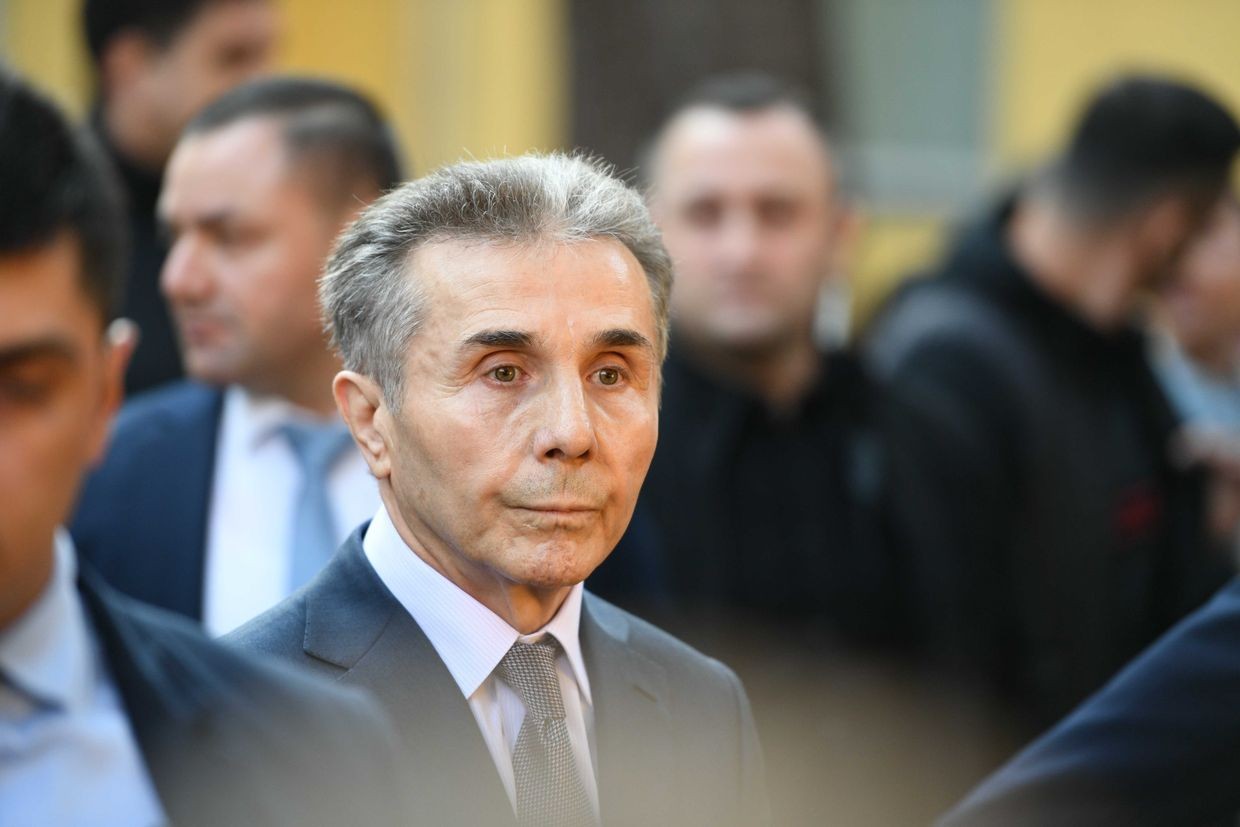
The French Parliament has called for sanctions against Bidzina Ivanishvili, the billionaire founder of the ruling Georgian Dream party, along with his entourage. Criticising the Georgian government’s political course, the resolution was adopted on Tuesday, with far-right and far-left lawmakers voting against it.
The resolution is described as a document ‘aiming to condemn the illiberal and authoritarian drift of the Georgian government’ and to reaffirm ‘support for Georgia’s European destiny’.
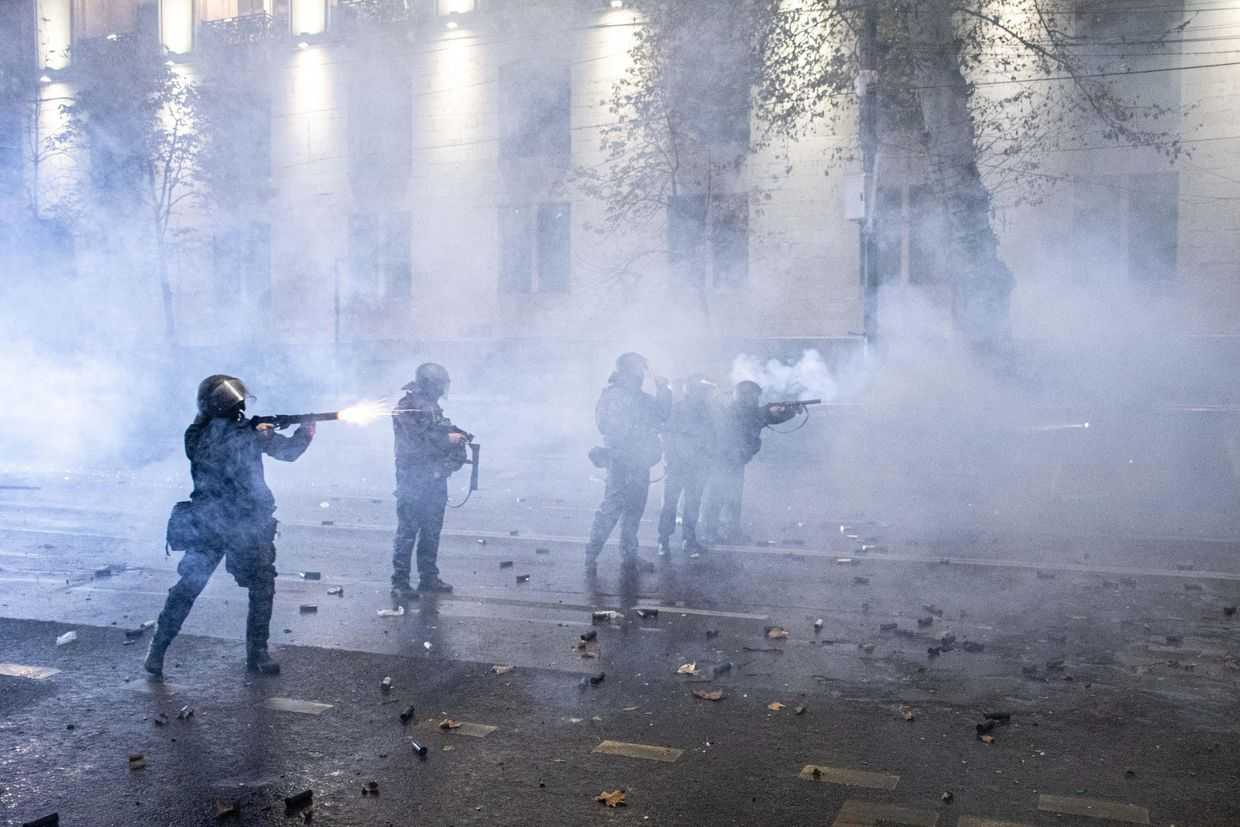
Describing democratic backsliding in Georgia, including by citing critical assessments prepared by EU institutions and member states, the resolution condemned ‘the attacks on fundamental rights, restrictions on freedom of expression and assembly, and the disproportionate use of force against peaceful protesters’.
Ivanishvili — the founder and honorary chair of Georgian Dream, who reportedly holds both Georgian and French passports — is described as an ‘oligarch’ in the resolution. The document called on the French authorities, ‘in coordination with European partners’, to adopt ‘targeted individual sanctions’ against him and his associates.
Among its other appeals to the French authorities, the resolution called for active support for democratic actors in Georgia, as well as called on the authorities to demand for ‘the immediate release of all political prisoners, including opposition leaders and young peaceful demonstrators’. It further urged the condemnation of ‘external interference, in particular the influence exerted by the Russian regime on Georgian political institutions’, as well as on Ivanishvili.
The lower house of parliament which adopted the resolution has 577 members. In the vote, 97 MPs voted with 68 in favor, 28 against, and one MP abstaining. The pre-vote debate on the resolution was attended by former Georgian President Salome Zourabichvili, a fierce opponent of Georgian Dream.
About half of the MPs who voted in favour of the resolution belonged to the Together for the Republic parliamentary group, led by former Prime Minister Gabriel Attal. The resolution was also supported by MPs from across the political spectrum, including socialists, greens, and the centre-right.
The document was mainly opposed by members of the National Rally and the France Unbowed — New Popular Front groups. The first group is composed of members of the far-right National Rally party, and is led by one of the country’s most prominent far-right politicians, Marine Le Pen.
The second group is primarily made up of members of the left-wing populist party France Unbowed, founded by the prominent French politician Jean-Luc Mélenchon.
The document was dismissed by the ruling Georgian Dream party. Deputy Prime Minister Mamuka Mdinaradze said that ‘a resolution has value only when it is based on real facts’. He referred to previously adopted critical resolutions about Georgia, arguing that they later became ‘devalued’.
The ruling party placed particular emphasis on Zourabichvili’s presence at the debate on the resolution, with Parliamentary Speaker Shalva Papuashvili accusing her of co-organising ‘hostile steps taken against Georgia’.
The resolution was also referred to as being anti-Georgian by the pro-government TV Imedi, which conducted interviews with two members of the National Rally — MP Guillaume Bigot and MEP Thierry Mariani — regarding the matter.
Over the past few years, following the passage of a slew of restrictive laws by Georgian Dream, violence against anti-government protesters, and the disputed 2024 parliamentary elections, relations between Georgia and its traditional international partners — including the EU and its member states — have sharply deteriorated.
Officials of the Georgian government have been subjected to individual sanctions by a number of EU member states, while visa-free travel to the EU by Georgian diplomatic and service passports was banned.
In response to the EU’s criticism, the ruling party has repeatedly accused Brussels of blackmail, lying, funding ‘radicalism and disinformation’, and deviating from European values.