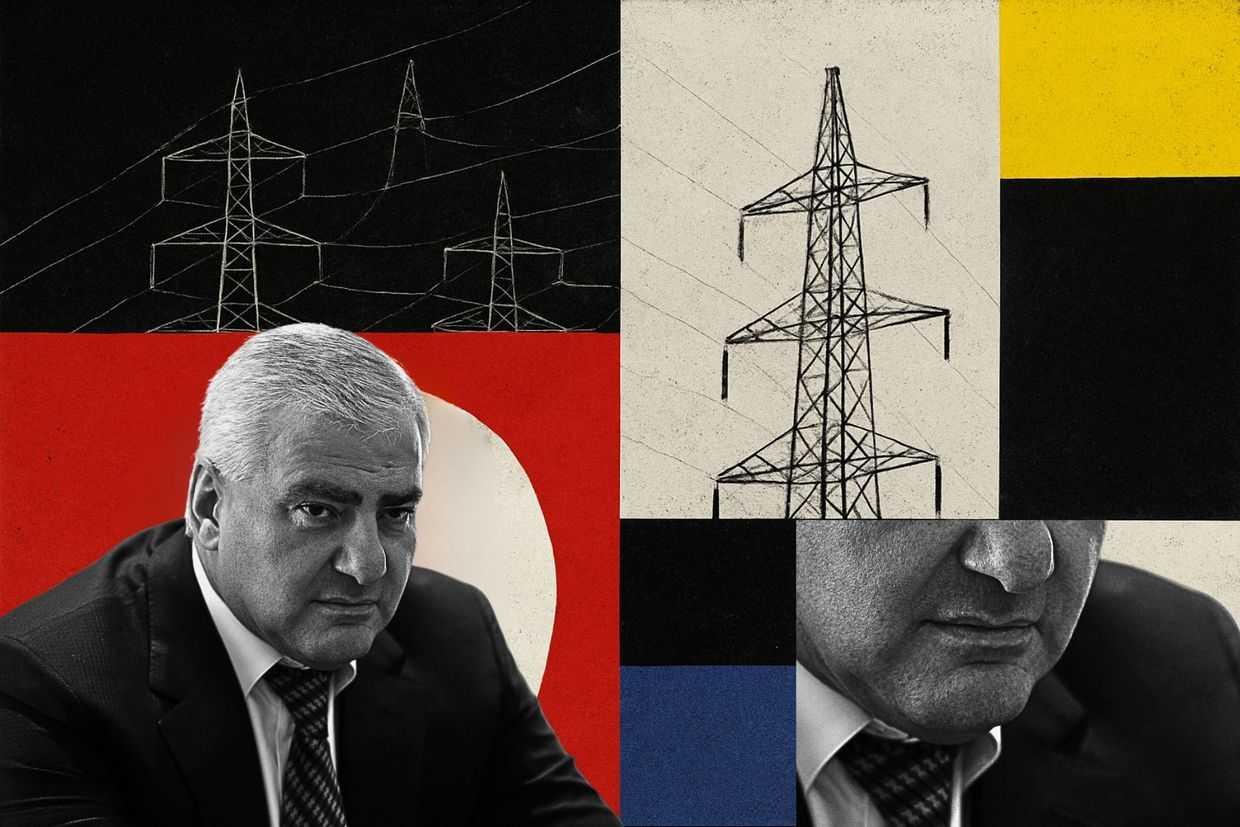
Opinion | Armenia’s elections are a return of Russia’s 2006 Georgia playbook
The 7 June elections may reveal just how much cost Armenian society may be willing to bear in pursuit of greater strategic autonomy.

Armenia’s upcoming parliamentary elections on 7 June will be about far more than domestic political and economic issues. In many ways, Armenian voters will also be deciding the country’s broader foreign policy direction and the extent to which Armenia remains dependent on Russia politically, economically, and strategically.
Russia is increasingly losing its traditional leverage and long-standing role as the primary security arbiter in the South Caucasus. This shift has accelerated amidst the parallel normalisation processes between Armenia and Azerbaijan, and between Armenia and Turkey, which are gradually reshaping the regional balance of power outside Moscow’s traditional sphere of influence. Armenian trust in Russia also deteriorated sharply after Moscow was widely perceived as failing to respond decisively during Azerbaijan’s military incursions into Armenian territory in 2022 and the 2023 offensive in Nagorno-Karabakh.
At the same time, Armenia’s leadership has continued to deepen ties with the West, particularly with the EU. Recent statements by Prime Minister Nikol Pashinyan about the possibility of a future visa-free regime with the EU, along with Armenia hosting the European Political Community summit attended by Ukrainian President Volodymyr Zelenskyi and other European leaders, have reinforced perceptions that Yerevan is gradually broadening its foreign policy options beyond Moscow.
Against this backdrop, Russia has increasingly relied on economic pressure, energy leverage, and public messaging campaigns ahead of the elections. Rather than using military force or direct political intervention, Moscow appears to be signalling the potential costs of Armenia moving too far outside Russia’s sphere of influence. The pressure campaign is aimed at several audiences simultaneously: Armenia’s leadership, business elites, and ordinary voters. By raising concerns about gas prices, trade disruptions, export restrictions, and economic instability, Moscow is attempting to reinforce the idea that Armenia’s economy and security remain deeply tied to Russia. At the same time, these dynamics create political space for pro-Russian actors who argue that maintaining close ties with Moscow is the only realistic path toward economic stability and regional security.
Russia’s strategy combines direct economic tools with coordinated political messaging. The objective is less about persuading Armenians to adopt a specific ideology and more about increasing uncertainty and anxiety around the country’s current geopolitical trajectory. Through pro-Russian media outlets, political commentators, allied networks, and online platforms, the broader message being amplified is relatively straightforward: distancing Armenia from Russia could carry serious economic and security consequences.
 Xandie (Alexandra) Kuenning
According to reporting by Kommersant, Moscow sent an official letter — which the Armenian Foreign Ministry confirmed it received — warning that duty-free supplies of natural gas, petroleum products, and rough diamonds could be suspended if Armenia continues pursuing deeper integration with the European Union. Russia currently supplies the overwhelming majority of Armenia’s natural gas, controls the domestic gas network through Gazprom Armenia, and remains one of Armenia’s largest trade partners.
The reported warning suggested that dissolving the 2013 bilateral agreement governing these arrangements could create serious supply-chain disruptions and financial pressures for Armenia. For ordinary households, this could mean rising energy prices, inflation, and broader economic uncertainty. Economic pressure has also coincided with restrictive trade measures targeting Armenian exports. Alongside import restrictions on Armenian flowers and Jermuk mineral water, Russian authorities suspended or restricted imports of Armenian wine and brandy. Producers including Vedi-Alco, the Abovyan Brandy Factory, and the Shahnazaryan Wine and Brandy House were affected by the measures. Because these industries are closely connected to Armenia’s rural economy and export sector, the restrictions carry both economic and symbolic significance.
At the same time, Russian political rhetoric toward Armenia has become noticeably harsher. Following Zelenskyi’s participation in the Yerevan summit, Russian President Vladimir Putin publicly warned that Armenia was ‘living through everything that is happening on the Ukrainian track’, implying that closer alignment with Europe could destabilise the country. Kremlin spokesperson Dmitry Peskov also emphasised the risks of Armenia losing preferential energy arrangements, while Foreign Minister Sergei Lavrov dismissed Armenian concerns about Russian pressure as exaggerated and provocative.
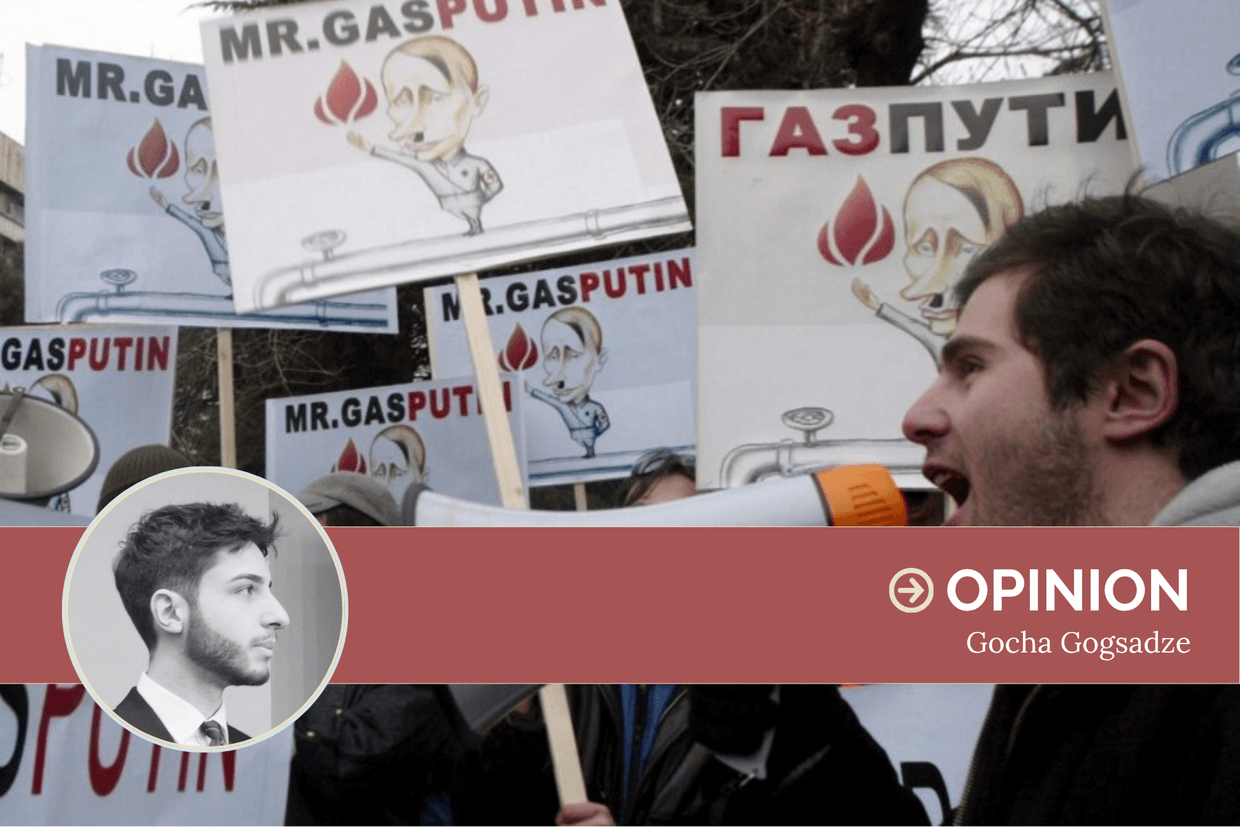
For many observers in the region, these developments resemble tactics Russia previously used against Georgia during periods of geopolitical tension. In 2006, after Georgia’s United National Movement government intensified its pro-Western foreign policy course, Russia imposed sweeping restrictions on Georgian exports, including wine and Borjomi mineral water. Officially, the bans were justified on sanitary grounds, but in Georgia they were widely interpreted as politically motivated economic pressure designed to weaken support for the government’s Western orientation.
The tensions escalated further in January 2006, when explosions damaged the main and backup natural gas pipelines supplying Georgia through Russia during one of the coldest winters in years. Millions of Georgians temporarily lost heat and electricity. The Georgian government under President Mikheil Saakashvili accused Moscow of deliberate sabotage and energy coercion, while Russia denied responsibility and blamed technical failures or sabotage by third parties.
Regardless of responsibility, the crisis had a profound psychological impact inside Georgia. It reinforced fears about the country’s vulnerability to Russian energy pressure and highlighted how geopolitical tensions could quickly affect daily life for ordinary citizens. Yet the long-term outcome did not unfold as Moscow may have expected. In the years that followed, Georgia diversified its energy partnerships, expanded economic ties with other markets, and reduced its dependence on Russia. Georgian wine producers also adapted by entering European and global export markets.
Today, Armenia faces a different geopolitical environment and much deeper structural dependence on Russia than Georgia did in 2006. Nevertheless, the similarities in the methods of pressure are increasingly difficult to ignore.
By relying heavily on trade restrictions, energy leverage, and public threats ahead of a major election, Moscow may ultimately be reinforcing the very debate it hopes to suppress: whether long-term dependence on Russia represents stability for Armenia, or an enduring strategic vulnerability.
The 7 June elections will therefore test far more than party popularity or domestic political grievances. They may also reveal how Armenian society views the country’s future geopolitical direction, its relationship with Russia, and the costs it may be willing to bear in pursuit of greater strategic autonomy.