Group of queer men detained in Karachay–Cherkessia on charges of participation in an ‘extremist organisation’

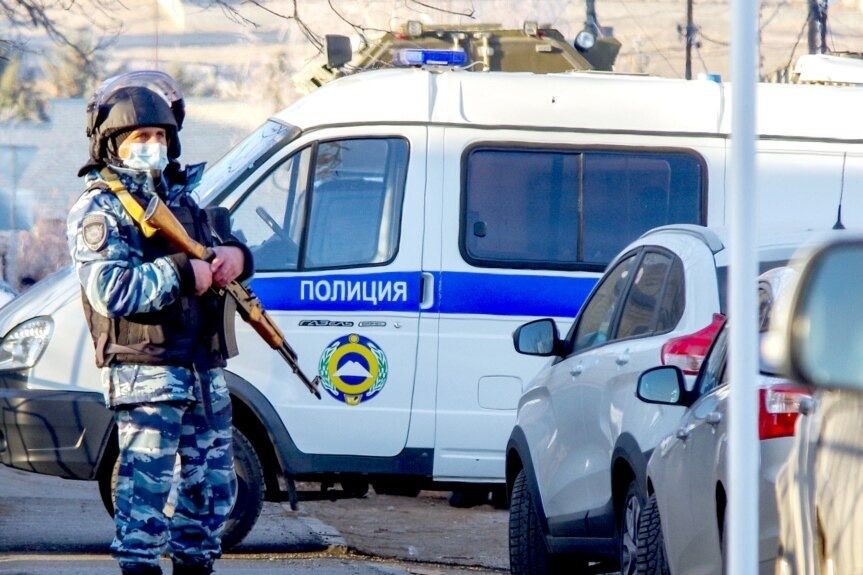
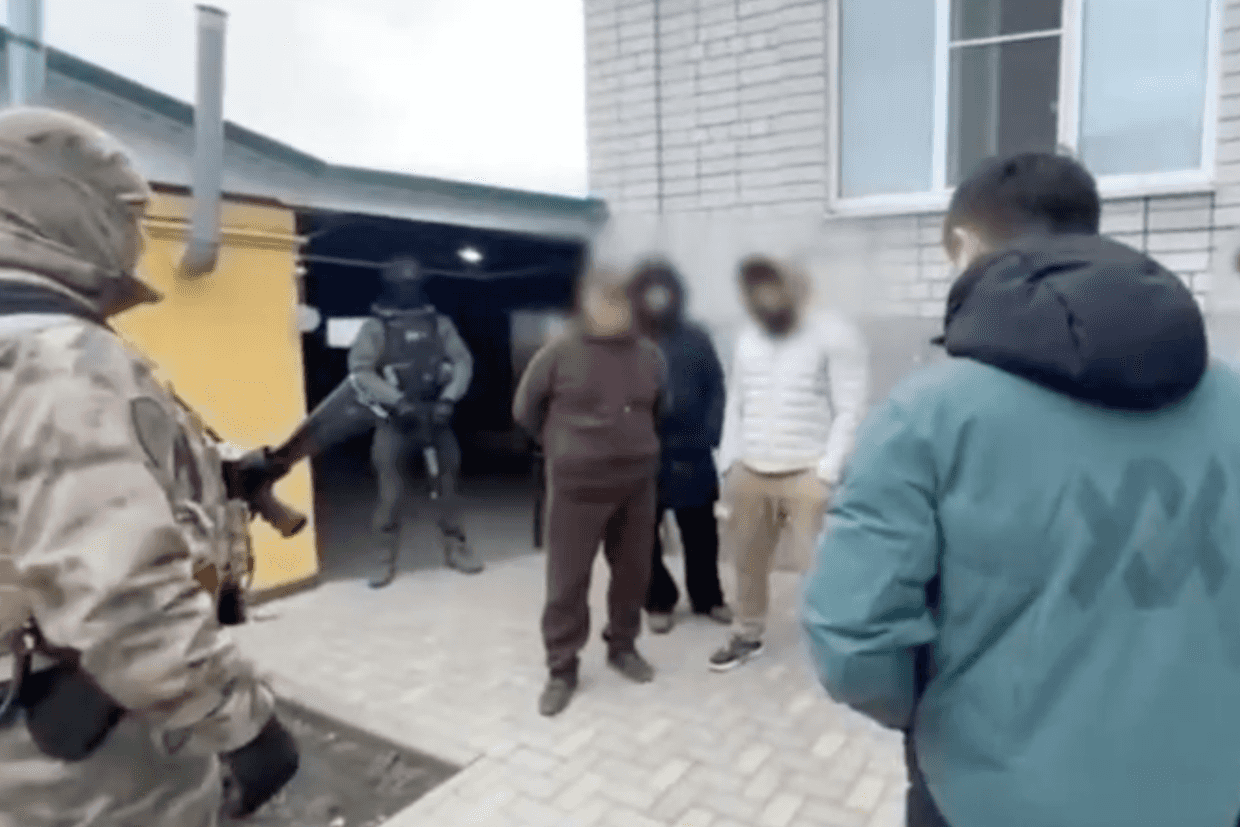
In Karachay–Cherkessia, officers of the Interior Ministry detained 16 residents of the republic on suspicion of ‘organising the activities of an extremist organisation’, the NC SOS crisis group reported, citing a source. According to human rights advocates, the detainees were members of a local VKontakte group dedicated to queer dating, which remained one of the few unblocked queer platforms in the region.
According to information from the NC SOS source, on the morning of 27 April police officers came to the home of one of the group’s participants, who had posted comments and photographs and communicated in the chat. A search was carried out at his home, his phone was seized, and he was required to provide the password. The officers then examined the contents of the device and messages in the dating group. The man was subsequently taken to the Investigative Committee, where he saw around 15 other detainees.
The NC SOS source stated that most of those detained were very young men, although there were also individuals around 40 years old. According to him, questioning began in the morning, with people being taken into rooms one by one. One of the detainees, it is claimed, refused to cooperate with investigators, after which he was taken away in handcuffs. According to the source, screams could be heard from the room, and when he came out he had visible bruises and was bleeding.
The detentions of people who were members of the dating group were also corroborated by a local Telegram channel, which claims that a criminal case has been opened against the alleged ‘organiser’ under the article of the Russian criminal code on ‘organising the activities of an extremist organisation’. This article provides a sentence of six to ten years’ imprisonment. The identity of the defendant has not been disclosed.
The same Telegram channel claimed that as a result of operational measures, 16 residents of the republic were identified who ‘engaged in non-traditional practices’ and ‘spread prohibited ideology’. The authors of the statement emphasise that such actions are regarded as contradicting ‘traditional family values’ and state that they will be suppressed in accordance with Russian legislation.
In November 2023, the Supreme Court of Russia recognised the ‘international LGBT public movement’ as an extremist organisation and banned its activities on the territory of the country. The decision was adopted following a lawsuit by the Ministry of Justice. The ruling does not specify which particular structures or associations fall under this definition. After that, human rights advocates noted an increased risk of criminal prosecution for participation in any forms of queer activity, including online communities and private initiatives.
In the North Caucasus, even before the adoption of this ruling, cases of persecution of people based on their perceived sexual orientation had been recorded. In 2017, the Russian independent media outlet Novaya Gazeta published an investigation into detentions and the subsequent killing of men who in Chechnya were suspected of homosexuality. The authorities of the republic denied these reports.
In 2019, the human rights organisation Russian LGBT Network reported a new wave of persecution in Chechnya. According to its data, dozens of people were detained, some of whom were subjected to violence. Official structures in the region also denied these claims.
The NC SOS Crisis group regularly reports attempts to forcibly return people who have left the republics due to pressure from relatives, as well as cases of threats and violence. Some of them were suspected by relatives or representatives of local communities of belonging to the queer community.
 Elizaveta Chukharova