Lavrov says it is ‘impossible’ for Armenia to switch to EU standards while in the EAEU

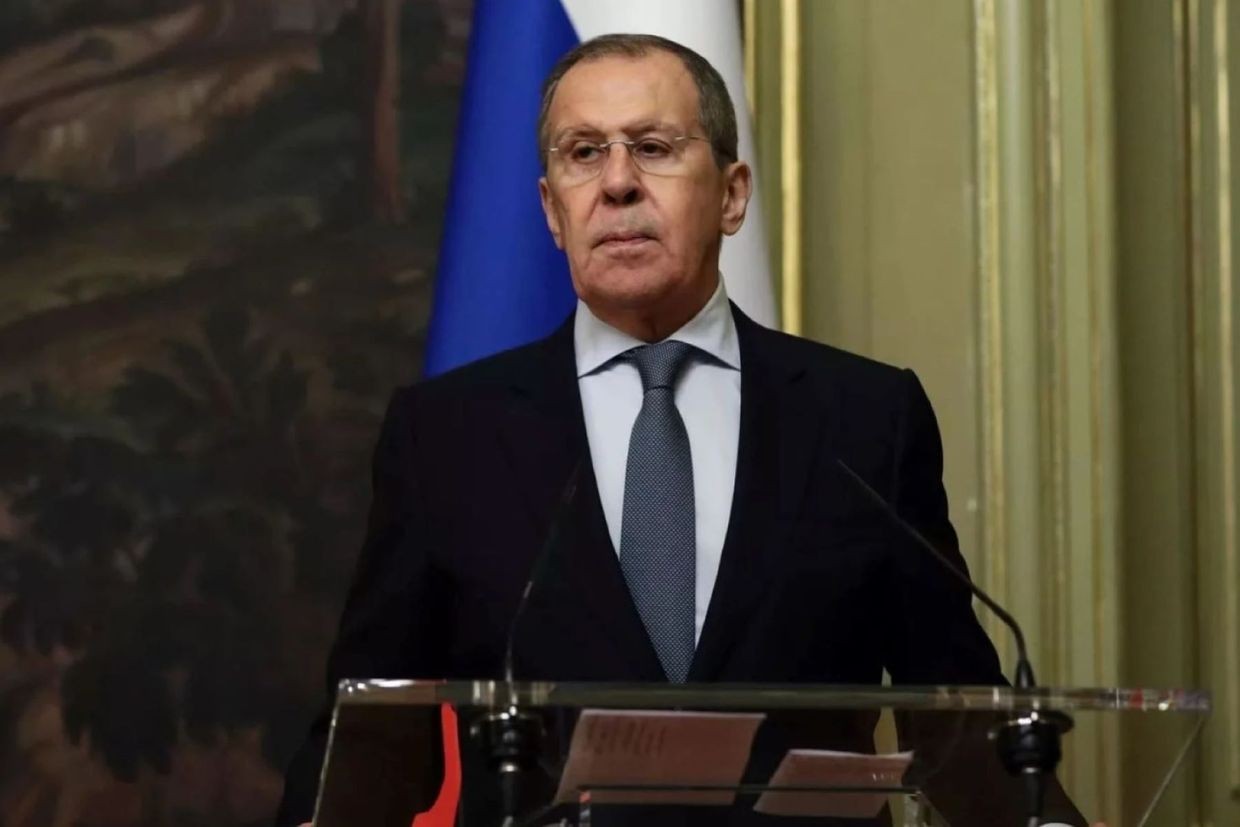
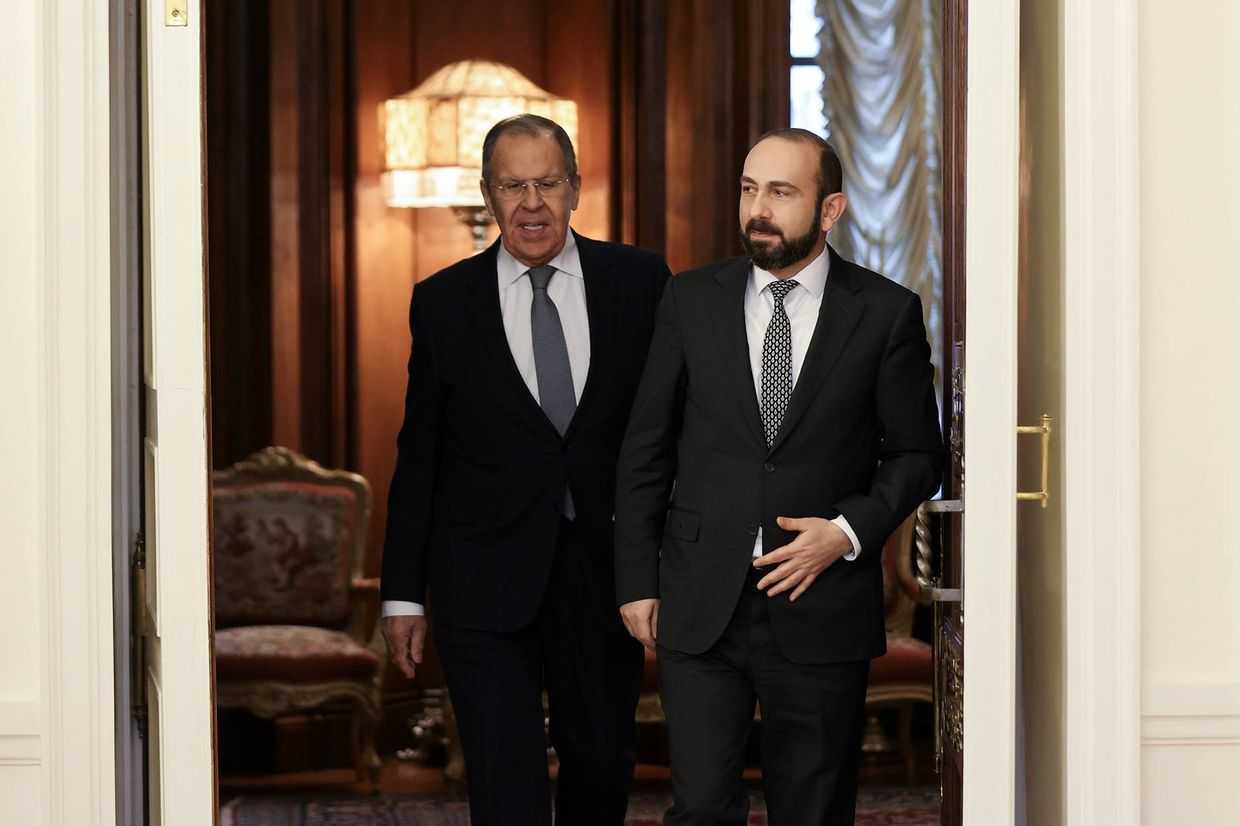
Russian Foreign Minister Sergei Lavrov said it would be ‘technically impossible’ for Armenia to switch to EU standards while remaining a member of the Eurasian Economic Union (EAEU). The statement came shortly after Yerevan clarified Armenia is ‘unequivocally’ seeking EU accession.
Speaking at a press briefing on Tuesday, Lavrov appeared to signal a subtle shift in Moscow’s position on Armenia’s aspirations to join the EU.
While Russian officials had previously said that Armenia’s membership in both blocs is incompatible, Lavrov said this time that adopting EU standards while remaining a member of the Russian-led EAEU would be impossible.
Armenia is currently a member of the EAEU, an integrated single-market, along with Russia, Belarus, Kazakhstan, and Kyrgyzstan.
‘It’s obvious to anyone familiar with the operating principles of the EAEU and the EU’, Lavrov said. He added that Russian officials, including Lavrov personally, ‘have explained this more than once’ to the Armenian side.
What appeared to be a harsher stance from Lavrov came roughly a week after Armenian Prime Minister Nikol Pashinyan clarified that Armenia wants to become an EU member state, ‘unequivocally and without question’.
Admitting that Yerevan is ‘fully aware’ of the crucial precondition on this path — that Armenia must almost fully meet EU standards — he expressed Armenia’s commitment to reaching that goal.
In the meantime, Pashinyan said his government was ‘fully aware’ of the impossibility of the simultaneous membership of both blocs, but then nonetheless claimed there was ‘space’ for Armenia to remain an EAEU member.
 Yousef Bardouka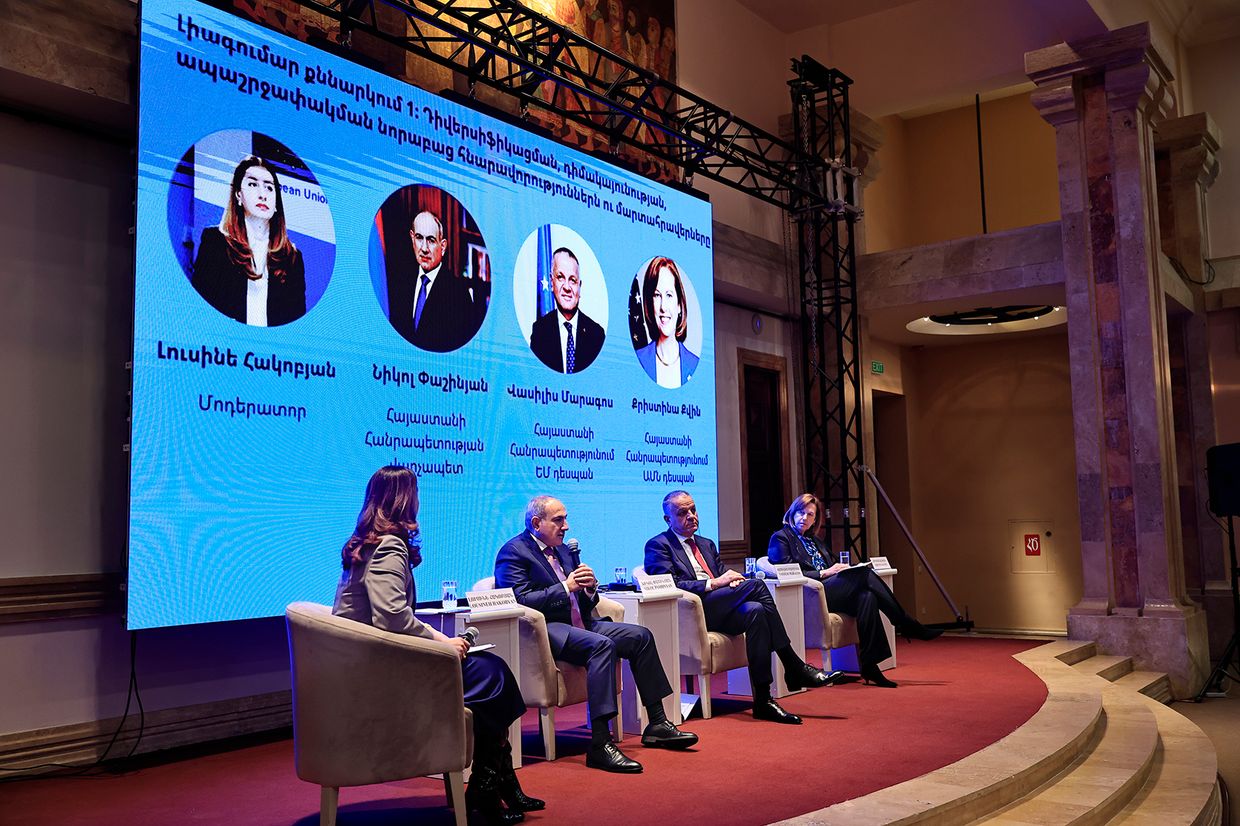
‘Therefore, for as long as compatibility is possible, we will continue to remain an EAEU member. When incompatibility becomes inevitable, we will make a decision together with the citizens of Armenia, based on the free expression of the will of the people of the Republic of Armenia’, Pashinyan said.
However, on Tuesday, Lavrov suggested that the remaining space was narrow.
‘Movement towards membership in the EU [...] clearly cannot be combined with maintaining membership in the EAEU. And if Armenia takes the relevant decisions, as Pashinyan has said, as an expression of the will of the Armenian people, that is Armenia’s right, the right of the Armenian people’, Lavrov said.
Elaborating on the reasons behind Russia’s stance, Lavrov said the obstacle was not limited to differing trade and investment regulations, but also pointed to a political dimension, noting that Brussels was ‘persistently promoting this idea, seeking to transform Armenia’s legal and regulatory framework in line with its own standards’.
‘I am not even mentioning that these standards imply [...] full alignment with the EU’s foreign policy, which also means adherence to anti-Russian sanctions, anti-Russian statements, and so on’, Lavrov added.
Additionally, referring to the new Armenia–EU Strategic Agenda adopted in December 2025, Lavrov said: ‘everything is spelled out there — the need to coordinate in the sphere of foreign policy, trade, and the economy’.
Arshaluys Barseghyan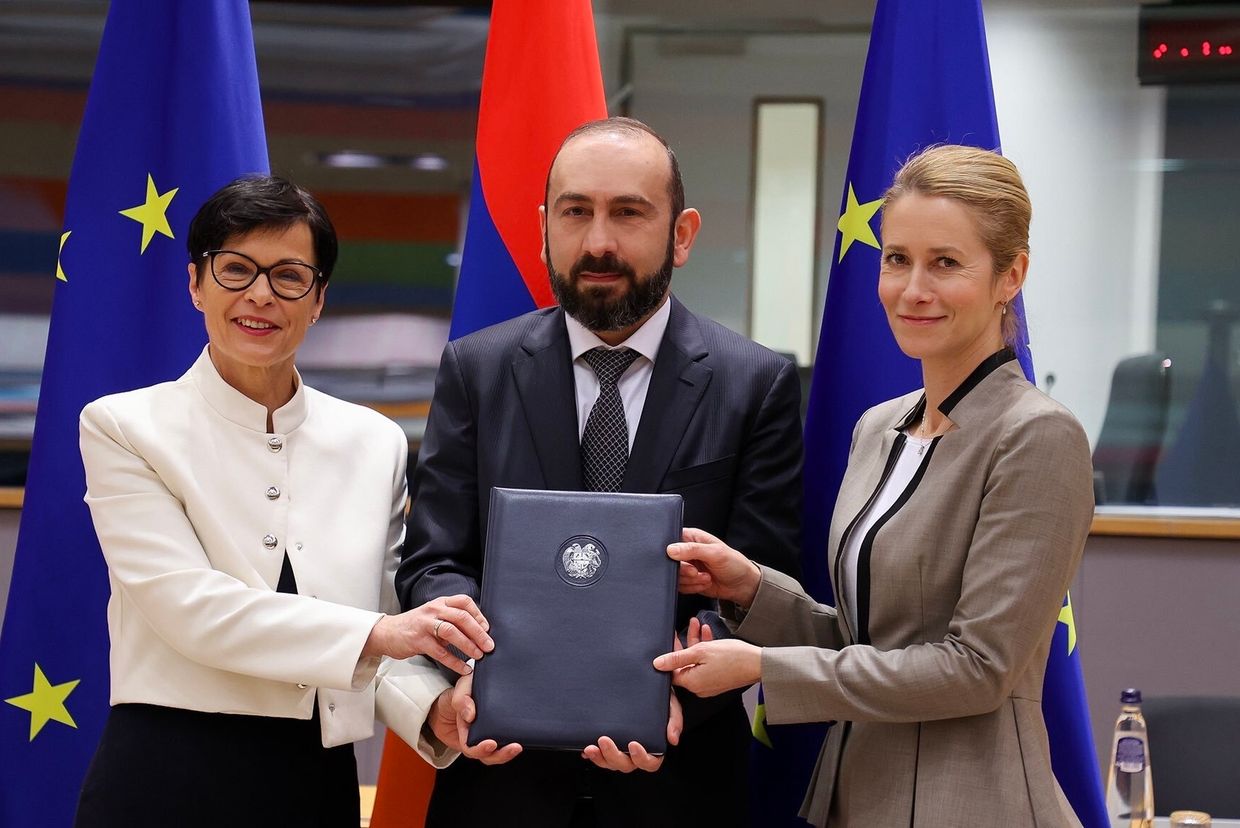
Lavrov also addressed the EU visa liberalisation process launched for Armenians and the issue of Russian border guards who have remained stationed in Armenia along the border with Turkey and Iran. Lavrov claimed that Brussels offers visa liberalisation to Yerevan ‘conditional on the EU having a say in resolving issues in law enforcement and border security’.
‘It is clear that Russian border guards are stationed in Armenia. This already raises the question of how this aligns with Yerevan’s current obligations’, he said.
The Armenian government has not yet offered its response.
Arshaluys Barseghyan