Obituary | Patriarch Ilia II — the one constant in Georgia’s modern history
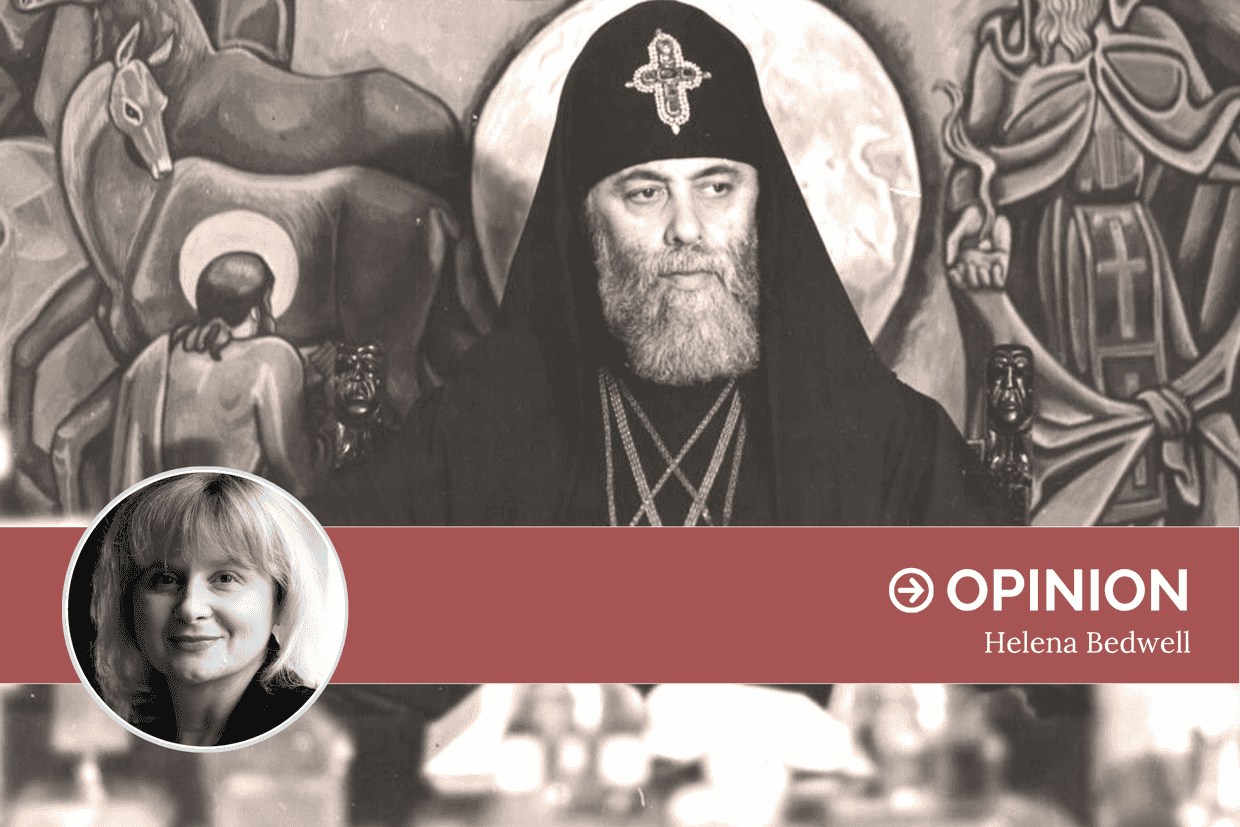
Ilia II, the Catholicos-Patriarch of All Georgia, has died, leaving behind a troubled legacy after 48 years of leading the Georgian Orthodox Church.

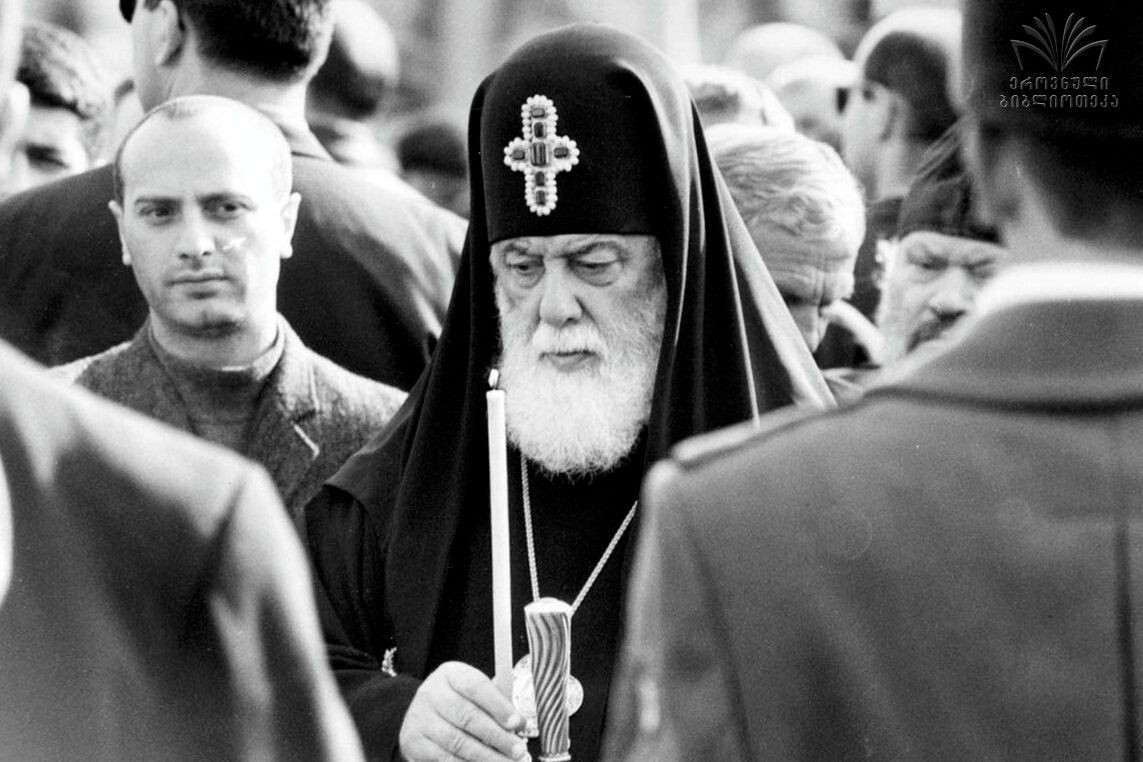
Ilia II, born Irakli Ghudushauri-Shiolashvili, headed the Georgian Orthodox Church since 25 December 1977, and has been perhaps the strongest conservative voice in Georgia’s recent history.
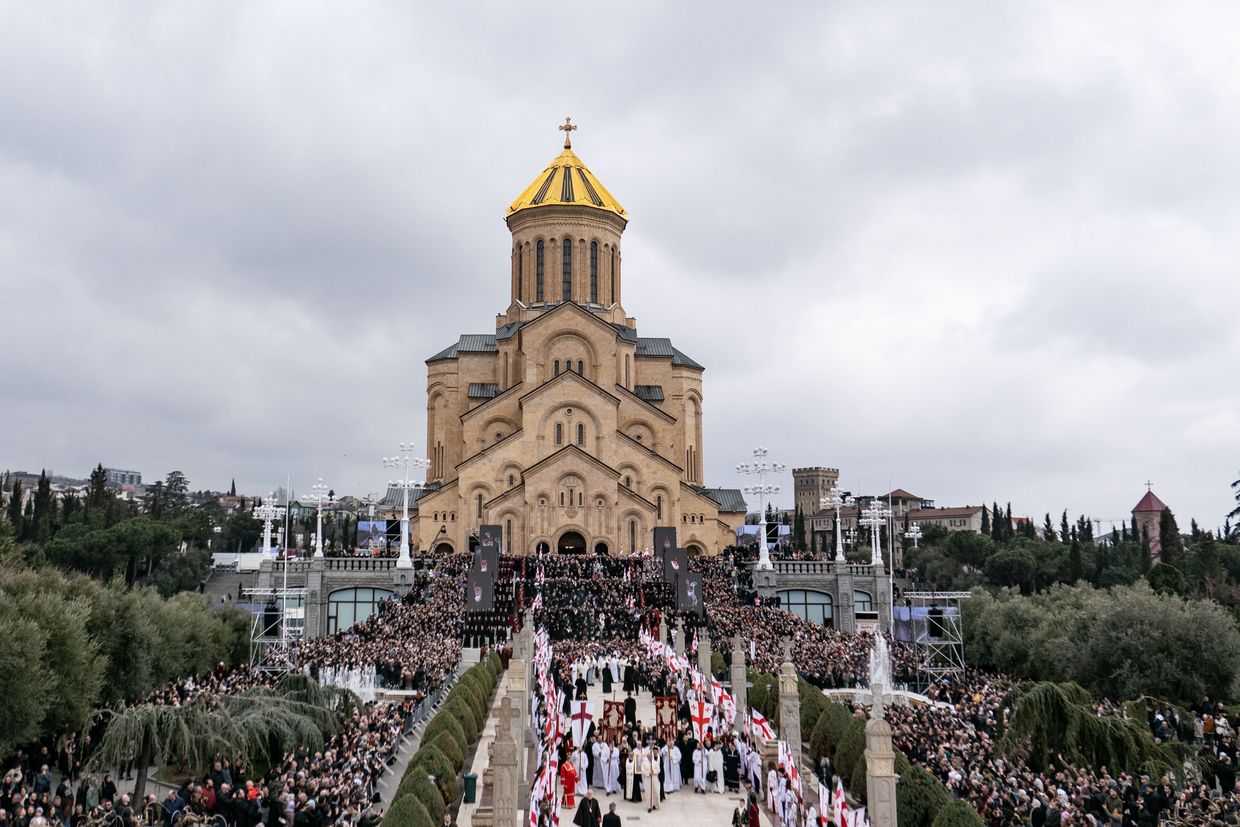
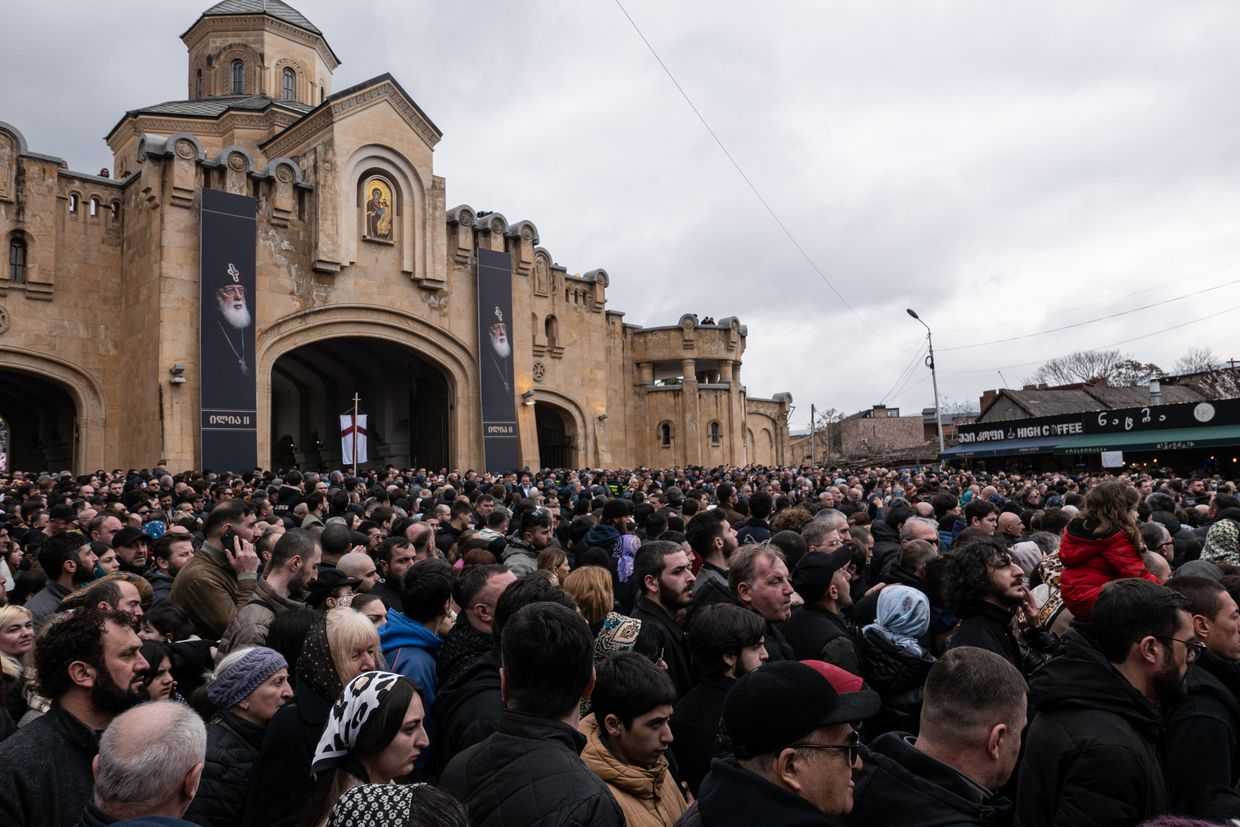
The Patriarch’s remarkably sharp political instincts allowed him to navigate the turbulent Georgian political landscape. From the expansion of spiritual infrastructure and the congregation to the broadening of its socio-political influence, he secured the consolidation of the Church as the home of established religion, symbolised in the 80-metre-high Holy Trinity Cathedral, Sameba, in central Tbilisi.
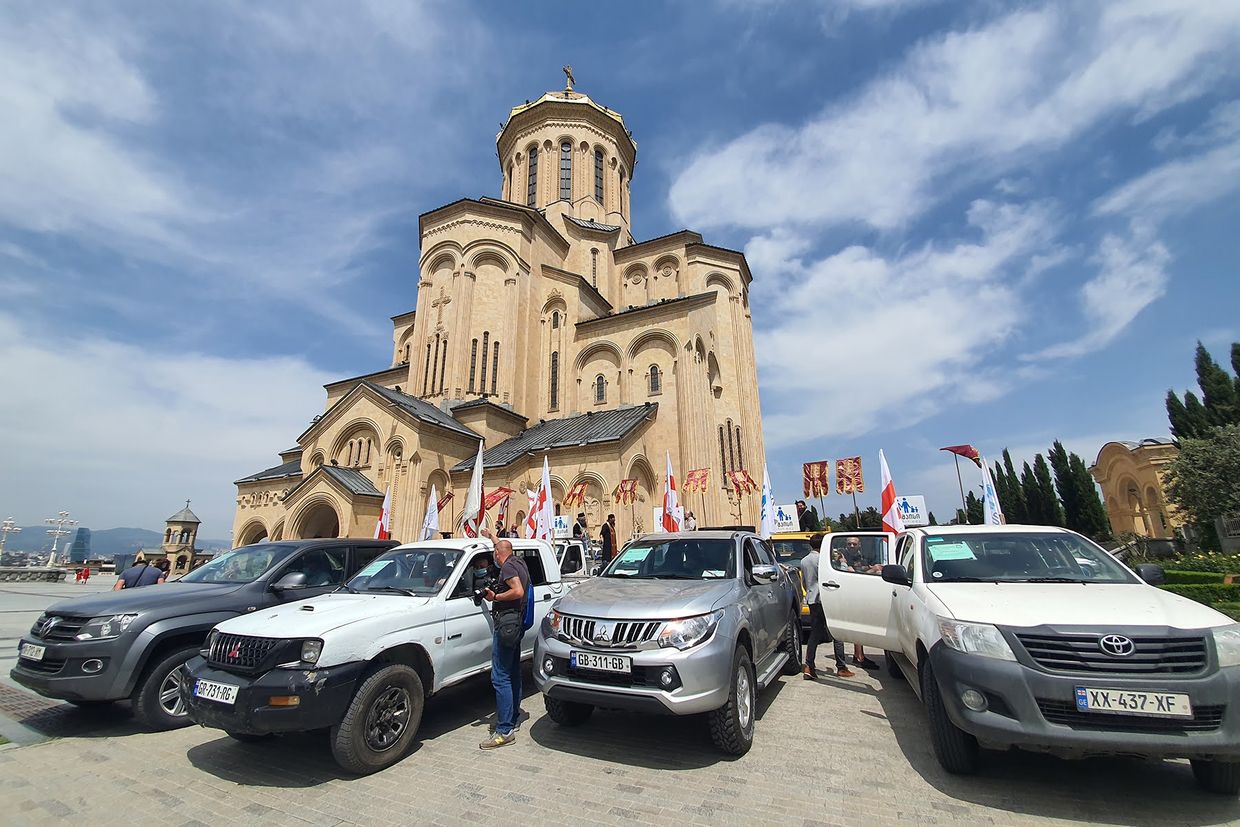
In his annual Christmas epistles as well as his Sunday sermons, Ilia II defined the Church’s role not only as guiding individuals to salvation, but in transforming society and responding to the social and cultural challenges of the modern world, including abortion, drug use, immigration, sex education, and the ‘sin of sodomy’.
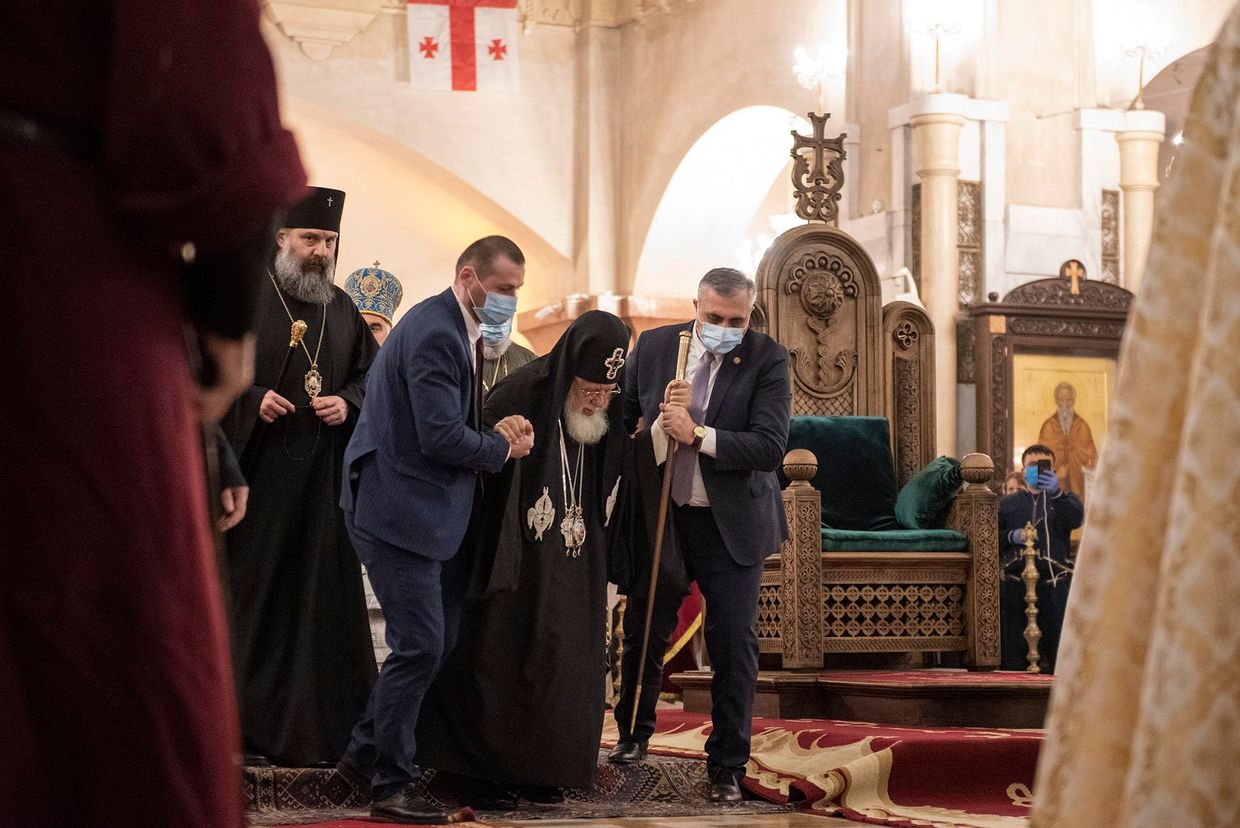
In recent years, Ilia II has rarely appeared in public, largely due to ill health, fuelling speculations about the extent of his involvement in the patriarchate affairs.
An influential conservative voice
In Ilia II’s worldview, Orthodox Christian faith was a necessary element of Georgian identity.
One of the cornerstones of this Georgian Christian identity was, according to him, the hierarchical family structure — that a family should be headed by a man, while a woman’s role was to obey and care for the children.
Albeit a staunch conservative, he remained largely silent over the sex tapes repeatedly targeting women government critics.
In his 2014 Christmas epistle, Ilia II warned against ‘challenges’ previously unknown to humankind, including artificial insemination, cloning, and growing support for euthanasia.
In the same address, he insisted that a family with a child born through surrogacy was destined to be unhappy, and predicted that children born through artificial insemination would be ‘problematic’.
In his 2012 epistle, he highlighted love and devotion for God and homeland as antidotes for chauvinism, racism, and cosmopolitanism.
Ilia II was also critical of what he saw as ‘foreign influences’, including advocacy for liberalisation of drug policy, the ruling Georgian Dream’s short-lived initiative to produce and export cannabis.
Georgians critical of the Church and Ilia II frequently accused him of sending ‘anti-Western’ messages while relying on medical services in Germany to help his ailing health.
In his September 2017 sermon, Ilia II described Georgia as an ‘attractive’ place for foreigners — while also questioning if their presence was in Georgia’s best interests — a statement many found xenophobic.
‘Of course, we cannot ban [anyone] from coming but the guest should know their place’.
The Georgian Orthodox Church was also harshly criticised by liberal civil groups and an array of liberal political parties for their refusal to respect state of emergency restrictions during the COVID-19 outbreak in Georgia in spring 2020.
Ilia II also disappointed many for his failure to explicitly condemn anti-queer and anti-liberal violence on the streets of Tbilisi since 2011, as ultra-conservative counter-demonstrations became routine.
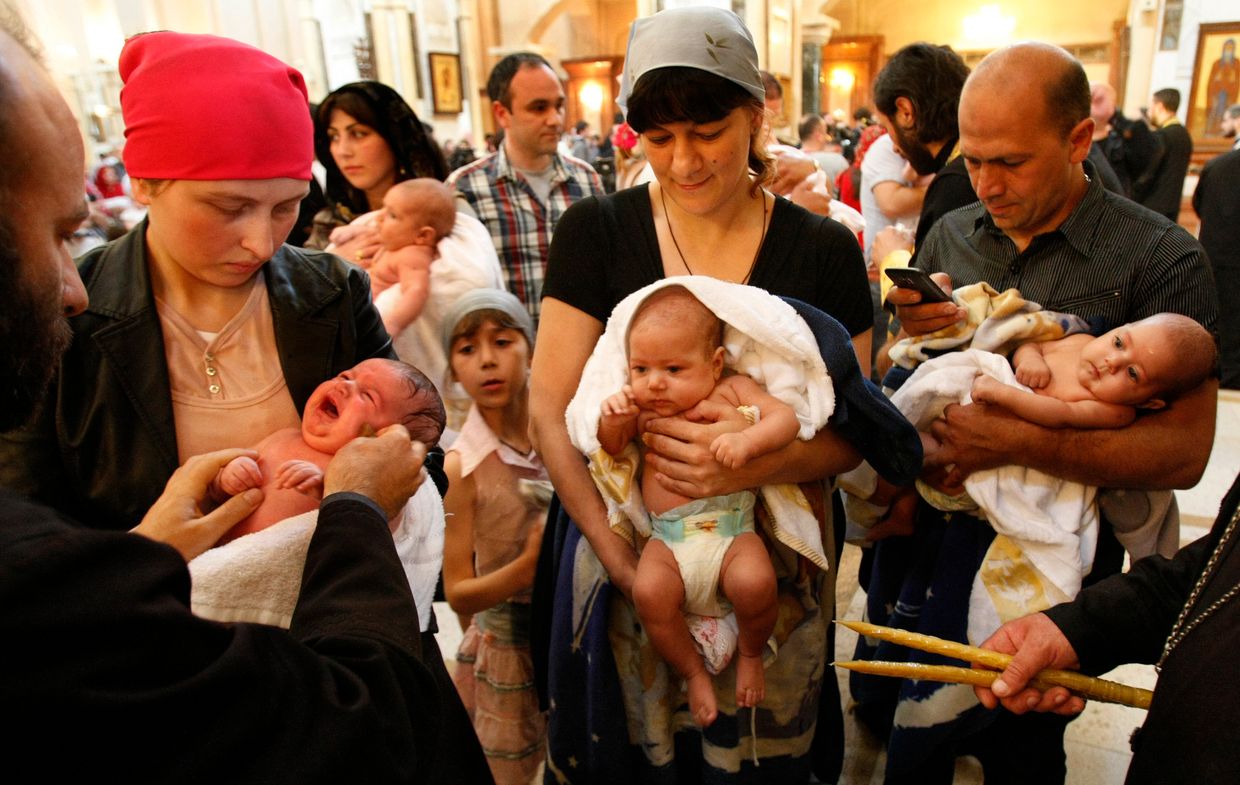
Facing extremist and violent backlash against liberal demands on the streets, frequently led by priests with their parishes, he offered conservative alternatives to ‘celebrate’: marking Day of Family Purity on 17 May — marked internationally as International Day Against Homophobia, Biphobia, and Transphobia — and wedding couples and christening babies en masse.
Ilia II was also a fierce opponent of abortion, equating it with murder and deeming it a crime against the Georgian nation — more so after the August 2008 War.
In his later years, he tried to encourage higher birthrates by personally baptising every third and subsequent child in a family.
Scandals and a steady drop of trust towards the Church
A variety of public opinion polls suggest Ilia II enjoyed the highest level of trust among public figures in Georgia, and his initiatives or interventions into political debates was something that no influential secular leader, government, nor political group could afford to neglect.
Separate public opinion polls published by the International Republican Institute (IRI) and the National Democratic Institute (NDI) since the late 2000s placed the Church under Ilia II as the most favourably viewed institution among Georgians.
However, a series of scandals and controversies involving the Church in recent years saw a discernible drop in this support. Although the Patriarch himself continued to rank first among public figures, several studies — particularly from the late 2010s onward — pointed to a decline in trust toward the Church and the Patriarchate. In a number of surveys, the Patriarchate yielded their long-retained top position to the armed forces.
A 2020 analysis by the CRRC’s Dustin Gilbreath suggested that the unexpected emergence of a church-related scandal during their 2019 fieldwork studying public attitudes on the Church’s performance revealed a correlation between it and sharp — at least, short-term — decline in public trust in the Church.
The scandal, one of the largest in the Church in years, occurred in the autumn of 2019, when Archbishop Petre Tsaava, a member of the Church’s ruling body, the Holy Synod, accused Ilia II of ‘pederasty and sodomy’.
In early November 2019, another Synod member, Zosime Shioshvili, was accused of sexually assaulting a male student at the Tbilisi Theological Academy in the 1980s, when he was rector of the institution.
A massive dump of leaked State Security Service (SSG) files in September 2021 separately suggested a massive scale of corruption, political divisions and infighting, and criminal activities, including paedophilia, harboured by the Church, with a strong indication the SSG used these records to rein the Church in.
 Shota Kincha
According to some of those alleged surveillance files, Ilia II planned to resign in 2020 but was pressured by his nephew Dimitri Shiolashvili, the Head of Batumi and Lazeti Eparchy, to remain as Patriarch.
However, none of the allegations were investigated by the authorities. The ruling party dismissed them as a conspiracy by ‘opposition forces’ seeking to hurt the Church’s image.
A ‘KGB agent’ and relationships with Georgian state leaders
The Georgian Patriarch was not on good terms with the first Georgian President Zviad Gamsakhurdia, who did not rely heavily on his personal clout and preached his own version of Georgian national identity independently of him.
Gamsakhurdia’s death in 1993 ‘left Ilia II as the only sovereign in the matters of the theology of the nation, and the subsequent 25 years of his rule have clearly demonstrated the patriarch’s unmatched and unchecked power’, Nikoloz Aleksidze, professor of the history of religion and political thought at Tbilisi-based Ilia State University (ISU), wrote in 2020.
In contrast to Gamsakhurdia, Ilia II did not spare his praises to President Eduard Shevardnadze, who ran Georgia from 1995–2003.
Ilia II’s relationship with successive leaders — President Mikheil Saakashvili (2004–2013) and Bidzina Ivanishvili, who is widely believed to be the real power behind the currently ruling Georgian Dream party — seemed more complex.
The January 2013 meeting of Saakashvili and Ivanishvili hosted by Ilia II indicated Ivanishvili thought Ilia II was more sympathetic towards Saakashvili.
‘I know you love him more [than me]’, Ivanishvili jokingly told Ilia II at the end of the meeting.
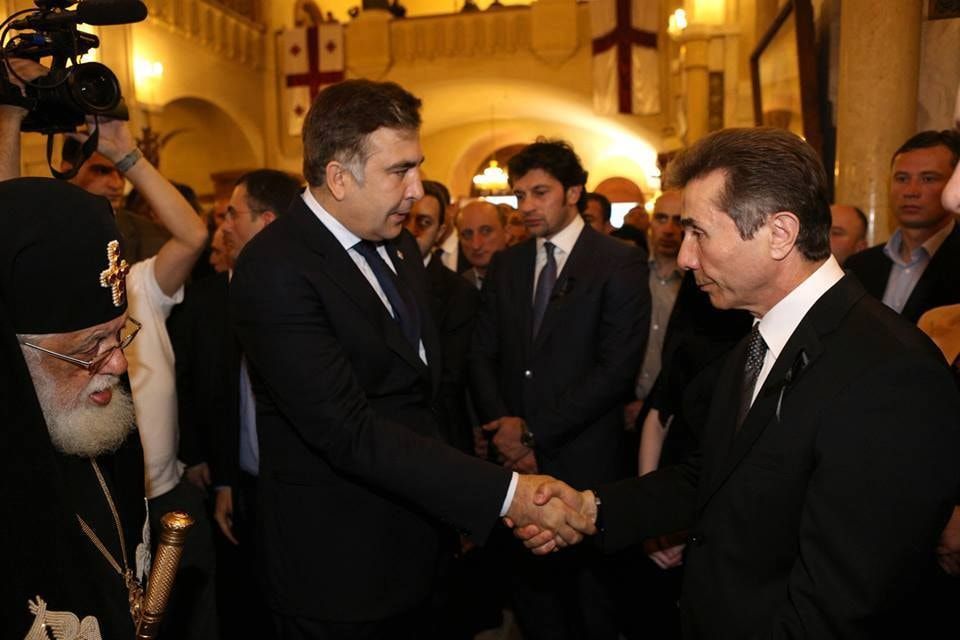
The SSG files of 2021 indicated Ivanishvili remained jealous about the relationship between Ilia II and Saakashvili and was also eager to learn who would be Ilia II’s successor.
In 2017, Giorgi Mamaladze, an Orthodox priest and a mid-level bureaucrat within the Church, was sentenced to nine years in prison for plotting the murder of Ilia II’s chief secretary with cyanide.
The opposition-leaning TV channel Rustavi 2 alleged that Mamaladze’s prosecution could have been a sign of the Georgian government’s efforts to undermine the authority of the Church and Ilia II.
Some high-ranking priests joined with sceptics in questioning Mamaladze’s guilt publicly, which made cracks inside the Holy Synod public. Georgians saw the unprecedented scale of conflict inside the Church as archpriests criticised each other in TV interviews.
Volodymyr Soboliev
Beyond his relationship with the Georgian government, Ilia II was also sometimes criticised for his perceived ties with the Soviet KGB and nostalgia towards the Soviet past.
In the autumn of 2009, an anonymous YouTube account under the name Mama Buasili (‘Father Haemorrhoids’) started uploading satirical videos targeting Ilia II for his perceived love of Russia and antipathy to then-President Saakashvili.
The videos caused a public uproar, even more so after Tea Tutberidze, leader of the Liberty Institute, close to the then–ruling United National Movement (UNM) party, shared them on her Facebook page.
As the scandal unfolded, Tutberidze accused Ilia II of questioning the inevitability of August 2008 War and claimed the Patriarchate was full of KGB agents steering Ilia II’s statements and decisions.
In April 2019, the libertarian party Girchi publicly called on the Church to comment on frequently circulated documents online allegedly proving Ilia II was a KGB agent.
In his 2013 interview with Russian news outlet Kavkazskaya Politika, Ilia II lionised the ‘eminent’ Soviet dictator Joseph Stalin for allowing Orthodox Christian churches and religious teaching schools to open in the Soviet Union.
In the same interview, he also said that Georgians and Russians were, and would always remain, ‘brothers’. The sentiment, coming only five years after the August War, irritated some Georgians.
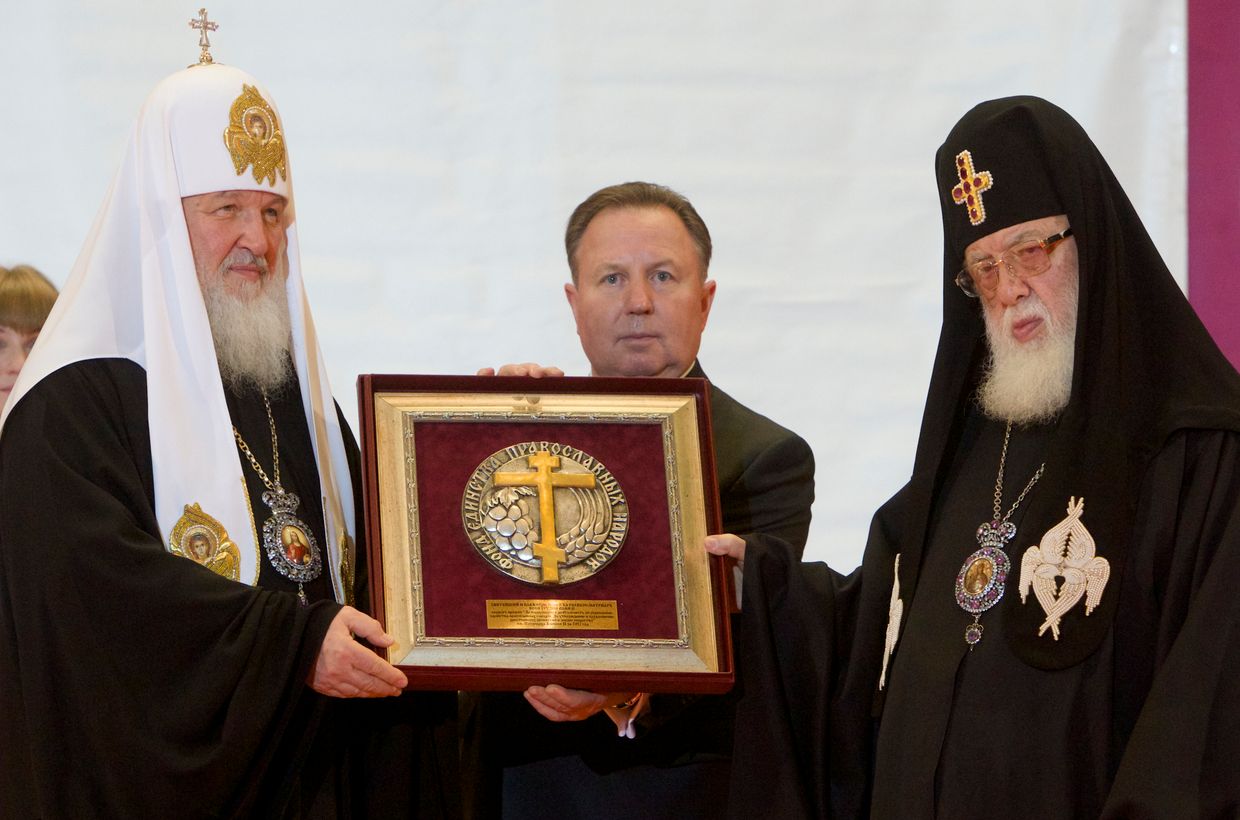
Throughout his years on the Patriarch’s seat, Ilia II kept ties with the Russian Orthodox Church, claiming that the dialogue safeguarded Georgian influence. Even so, he was an advocate for the independence (autocephaly) of the Georgian Orthodox Church, both annulled and later restored by Soviet rule.
At the same time, his position on the Ukrainian Orthodox Church, which broke off from the Russian Orthodox Church in 2019, remained unknown. Ilia II’s administration deemed the issue ‘complicated’ and postponed deciding on it, citing a sizeable clergy and congregation under the Moscow-linked Orthodox Church in Ukraine that continued existence alongside the Ukrainian Autocephalous Orthodox Church.
A privileged Church in conflict with religious minorities
Ilia II never directly addressed criticism levelled by a number of Georgian rights groups about the Church receiving lands and other property from the state for free.
Although he called wealth a ‘temptation’, the Synod under Ilia II were anything but poor: in 2017, online journal Indigo reported that 41 out of 47 Synod members were involved in businesses run by the Church (44 commercial entities in total) and that since 2002, the Patriarchate had received over ₾285 million ($82 million) from the state and local budgets.
With a 2002 constitutional agreement between the Church and the state, commonly referred to as the Concordat, the Georgian Orthodox Church was granted a special status which according to some rights groups, contradicted the principles of ‘secularism’ and ‘equality’.
The Concordat also created a pretext for Georgian governments, both present and under Saakashvili, to fund the Church from the state budget and transfer state-owned real estate to them as restitution for damage done and assets seized during Soviet rule.
OC Media
Advocates of religious equality pointed out that different dioceses and parishes under the Church were frequently instrumental in pressuring authorities to stall or ban the construction of mosques throughout Georgia.
In September 2018, the Georgian government transferred 8 hectares of land for free to the Church. The land had been in use by the Muslim population in the villages of southern Georgia’s Adigeni Municipality for many years. Even though locals complained that the land was their only source of income, the Georgian Orthodox Church decided to build a monastery there and pursue agriculture.
The Muslims of Adigeni are not alone in feeling hard done by this arrangement. In several villages in Samtskhe-Javakheti, Catholic Christians have been demanding that historically Catholic cathedrals currently owned and used by the Orthodox Church be returned to them. The same has been true of the Armenian Apostolic Church.
Under the 2002 agreement, the Georgian Orthodox Church has also been exclusively relieved from taxes in certain instances.
While with the Concordat the Church got back a large portion of historical property from the state, most other religious groups throughout Georgia have been struggling to be treated in a similar way.
Volodymyr Soboliev
The most prominent case has been the acquisition of the Armenian church in Tbilisi by the Georgian Orthodox Church in 2017 and its controversial maintenance.
In 2011, despite Ilia II’s strong objection, Georgian government fast-tracked the amended Georgia’s civil code that allowed other religious groups that had ‘close historical ties with Georgia’ to register as legal entities of public law.
Ilia II called smaller ‘non-traditional’ religious denominations forms of ‘spiritual aggression’ against Georgia and demanded from state to counter them.
An advocate for monarchy
Ilia II was an ardent supporter of what was popularly understood as a ‘restoration of monarchy’ in Georgia.
In 2008, he suggested Georgia become a constitutional monarchy, adding that it would require a referendum. While some political groups endorsed it, supporting statements never translated into any kind of campaign or legislative initiatives.
However, a year after, Ilia II married Davit Bagration-Mukhraneli and Ana Bagration-Gruzinsky, marking the ‘unity’ of two competing lines of Bagrationi dynasty that ceased to exist in early 19th century.
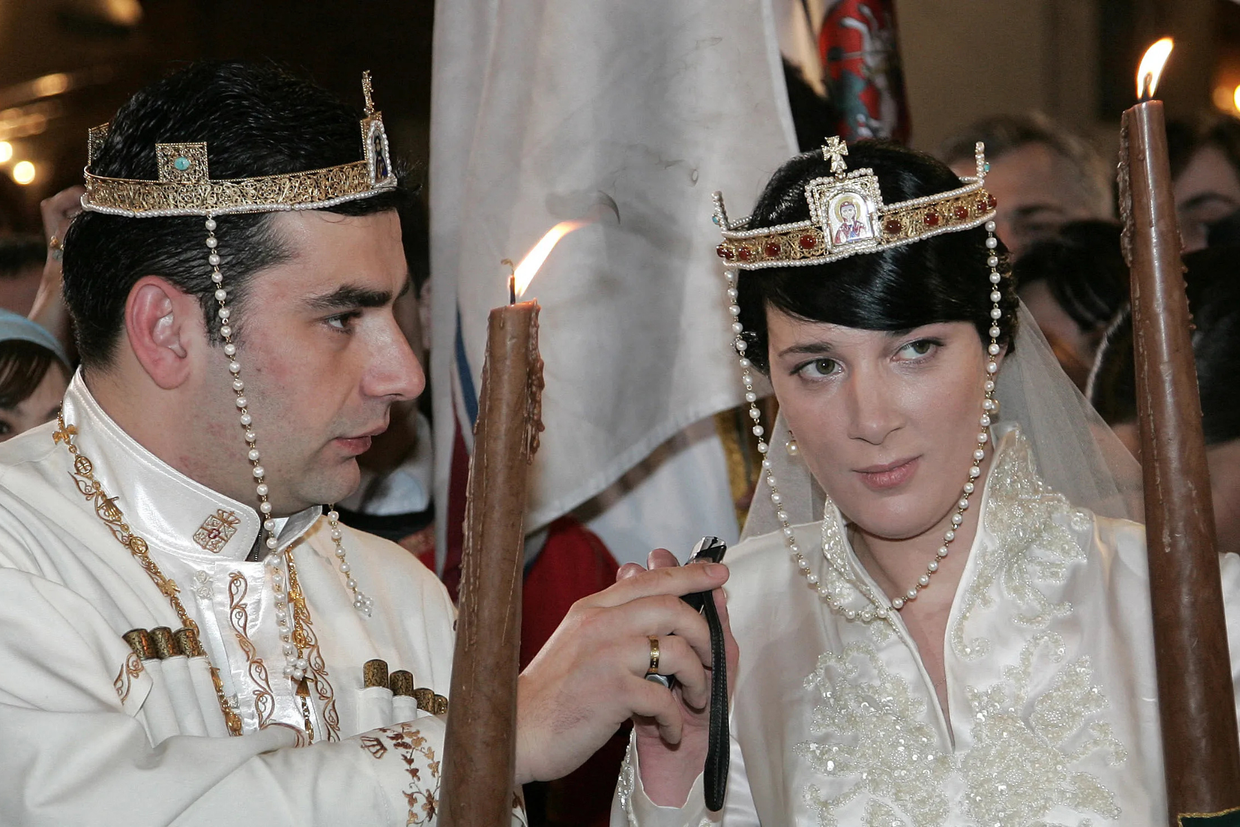
While the couple divorced in 2013, some Church circles still have regarded their son, Giorgi Bagrationi, born in 2011, as a prince and possible heir.
In March 2019, Ana Bagrationi sued her former spouse for acting in the name of ‘Royal House of Georgia’.
The Georgian Patriarch floated the idea of constitutional monarchy again in June 2017 as the ruling party was preparing for constitutional amendments.
Just as under Saakashvili’s tenure, Georgian Dream members expressed their interest in the idea but never followed up on it. The issue was seldomly raised again in the following years, even by Ilia II himself.
Ilia II passed away on Tuesday evening after being admitted into intensive care with abdominal bleeding earlier that day.
Metropolitan Shio Mujiri, whom Ilia II named as his incumbent — or locum tenense — in 2017, is expected to take over Church affairs until a new patriarch is selected.