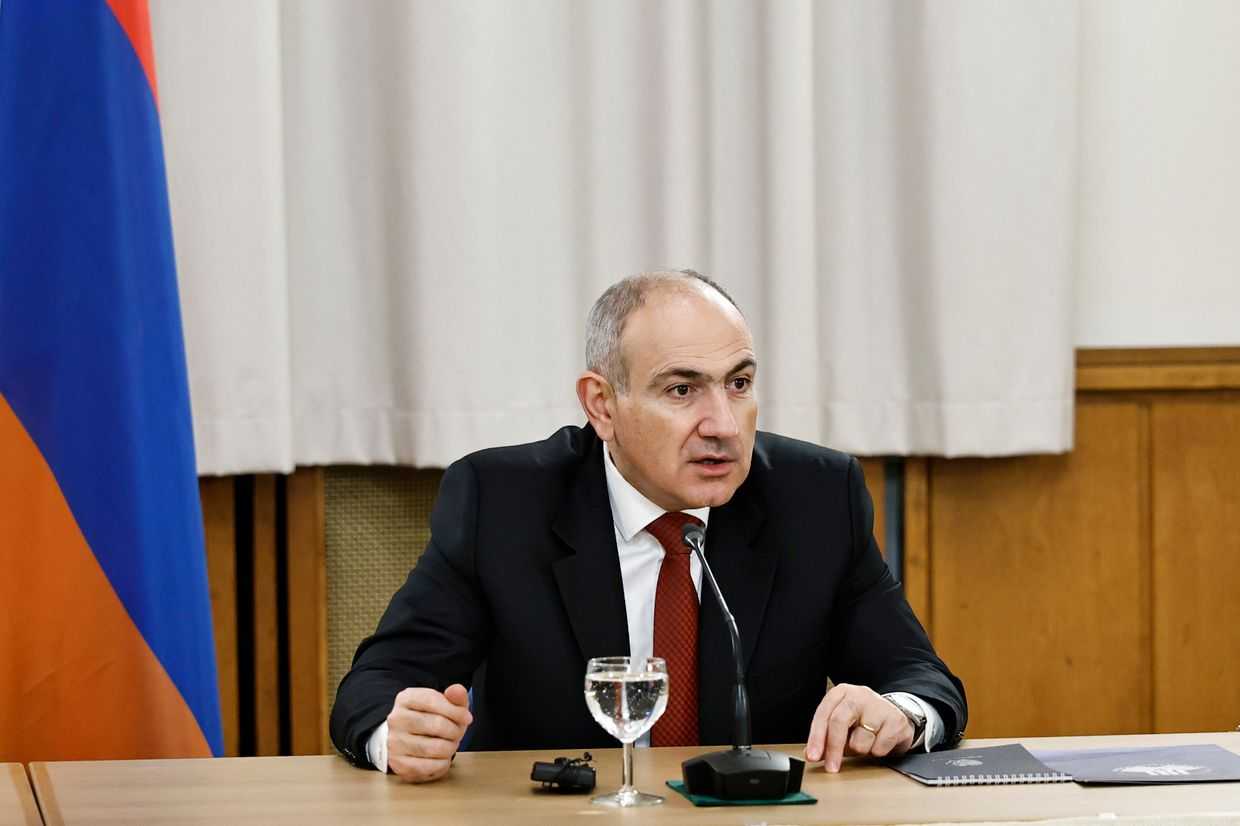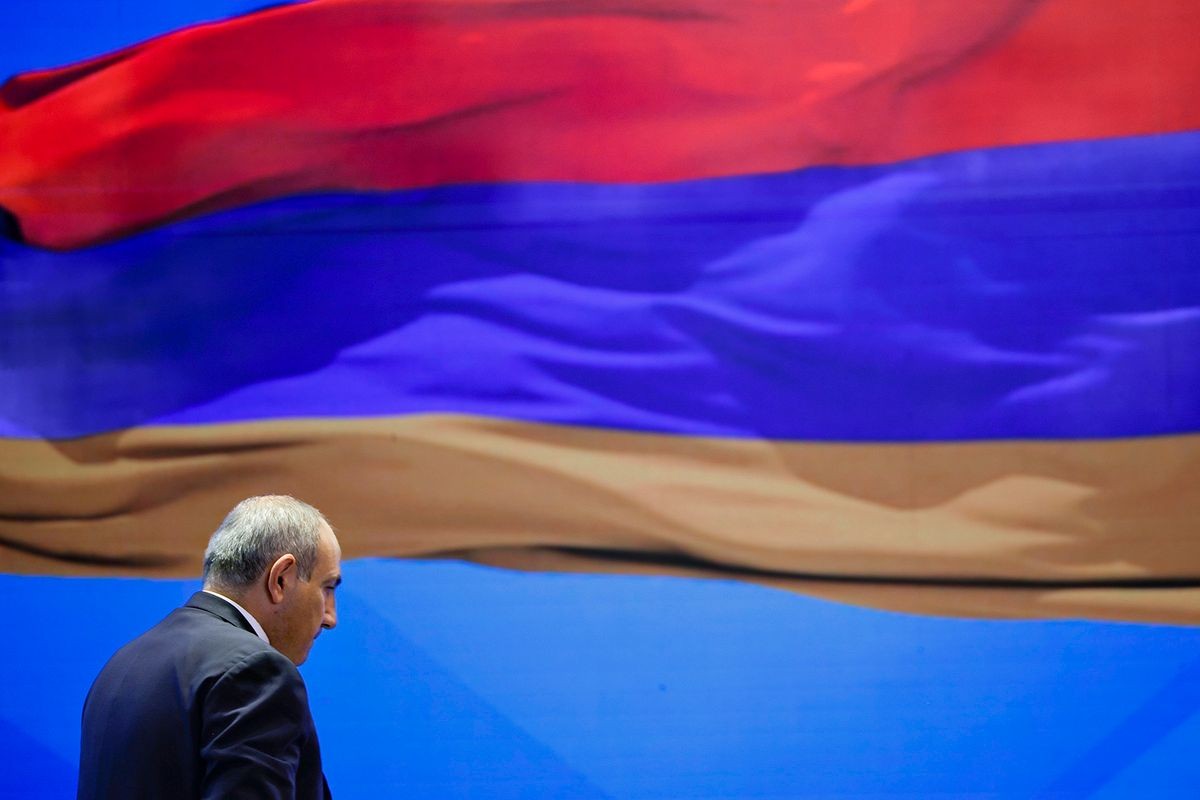
Prime Minister Nikol Pashinyan has claimed that Armenia would face a war if the opposition would come to power, suggesting that they want to ‘revise’ the peace brokered with Azerbaijan. He further accused his main opponents in the upcoming 7 June parliamentary elections of being backed by Russia and Belarus.
The remarks were made during Pashinyan’s press briefing on Thursday.
Pashinyan stated that his Civil Contract party ‘expect[s] to have a constitutional majority’ following the election. He claimed that such a showing would guarantee that ‘in the context of regional peace, we make these processes fully irreversible’.
He further accused the opposition of being a ‘war party’.
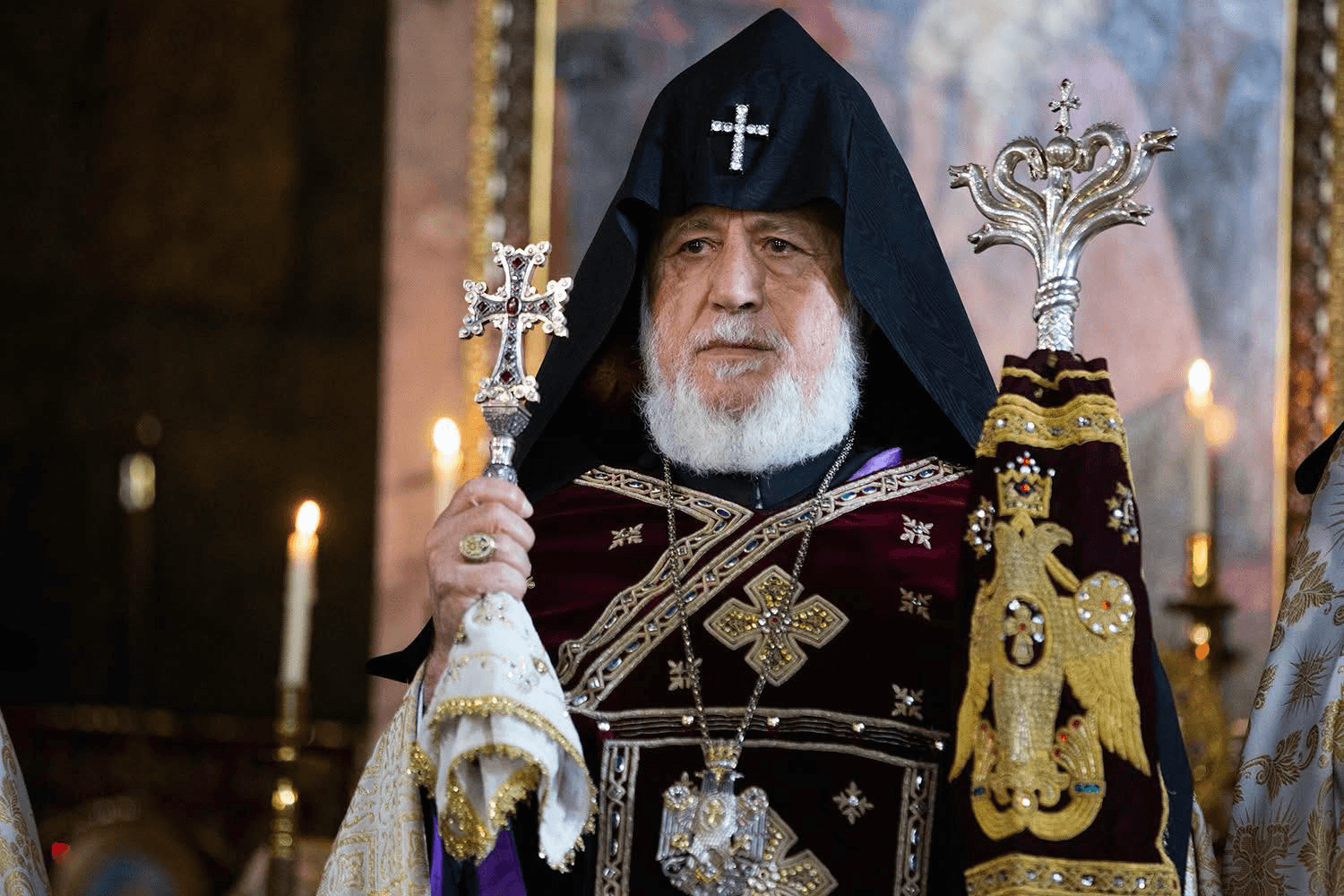
This explicit usage of ‘war party’ narrative is a new feature of Pashinyan’s rhetoric, first used in his speech to the EU Parliament earlier in March about the ongoing confrontation between his government and the Church, which has escalated since May 2025.
 Arshaluys Barseghyan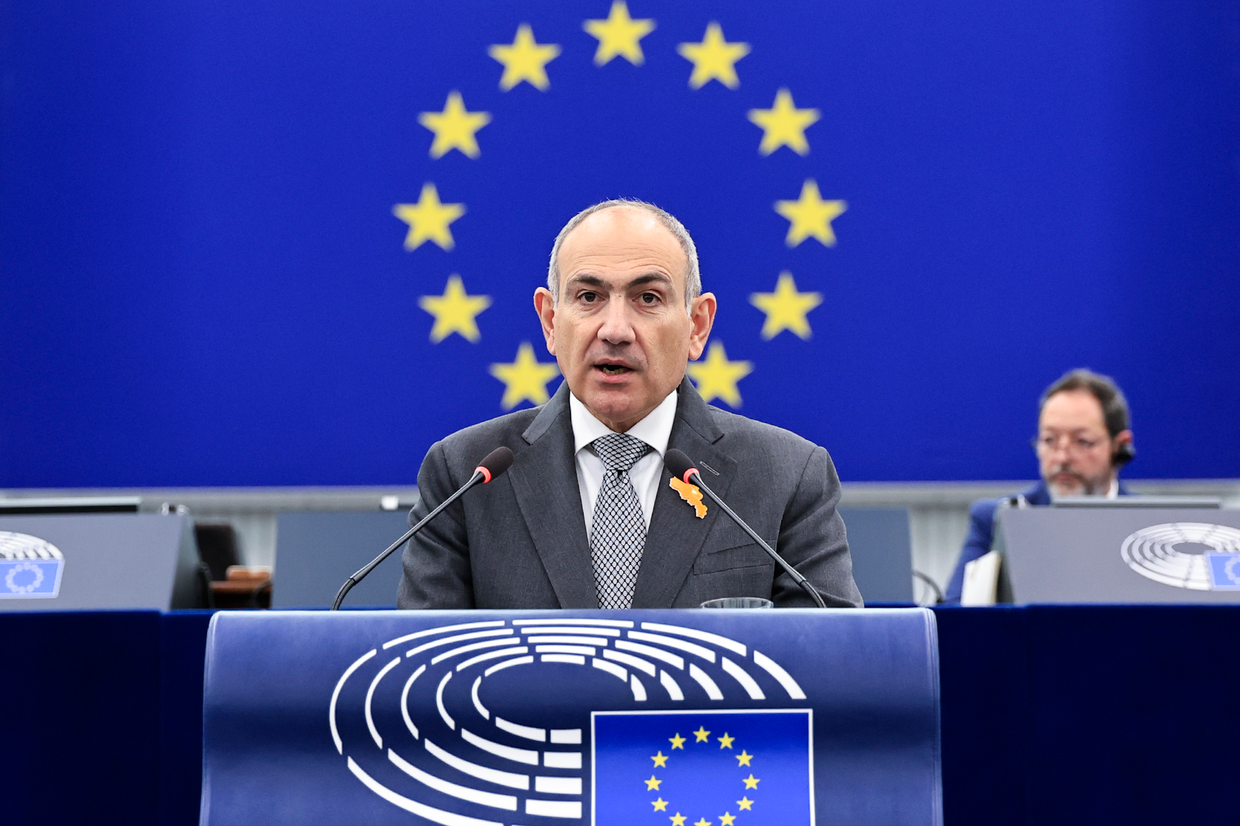
On Thursday, Pashinyan said that although the opposition claims they support peace with Azerbaijan, they intend to ‘revise [that] peace’ if elected.
Pashinyan insisted that this would lead to an ‘inevitable war’ for Armenia, arguing that it would result ‘not only with territorial losses, but also with a loss of sovereignty’. He even provided a timeframe when the war could occur — ‘not long after the elections, at most by autumn’.
To support his claim, Pashinyan referenced a narrative associated with Russian–Armenian tycoon Samvel Karapetyan’s Strong Armenian party — that Armenia needs to have a ‘strong peace’ with Azerbaijan.
Karapetyan’s party has promised to strengthen peace in several ways, including by having ‘several guarantors’, as well as bolstering the country’s army.
Pashinyan also referenced a poem cited by a supporter of Karapetyan, which emphasised that Nagorno-Karabakh should be ‘held captive for long’.
Arshaluys Barseghyan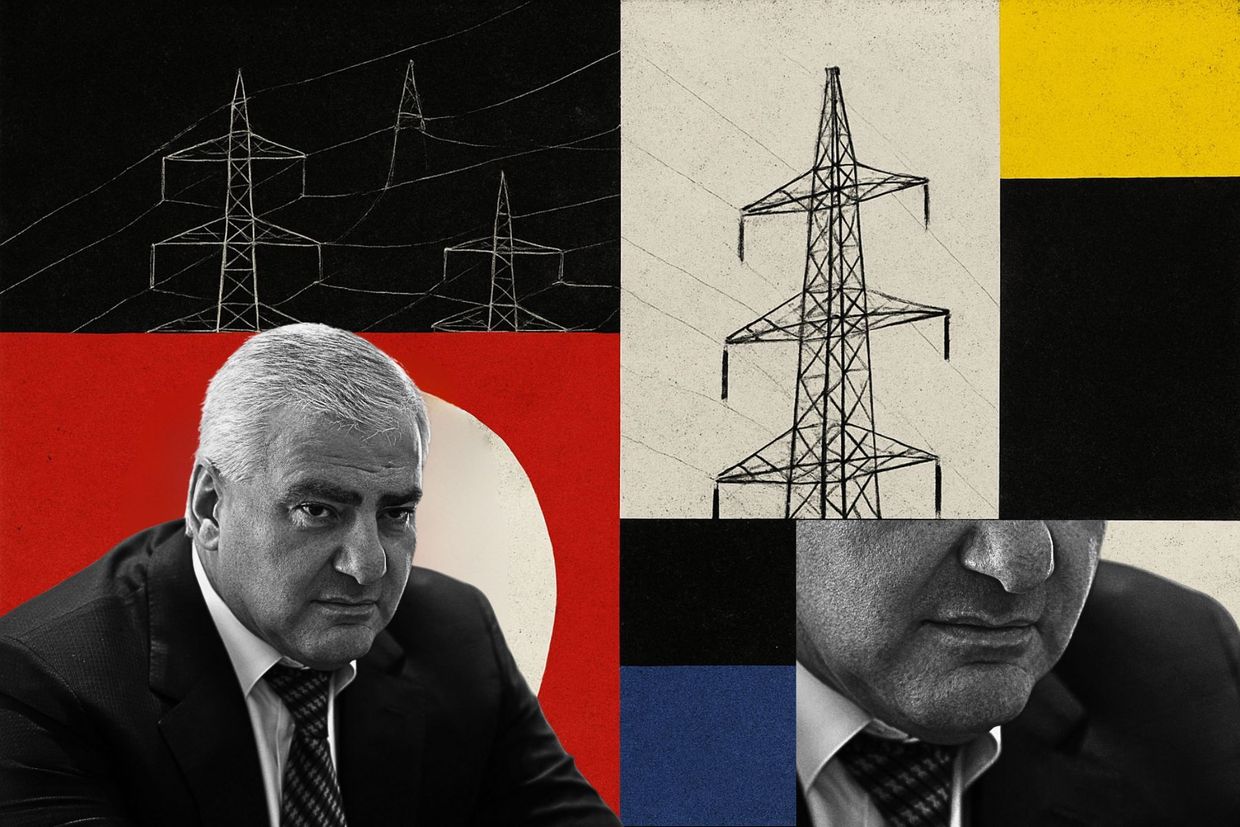
He also brought up comments made by Armenia Alliance MP Anna Grigoryan in March highlighting Armenian symbols and heritage sites, declaring that Ararat Mountain, in present-day Turkey, as well as Gandzasar and Dadivank medieval Armenian monasteries, located in Nagorno-Karabakh and the surrounding area, ‘are ours’.
‘Some of them, apparently, do not even understand what they are saying, because it is obvious to me that the texts they are voicing — at least part of them — are written elsewhere, and they are simply in the state of readers’, Pashinyan said.
Pashinyan suggested that the ‘emissaries’ would pursue war ‘to keep Armenia in the status of a periphery’. He further blamed them for having issues seeing how ‘Armenia has become independent’ under his tenure.
‘They are emissaries meant to prevent Armenia from becoming independent’, Pashinyan claimed.
‘They will preserve the billions they have in certain countries, because they have been sent here and told: if you do not solve the problem, what is formally registered in your name will no longer exist’, Pashinyan said, explicitly naming Russia and Belarus as the places where their assets are held.
Pashinyan suggested that his comments were directed at three opposition forces, but did not explicitly name them.
However, it was widely understood that he was referring to his main political opponents who have declared their participation in the elections — tycoons Karapetyan, who built his fortune mainly in Russia, Gagik Tsarukyan, who has business both in Russia and Belarus, as well as close ties with Belarusian leader Aliaksandr Lukashenka, and former President Robert Kocharyan.
Arshaluys Barseghyan
The opposition harshly criticised Pashinyan’s statement, suggesting that despite him being ‘the symbol of the war and defeat’, he tried to blame the opposition for pursuing war, which threatens Armenian society.
‘In the opposition field, I do not see any political force making revanchist statements, talking about re-liberating Artsakh [Nagorno-Karabakh] after coming to power’, MP Grigoryan told RFE/RL.
‘[The opposition speaks] about defending certain values, returning our prisoners [held in Azerbaijan]. Yes, the return of prisoners does not mean war; defending our churches does not mean war’.
Currently, there are 19 Armenian prisoners held in Azerbaijan, among them former Nagorno-Karabakh political and military leaders.
Speaking to RFE/RL, Karapetyan’s associate Gohar Meloyan suggested that Pashinyan possess ‘one tool to get re-elected’, which is ‘threatening people with war’.