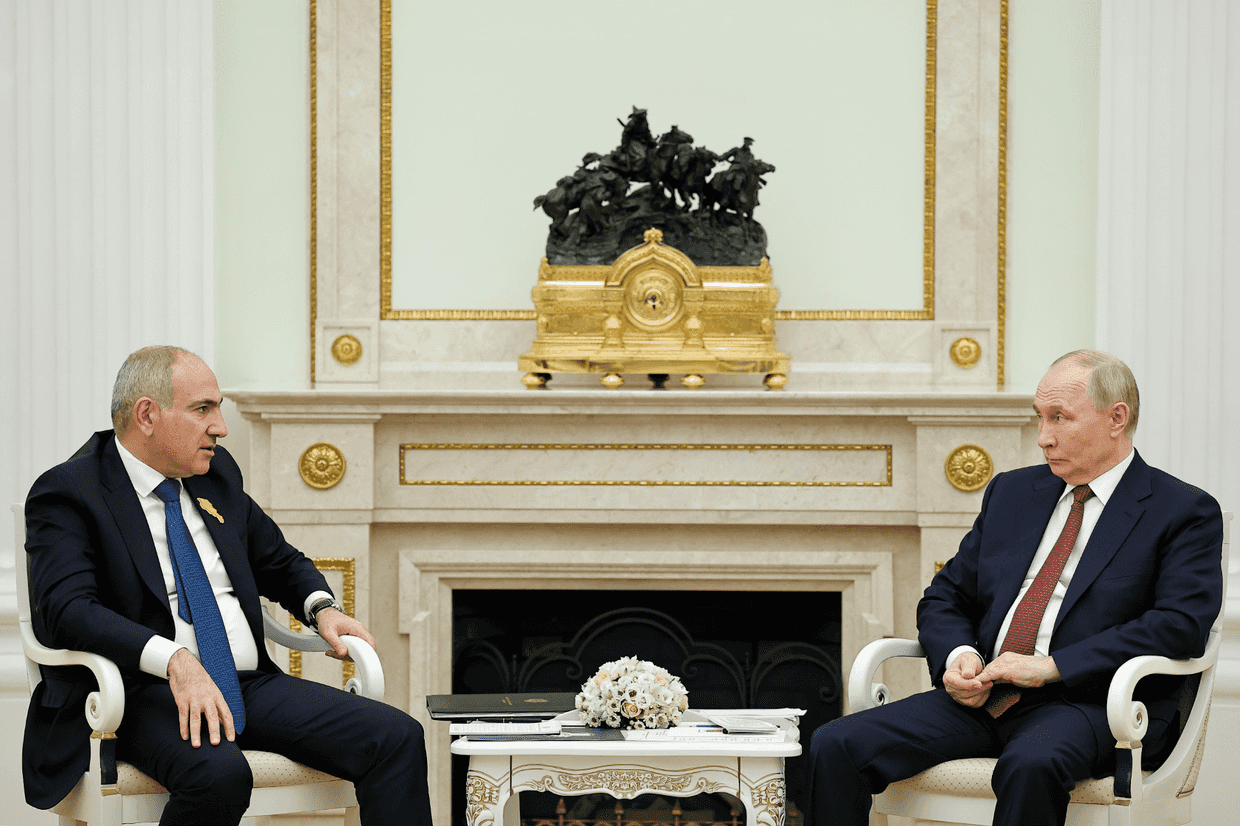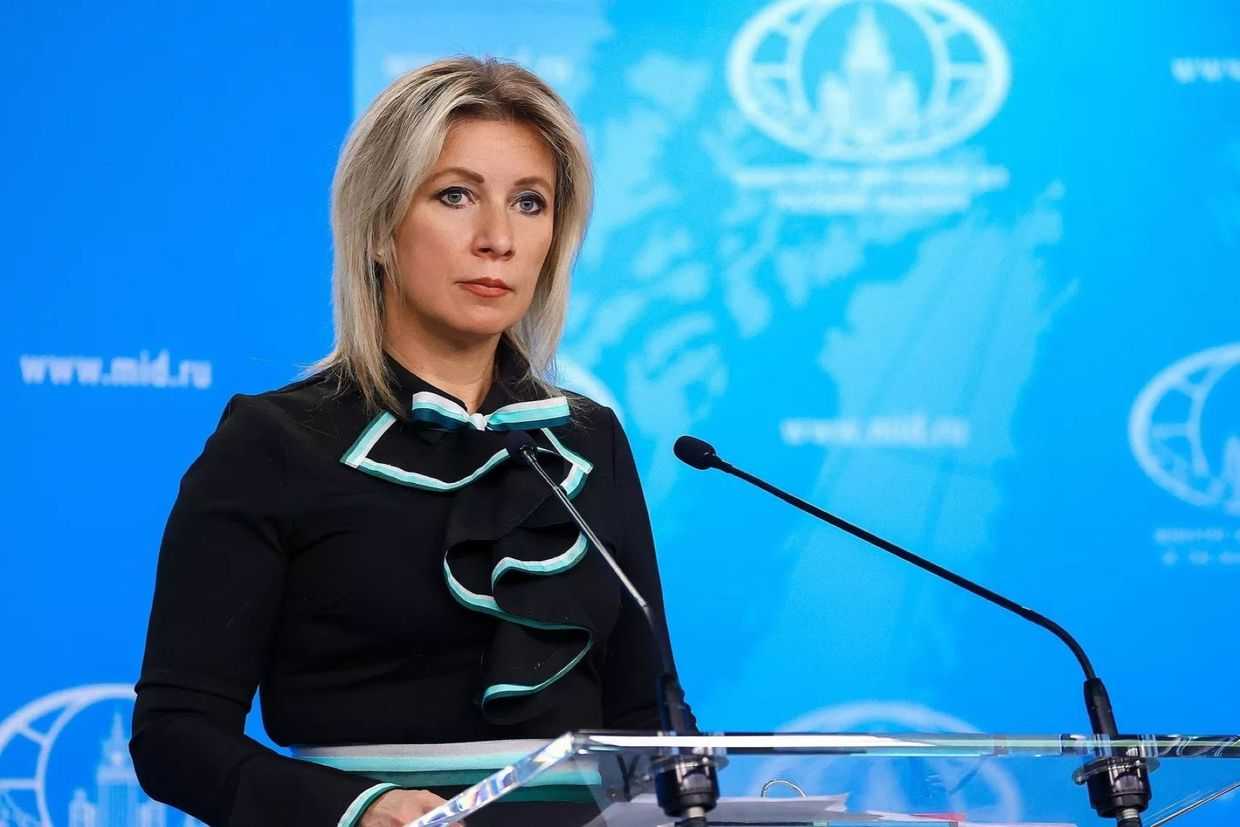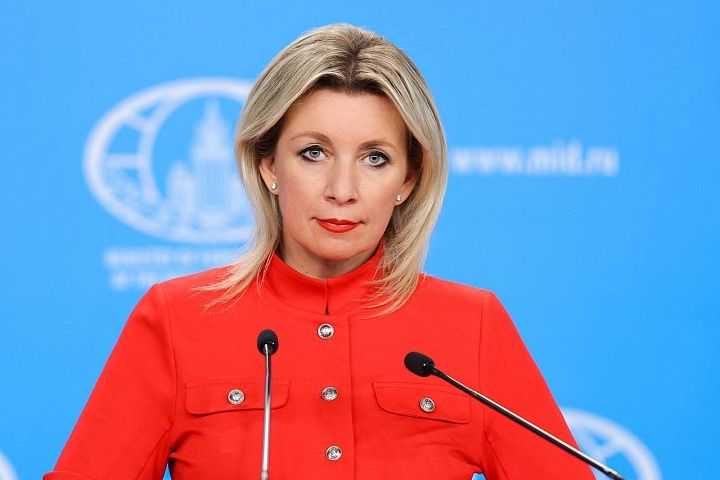
Russia’s Foreign Ministry has for the second time in two weeks criticised Armenia over its EU integration aspirations. In a statement on early Friday morning, the ministry referenced Armenia’s membership in the Russian-led Eurasian Economic Union (EAEU) and pointed at the ‘potential negative consequences’ of what they called a ‘forced rapprochement with Brussels’.
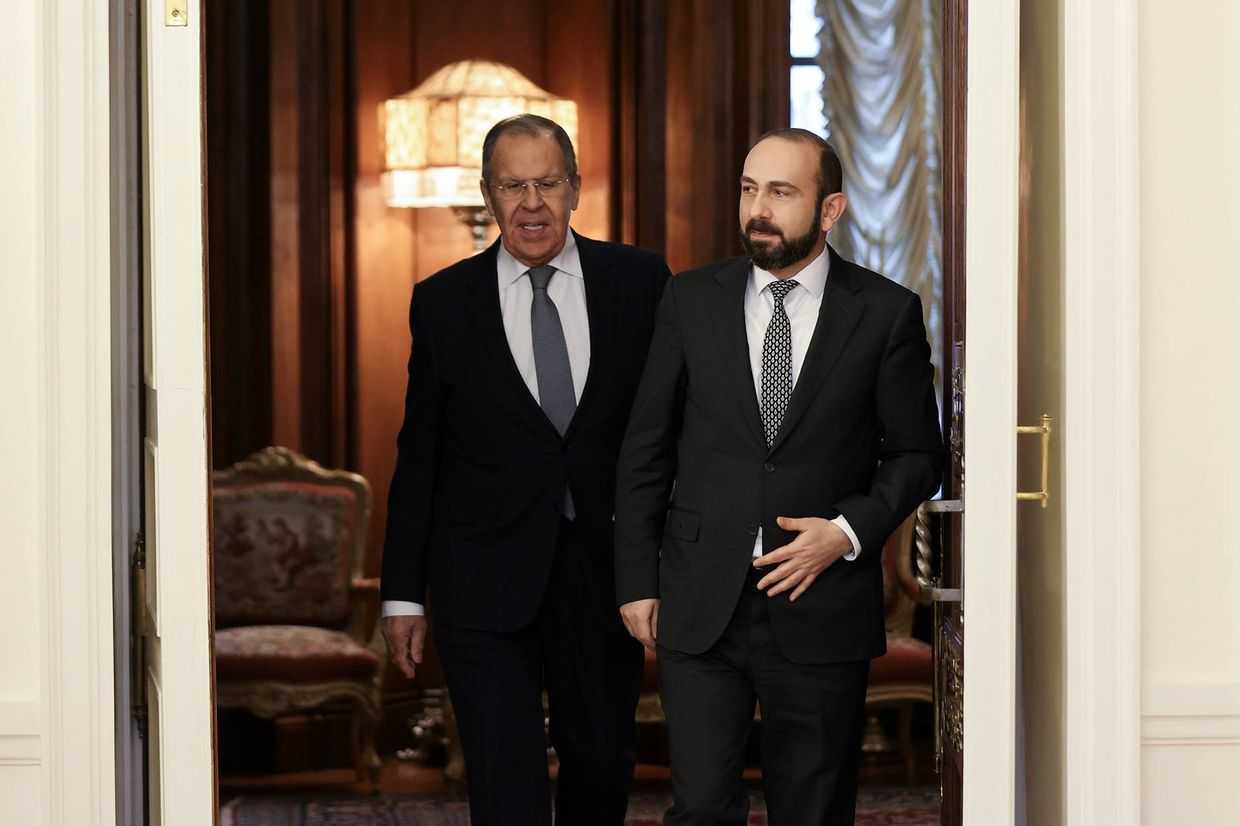
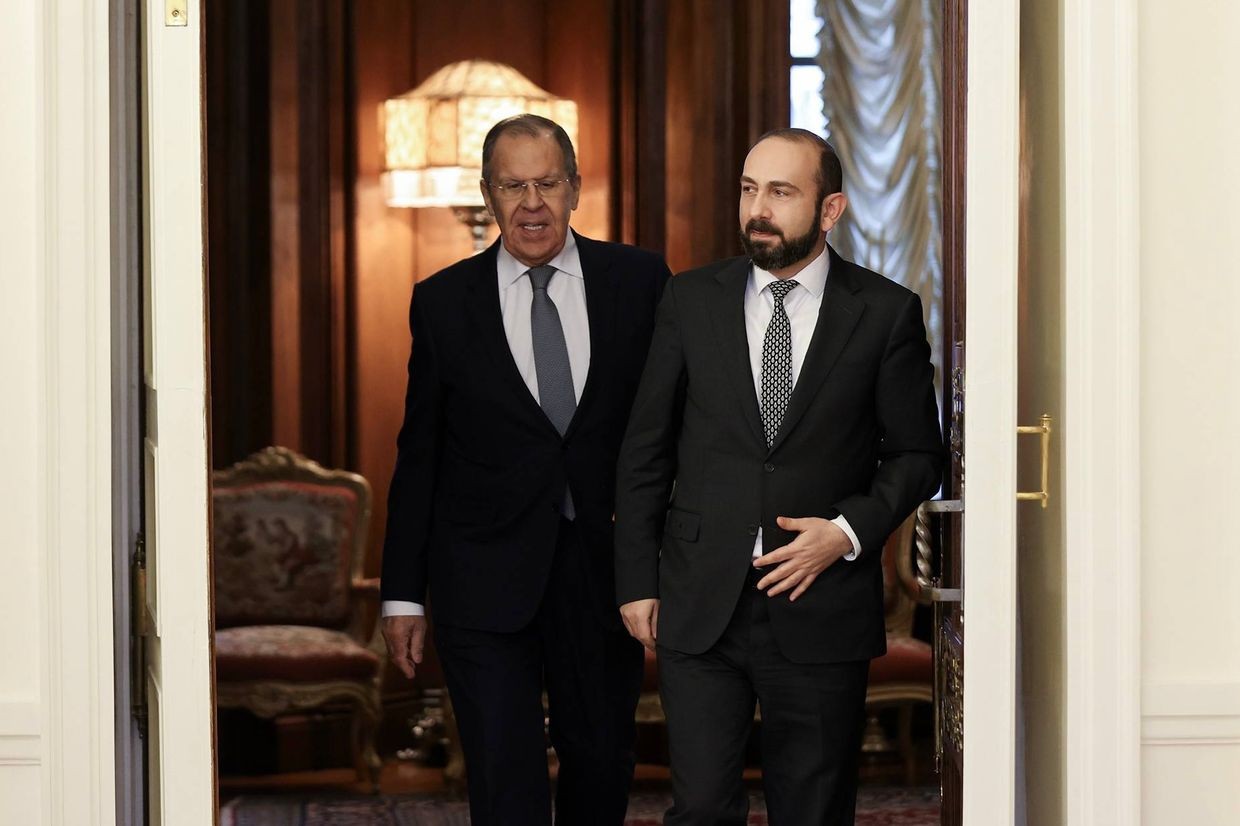
Russia’s latest round of criticism followed Armenian Foreign Minister Ararat Mirzoyan’s speech at the Parliamentary Assembly of the Council of Europe (PACE) on Wednesday, during which he spoke about Armenia–EU relations.
During his official statement, Mirzoyan referred to a bill adopted by parliament in March 2025, calling on the government to pursue EU integration. The bill was proposed by the Eurovote civic initiative, which gained public support through a petition.
‘This represents the democratic will of the Armenian people to anchor our future in the European family of nations as an authentic reflection of our values and identity’, Mirzoyan said.
 Arshaluys Barseghyan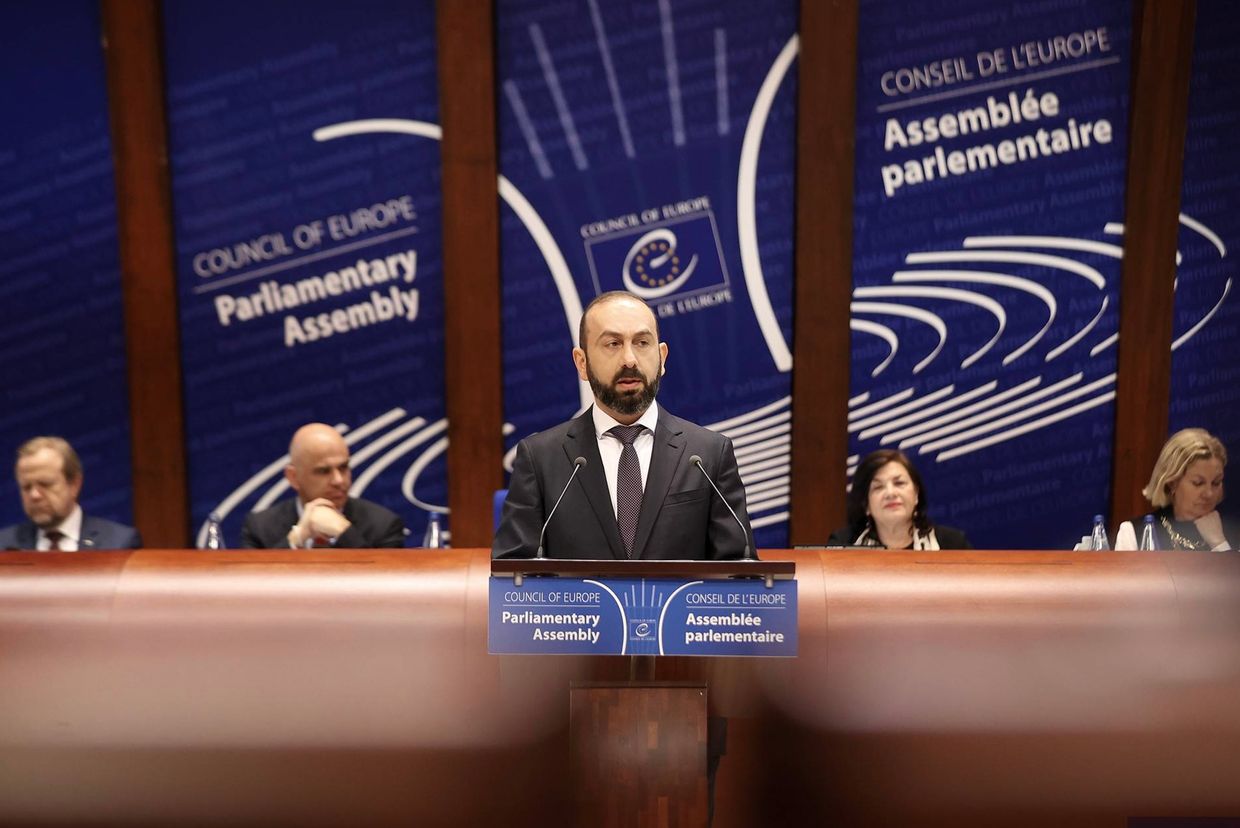
‘Armenia’s interest in membership in this organisation [EU] cannot help but cause concern’, Vladislav Maslennikov, the Director of the Russian Foreign Ministry's Department of European Problems, stated less than two days after Mirzoyan’s speech.
Maslennikov made the remarks in an interview with the Russian state-run media outlet TASS, adding that the EU has been rapidly transforming into ‘an aggressive military-political bloc’ with a ‘strategic course aimed at confrontation with Russia’.
‘We count the fact that Armenia, as a member of the EAEU, realises the potential negative consequences of the forced rapprochement with Brussels both for our alliance relations and for the development of integration processes in the post-Soviet space’, Maslennikov said.
Maslennikov also claimed that Brussels has already begun to ‘actively impose on Yerevan a politically motivated transition to EU standards’, disregarding Armenia’s membership in the EAEU and its related obligations.
‘The fact that simultaneous membership in the EAEU and the EU is impossible by definition’, Maslennikov concluded.
Earlier in January, Prime Minister Nikol Pashinyan clarified that Armenia ‘unequivocally and without question’ wants to become an EU member state.
Admitting that Yerevan is ‘fully aware’ of the crucial precondition on this path — that Armenia must meet EU standards — he expressed Armenia’s commitment to reaching that goal.
Yousef Bardouka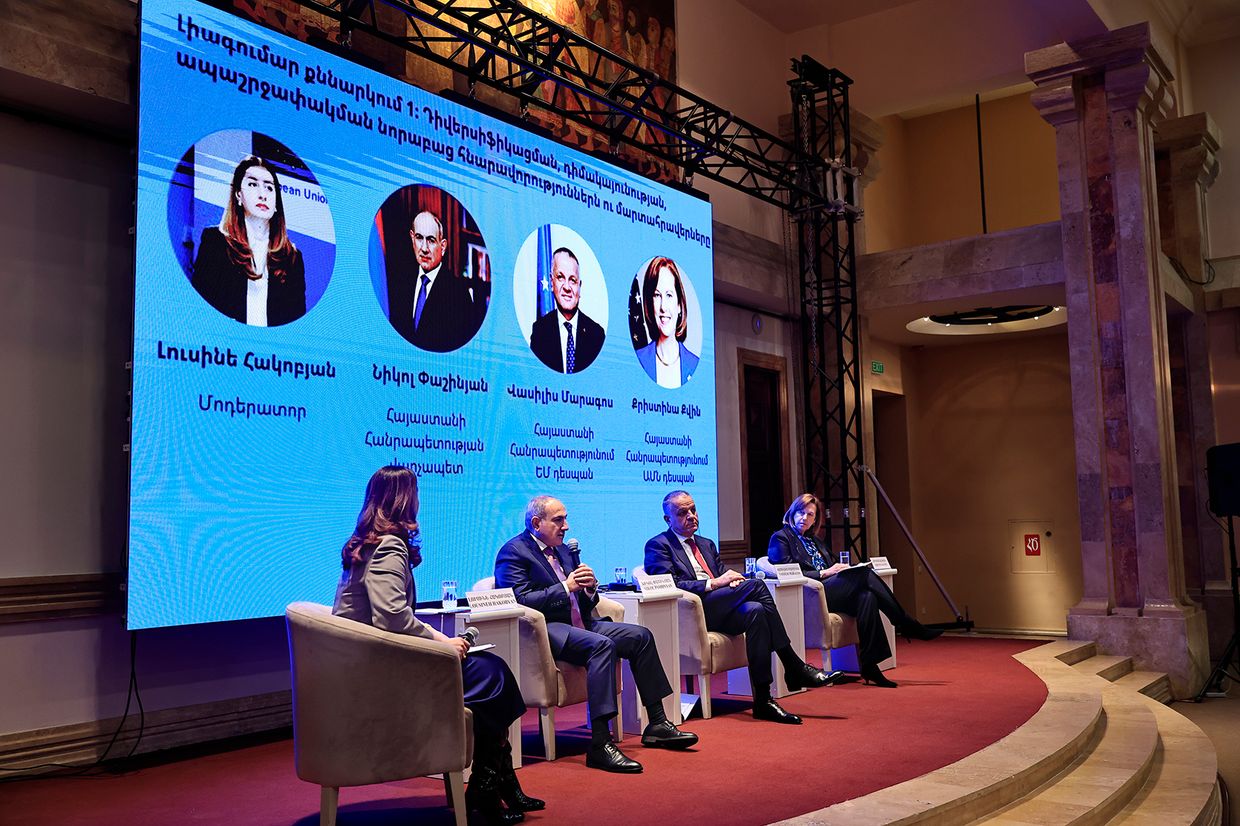
In his recent interview with TASS, Maslennikov appeared to remind Armenia that ‘meeting all of Brussels’ demands does not guarantee EU membership’.
Instead, he argued that on the path to EU integration, ‘Brussels begins to demand’ from any candidate country ‘full solidarity with its foreign policy, which is currently openly anti-Russian’.
He further cautioned against EU membership, saying that, ‘especially given its current state, [it] by no means guarantees prosperity for candidate countries’.
Previously, Russian Foreign Minister Sergei Lavrov warned Armenia that it would be ‘technically impossible’ for Armenia to switch to EU standards while remaining a member of EAEU.
The statement came shortly after Yerevan clarified that Armenia is ‘unequivocally’ seeking EU accession.
Arshaluys Barseghyan
This article was translated into Russian and republished by our partner SOVA.