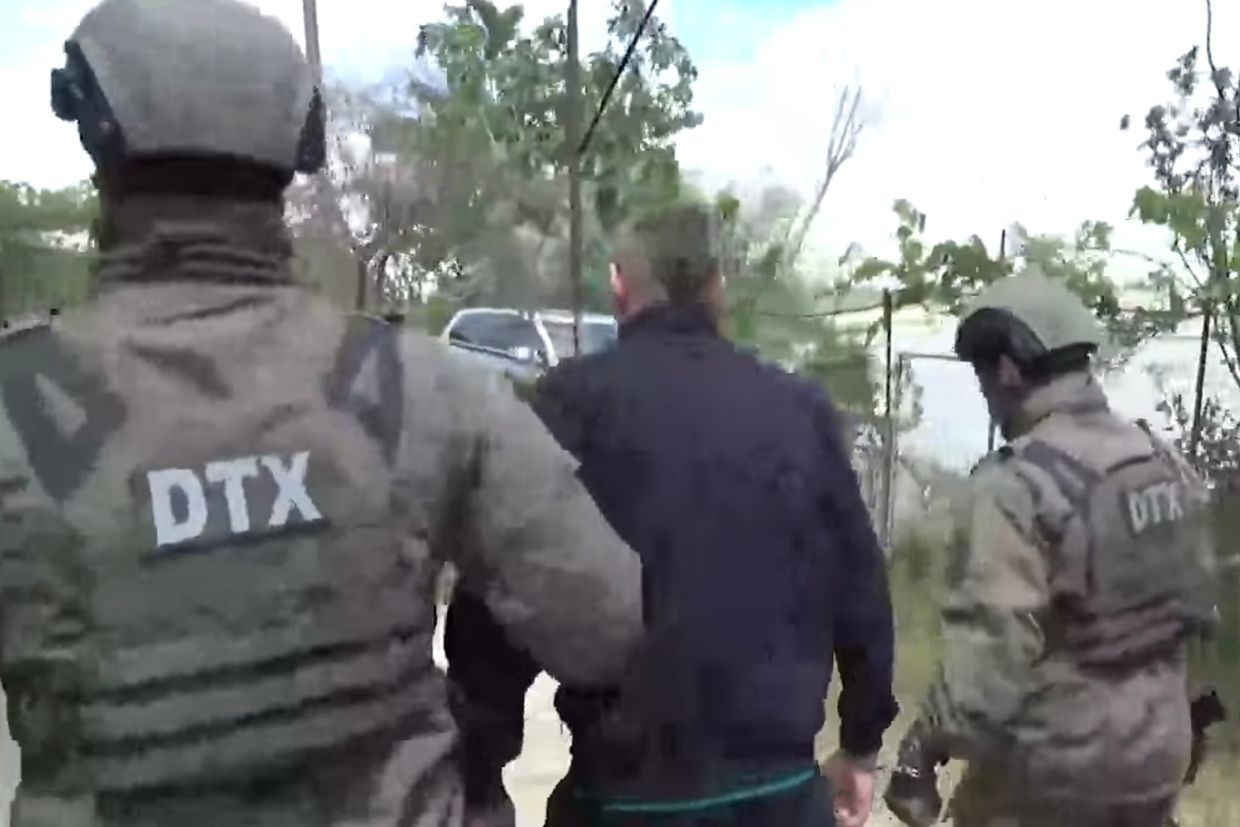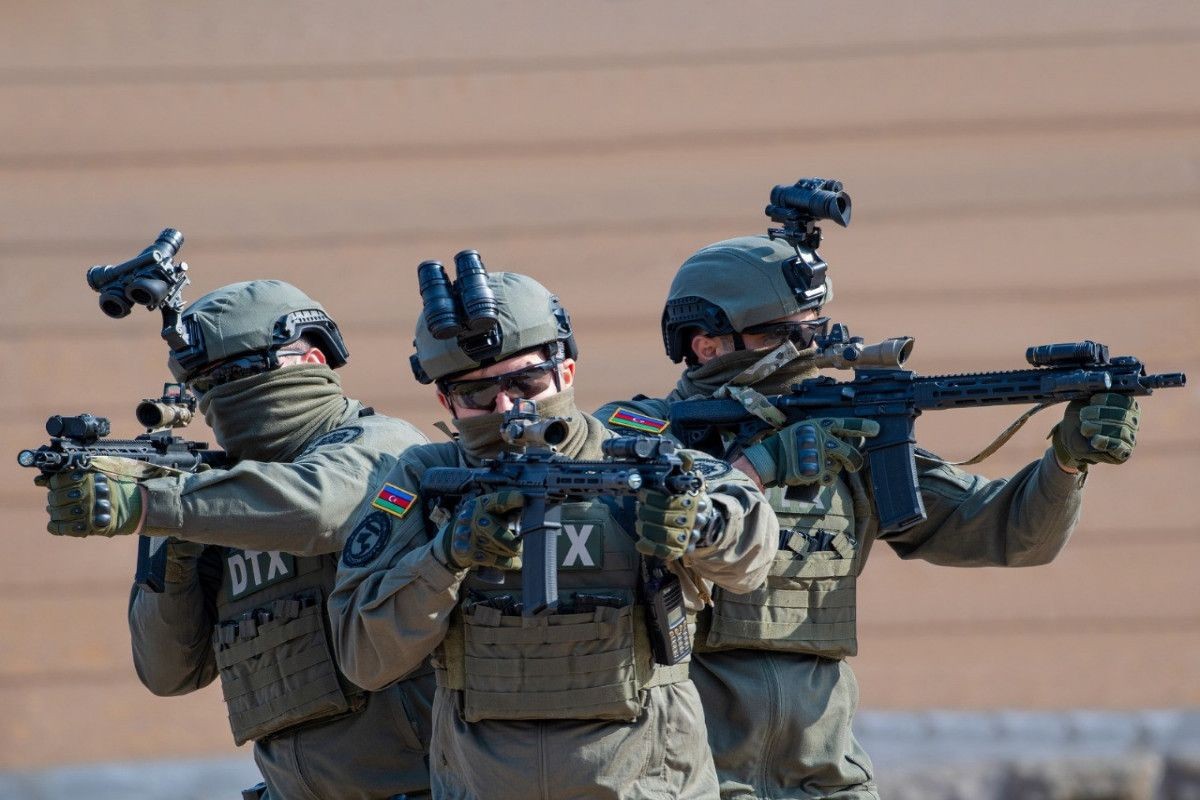
Social media users in Azerbaijan have pointed out that suspects presented by the State Security Service (DTX) as having been involved in an Iranian plot targeting Jewish sites and the Baku–Tbilisi–Ceyhan (BTC) pipeline were in fact individuals detained on drug possession charges.
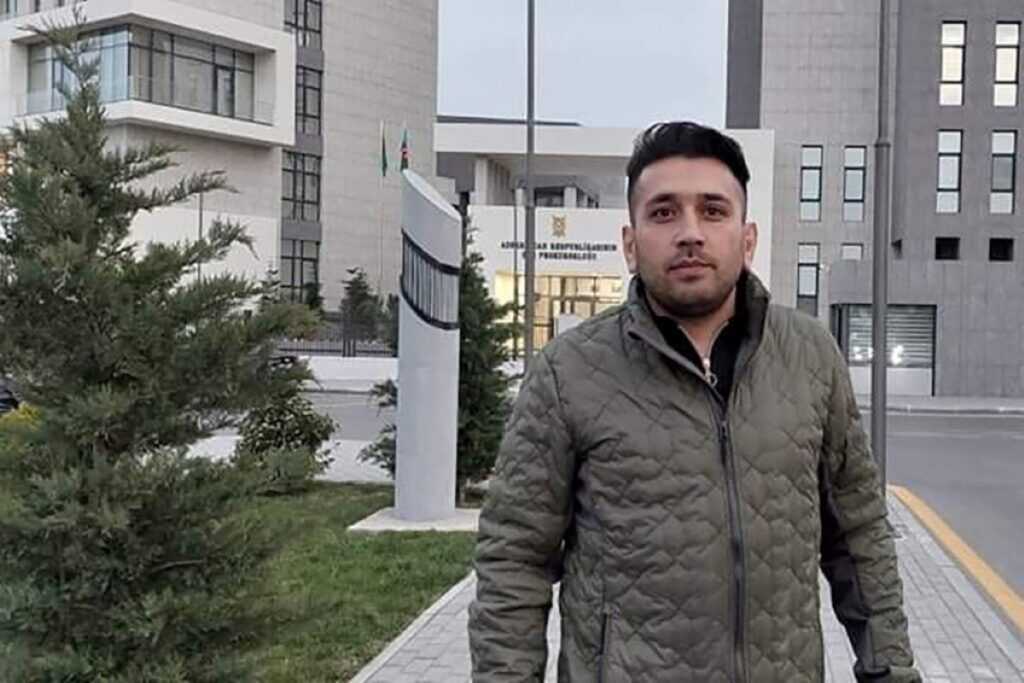
OC Media contributor Javid Agha wrote on social media that a suspect who appeared in footage shared by the DTX, Tarkhan Guliyev, was registered in Azerbaijan’s detention database on drug charges on 14 December 2023.
Asad Abdullayev, another person presented by the security agency as a perpetrator, who was linked to Guliyev, was arrested several times — with the last being in March 2015 for stealing food and clothes, according to the Interior Ministry’s website.
However, the DTX claimed that Guliyev communicated with the Iranian nationals — Behnam Rustamzada and Yaser Zandkian — and smuggled an explosive device into the country.
The agency has said that Abdullayev, Quliyev, Nijat Aghayev, and Rashad Rustamov had been convicted of involvement with the terrorist plot and sentenced to six and a half years in prison.
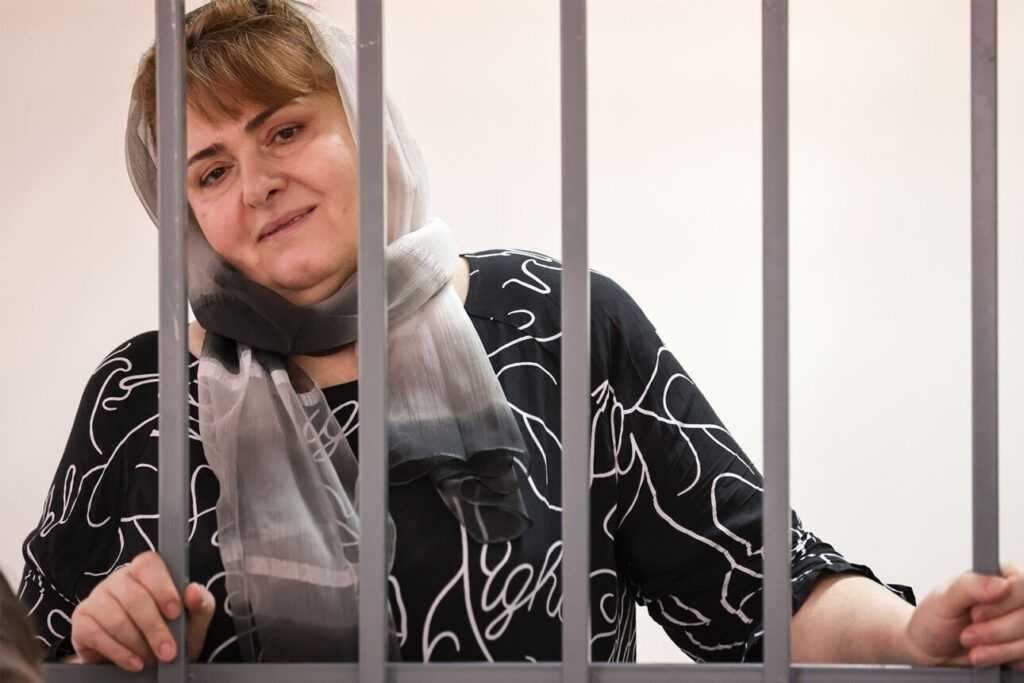
Another defendant, Khadija Aghayeva, whose name was linked to Hafez Tavassoli, who the DTX claimed was identified as an IRGC agent. Tavassoli had allegedly asked her to keep a box reportedly containing explosives for safekeeping for two days.
In the scene of these claims the state-run media outlet Azertac reported that Aghayeva was arrested as part of the criminal case conducted by the Nasimi District Police on 15 October 2024.
Aghayeva was sentenced for ‘possession of over eight kilograms of heroin, marijuana, methamphetamine, two electronic scales, and 50 methadone pills containing psychotropic substances’.
Azertac noted that the detainees had purchased the drugs from Iranian citizens ‘for the purpose of selling them’.
According to the DTX, the group also planned to attack the Israel Embassy in Baku, in addition to targeting the Mountain Jewish community, and an Ashkenazi synagogue.
Others named by the security agency as being sentenced over the weekend were Narmina Shabanova, Naib Ismiev, and Elvin Ahmadov, who were accused of plotting to assassinate a religious figure. Court hearings have been ongoing in their case since November 2025.
Shabanova and Ismiev have been charged with ‘preparing an attempt on the life of a civil servant or public figure,’ while Ahmadov has been charged with ‘illegally acquiring, transferring, storing, transporting, and carrying weapons, their components, ammunition, explosives, and devices in advance by a group of persons’, and their hearings are ongoing.
The three have not been presented as having ties to the IRGC.
Tensions with Iran after the Nakhchivan drone strikes
Azerbaijani pro-government media has intensified its anti-Iran rhetoric following the drone strikes in Nakchivan on 5 March. News of these sentences has also appeared immediately after the incident.
Azerbaijan’s militant rhetoric has attracted criticism from activists and human rights defenders based abroad.
Among them was feminist activist Vafa Naghi, who wrote on social media Azerbaijanis have until the Iran conflict only struggled with protesting the Aliyev regime, but are now faced with a possible conflict with Iran.
Naghi stressed that Aliyev’s rhetoric against Iran was identical to the one he used against Armenia during the Second Nagorno-Karabakh War.
‘Azerbaijan is being drawn into a great power standoff. Aliyev cannot decide who dies and who lives for the sake of human lives lost in wars we don't really need. He has absolutely no authority to do so’, Naghi mentioned.
Human rights activist Emin Aslanov, who lives in Germany, has suggested that the government’s continued crackdown on civil society, media, and opposition groups had paved the way for a conflict with Iran.
‘The harsh repression and silencing of Azerbaijani civil society, media, and political parties, as well as active Shiite political leaders, was also part of this process. Aliyev was making decisions internally, closing the border and preparing for the situation’.
He added that Azerbaijan’s continued closure of its borders was ‘likely the result of protracted decision-making by the US and Israel’.
‘Now that the decision has been made, they want to drag Azerbaijan into a war between Israel and the US, and if the war drags on, they will likely do just that’.
 Nate Ostiller