Last year was a turbulent one for the Caucasus.
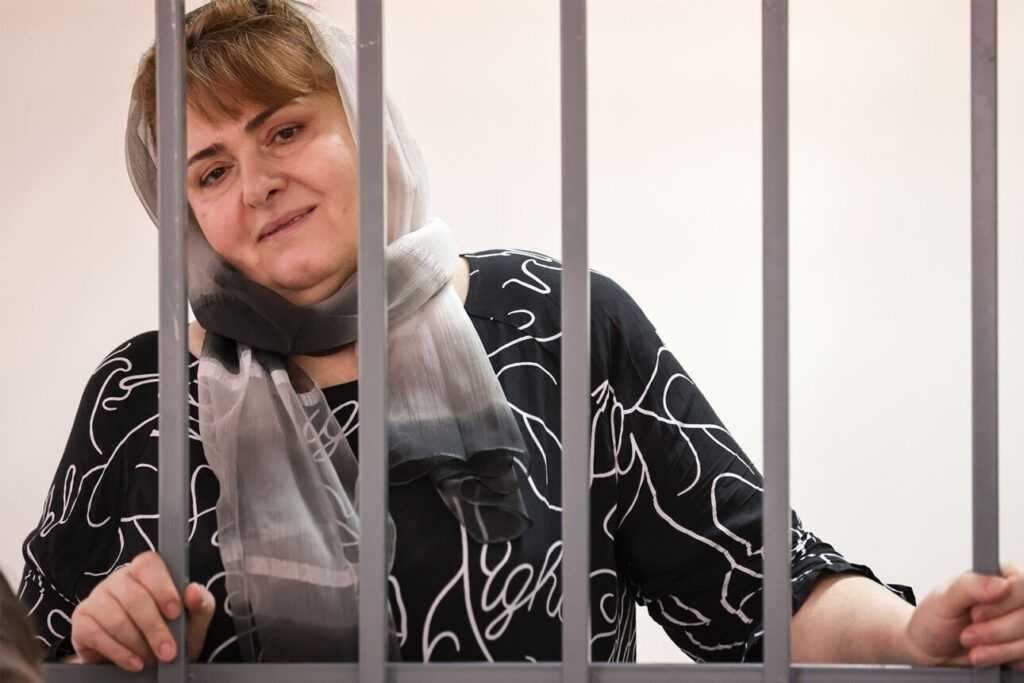
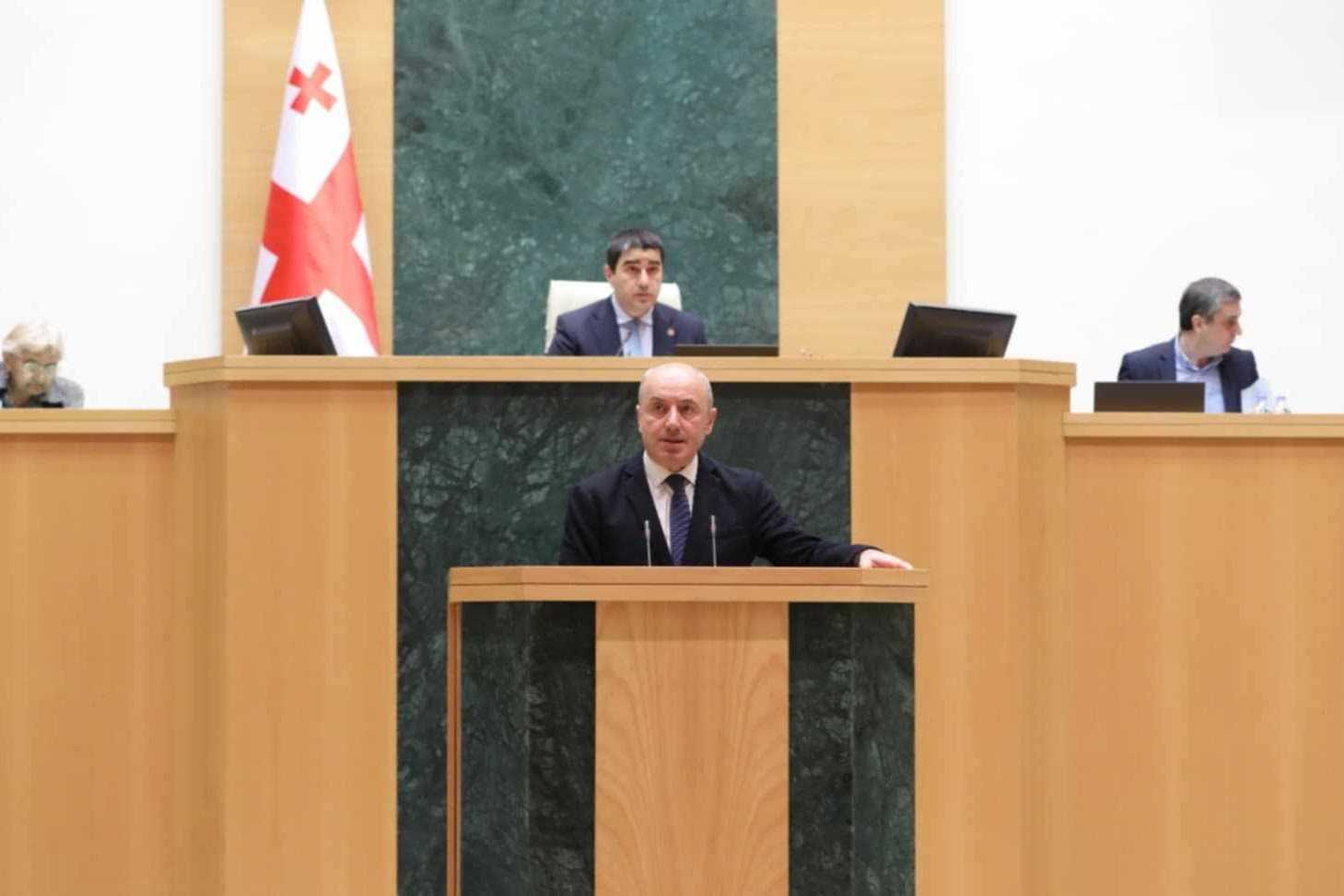
In Georgia, we saw authoritarianism grow as the ruling Georgian Dream party continued on its anti-Western and anti-democratic trajectory. We saw the government incarcerate more and more demonstrators using repressive laws that outright banned protesting on roads and pavements, among other things. We also saw the government inch closer to utilising legislation to crackdown on civil society organisations and independent media.
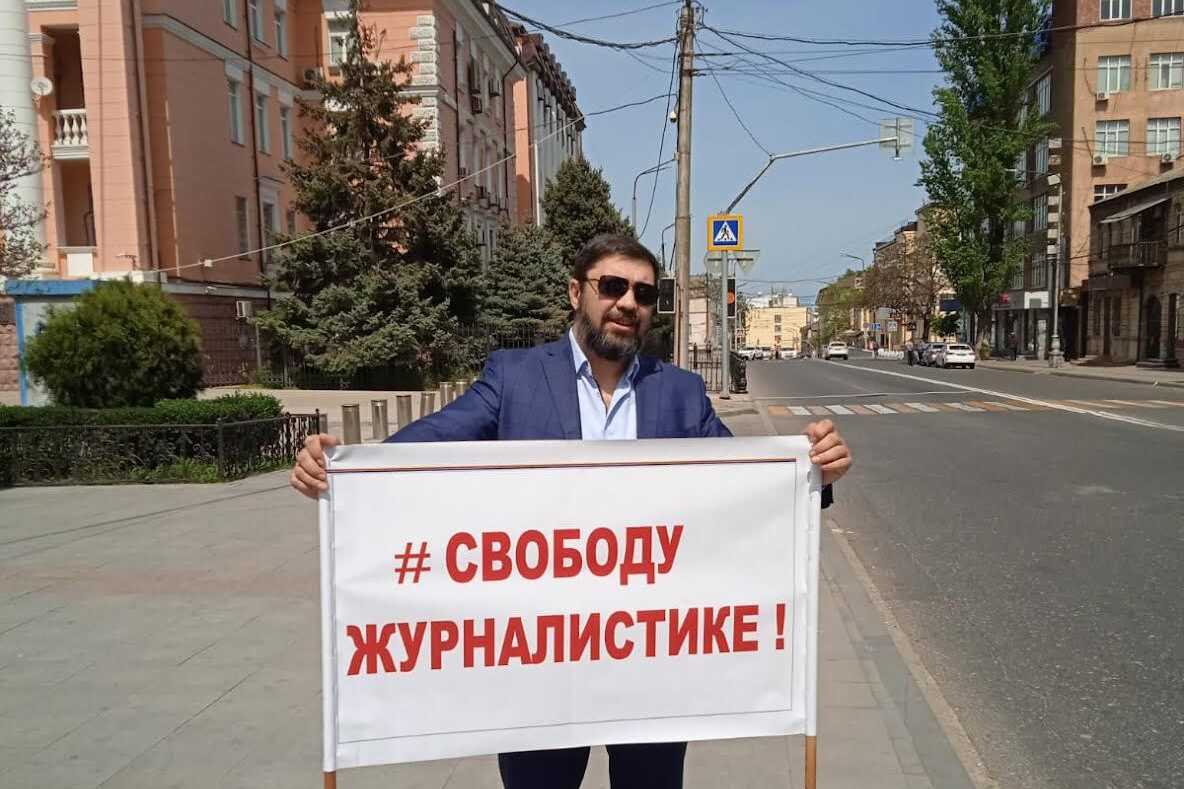
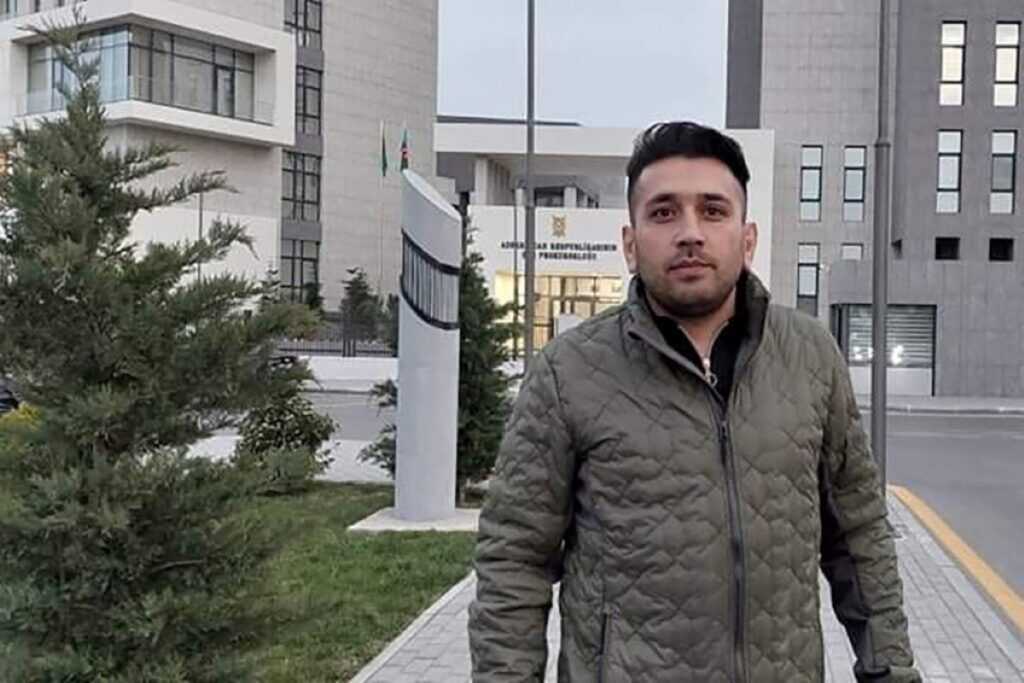
In Azerbaijan, the Aliyev regime has sentenced journalists detained in the case against Abzas Media, an independent media outlet, to lengthy prison sentences, with other journalists detained from several outlets, including Meydan TV and Toplum TV, still awaiting judgement. Bahruz Samadov, a researcher and OC Media contributor, was sentenced to 15 years in prison on treason charges. We have heard harrowing stories about his treatment in prison, which led him to attempt suicide several times.
In Armenia, the ruling Civil Contract party was gearing up for the upcoming elections in June 2026. We saw the government crack down on the Armenian Apostolic Church, arresting several archbishops and waging a smear campaign against its head, Catholicos Karekin II.
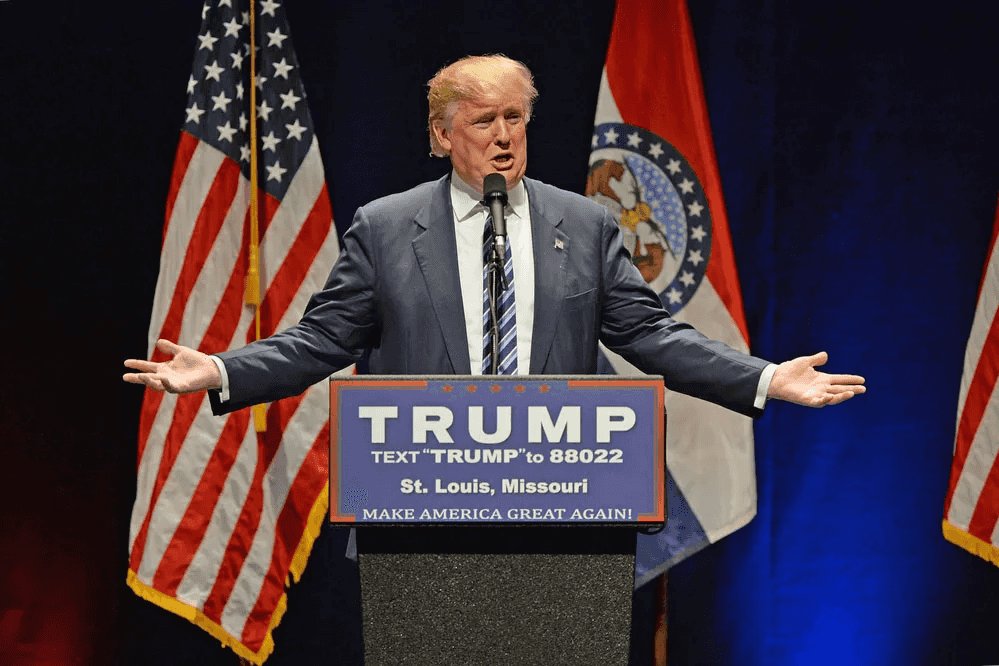
In August, Armenia and Azerbaijan initialled their peace treaty under US mediation. They agreed to the establishment of the Trump Route, which would connect Azerbaijan to Nakhchivan through Armenian territory — though we have yet to see how they would implement the project.
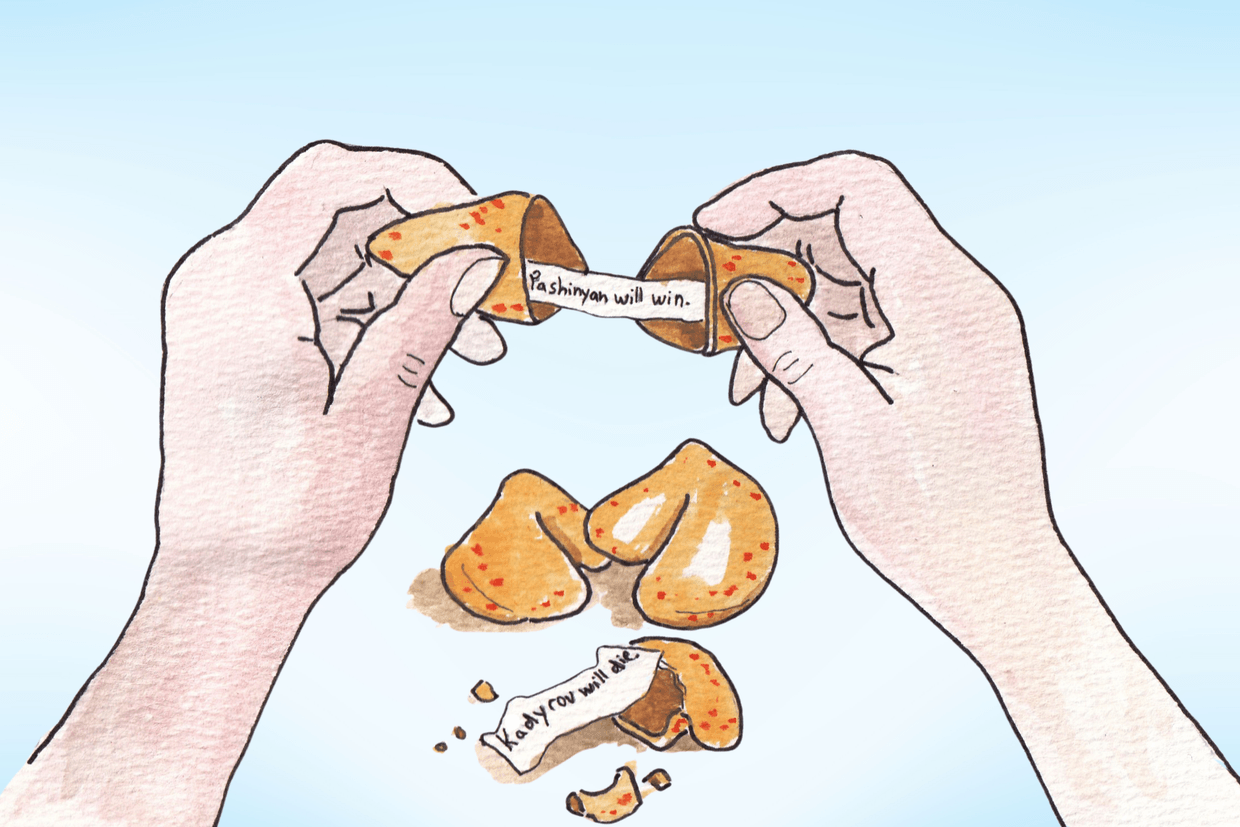
In December, we asked our team to share their predictions for the region. Read on to see just what we expect 2026 to bring, from political developments to Eurovision placements.
Staff predictions
Arshaluys Barseghyan, staff writer
- Judging by recent developments and public statements, I expect the Armenia–Azerbaijan peace treaty to be signed in 2026, following its initialing in Washington in August 2025. Although Armenia rejects Azerbaijan’s assertion that the Armenian Constitution contains territorial claims against Azerbaijan and rejects its precondition demanding constitutional changes, it nevertheless plans to hold a referendum on adopting a new constitution next year.
- There could also be progress in the Armenia–Turkey normalisation process, including the potential opening of the land border, as some diplomatic sources say. However, this appears likely to happen only after the Armenia–Azerbaijan peace treaty is finalised.
- I also anticipate further polarisation in Armenia, a rise in hate speech ahead of the 2026 parliamentary elections, and possibly additional criminal cases involving opposition figures. It remains to be seen whether Pashinyan will succeed in his effort to replace Catholicos Karekin II, whom he has accused of breaking his celibacy vow and fathering a child, as well as being a foreign agent — allegedly on a Russian payroll.
Aytan Farhadova, staff writer
- I don’t think Armenia and Azerbaijan will sign a peace treaty in 2026. The peace deal will be used by Baku as another key tool of manipulation.
- The government will extend the closure of its borders under the pretext of a ‘COVID-19 quarantine regime’.
- Azerbaijan will try to repair its relations with the EU by releasing political prisoners and expanding petrol trade with the West.
- Azerbaijan will continue its crackdown on civil society and media. A decline in oil production will force the government to tighten control and increase taxes. Its monopolies in the economy will worsen the social situation of the population.
- The opposition Musavat party will become Baku’s next target.

Subscribe to OC Insider
A weekly newsletter featuring insights and opinions from OC Media’s team on the hottest topics in the Caucasus.
Mikheil Gvadzabia, staff writer
- The ruling Georgian Dream party will keep adopting and enforcing restrictive laws and continue investigating and arresting political opponents and critics. What has repeatedly been assessed as a move toward authoritarianism will persist, and the situation will continue deteriorating.
- Anti-government street protests, which have continued for more than a year despite multifaceted state pressure, will also persist this year. While their largely diminished scale may fluctuate for some reason, this is more likely to be triggered by controversial steps taken by Georgian Dream than by mobilisation efforts by Georgia’s fragmented and weak political opposition.
- Media and civil society will continue to struggle for survival, but not all will survive. Both sectors are targets of the ruling party’s leaders, various investigations and inquiries, and state propaganda. Attempts to dismantle them will continue, potentially with expanded force.
Dominik K Cagara, co-founder & CFO
- Georgian Dream’s grip on power will remain unchallenged. The democratic forces in Georgia will remain paralysed by the country’s rapid collapse into authoritarianism, unable to articulate a strategy or consolidate a meaningful opposition movement for at least another year.
- Nikol Pashinyan’s Civil Contract will retain power following the June elections, despite growing and widely acknowledged democratic shortcomings. The victory will clear the path towards reopening the border with Turkey and concluding a peace treaty with Azerbaijan.
- A scandal will erupt in both Georgia and Abkhazia after it emerges that a group of Abkhaz officials travelled to Tbilisi as part of an informal, undeclared delegation.
Givi Avaliani, business development
- Georgian Dream will succeed in banning all major opposition parties, call for snap elections, secure a constitutional majority, and remove any reference to Georgia’s EU aspirations in the constitution. The government will also shut down all civil society groups and impose a journalist accreditation system, further restricting the media in the country.
- As Georgia’s democratic institutions collapse and civic freedoms are severely curtailed, the EU will suspend the country’s visa-free travel regime.
Elizaveta Chukharova, staff writer
- Ramzan Kadyrov will step down from the post of head of the republic for health reasons. By that time, a loophole will be found in Chechnya’s legislation allowing his 18-year-old son, Adam Kadyrov, to ‘win’ an election and become the republic’s head. However, it is also possible that he will be the head under a regent — the current Prime Minister of Chechnya, Magomed Daudov.
- In a North Caucasian city, possibly Makhachkala, a large monument will be built dedicated to those from the Caucasus who were killed fighting in Russia’s invasion of Ukraine. However, it will not be permitted to list all the names, as the Russian authorities continue to obfuscate the number of casualties the army has suffered.
- In North Ossetia, in addition to shorts, wearing open-toed shoes such as sandals will be banned for both men and women. The morality campaign will advance to a new level, and by the beginning of 2027, electronic cigarettes will have already been banned.
Abkhazia staff writer
- The supply of electricity will be mostly stabilised, preventing the type of rolling blackouts that have been commonplace in Abkhazia during winter for several years now. However, consumer prices for electricity will rise gradually throughout the year, but most will not notice the increase until next winter, as the government has frozen prices until spring. By that time, it will be too late to reverse the situation.
- Russian influence in Abkhazia, fostered through soft power projects funded by the Kremlin, as well as crackdowns on independent journalists in Abkhazia, will strengthen, resulting in a more controlled — and less critical — media landscape.
- High hopes for a dramatic increase in tourism in Abkhazia will not pan out, even though the airport in Sukhumi (Sukhum) is now operating seasonally.
Nate Ostiller, editor
- Russia’s full-scale war against Ukraine will either drag on or end in an ugly peace, preventing the type of outcome that will fundamentally alter Russia’s role in the region. At the same time, it is likely that Russian influence will continue the trajectory of decline of recent years.
- Absent a strong alternative, Prime Minister Nikol Pashinyan’s Civil Contract party will win the 2026 parliamentary elections, despite Russian attempts to interfere and unseat him.
- As a result, Armenia and Azerbaijan will continue their efforts in the peace process, including the eventual official signing of the peace treaty.
- Armenia’s border with Turkey will finally be opened.
- Georgia’s political situation will remain at a status quo, with the government continuing to pass restrictive laws but stopping short of a full-blown descent into authoritarianism à la Belarus, while the opposition and protest movement will continue undeterred.
Salome Khvedelidze, project officer & deputy director
- Georgian protesters will stubbornly persist with their daily rallies, which marked a full year in November, despite parliament continuing to push through more protest-related restrictions aimed at curbing dissent in Georgia.
- The only two remaining big opposition-leaning TV channels in Georgia — Pirveli and Formula — will significantly scale back their operations, due to restrictive laws passed in 2025 that make funding difficult, as well as legal pressures and other tactics the authorities may employ to weaken them.
- Georgia will see a major brain drain as much-criticised education reforms passed recently by parliament come into effect. Jobs in the once-vibrant civil society and media sectors will continue to vanish due to the repressive environment fostered by the government.
- The ruling Georgian Dream party will likely face a widening internal divide in 2026. Ongoing power struggles continue to manifest through sudden dismissals of officials and arrests of former allies on corruption charges. It would not be surprising if some very prominent name(s) appeared on the list of those arrested, as was the case this year.
Mariam Shonia, social media manager
- Sustained financial, legal, and political pressure will push much of Georgia’s independent media past a critical survival point, weakening newsroom-based journalism. The reporting process will increasingly shift to individual journalists operating through their personal blogs or social media. This will keep information in circulation but in a more fragmented, emotional way.
- Georgian Dream will consolidate its evolving education reform, originally focused on changing public higher education, into a broader regulatory regime which will control private universities too. It will be something related to ‘quality control’ but in practice expand state leverage over curricula, accreditation, and funding.
- The ‘2-3 years in Dagestan’ TikTok trend will fully evolve into a TikTok life-hack genre. Comment sections will prescribe it into everything — bad Wi-Fi, weak startup ideas, failed relationships.
Xandie (Alexandra) Kuenning, editor
- Georgia will finalise its crackdown against independent media and civil society, looking towards Azerbaijan as a prototype. An accreditation process will be organised, which will not be given to critical foreign media. At the same time, local journalists and NGO heads will be detained on smuggling or fraud charges and left to languish as the EU continues to make statements showing their concern.
- The South Caucasus will unexpectedly shine in this year’s Eurovision after some of the contest’s most historical members pull out due to Israel’s inclusion.
Yousef Bardouka, editor
- Ramzan Kadyrov will expire, triggering a succession crisis in Chechnya. Rumours have for years suggested that Kadyrov was deathly ill. I don’t believe he is even trying to dispel these rumours anymore, especially as his obvious first choice for a successor, his son Adam Kadyrov, just turned 18. The Kremlin, however, seems to not be on board with the young Kadyrov taking power, which could lead to a sort of conflict between Grozny and Moscow.
- The Baltic three will recognise the Circassian Genocide. The same people who brought you Georgia and Ukraine’s recognition of the Circassian Genocide appear to be courting Lithuania to issue a recognition of its own. Very few states in the EU are more anti-Russian than the three Baltic countries, and I believe that they will, in that spirit, be the next countries to recognise the genocide.
- Azerbaijan will finally release Bahruz Samadov. Maybe less of a prediction and more of a hope, but with Armenia and Azerbaijan inching closer and closer to peace with each passing day, Samadov’s continued imprisonment is as absurd as ever.
- Georgia’s opposition will remain scattered and fragmented — the protest movement will remain the true beating heart of Georgian politics. The opposition in Georgia has proven time and again that they are incapable of keeping up with Georgian Dream. They have failed to produce a single unified leadership, and, in my opinion, missed multiple windows to make any sort of meaningful change in the country’s political scene. This will not change in 2026.
Waża, emotional support officer (actually banned from making predictions)
- The bird menace will continue unabated in the South Caucasus.
- Many cars will pass by the office and I will bark at them.
- If I keep chewing on my paws, ultimately I will figure out why.
 OC Media
For ease of reading, we choose not to use qualifiers such as ‘de facto’, ‘unrecognised’, or ‘partially recognised’ when discussing institutions or political positions within Abkhazia, Nagorno-Karabakh, and South Ossetia. This does not imply a position on their status.