Armenia rejects Russian aid for Nagorno-Karabakh refugees ahead of elections

Armenia has refused Russian humanitarian aid intended for Nagorno‑Karabakh refugees ahead of the 7 June parliamentary elections. The Eurasia organisation, involved in delivering the aid, had previously been linked to interference in Moldova’s 2024 EU referendum.
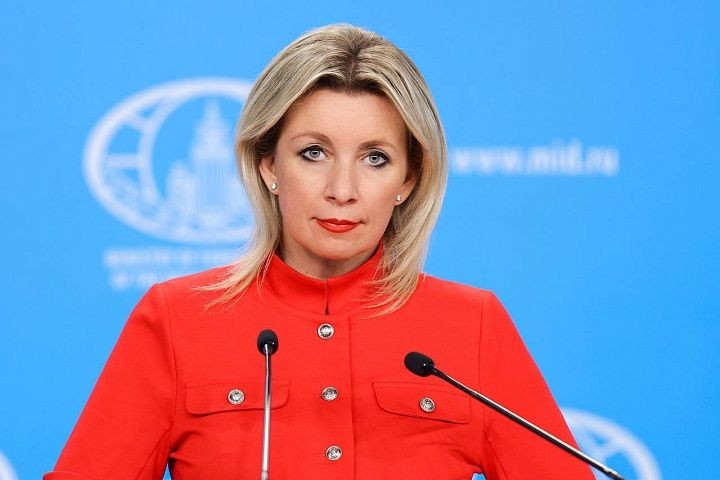
Russian Foreign Ministry spokesperson Maria Zakharova confirmed Yerevan’s rejection in her Thursday press briefing while also expressing Moscow’s puzzlement over the decision.
Two Russian non-profit organisations — Russian Humanitarian Mission and Eurasia — along with Russian House (Rossotrudnichestvo), were involved in the planned delivery of the aid.
According to its website, the ‘main mission’ of the Russian House is ‘to strengthen Russia’s humanitarian influence in the world’, with a focus on countries in the Commonwealth of Independent States (CIS). The organisation was sanctioned by the EU after the full-scale invasion of Ukraine in 2022 and has also been accused of being involved in espionage and other activities.
In July 2025, Russia sent more than 140 tonnes of humanitarian aid to displaced Nagorno‑Karabakh Armenians, intended to help about 30,000 people, organised by the same entities.
 Arshaluys Barseghyan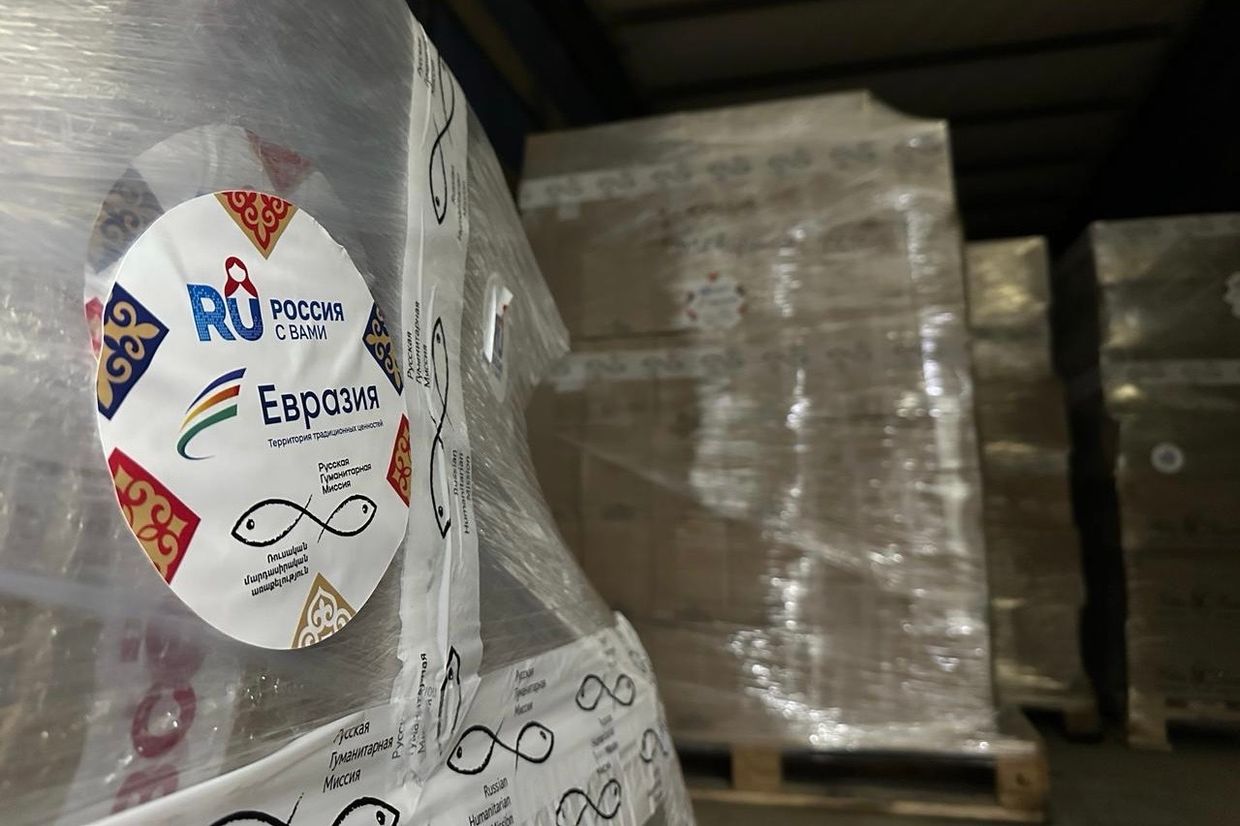
‘The refusal by Yerevan to further assistance could in itself be understandable if there were no longer a need for aid’, Zakharova said, adding that Yerevan’s reasoning for the rejection ‘raises more questions than answers’.
According to her, Armenian authorities cited legal norms restricting donations and charity during the pre-election period.
In turn, Zakharova pointed to regulations in Armenia’s electoral code restricting charitable organisations — ‘the names of which may resemble (be associated with) the names of political parties running in elections’ — from carrying out charity during the election campaign.
Zakharova further asked, ‘what does that have to do with the situation under discussion?’
She suggested that the Armenian position was tied to the authorities’ political stance.
‘It is obvious that Yerevan’s refusal of exclusively charitable humanitarian assistance that has no political undertone is driven by the authorities’ pre-election desire to “clean out” mentions of Russia’, Zakharova said, adding that Yerevan’s actions would only harm its own citizens who are ‘in need’.
Swiftly after Zakharova’s statement, the Armenian fact-checking platform FIP reported that Eurasia, founded in Russia in April 2024, was involved in meddling in election processes in Moldova.
‘In this backdrop, the organisation’s “humanitarian” initiatives in various countries, including Armenia, are often viewed as a tool of political influence’, FIP noted.
Eurasia positions itself implementing ‘humanitarian projects’ and enjoys close ties to and receives direct support from Russian state institutions and agencies.
The members of the organisation’s board of trustees included high-ranking Russian officials and Kremlin propagandists, including Margarita Simonyan, editor-in-chief of RT, FIP also reported.
Members of the organisation’s executive bodies also include Russian-based blogger of Armenian descent Mika Badalyan, who, as FIP reports, was ‘actively involved in various opposition actions’ in Armenia since the Second Nagorno-Karabakh War in 2020.
The Organised Crime and Corruption Reporting Project (OCCRP) revealed in 2024 that the organisation interfered in Moldova’s EU referendum by ‘paying Moldovans to vote against the EU’. One of the applied schemes was ‘humanitarian assistance’, with ‘tens of thousands of Moldovan pensioners and state workers in three regions receiving monthly payments’ from Eurasia.
Prior to the news of Armenia’s rejection, Armenia’s Foreign Intelligence Service (FIS) reported that Armenians living abroad have reportedly been pressured to back certain political parties ahead of the elections, without specifying the country behind the alleged interference.
Shortly after, a prominent election observation group in Armenia, Independent Observer, warned that an unnamed political opposition party had reportedly booked a large number of buses to transport voters, primarily from Russia, for the parliamentary elections.
Arshaluys Barseghyan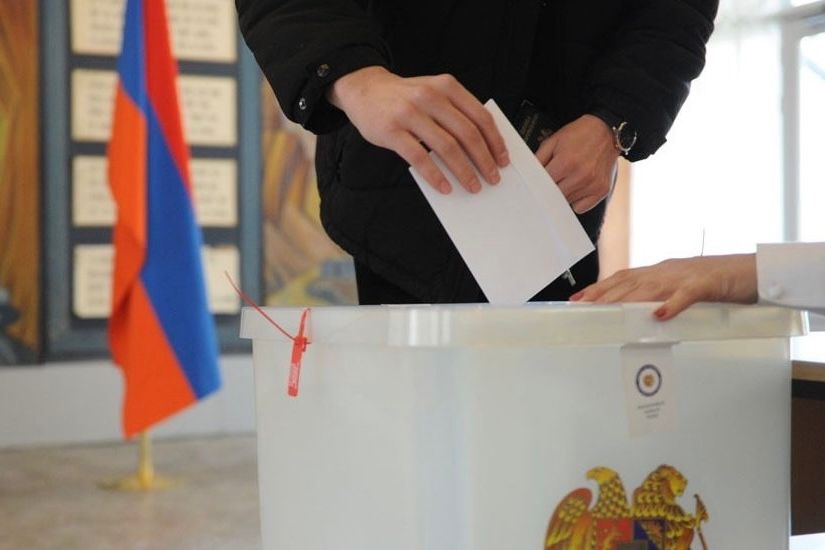
Critics accuse Pashinyan’s government of pre-election ploy
While Armenia has been confronting possible Russian interference in its elections, it also adopted decisions to increase salaries and provide bonuses to state servants ahead of the vote, which critics say is tied to winning their support ahead of the elections.
On Thursday, the Armenian government approved the allocation of ֏4.6 billion ($12 million) for additional remuneration of state officials for their performance in the second half of 2025. Previously, ֏3.6 billion ($9.5 million) had been allocated for bonus payments their performance in the first half of 2025.
The allocation, which reportedly includes ֏12 million ($32,000) in additional payment for Prime Minister Nikol Pashinyan and ֏6–7 million ($16,000–$19,000) for his cabinet members, has sparked widespread criticism. The government, however, says the payments were part of an evaluation program aimed at continuously improving the efficiency of the public administration system.
The fund will be allocated from the state reserve fund, and state employees will receive the bonuses before the elections, RFE/RL reported.
Varuzhan Hokhtanyan, from the anti‑corruption organisation Transparency International, warned of ‘political corruption’ through such acts.
‘This all happens on the eve of elections [...] naturally, having received that much money, they are expected to be grateful for it,’ he told RFE/RL.
Separately, again on Thursday, the Yerevan Municipality adopted a decision to increase the salaries of employees of kindergartens under its jurisdiction by 15–20% starting in May.
Opposition city council members have also criticised the raises as a pre-election ploy.
‘Elections are ahead, and in order to please these people, you were directed to raise [their salaries], and it was raised in May. This means they will receive the high salary of May on 3, 4, or 5 June and will go to the polls on 7 June,’ Armenak Danielyan from the opposition Mother Armenia faction stated, according to RFE/RL.