Editor’s note: This article has been updated to include other prison sentences announced after publication.
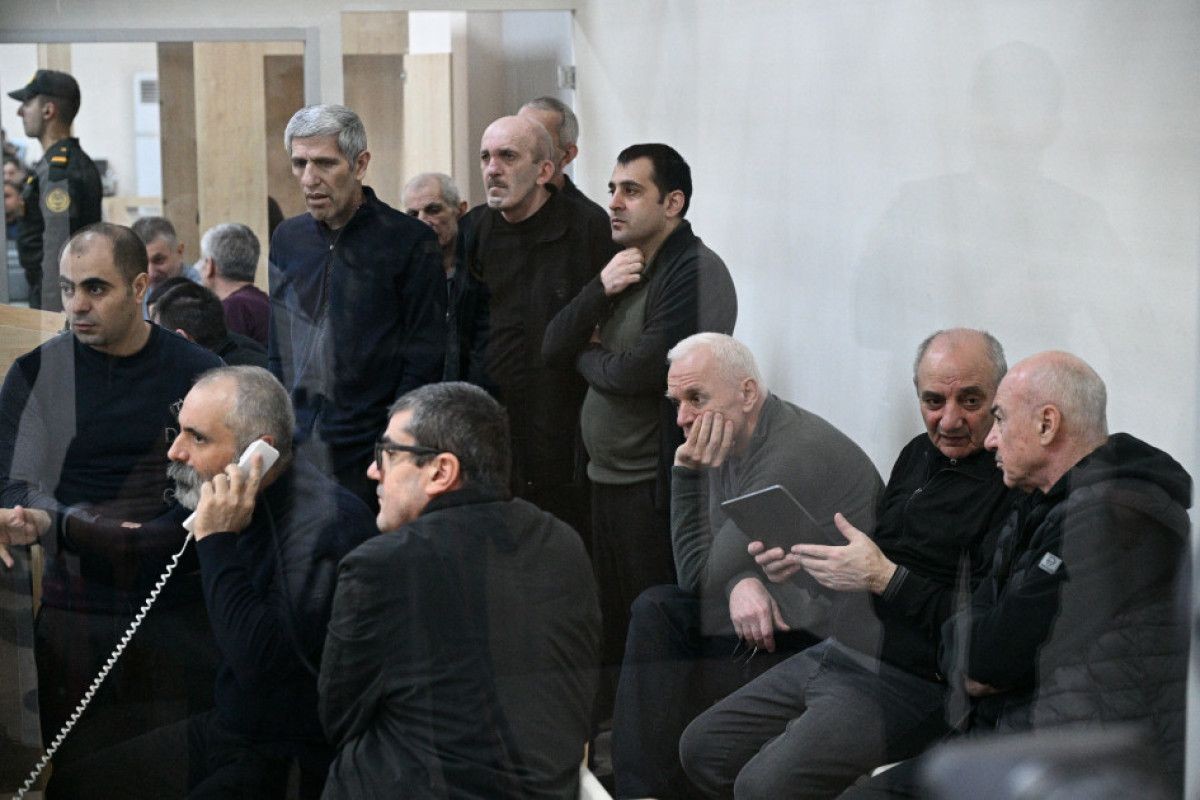
On Thursday, the Baku Military Court sentenced five former Nagorno-Karabakh officials to life imprisonment, while two former presidents received 20 years in prison due to their age. The rulings came a day after Azerbaijani President Ilham Aliyev and Armenian Prime Minister Nikol Pashinyan received awards for the initialling of a peace treaty.
The 15 defendants involved in the case were accused of committing a total of 2,548 crimes, including genocide, slavery, enforced disappearance of persons, torture, financing of terrorism, and the creation of a criminal association.
The trial began in January 2025, and includes eight Nagorno-Karabakh Armenians not affiliated with the former government in addition to the seven sentenced Thursday. Those on trial were captured after Azerbaijan’s final offensive on Nagorno-Karabakh in 2023 following a nine-month blockade.
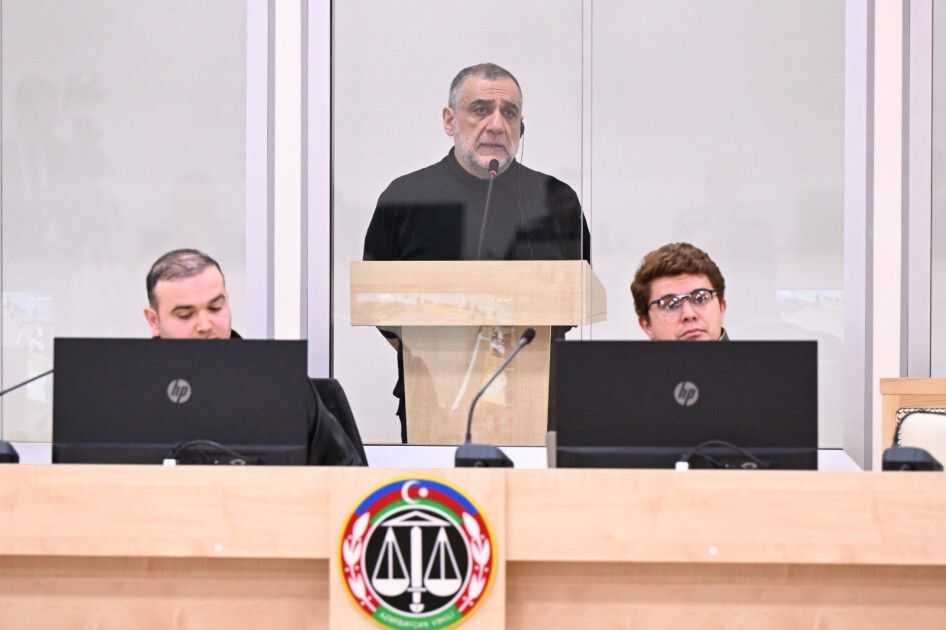
The trial was attended only by Azerbaijani state-run media outlets. No international observers were present, and the defendants were represented exclusively by Azerbaijani lawyers. These conditions, among other issues, have raised widespread concerns about the defendants’ ability to receive a fair trial.
 Arshaluys Barseghyan
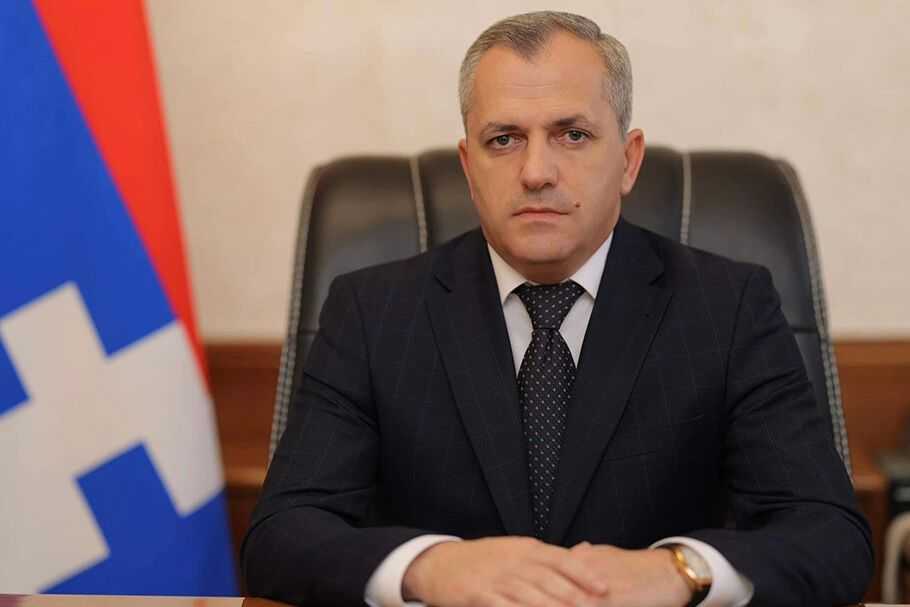
Those who were sentenced to life imprisonment include former president Arayik Harutyunyan, who held his office during the Second Nagorno-Karabakh War in 2020; David Babayan, a former Nagorno-Karabakh Foreign Minister; Davit Ishkhanyan, former speaker of the region’s parliament; former army commander Levon Mnatsakanyan; and former deputy commander of the army David Manukyan.
Only former presidents Arkadi Ghukasyan and Bako Sahakyan received lesser sentences. According to Azerbaijani pro-government media outlet APA, the court clarified that under Azerbaijan’s criminal code, a life sentence could not be imposed because both defendants had reached the age of 65 by the time the final verdict was issued.
Aside from the seven former officials, Madat Babayan, captured in September 2023, was sentenced to 19 years, again due to his age.
The remaining seven Armenians, all of whom were also captured in the region in September 2023, received sentences varying from 15 to 19 years.
The verdicts were released the day after Aliyev and Pashinyan received the UAE’s Zayed Award for Human Fraternity for the initialled, but not yet signed, peace agreement between Armenia and Azerbaijan.
When the trial kicked off in 2025, Azerbaijani state media dubbed it the ‘Nuremberg trials’ — an allusion to the trials which were held by Allied forces against the representatives of Nazi Germany following the end of World War II.
Aside from this case, that of former Nagorno-Karabakh State Minister and Russian–Armenian tycoon Ruben Vardanyan is still ongoing; his case was separated from the rest from the very start of the trial. Despite Vardanyan’s filed motion to join the case, the Azerbaijani court rejected it.
Arshaluys Barseghyan
Shortly after the trials began, Pashinyan accused Azerbaijan, based on ‘intelligence information’ obtained by Armenia, of using ‘banned psychoactive methods’ against Nagorno-Karabakh Armenians imprisoned in Azerbaijan ‘in order to extort narratives and testimonies aimed at inciting regional escalation’.
Later, Yerevan claimed that Armenian prisoners in Azerbaijan had been subjected to torture, citing evidence observed in photos published by Azerbaijan.
In January 2026, following the release of four Armenian prisoners held in Azerbaijan, Azerbaijan rejected suggestions that more Armenian prisoners could be released.
Government sources told APA there was ‘no possibility’ that former Nagorno-Karabakh leaders and ‘individuals who committed crimes against the Azerbaijani people’ would be released.
Nate Ostiller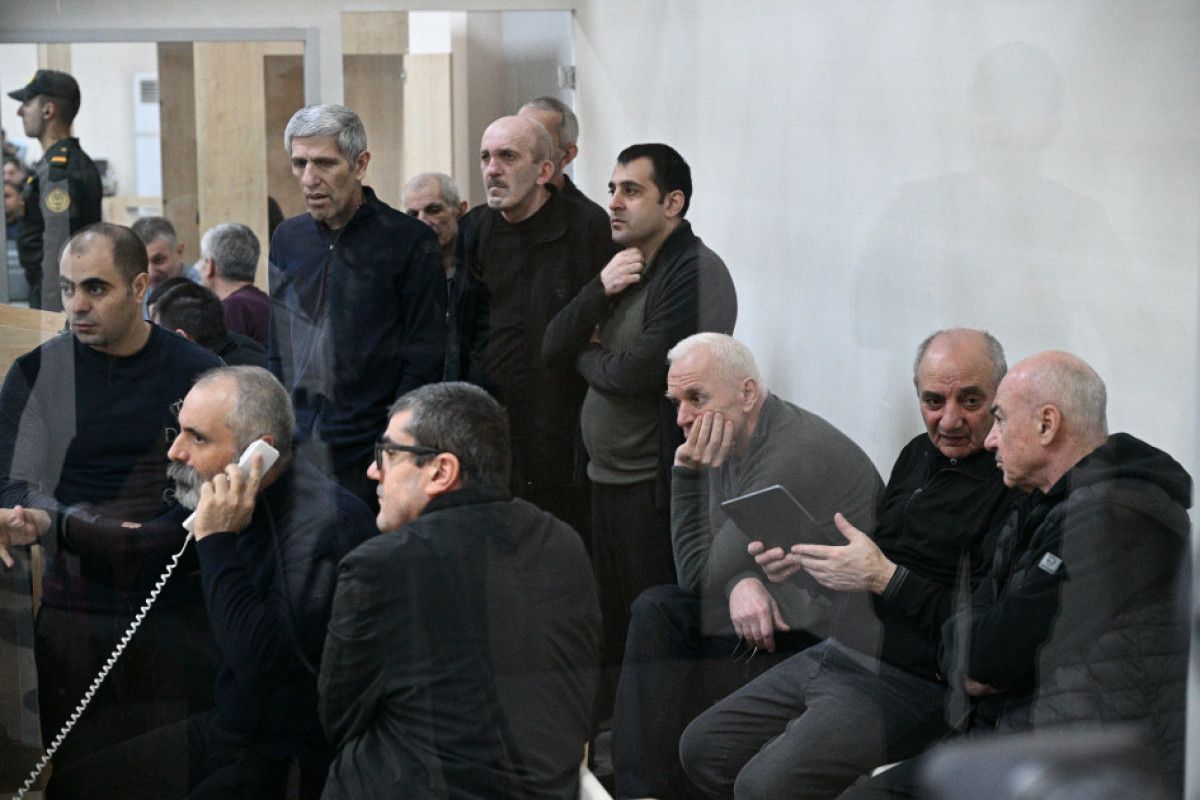
For ease of reading, we choose not to use qualifiers such as ‘de facto’, ‘unrecognised’, or ‘partially recognised’ when discussing institutions or political positions within Abkhazia, Nagorno-Karabakh, and South Ossetia. This does not imply a position on their status.