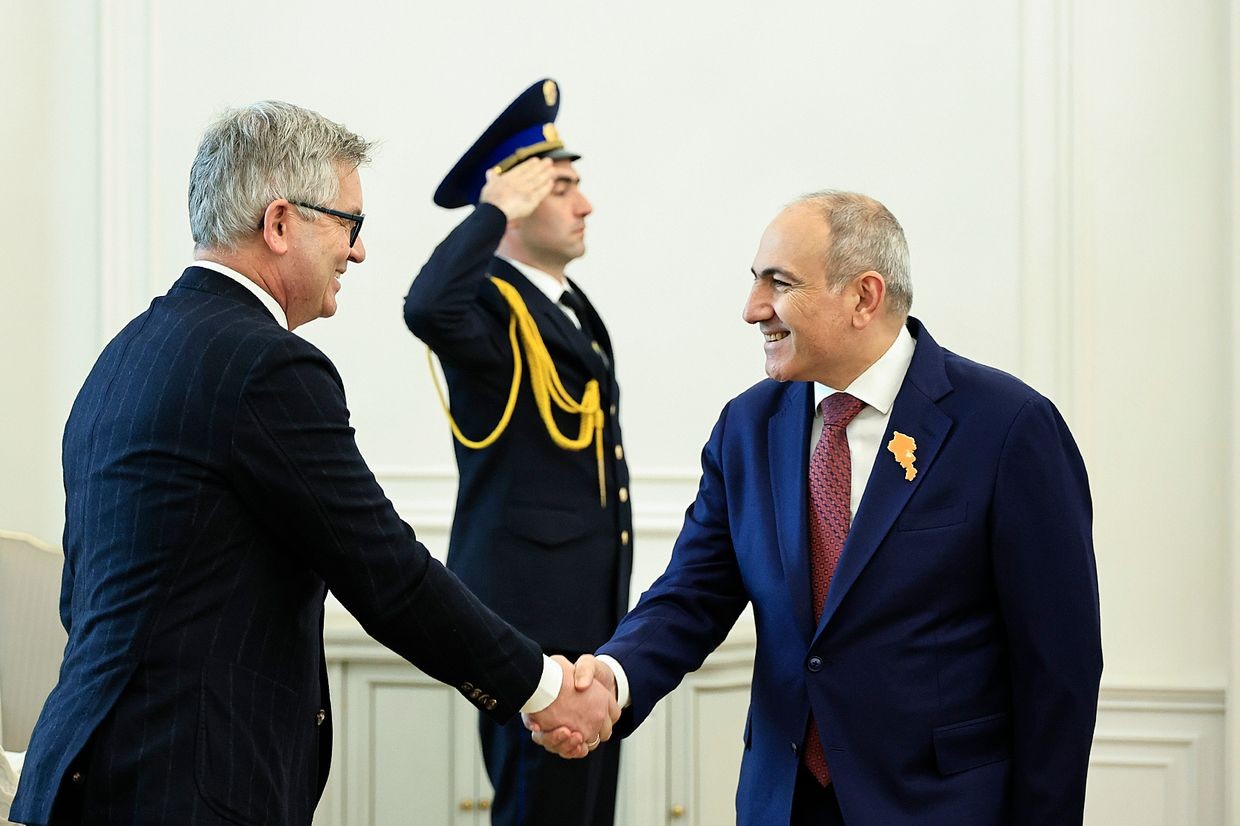
The EU Commissioner for Internal Affairs and Migration, Magnus Brunner, has said that Armenia was ‘successfully and effectively’ implementing its visa liberalisation action plan with the EU.
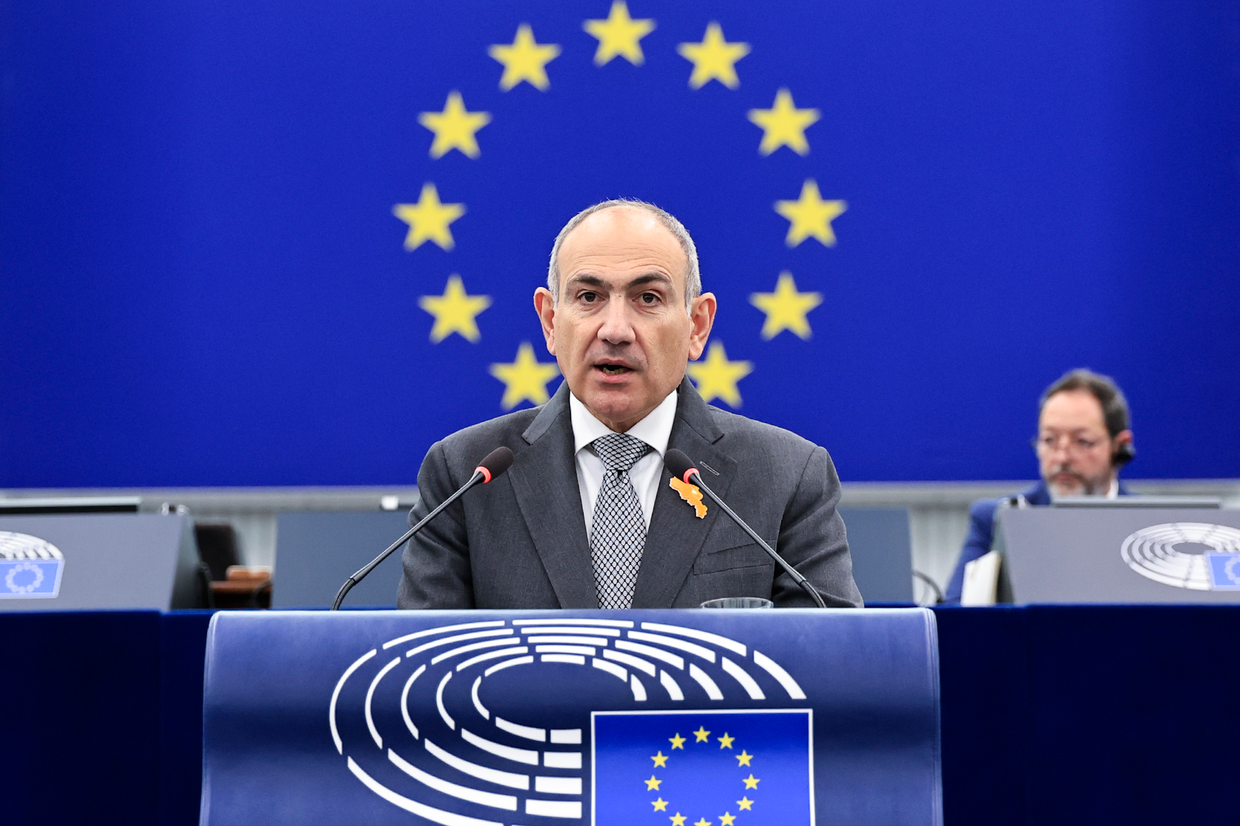
Brunner had made the remarks during a meeting with Armenian Prime Minister Nikol Pashinyan on Thursday.
According to an official Armenian statement about the meeting, Brunner expressed hope that Armenia’s implementation of the plan and ‘consistent steps will lead to the expected results’.
He also stressed the EU’s readiness to ‘provide support to promote reforms’.
In his turn, Pashinyan ‘expressed satisfaction’ with work being carried out on the visa action plan, which he said would be ‘another important step towards deepening and expanding bilateral relations’.
He also emphasised the ‘EU’s continued assistance in the effective implementation of democratic reforms’.
As Pashinyan met with Brunner, Armenia’s Defence Minister, Suren Papikyan, embarked on a work visit to Brussels, where he met Belgium’s Defence and Foreign Trade Minister Theo Francken. The two discussed the ‘great potential’ for the development of military education cooperation, professional training, military medicine, peacekeeping, and humanitarian demining.
The EU delivered the visa liberalisation plan to Armenia in November 2025, after talks on the matter were launched in September 2024.
According to the EU Commission, the plan included a range of reform objectives ranging from security to human rights.
The EU requires countries to meet certain benchmarks before providing visa-free access to the Schengen area. Before its citizens received visa free access to the EU, Georgia, Moldova, and Ukraine were tasked with meeting four blocks of requirements which tackled issues such as border management, migration and asylum, public order and security, and external relations and fundamental rights.
 Arshaluys Barseghyan