Georgia’s new vineyard rules draw accusations of ‘Soviet-style thinking’ from small producers
While the government insists the regulations will safeguard Georgian wine’s reputation abroad, critics argue they could wipe out smaller producers.

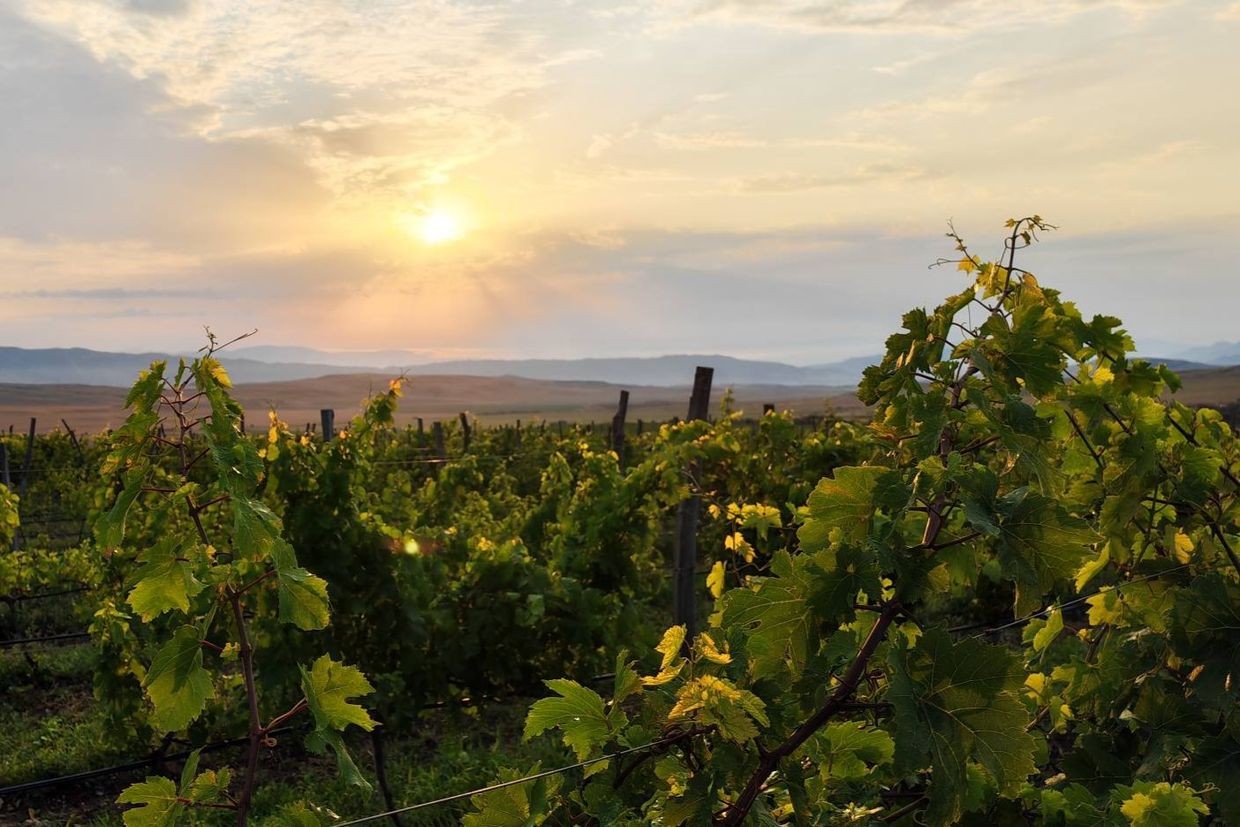
Known as the cradle of wine, Georgia can trace its wine industry back to the early Neolithic period. With numerous studies validating its 8,000-year wine history, Georgia has strengthened both its cultural identity and its global wine reputation.
In 2025, Georgia exported wine to around 30 European countries, totalling 11.5 million litres worth $38.7 million. Compared to 2024, export revenue increased by 7%, while export volume grew by 2%.
Yet, despite the deep history and recent successes, local winemaking continues to face frequent challenges from shifts in the tourism industry to price competition — and now new government policies.

Following the latest approved amendments to the Law on Vine and Wine, which were made effective from 1 May, the establishment of commercial vineyards will only be possible with the consent of the National Wine Agency.
To obtain such consent, applicants must submit proof of land ownership and a cadastral map, soil analysis confirming groundwater depth (minimum one metre), and other parameters (including pH, organic matter, CaCO₃, and salinity), a completed agro-technical questionnaire, and proof of purchasing seedlings from certified nurseries. If only replanting an existing vineyard, soil analysis is not required, but certified seedlings still are. Those planting vineyards for personal use do not need approval.
According to the agency’s chair, Levan Mekhuzla, the new legislation is intended to protect the wine industry’s quality.
‘In practice, we see mistakes such as planting vineyards in floodplains or at high altitudes, aimed at increasing quantity rather than quality. Our goal is to improve the quality and global positioning of Georgian wine’, Mekhuzla said, adding that ‘the reform safeguards both investors and consumers, taking into account objective conditions where wine consumption has decreased in international markets and competition has increased’.

The agency has the authority to refuse consent if the applicant fails to provide complete documentation or if it does not meet the requirements.
The decision — which was first voiced at the end of 2025 — sparked debate across the industry. While the government has, like Mekhuzla, argued the law will improve Georgia’s wine industries, many winemakers view things differently.
‘A disaster for farmers’
According to the Ministry of Environmental Protection and Agriculture, around 500 hectares of new vineyards are planted annually, and only about 100 people per year will need to obtain consent. Even so, some viticulturists argue that the new regulations specifically increase bureaucracy and disadvantage small producers.
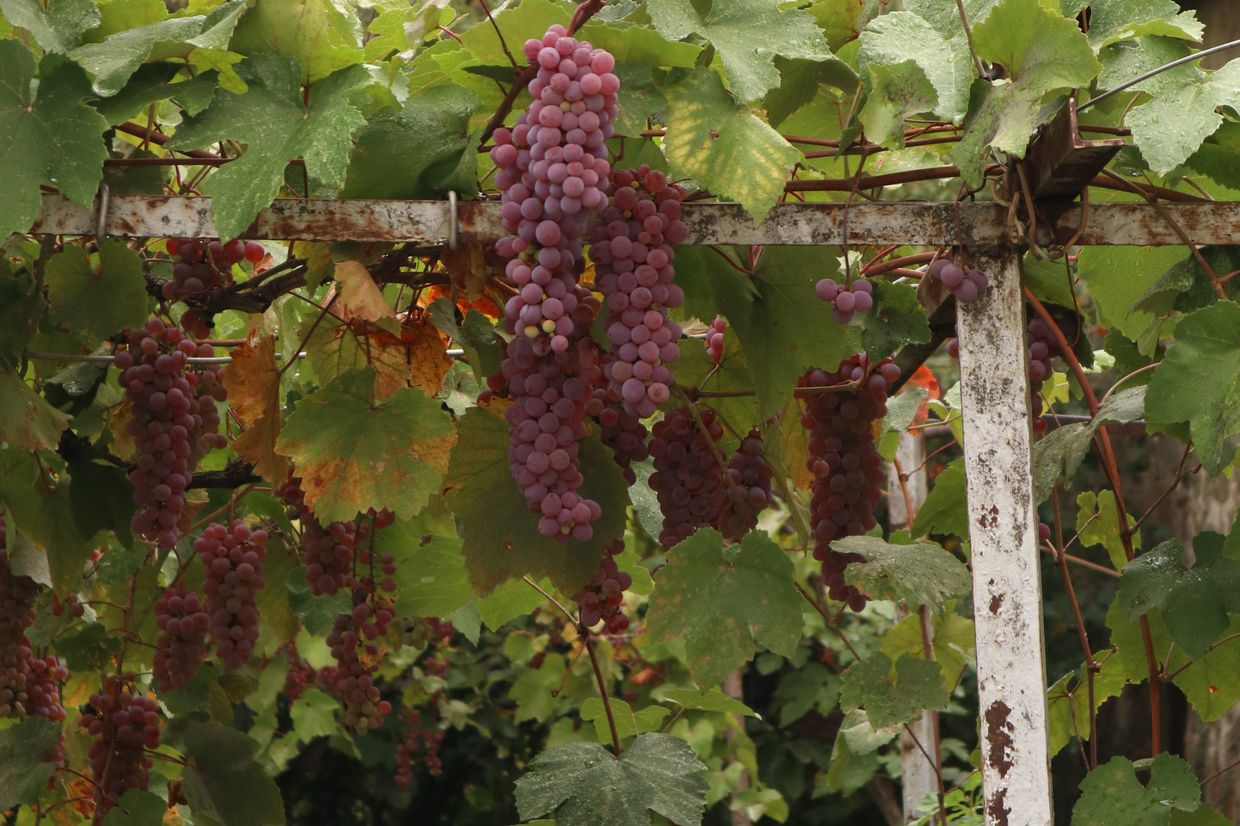
For Andro Barnovi, the founder of the Wine Artisans association, the new legislation has sparked deep concern over what he believes is state interference in a private enterprise.
‘Are we in the Soviet Union, where the state decides what a private person does at home? Georgia is unique — vineyards have never been purely industrial. Vines grow even in front of apartment buildings. We have countless indigenous varieties and terroirs. These regulations risk destroying that’, he tells OC Media.
During the Soviet era, wine production relied on only about nine varieties out of hundreds. It was only after the Soviet collapse and Georgia’s new-found independence that growers began reviving rare varieties.
Barnovi believes Georgia should rely on these diverse and rare varieties and terroirs, a strategy which requires small growers and winemakers.

‘The law is aimed at 1% of the wineries in Georgia’s wine-producing regions, while harming the other 99% who actually create the diversity of the sector’, Barnovi says, arguing that the regulations will kill any enthusiasm from both new and old winemakers.
‘Now imagine telling a grower that without approval they cannot sell wine. This paperwork is a disaster for farmers — travelling to cities, dealing with bureaucracy, and additional costs. Requiring certified nurseries also means rare varieties may become inaccessible’, Barnovi says.
Barnovi argues that the policy may ultimately push small, quality-focused winemakers out in favour of large-scale industrial production.
‘If you come to Kakheti and see what happens during harvest and grape purchasing by the government, the signs are obvious’, he says, pointing to the government’s choice to continue subsidising the national wine industry.
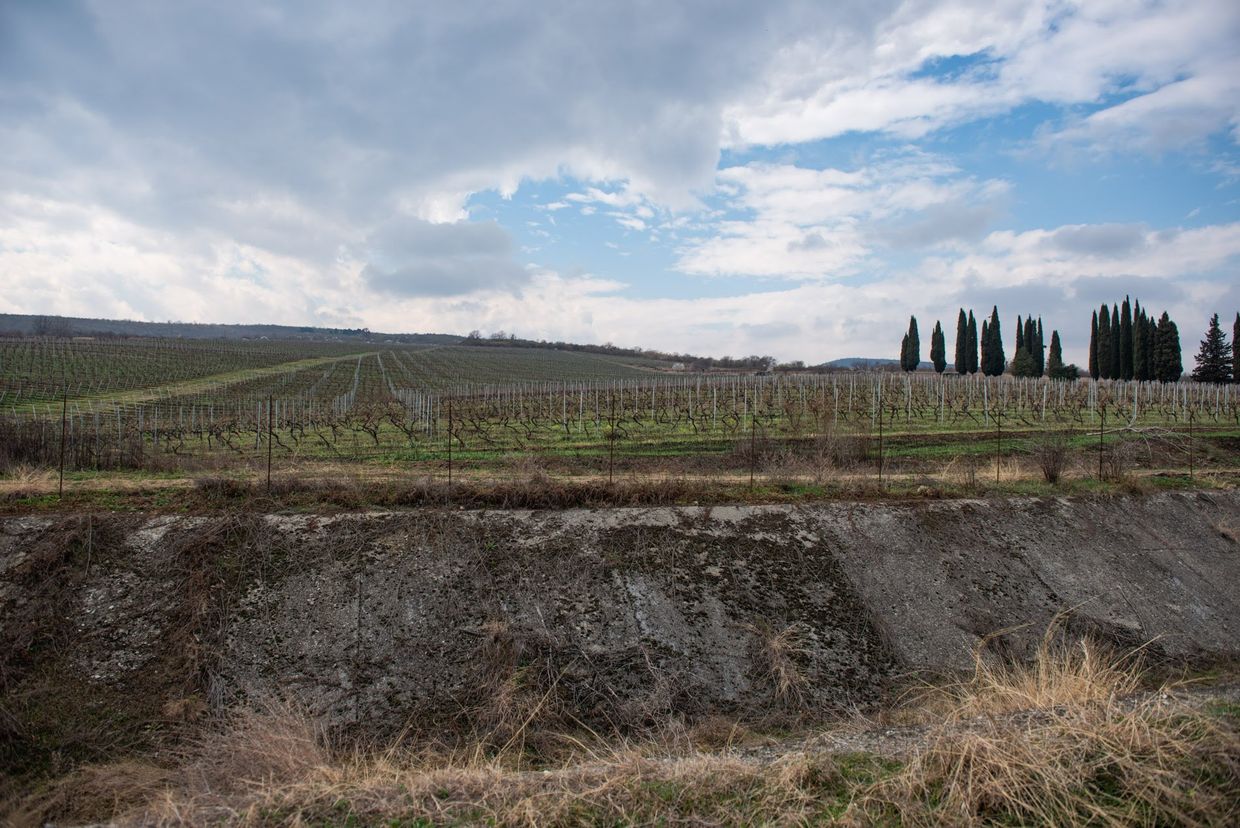
Similarly, oenologist Giorgi Samanishvili argues the new legislation will simply increase costs for small producers.
‘Finding vine seedlings will become harder because only registered nurseries are allowed. Family nurseries will disappear, and those who grow their own seedlings will be restricted’.
He believes many will avoid the bureaucracy and plant vineyards unofficially.
Not all winemakers are against the legislation, however.
During a live debate on the pro-government TV channel Rustavi 2, winemaker Giorgi Bariasashvili argued that ‘at some point, this step had to be taken so that high-quality vine varieties and grafted plants are established in Georgia — today, small-scale grafters make many mistakes’.
Gela Gamtkitsulashvili, another winemaker from the large-scale Twins Wine Cellar, has also supported the regulations, calling them ‘very important from the perspective that there is no quality wine without quality grapes, and no quality grapes without a quality vineyard’.
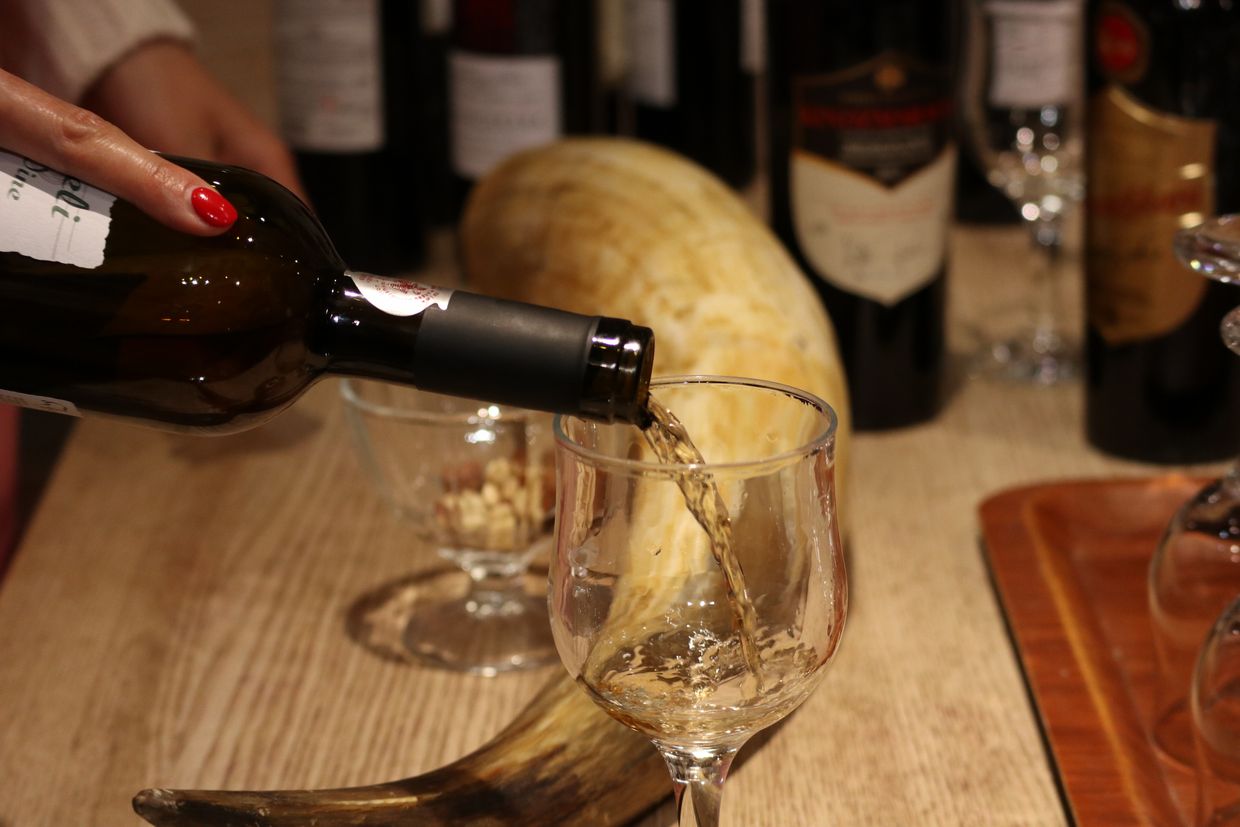
Yet, even for those who might support more modern changes, the new law has raised eyebrows, in large part due to its reliance on technology, such as proper laboratories that determine soil quality, that simply do not yet exist in the country. A service charge of 10 tetri ($0.04) per bottle has also been introduced — a fee many consider steep. The agency claims the revenue will fund marketing and promotion efforts, but smaller wineries remain skeptical.
When contacted by OC Media, Tamta Kvelaidze, a spokesperson for the National Wine Agency, said they were unable to comment on the amended legislation due to their current focus promoting Georgian wines in France.
As Giorgi Piradashvili, another passionate winemaker who founded Chateau Mere in Telavi and the Janiani Winery sums it up: ‘I understand that the industrial side of winemaking is necessary, and I am not opposed to changes that would genuinely benefit the field — but this is not it’.