Is the Armenian election really about the West vs Russia?
While the West has relied on showing support through statements and summits, Russia has resorted to economic pressure and overt warnings.

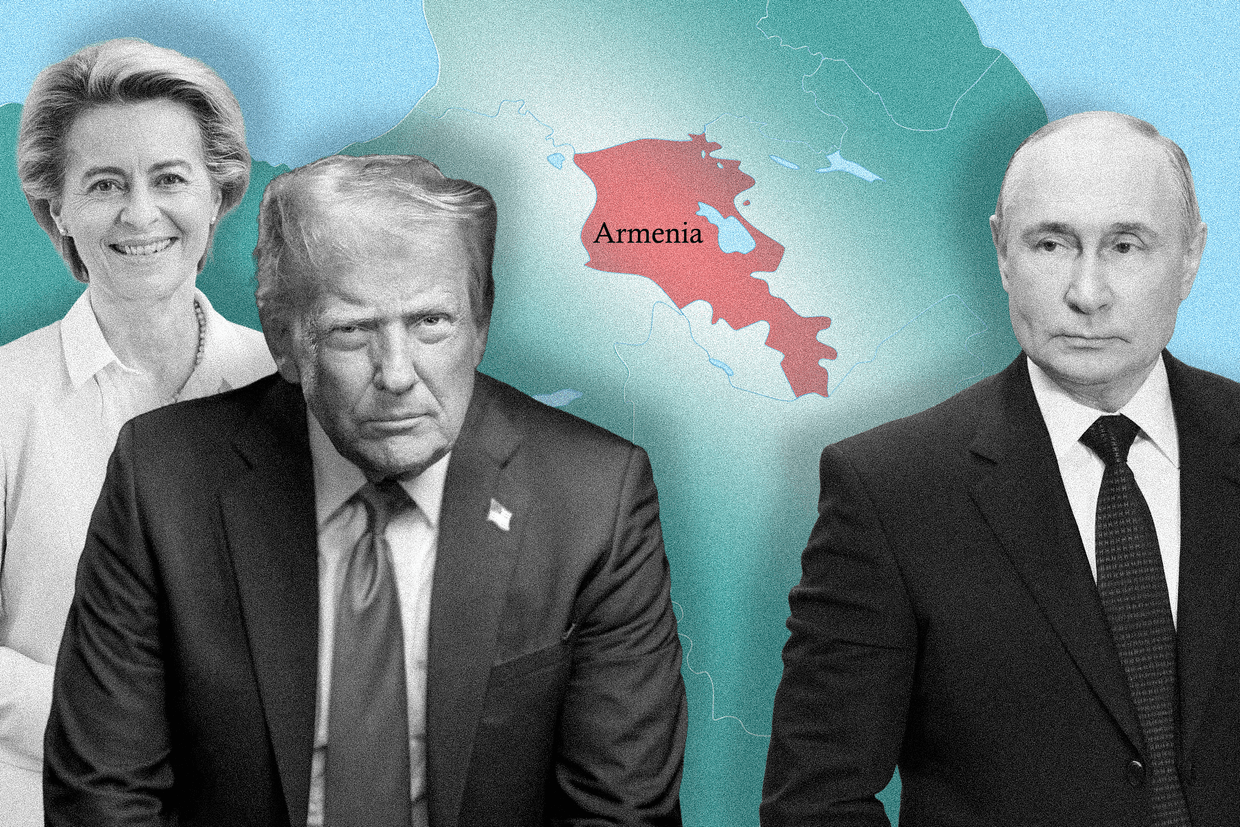
On the eve of Armenia’s parliamentary elections, much discussion has been dedicated to the ways in which the West and Russia have, in their own ways, acted to endorse their favourite candidates. While one side has issued support through statements and summits, the other has resorted to more implied threats and economic pressure.
These developments have come as Armenian Prime Minister Nikol Pashinyan’s government has increasingly promoted what it calls a ‘balanced and balancing’ foreign policy doctrine.
Armenia’s push to diversify its foreign and security partnerships, highly dependent on Russia and Russian-led structures, accelerated after Azerbaijani incursions into Armenia in 2021 and 2022, during which Azerbaijani forces seized roughly 200 square kilometres of Armenian territory. Despite Armenia’s requests, the Russian-led Collective Security Treaty Organisation (CSTO) declined to intervene, leading Yerevan to freeze its participation from February 2024.
Russian peacekeepers’ failure to prevent Azerbaijan’s blockade and subsequent takeover of Nagorno-Karabakh in 2023 resulted in the region’s surrender and subsequent mass exodus of over 100,000 Armenians.
Pashinyan’s new foreign policy doctrine therefore has seen a deepening of ties with different states through various deals, including signing strategic partnership agreements with the US, France, the UK, and China, among others, while simultaneously holding similar negotiations with Iran.
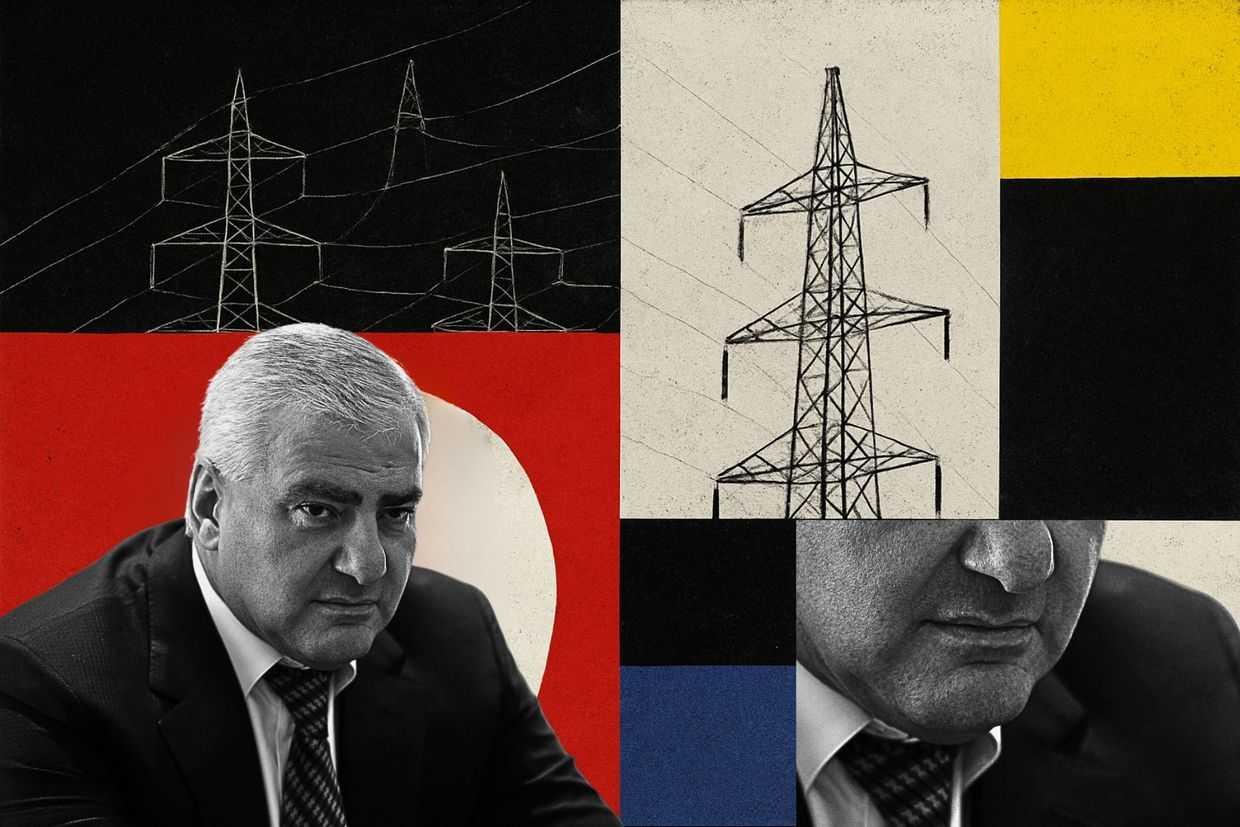
On the other hand, the opposition, including front-runner Armenian–Russian tycoon Samvel Karapeytan, former President Robert Kocharyan’s Armenia Alliance, and businessperson Gagik Tsarukyan’s Prosperous Armenia Party, are widely perceived as maintaining pro-Russian positions. Indeed, all have announced their desire to bring back Russia, among others, into the Armenia–Azerbaijan peace process as a guarantor.
 Arshaluys Barseghyan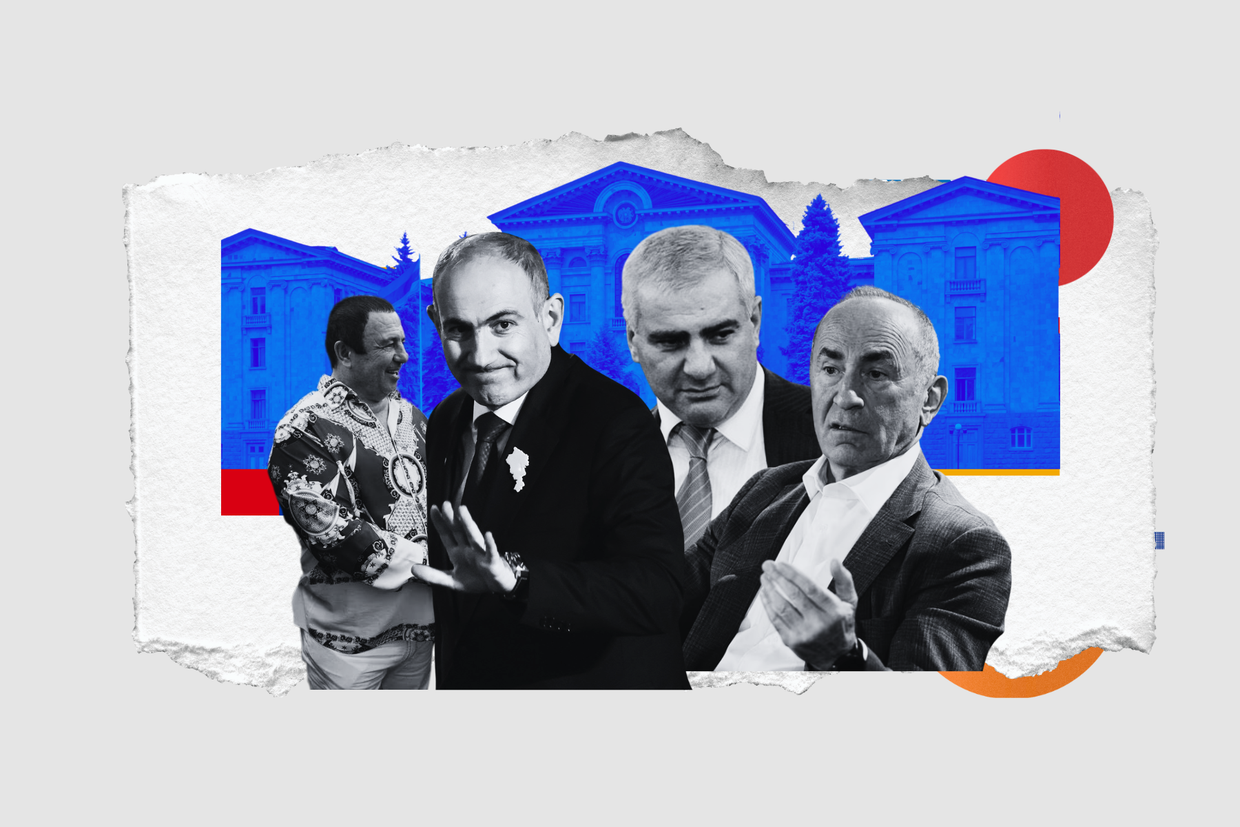
Yet, can what will be the first regularly scheduled parliamentary vote since 2017 really be thought of in such black-and-white terms as the West versus Russia?
Putin’s tacit endorsement of Karapetyan
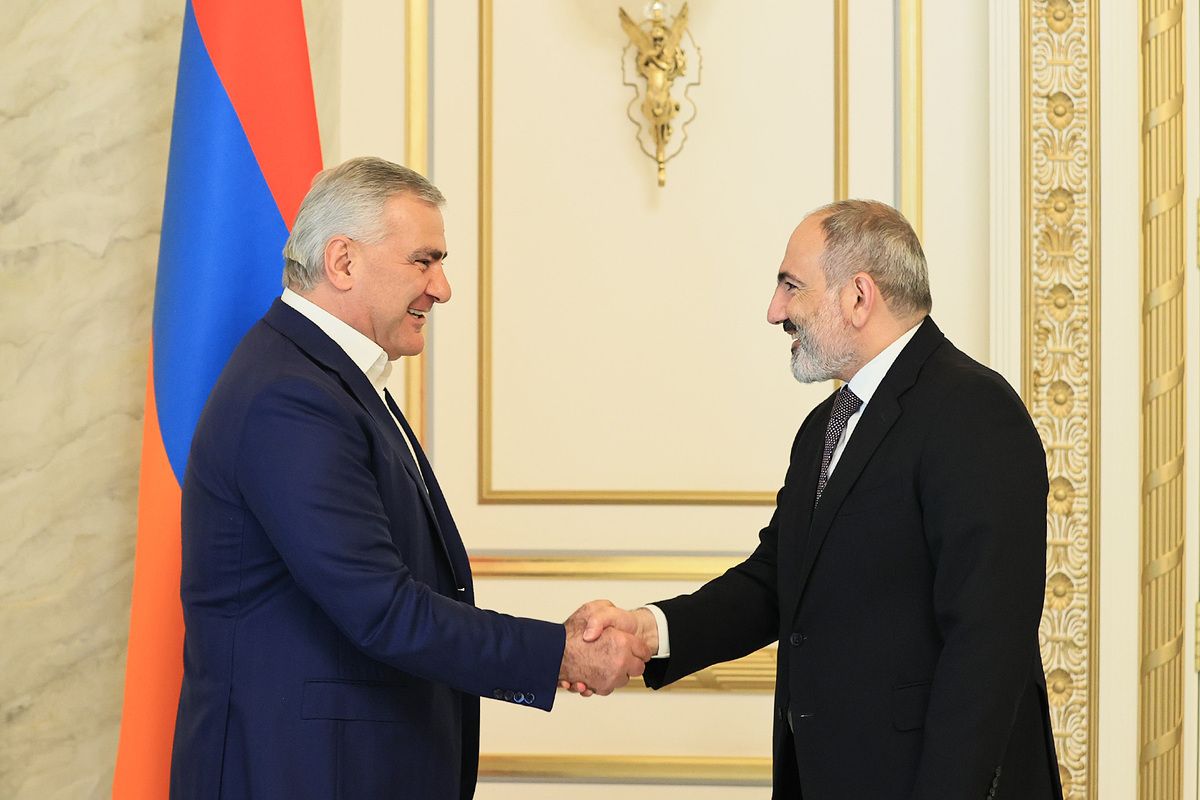
During an April meeting with Pashinyan, Russian President Vladimir Putin openly raised the issue of ‘pro-Russian’ political forces in Armenia, expressing his wish for these parties ‘be able to participate in this domestic political work during the elections’. The remarks were widely interpreted as a signal of Russian support for the opposition ahead of the vote, and appeared to directly reference Karapetyan.
Russia, for its part, has denied accusations that it is exploiting the Armenia–EU debate during Armenia’s election campaign. However, concerns about Russian interference have been further fuelled by a series of apparently leaked documents published since May, which appear to outline plans to remove Pashinyan from power through an operation centred on Karapetyan and to bus ‘tens of thousands of Russian–Armenians’ into Armenia to influence the election outcome.
Separate apparently leaked materials have also linked former Human Rights Defender Arman Tatoyan, who is running in the elections under the newly formed Wings of Armenia party, to Russian networks.
As Armenia entered its parliamentary election campaign in early May, Russia has increasingly signalled its dissatisfaction with Yerevan’s growing ties with the West. At the same time, Armenia has insisted that relations between the two countries remain on a positive trajectory, despite mounting tensions.
The latest dip in relations began after Pashinyan and Putin’s 1 April meeting. Despite the subsequent tensions, Pashinyan has continued to describe bilateral relations as undergoing a ‘constructive transformation’, saying he evaluates ‘this process positively’.
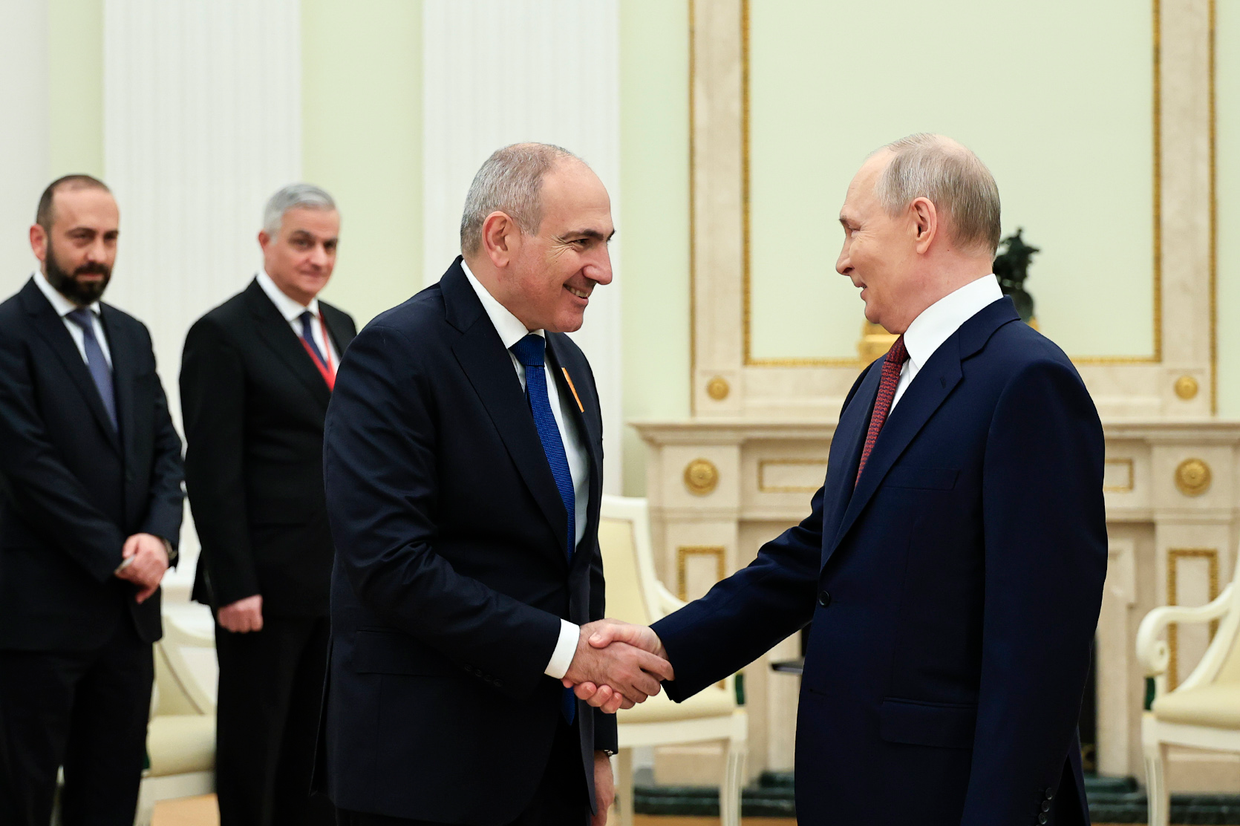
Since then, Russian officials have issued near-daily warnings regarding Armenia’s European aspirations, while Moscow has also employed economic pressure ahead of the elections.
Among the reported warnings was an official letter cautioning that Russia could halt tax-free supplies of gas, petroleum products, and uncut diamonds if Armenia continues efforts towards EU accession. Another warning claimed EU membership could cost Armenia ‘approximately 23% of its GDP’.
Following this, on 29 May, the leaders of Russia, Belarus, Kazakhstan, and Kyrgyzstan adopted a joint statement during a Eurasian Economic Union (EAEU) session calling on Armenia to hold a referendum ‘as soon as possible’ on whether to join the EU or remain in the Russian-led bloc. The statement echoed a similar statement made by Putin earlier in May. Shortly afterwards, Moscow recalled its ambassador to Armenia, Sergei Kopyrkin, for consultations over Armenia’s relations with the EU.
Pashinyan, in turn, has rejected calls for an immediate referendum, arguing that such a choice remains premature.
‘Until the point when Armenia has either officially applied for EU membership or is very close to obtaining candidate status, holding any referendum would be unreasonable’, Pashinyan said. He added that Armenia would continue working within the EAEU ‘until the point when making a choice between the EU and the EAEU becomes unavoidable’.
The matter was also discussed in a phone conversation on 1 June between Pashinyan and Putin, held to mark the former’s birthday. Pashinyan, according to the Armenian readout, thanked Putin for his ‘balanced positions on several issues that gave rise to misgivings, his friendly tone, as well as his support’.
Russia derails the Armenian market
Alongside political pressure, Russia has increasingly relied on economic leverage against Armenia, which significantly depends on the Russian market.
In April, Russian authorities suspended sales of alcoholic beverages from several Armenian producers, claiming they did ‘not meet mandatory requirements’. Moscow also upheld its ban on Armenian Jermuk mineral water, introduced additional inspections of Armenian goods, and imposed restrictions on fruit, vegetable, flower, and fish imports.
Yousef Bardouka
Despite the measures, Armenian officials have largely avoided escalating tensions, arguing that similar trade disputes have occurred repeatedly in the past. Government representatives have also accused the opposition of contributing to the situation. At the same time, Yerevan cautioned against leaving Russian-led economic and security blocs in response to possible economic pressure from Russia, pointing out that its membership is mutually beneficial.
Meanwhile, several of Pashinyan’s main opponents have warned that his re-election could trigger an ‘economic war’ with Russia. Indeed, in April, Karapetyan warned that such a confrontation could begin as early as July if Pashinyan remained in power.
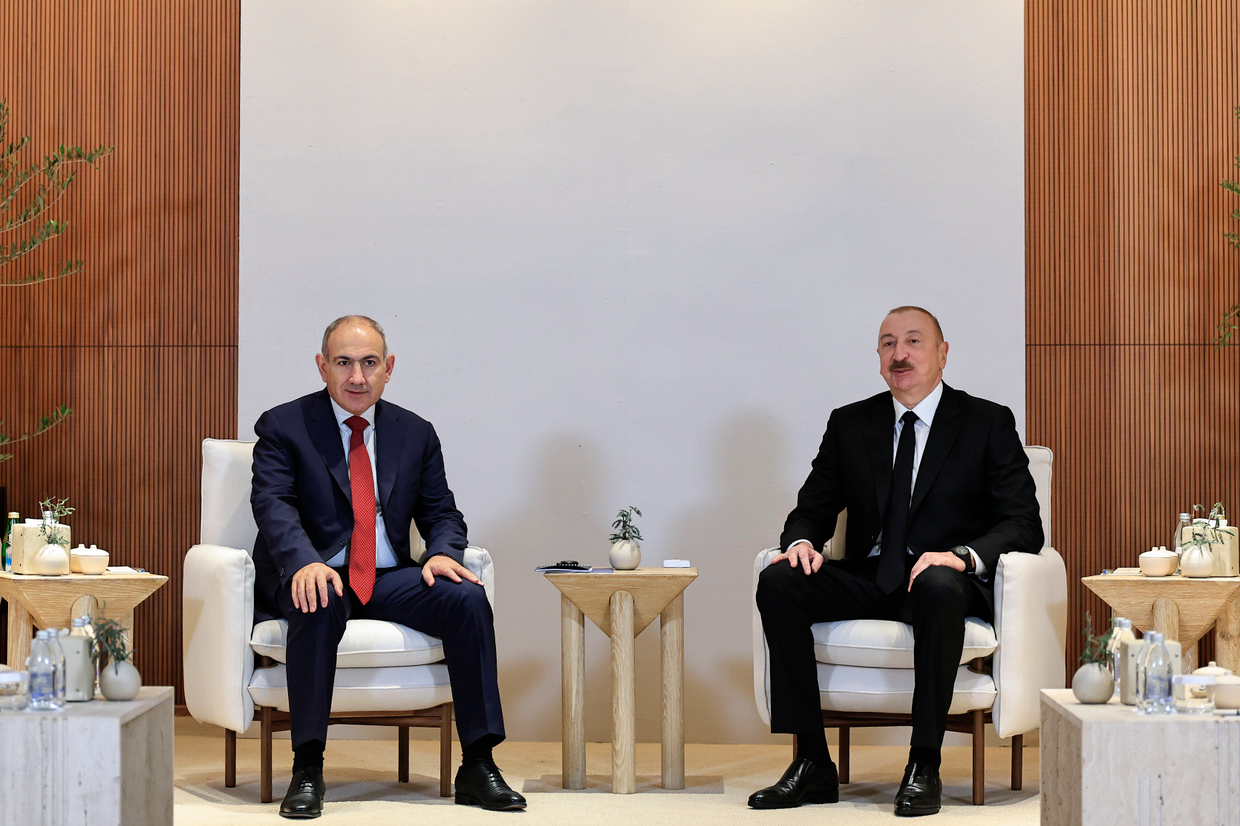
The statement appeared to mirror one of Pashinyan’s recurring claims — that an opposition victory in the upcoming parliamentary elections could lead to renewed war with Azerbaijan in September.
According to political scientist Narek Sukiasyan, however, these tactics are not purely about affecting election results.
‘The deployed sanctions and hybrid tactics may have some effect on the outcome, but I think it also reflects an awareness that a Pashinyan return to government is far from unlikely. And in that scenario, Moscow will still need workable bridges’, Sukiasyan says.
He believes that following the elections, the current tensions are likely to de-escalate, citing the readout of the Putin–Pashinyan phone call on 1 June as ‘indicative of that trajectory’.
He also suggests that Russia is ‘politically invested in these elections, but it is not deploying the full weight of its leverage — and not at maximum intensity’.
Armenian authorities have also speculated that restrictions on Armenian exports to Russia would be gradually lifted after the elections. As the measures intensified on 2 June, Pashinyan announced that products intended for Russia had been shipped to other countries.
The West’s explicit support of Pashinyan
On the other side, the West — more concretely the US and EU, as well as individual European leaders — has also taken steps widely perceived as supportive of Pashinyan ahead of the elections.
On 28 May, just 10 days ahead of the election, US President Donald Trump publicly endorsed Pashinyan with a post on Truth Social, expressing ‘complete and total endorsement’ of Pashinyan’s bid.
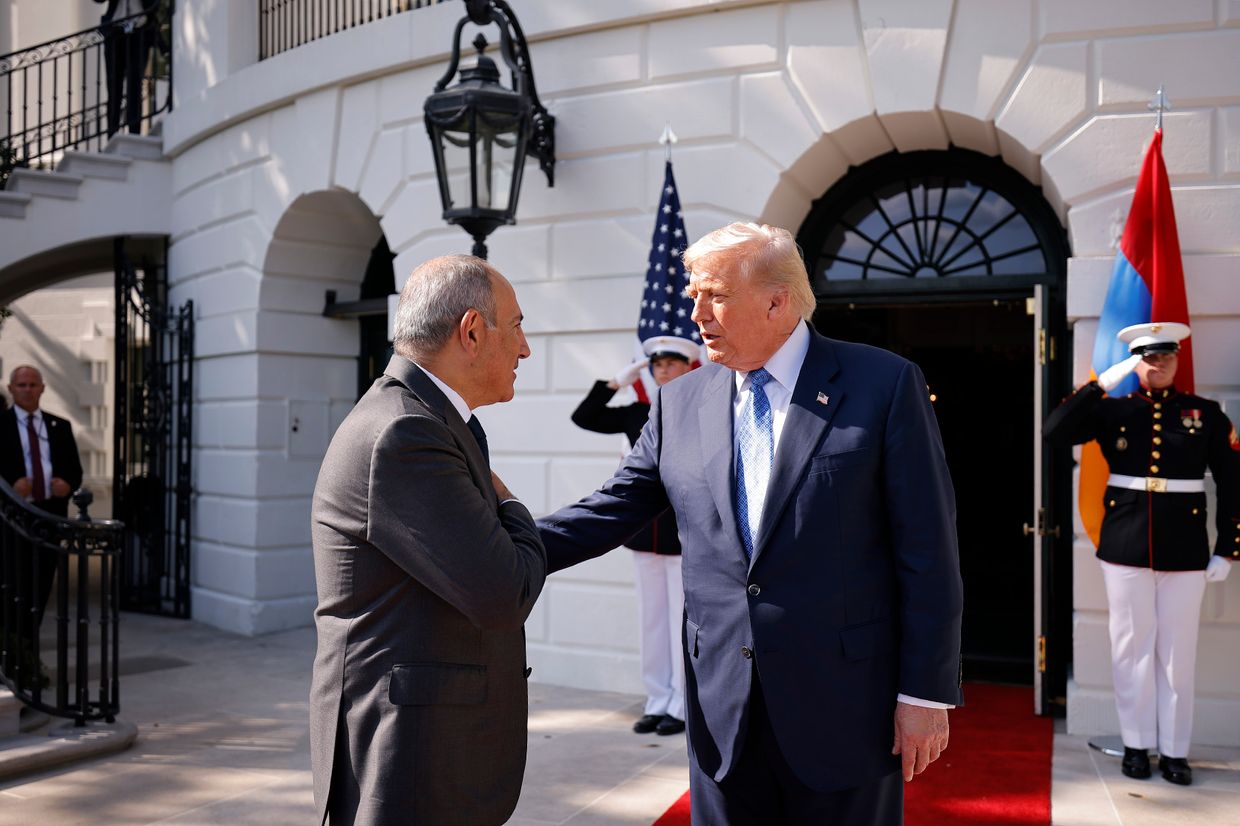
According to Sukiasyan, Trump’s endorsement ‘reflects a direct interest’ in the Trump Route for International Peace and Prosperity (TRIPP) — a transit link through southern Armenia connecting Azerbaijan with its exclave of Azerbaijan. This, Sukiasyan says, was ‘consistent with the transactional, business-minded approach through which the US helped forge it.’
‘Simply put, you need the partner you negotiated with’, he says. ‘This is complemented by the showcase of the initialled peace deal [with Azerbaijan in August 2025] that Trump takes so much pride in’.
Trump’s endorsement came just after US Secretary of State Marco Rubio’s fly-by visit to Yerevan, which saw the signing of several deals and was itself seen as a sign of support for Pashinyan’s government.
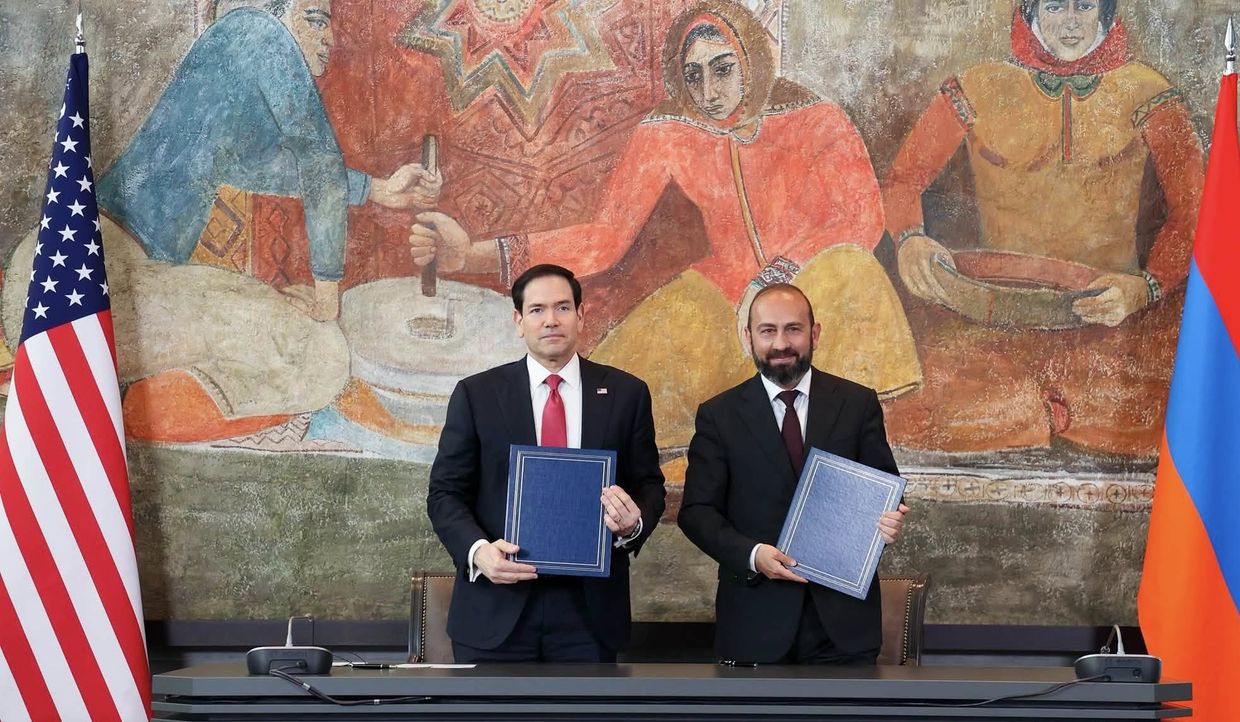
Vice President JD Vance’s historic February visit to Armenia — the highest-level visit by a US leader since Armenia gained independence — also acted as an official US endorsement.
‘To the extent my endorsement means anything, [Pashinyan] certainly has it’, Vance said at the time.
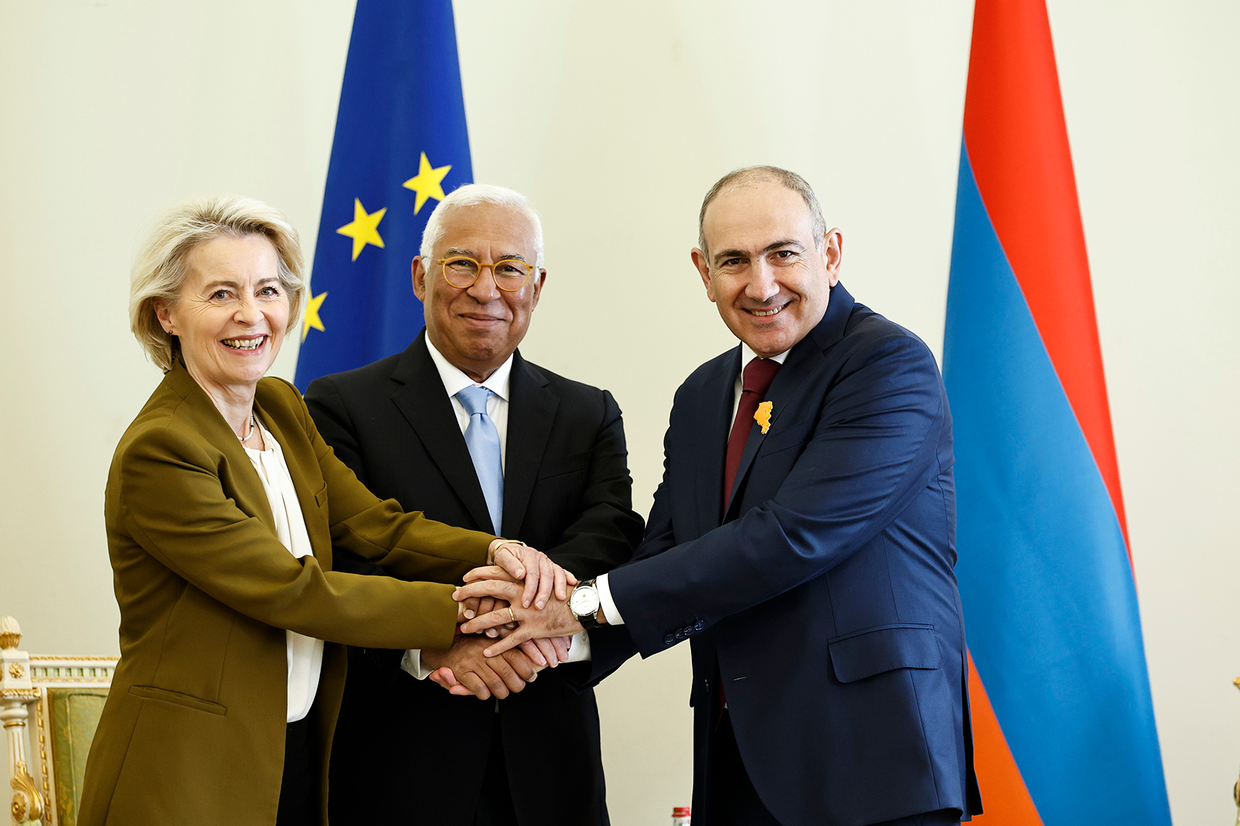
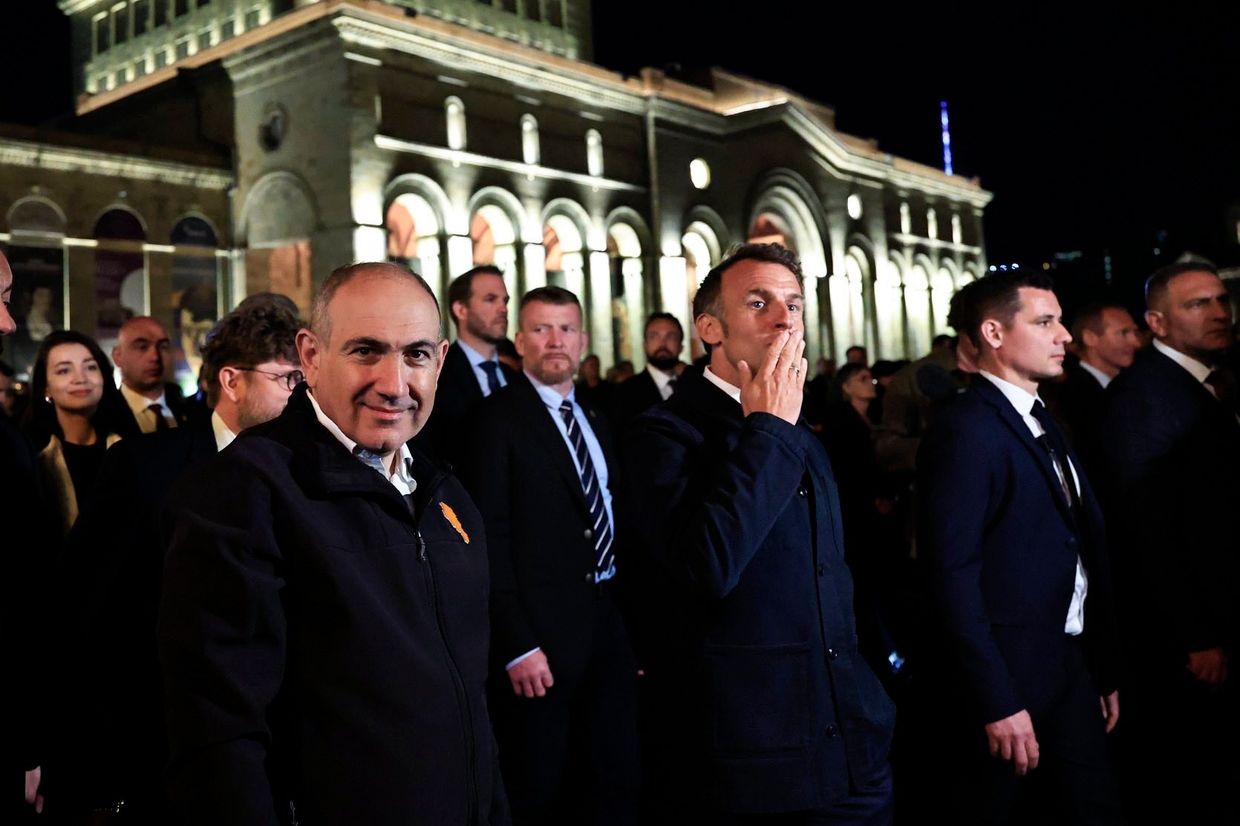
On the EU side, roughly a month before the vote, Yerevan hosted two unprecedented high-level gatherings: the 8th European Political Community (EPC) Summit and the inaugural Armenia–EU summit, which concluded with a joint declaration and the signing of several agreements. While nearly 50 world leaders arrived in Yerevan for the summit, French President Emmanuel Macron’s visit — formally linked to the EPC but also conducted as a separate state visit — drew particular public attention.
Widely viewed in Armenia as a friendly figure toward the country, Macron cultivated an unusually informal public image during the trip, jogging through Yerevan in the morning, taking evening walks with Pashinyan, and even joining him in song. During the visit, Macron also appeared to endorse Pashinyan, noting the need to distinguish ‘foreign interventions that try to manipulate democratic life’, in reference to Russian interference involving manipulation and false information in Armenia’s elections, from ‘political positions that are openly taken’.
‘I undertake this support. I support this colleague of mine, whom I have trusted for eight years […] I fully undertake this decision to defend Europe’, Macron said.
Indeed, Armenian officials describe Armenia–EU relations as being at their highest level in history, with Pashinyan repeatedly stating that Armenia is willing to ‘be closer to the EU, as much as the EU considers it possible’.
The sides have been involved in visa liberalisation dialogue since September 2024, and in March 2025, Armenian authorities adopted a bill calling on the government to pursue EU integration, although the formal accession process has not yet begun. Separately, the sides launched consultations on security and defence and signed a strategic partnership agenda.
Brussels has also expanded its presence in the country through monitoring and rapid-response mechanisms ahead of the elections. These moves have unfolded alongside growing EU and Armenian accusations of Russian interference and hybrid influence operations ahead of the elections. In early June, the EU announced that it was ‘looking into ways to increase EU support for Armenia in the short term’ in the light of ‘growing economic coercion by Russia’.
According to Sukiasyan, the EU has tended to view the Armenian elections ‘through a Moldovan lens’, which frames Pashinyan as a democrat ‘standing firm against Russian pressure’.
‘While this reading is not without foundation, the oversimplification strips the situation of important nuance, particularly regarding the current administration’s democratic record and more nuanced position vis-a-vis Russia’, Sukiasyan emphasises.
He argues that both the international media coverage and Armenia’s own polarised domestic debate ‘tend to flatten the country’s foreign policy into a straightforward narrative of rupture with Russia and convergence with the EU’.
‘In reality — and in Pashinyan’s own words — Armenia will not act against Russian interests. The ruling party’s official platform speaks of a “balanced and balancing” foreign policy, in which European integration is the preferred long-term direction but not one to be pursued prematurely’, Sukiasyan notes, adding that while this is the course broadly followed, it is ‘periodically disrupted by more impulsive shifts — often triggered by external developments or by the channelling of foreign influences and interests through the Armenian opposition’.