Opinion | Why North Caucasians neither celebrate nor condemn the Israeli–US attack on Iran
For North Caucasians, the conflict is yet another example of world-shaping powers operating without regard to those affected.
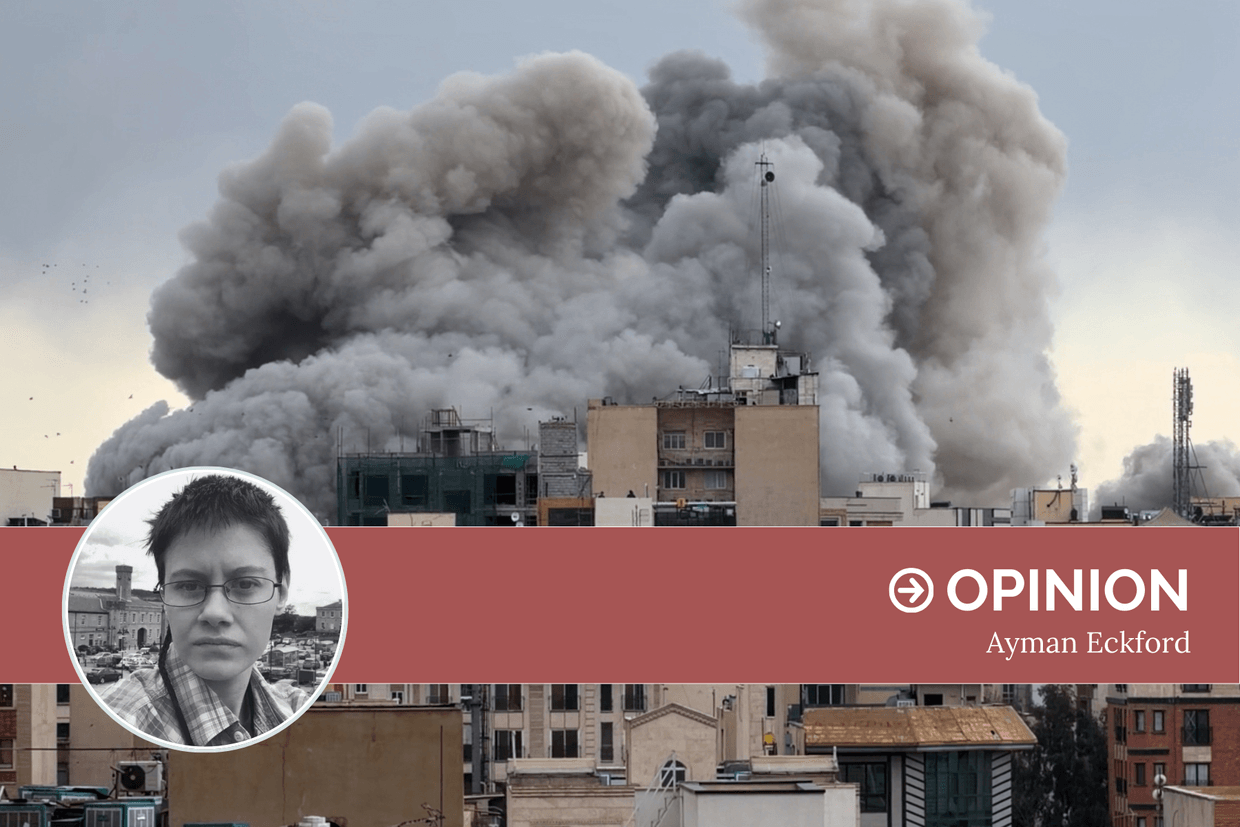
North Caucasians have always shown a particular interest towards events in the Middle East, sharing a similar religious background, as well as a long history of fighting colonialism and dictatorships. Yet, reactions on online spaces often reveal more about the North Caucasus itself than about the actual events taking place on the world stage.
Reactions to the strikes on Iran and the killing of its Supreme Leader Ali Khamenei were diverse, with some overlap where there usually is none. What was most surprising, however, was that the reaction was not as loud as one might expect, given Russia’s long-standing history as an ally of Iran.
Indeed, the head of the Russian administration in Chechnya, Ramzan Kadyrov, is known for his pro-Iranian position. Apti Alaudinov, the commander of the Russian special forces unit Akhmat and one of Kadyrov’s closest supporters, even published a video in which he said it was his personal dream to fight in Iran, and asked the Kremlin to support the Iranian regime with missiles.
 Elizaveta Chukharova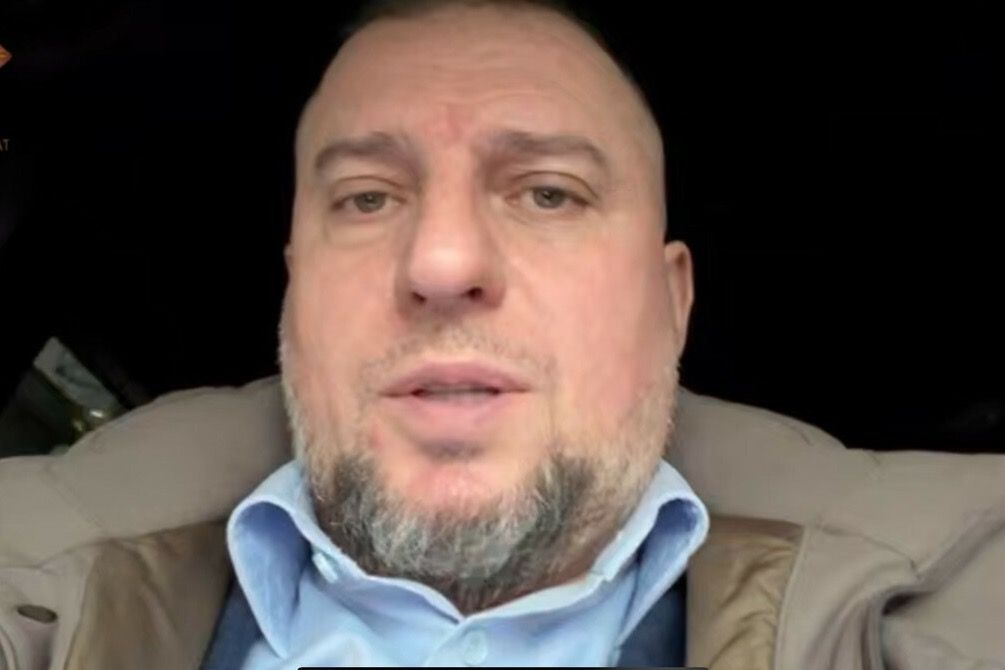
However, Russian authorities and their local allies are extremely unpopular among the peoples of the Northern Caucasus. Among young people online, Alaudinov is often mocked with nicknames such as ‘Apti the Yellow Pants’ and ‘TikTok fighter’. references to what critics describe as his cowardly behaviour on the actual frontline. The Chechen opposition movement NIYSO has also ridiculed him, suggesting that he would never sacrifice his property in the UAE, his wealth, or his own life for a war in Iran. According to NIYSO, many other pro-Russian officials from the Northern Caucasus have remained unusually silent simply because Moscow has not yet told them what position to take.
At the same time, NIYSO itself has not been very vocal about the events either — but for completely different reasons. NIYSO is one of the most prominent online liberation movements in the Northern Caucasus. It is a strictly religious Chechen opposition movement known both for its anti-Zionist stance and for its deep hostility toward Russia, which it views as an occupying power in the region. Most of its supporters are devoted Sunni Muslims and somewhat anti-Shia. Because of that, the death of a Shia leader could hardly provoke sympathy among them. Even so, NIYSO also cannot openly celebrate an attack carried out by Israel, a state they strongly oppose.
This contradiction has placed many Northern Caucasian bloggers and activists in a difficult position.
While the war is escalating, reactions have been expressed more and more by ordinary Chechen, Ingush, and Daghestani young people as opposed to major influencers. In many ways, the internet has become the only relatively free space where the region’s youth can express their views, and discussions on social media often reveal far more than official political statements.
Tumso Abdurakhmanov, one of the most prominent Chechen online influencers and leader of the political movement Voice of Chechnya, argues that the war launched by the US and Israel repeats the same declared goals as before: destroying Iran’s nuclear programme and toppling the current regime.
Yet, as he points out, this same nuclear programme had already been declared ‘completely destroyed’ in June 2025 after American bomber strikes — claims publicly repeated by US President Donald Trump and echoed by Israeli Prime Minister Benjamin Netanyahu. According to Tumso, those statements were clearly exaggerated. Iranian nuclear facilities may have been damaged, but the infrastructure was not eliminated and the Iranian government remained firmly in power. The only clear success of the earlier strike, he says, was the element of surprise, which allowed attackers to eliminate several senior military figures. Now the situation is different. In Tumso’s view, the entire region is now being pulled into the conflict, and the consequences of this new military gamble remain uncertain.
Still, he avoided openly condemning or supporting the attack on the Iranian regime.
Javid Agha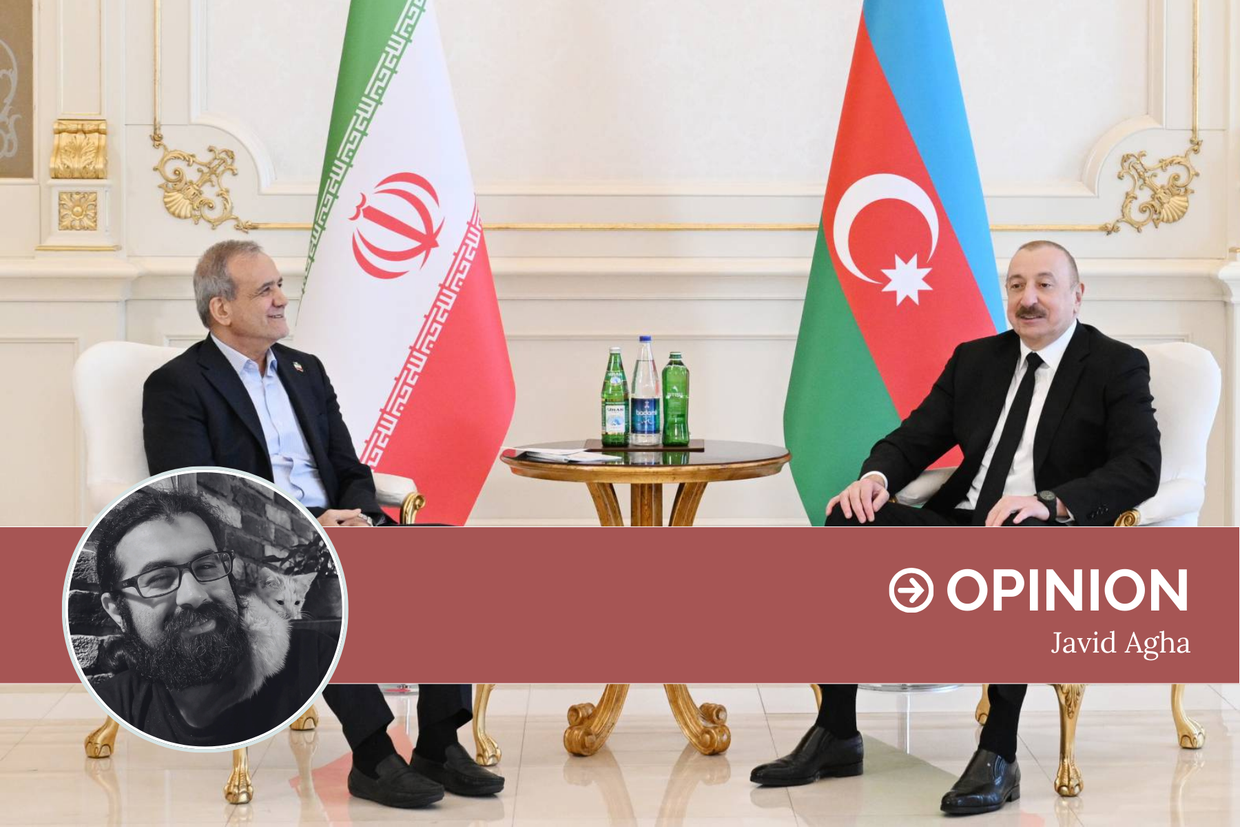
Ordinary Chechens, however, are often more direct in private conversations. Several people I spoke to, who preferred to remain anonymous, described the Iranian Shia and authoritarian government as ‘anti-Islamic’ and accused it of making the concept of Sharia appear cruel and oppressive in the eyes of the world. Some argued that the fall of the regime could benefit the Caucasus, Ukraine, and other regions suffering from Russian influence. At the same time, they said they could not support a war led by leaders they see as deeply Islamophobic and hostile to Muslims.
Ingush journalist and human rights activist Mohmad Tor expressed an even harsher position on social media. Commenting on the events, he wrote that there could be no talk of defending Iran, calling the Iranian leadership ‘man-eating monsters’ and arguing that the ayatollahs had long drowned Syria and Iraq in blood. At the same time, he insisted that their downfall should have happened without Western intervention, warning that outside involvement would only make the situation worse. In another post, he described both Iran and Israel as enemies of Muslims.
Many ordinary Daghestani young people also appear deeply divided. Some focus on their hostility toward Israel and solidarity with Palestinians. Others emphasise their distrust towards Trump, especially after the release of the Epstein files, or their resentment toward Iran’s long-standing alliance with Russia.
For many Salafi-leaning young people in the Northern Caucasus, Iran also serves as an example of how not to build an Islamic state. They criticise the country for its Shia identity, for supporting authoritarian regimes abroad, and for its history of conflict with Sunni movements — at the same time, however, religious differences seem less important even for them compared to the regime’s brutality. Others primarily focus on Iran’s cooperation with Russia, which they see as responsible for decades of repression in the Caucasus and preventing them from living freely, independently and according to their religious beliefs. Still most are mainly repelled by the brutality of the Iranian political system.
Despite all these divisions, one thing unites most young people across the Northern Caucasus. Even those who are otherwise deeply divided politically tend to share a strong pro-Palestinian and anti-Israeli sentiment. Because of this, very few in the region are willing to celebrate any event in which Israel plays a central role.
In the end, the most common reaction from the Northern Caucasus reflects a complex web of political, religious, and historical tensions. For many people in the region, the conflict between Iran, Israel, and the US is not a simple struggle between allies and enemies. Instead, it is yet another example of a world in which the powers shaping the future of the Middle East — and often the Caucasus as well — are rarely trusted by those who must live with the consequences.