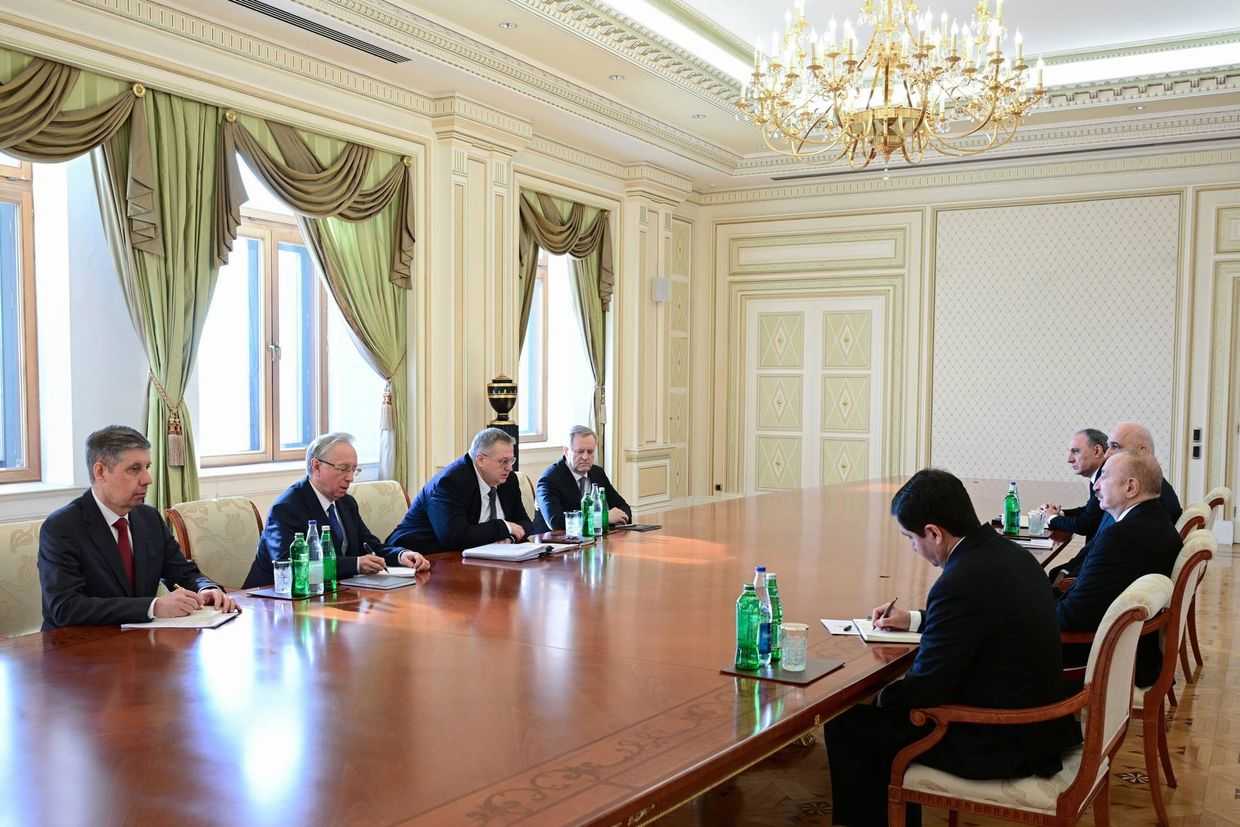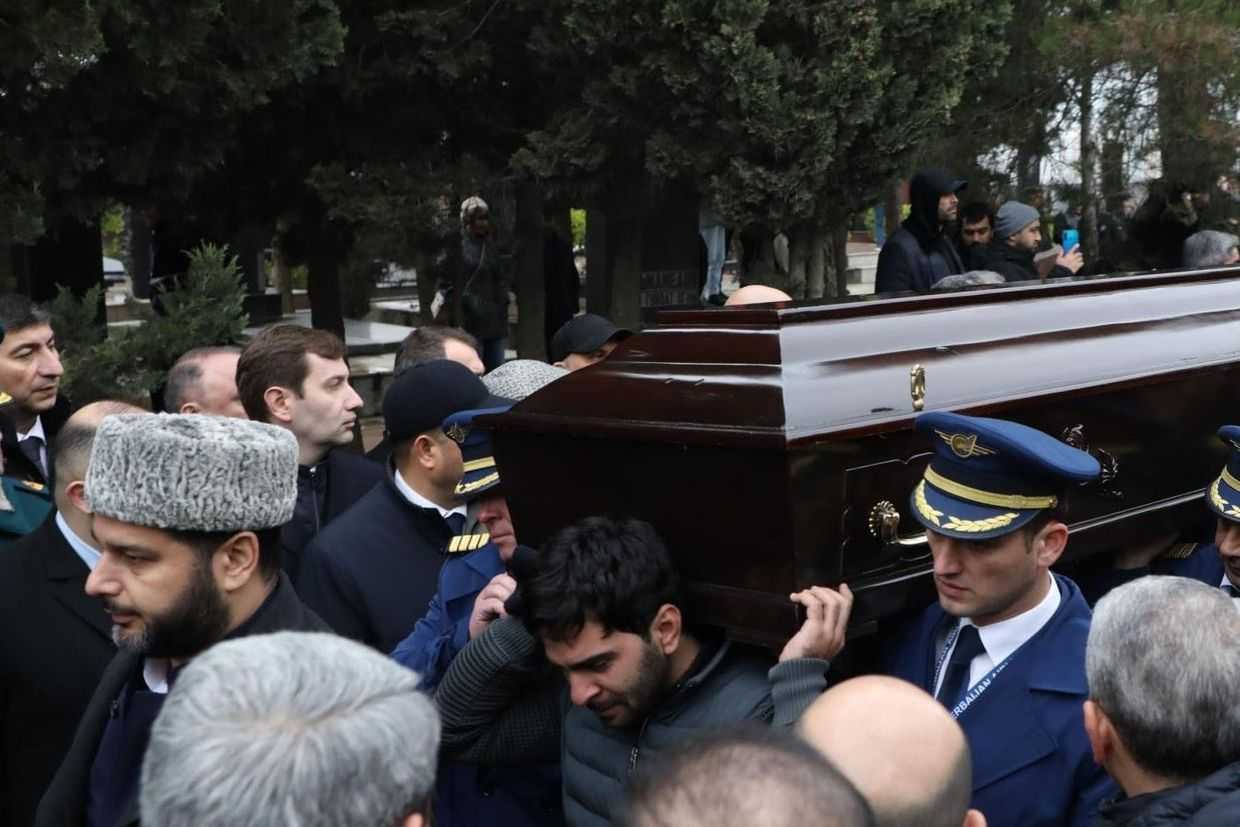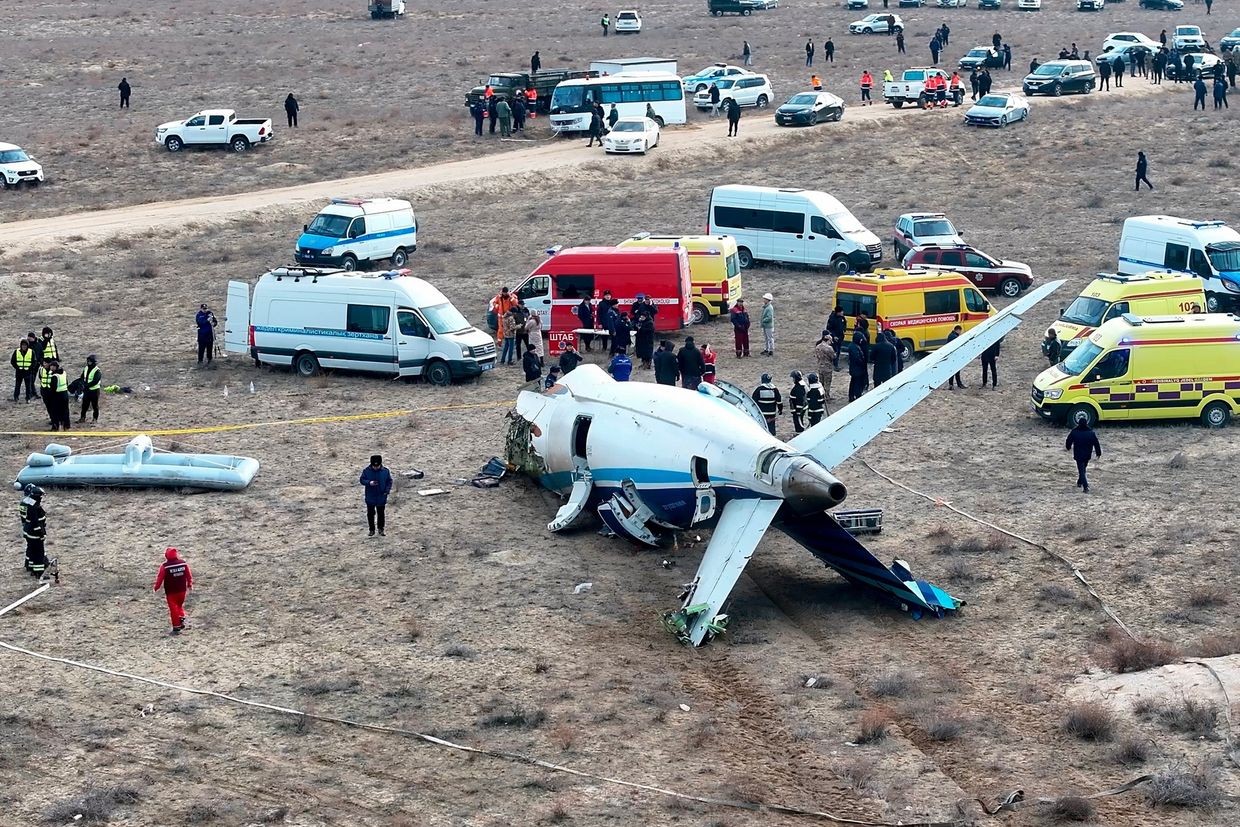
Russia has agreed to pay damages and compensation for the Azerbaijan Airlines (AZAL) airplane that was mistakenly struck by Russian anti-air missiles as it approached Grozny in December 2024 before crash-landing in Kazakhstan, killing 38 people. The Russian and Azerbaijani foreign ministries announced the agreement on Wednesday, which comes six months after Russian President Vladimir Putin officially apologised to his Azerbaijani counterpart Ilham Aliyev for the incident.
The crash, which Russia initially refused to take responsibility for, sparked an unprecedented downturn in Azerbaijan’s relations with Russia.
The joint statement released by the two foreign ministries on Wednesday was short on details, simply saying the two sides ‘have agreed on an appropriate settlement of the consequences, including the payment of compensation’.
Although the official investigation in Kazakhstan is still ongoing, the statement said, ‘the crash resulted from an unintentional strike by an air defence system in the airspace of the Russian Federation’.
‘These steps re-affirm our shared commitment to further developing mutually beneficial cooperation within the framework of our allied partnership. We express our confidence that the progressive development of Russian–Azerbaijani relations, based on mutual respect, trust, and regard for each other’s interests, will continue to strengthen our neighbourly ties and broaden cooperation for the benefit of both nations’.

The statement concluded by reiterating that both sides ‘once again offer our deepest condolences to the families and loved ones of those who lost their lives in the aircraft crash, and we share the pain of this irreparable loss with all those affected by this tragedy’.
There were no details about the specifics of the compensation, to whom it would be paid, what amount, and a timeframe for the payments. It is also not the first time that the issue of compensation has been raised — Russia’s Foreign Ministry claimed as far back as September 2025 that insurance claims to the tune of almost $4.5 million connected to the ‘the injuries and deaths of 46 of the 62 passengers on the flight had been fully settled’.
In response, Azerbaijani Foreign Ministry spokesperson Aykhan Hajizada said the Russian Foreign Ministry’s statement was ‘not only surprising, but also misleading’, as the compensation the ministry was referring to was connected to Azerbaijan Airlines’ insurance contract. Hajizada emphasised that equating such payments to the obligations for the Russian government to pay damages would be ‘incorrect’.
Unresolved issues
Beyond outstanding questions about the compensation, there are a number of other loose ends connected to plane clash.
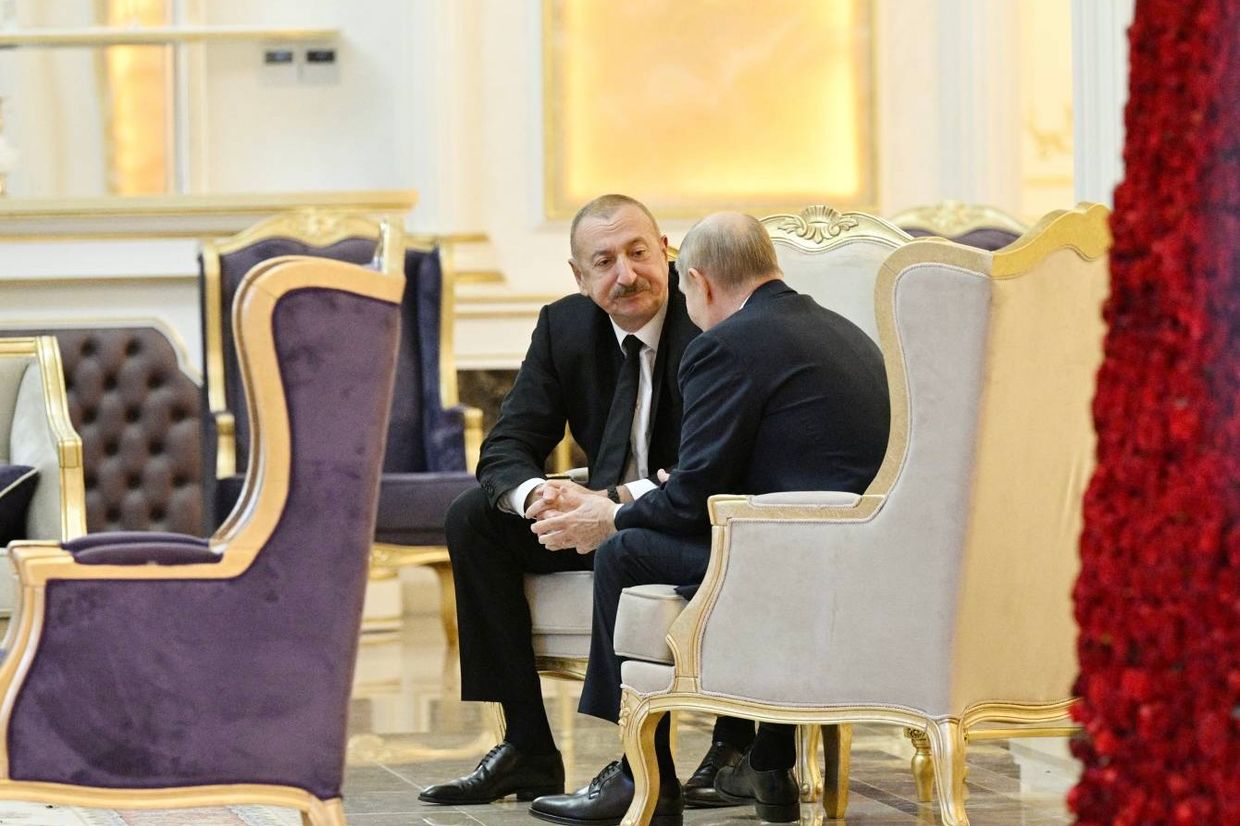
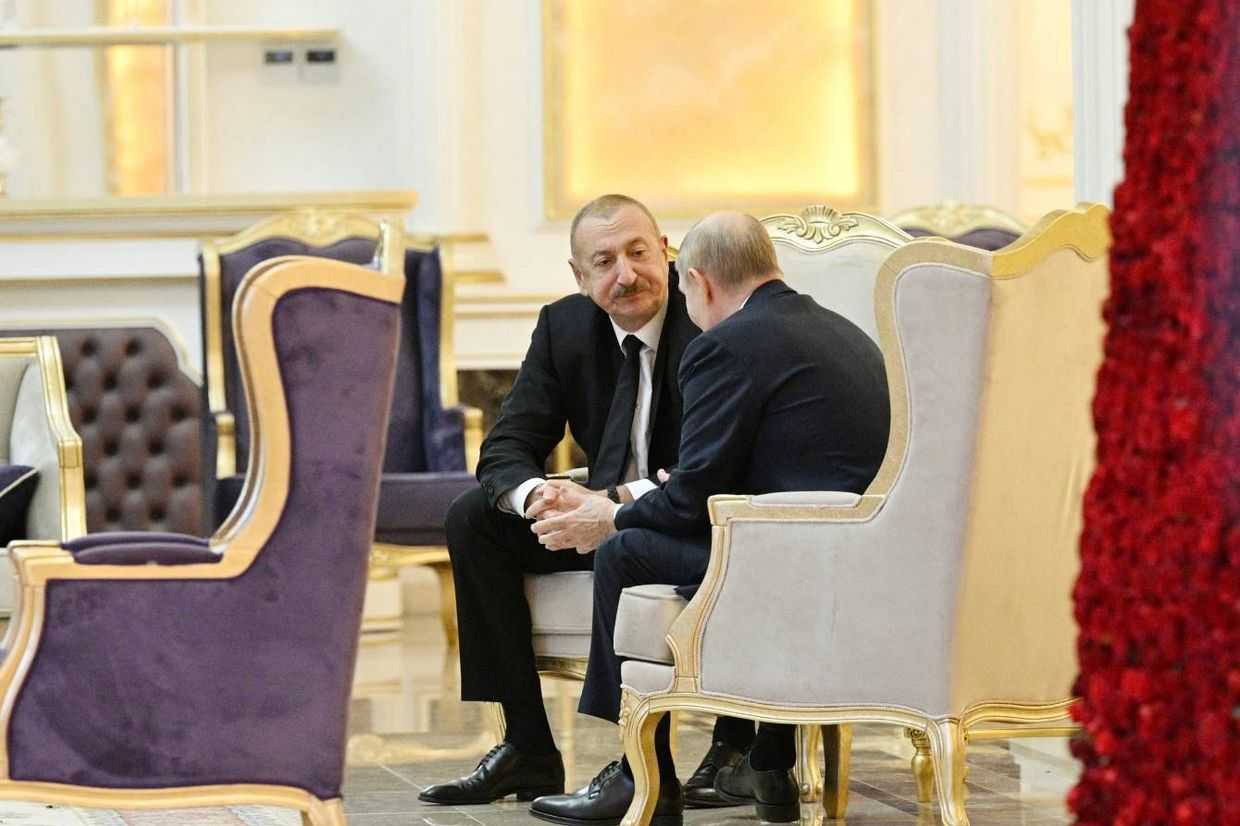
During the face-to-face talks between Aliyev and Putin in Dushanbe in October 2025, Putin stated that those who were personally involved in the crash would be held responsible. Wednesday’s statement did not address this, and it is unclear what steps, if any, have been made to this end.
There are also remaining questions about the exact circumstances of the crash itself, which may be addressed in the yet unfinished investigation.
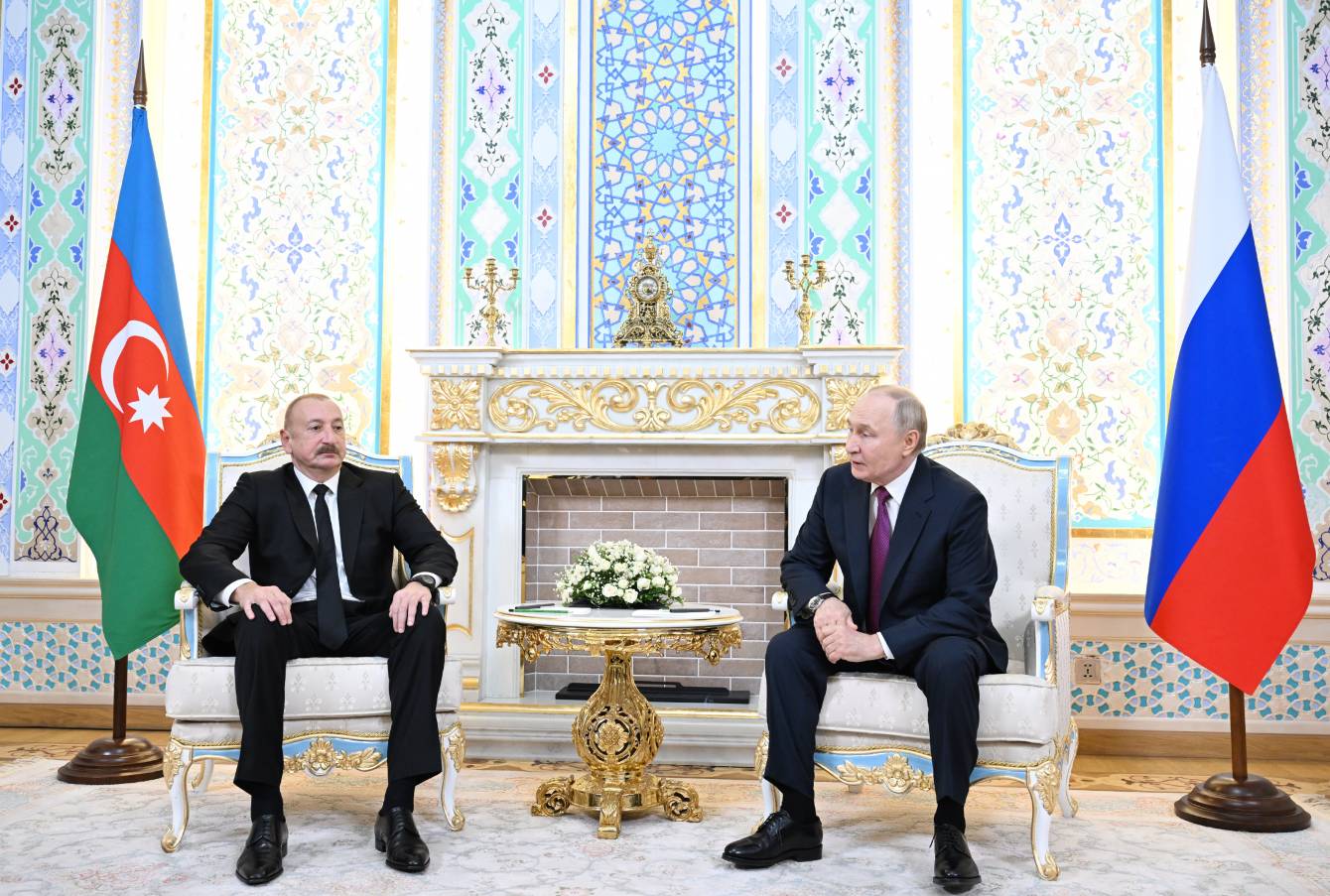
In the Dushanbe meeting, Putin said there were two primary reasons for the crash — the presence of Ukrainian drones in the air over Grozny at the time, and ‘technical malfunctions in Russia’s air defence system itself’. Subsequent coverage of the talks in Russian media emphasised the connection to Ukraine while softening Russia’s own responsibility for the incident.
Wednesday’s statement made no mention of Ukraine, and while it acknowledged the crash had been caused by the ‘unintentional strike by an air defence system’, it did not directly state whose air defence system had launched the missile.
There are also outstanding allegations surrounding the fact that the plane did not land in nearby airports, and instead flew across the Caspian Sea to Kazakhstan, where it ultimately crashed. Russia has claimed authorities suggested the plane try to land in Daghestan, but that pilots opted to fly to Aktau, Kazakhstan. The short statement on Wednesday did not address these questions either.
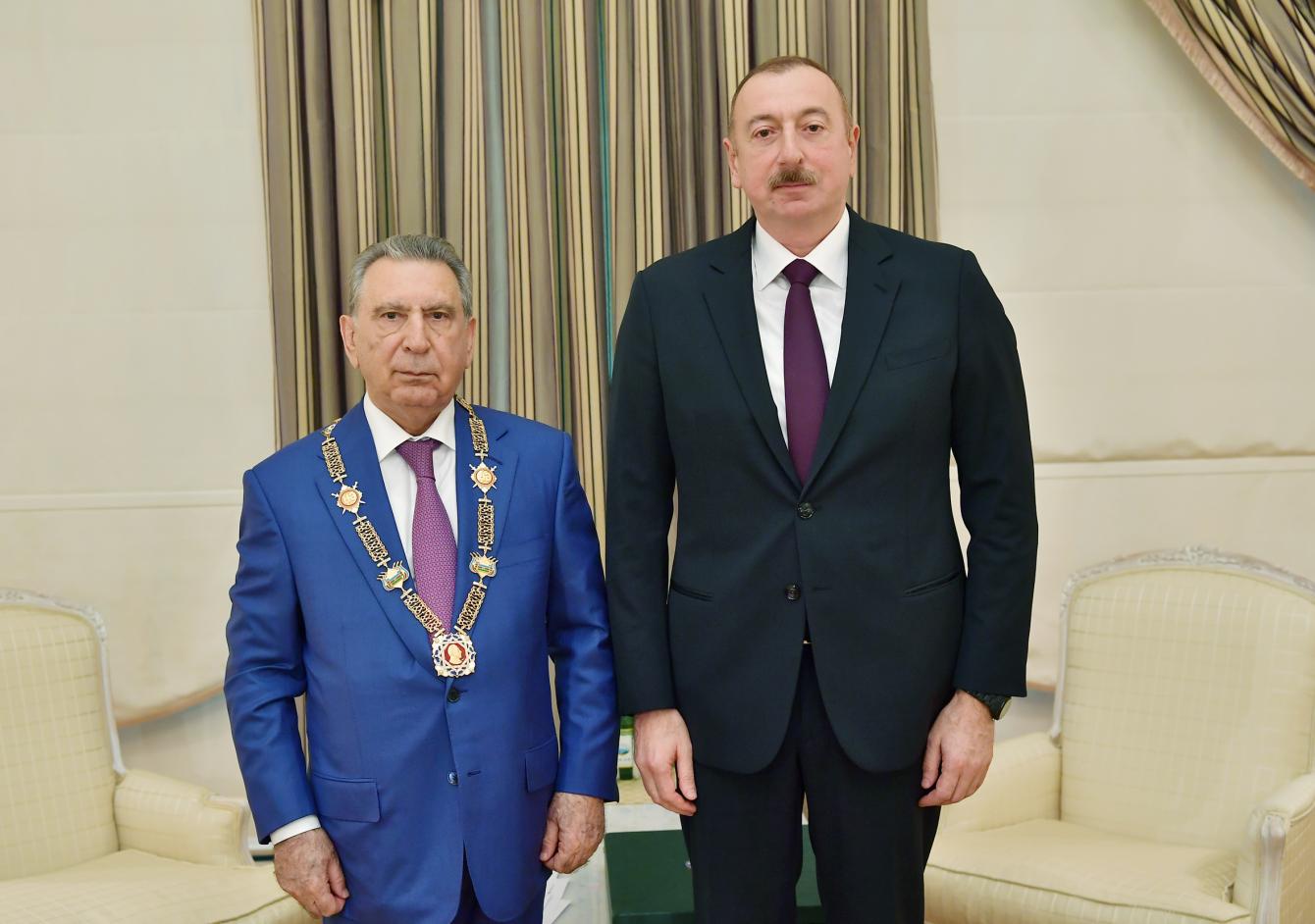
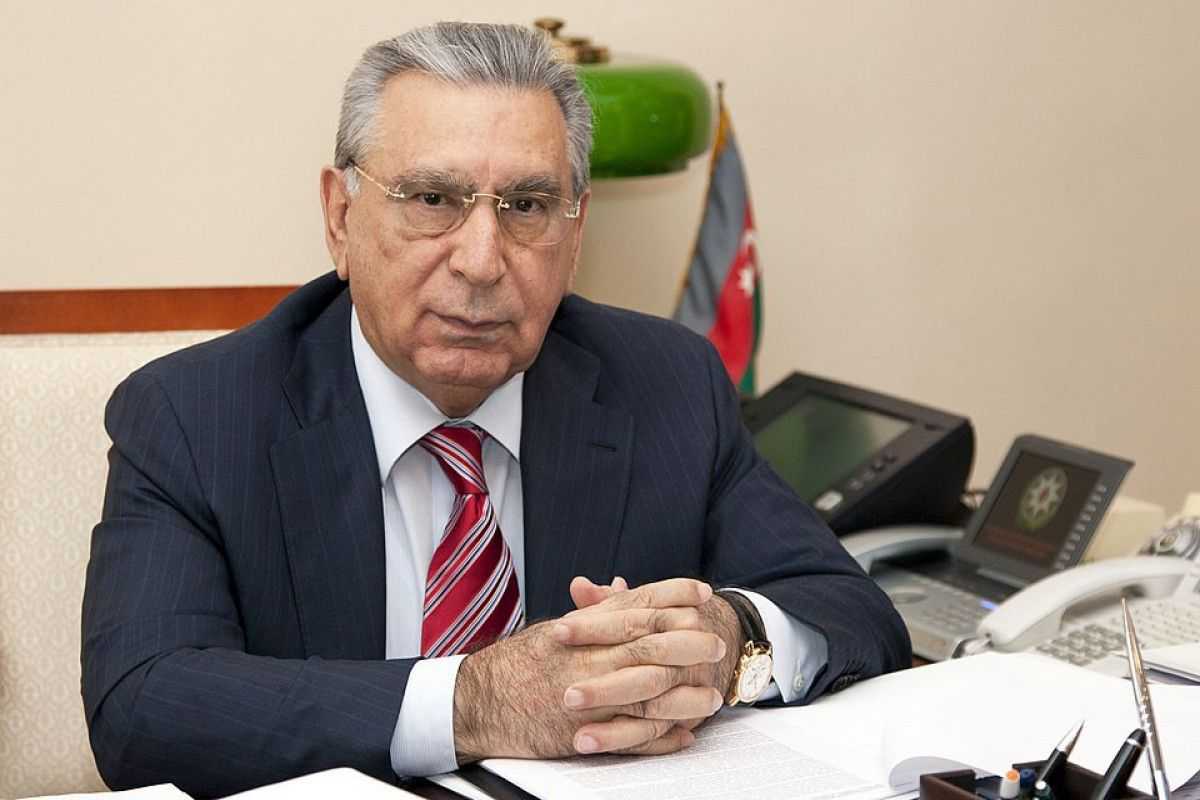
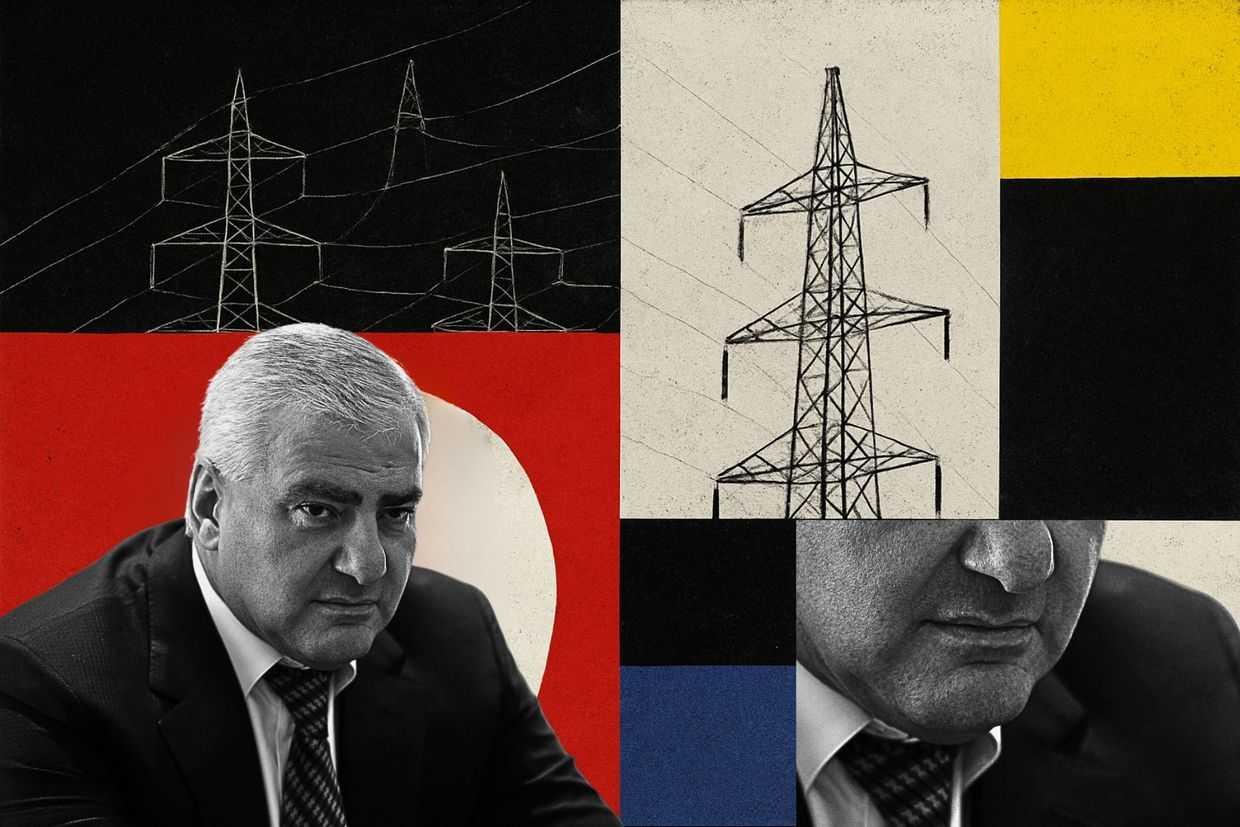
The crash has also become embroiled in a separate political scandal in Azerbaijan connected to an alleged failed coup plot that longtime presidential aide Ramiz Mehdiyev is accused of masterminding.
When the coup story broke in October 2025, shortly after the Putin–Aliyev meeting, some pro-government media outlets in Azerbaijan claimed that Mehdiyev, along with General Najmeddin Sadikov, planned to assassinate Aliyev as he was flying to a meeting in Saint Petersburg, a trip that coincided almost exactly with the doomed AZAL flight. According to the official version of the events, Aliyev learned about the AZAL crash on his way to Russia and abruptly went back to Azerbaijan.
However, an anonymous source cited by Baku Vesti claimed that the coup plotters mistook the AZAL jet for Aliyev’s plane and targeted it with air defence missiles.
While such sensationalist claims have largely remained under the radar since then, the charges against Mehdiyev are unresolved, and may resurface in court — along with the allegations about the AZAL crash.
 Nate Ostiller