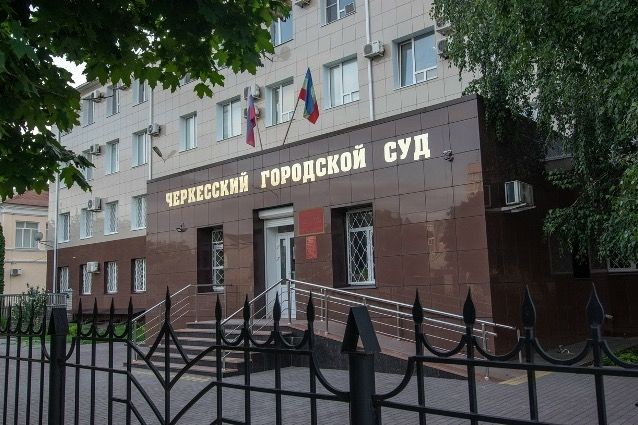
The Cherkessk City Court has handed down guilty verdicts to nine Karachay–Cherkessia residents in a case concerning the organisation of an extremist community and participation in it.
According to the investigation and the court, the defendants acted ‘on the basis of the ideology of an organisation banned in Russia’ and ‘pursued the goal of violently changing the constitutional order’. The name of the organisation was not disclosed in the official FSB statement released on Thursday.
The names of those convicted have also not been published.
According to the report, the nine defendants received sentences ranging from three-year suspended sentences to six years in a general-regime penal colony. The maximum penalty under the charges is up to 12 years in prison.
Based on previously published reports by independent Russian media, as well as the sentences handed down, it seems likely that the convicted individuals may have been members of the Citizens of the USSR organisation.
The Citizens of the USSR movement brings together people who consider the Soviet Union to still be a legally existing state and do not recognise the legitimacy of the modern Russian state. Representatives of such groups often refuse to recognise Russian documents, court decisions, taxes, and state institutions. In recent years, criminal cases on extremism charges have been opened against members of such associations in various regions of Russia.
The organisation was recognised as extremist in 2022. However, there is no single federal organisation in Russia, and groups emerged independently in different regions.
Mass detentions in Karachay–Cherkessia over alleged participation in Citizens of the USSR have been reported repeatedly since 2022. In July 2025, alleged members of the organisation from Karachay–Cherkessia received suspended and custodial sentences ranging from five to eight years under extremism charges.
Russian authorities have continued to expand the list of organisations and movements designated as extremist. Over the years, the list has included religious movements, political organisations, nationalist groups, queer rights organisations, and public associations.
International human rights organisations have repeatedly criticised Russian extremism legislation, arguing that the wording of anti-extremism laws allows for an overly broad interpretation of extremism and enables the use of such charges against religious minorities, civil activists, and political opponents.