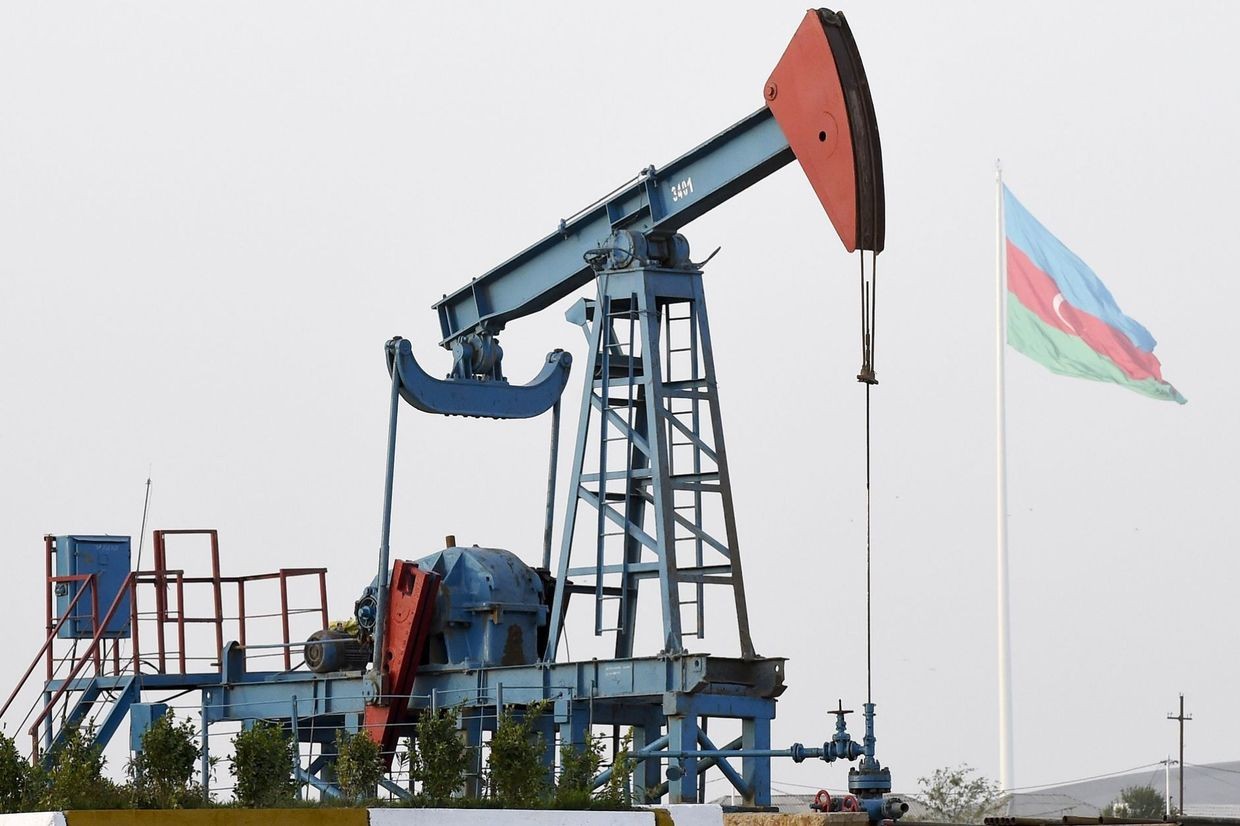
As the Iran conflict disrupts oil and gas supply from major Middle Eastern producers, causing a rise in global energy prices, Azerbaijan’s oil and natural gas dependent economy stands to benefit.
Azerbaijan’s 2026 state budget is based on an assumed oil price of $65 per barrel, and the oil and gas sector is expected to generate about 43% of total budget revenue in 2026. Higher prices could significantly increase that figure if elevated levels persist for weeks or months.
A $10 increase in oil prices could raise Azerbaijan’s state budget revenues by about ₼400 million ($235 million), according to calculations by the country’s Finance Ministry. Analysts say such gains could help partially offset the effects of declining oil production.
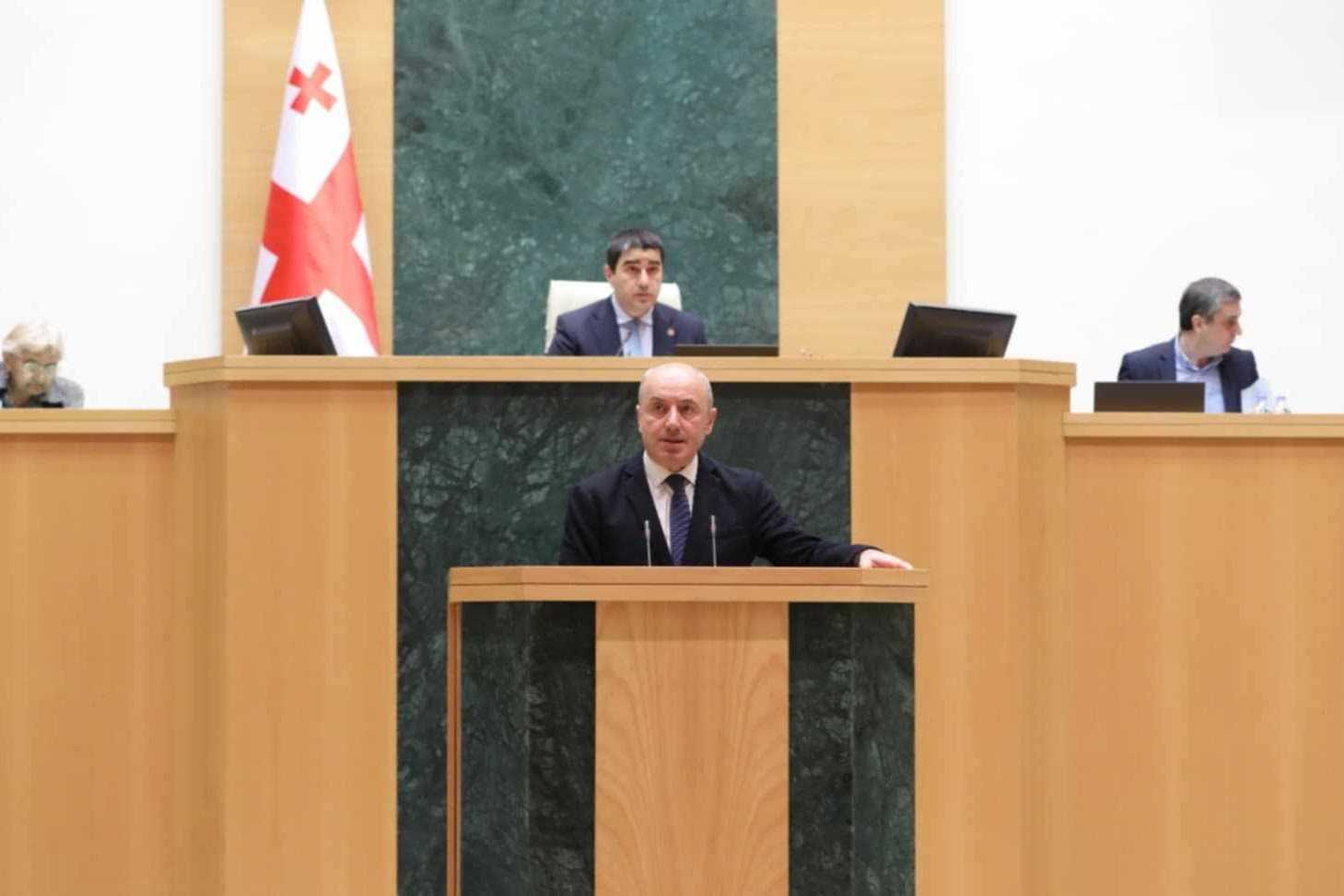
‘The potential revenue boost would allow the government to allocate more funds to priority areas such as national security, reconstruction of liberated territories, and social protection programmes’ MP Vugar Bayramov, a member of Azerbaijan’s economic policy parliamentary committee, told OC Media by phone.
‘Higher revenues would mean greater fiscal spending. This would also strengthen financial support for the development of the non-oil and non-gas sector’, he added.
Crude prices surged in Asian trading on Thursday, with Brent crude climbing 9% to $100 a barrel, while US-traded crude rose 9% to $95.27. The gains came despite announcements by dozens of countries, including the US and the UK, that they would release record volumes from emergency reserves in an effort to calm markets. Prices have remained volatile after briefly surpassing $110 a barrel on Monday, as tensions persisted following Iran’s threats against vessels passing through the Strait of Hormuz, a key route for about a fifth of the world’s oil supply.
 Arshaluys Barseghyan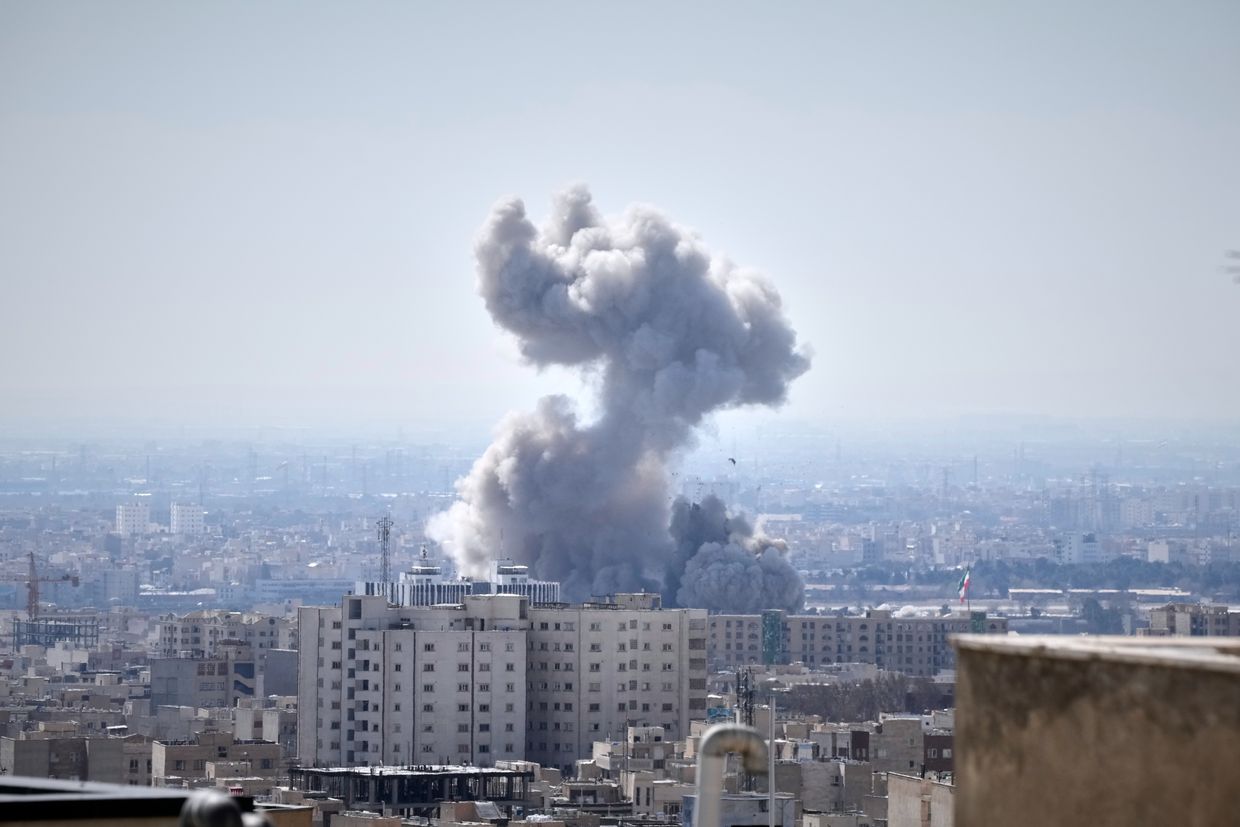
Azerbaijan pumped 27.7 million tonnes of crude and condensate in 2025, down 4.8% from 2024. Output has been in natural decline after peaking at 51 million tonnes in 2011. Crude and condensate exports dropped 5.3% last year to 23.1 million tonnes.
Natural gas exports in 2025 remained unchanged at 25.2 billion cubic metres, according to Energy Ministry data. Europe was the largest buyer of Azerbaijani gas, taking 11.8 billion cubic metres, followed by Turkey, which purchased 9.6 billion cubic metres. Azerbaijan also exported 2.3 billion cubic metres of gas to Georgia and 0.5 billion cubic metres to Syria.
A prolonged period of higher energy prices could deliver an export and fiscal windfall for Azerbaijan and support its credit ratings, according to Fitch, which ranks Azerbaijan's long-term foreign-currency issuer default rating at BBB- with a stable outlook. The lowest investment-grade rating is supported by a ‘very strong external balance sheet, low public debt, and significant sovereign wealth fund assets’, the agency reported.
Azerbaijan exports most of its oil via the Baku-Tbilisi-Ceyhan (BTC) pipeline, which links the BP-led Sangachal terminal south of Baku with Turkey’s Mediterranean port of Ceyhan through Georgia. As Israel purchases Azerbaijani and Kazakh oil shipped through the BTC, analysts say there are concerns that Iran could target the pipeline if the conflict escalates further. Most of the pipeline runs underground, limiting vulnerability to drone or missile attacks, although offshore oil and gas platforms in the Caspian Sea and the Sangachal terminal remain exposed.
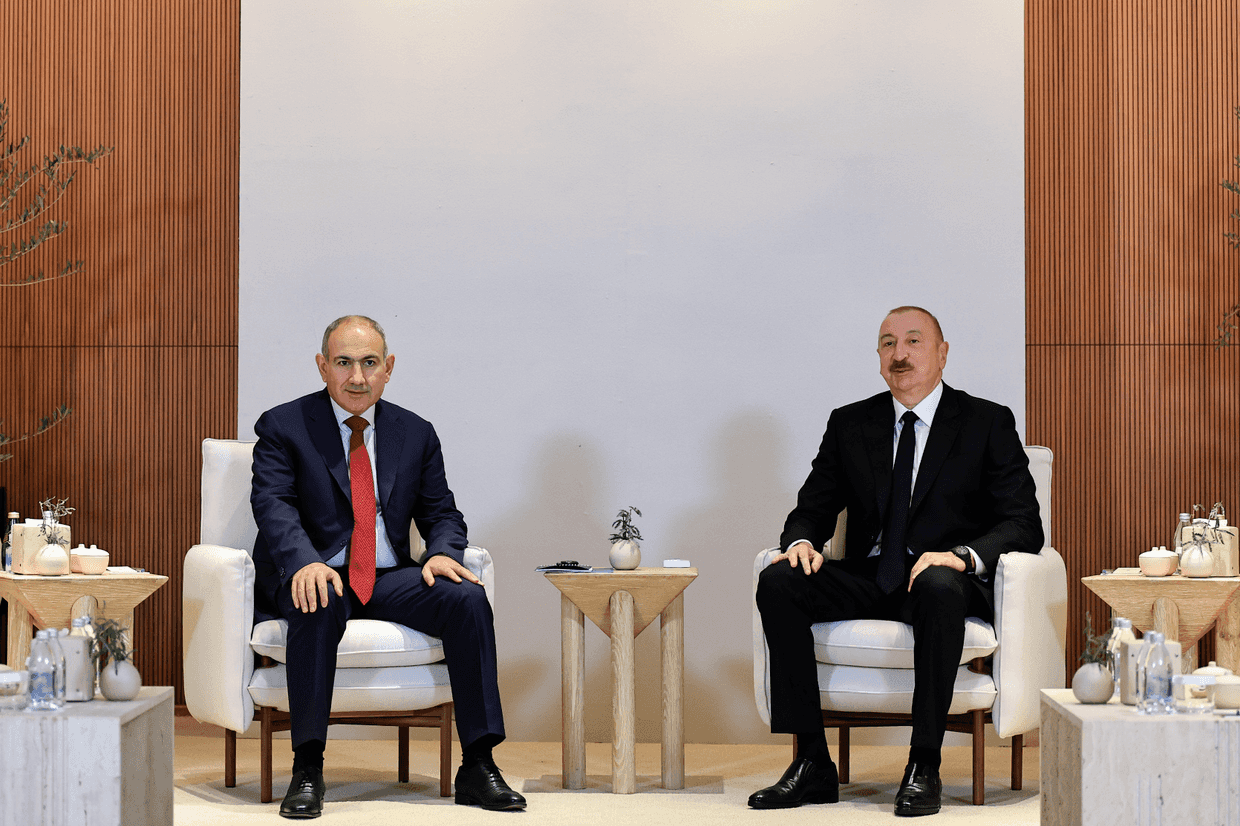
Fears grew further after at least three drones struck Azerbaijan’s western exclave of Nakhchivan on 5 March. President Ilham Aliyev swiftly blamed Iran for the attack in a strongly worded statement the same day. Aliyev completely closed the border with Iran, placed the army on the highest level of combat readiness, and promised retaliation. He also demanded that Iran apologise for the attack and punish those responsible. Azerbaijan closed its embassy in Tehran and consulate in the northwestern city of Tabriz, evacuating the entire staff.
Tensions appeared to ease after Iranian President Masoud Pezeshkian phoned Aliyev two days later, denying responsibility for the attack but promising to investigate it. Azerbaijan reopened the border for goods traffic after the phone call and dispatched humanitarian aid to Iran.
Javid Agha
In a show of support, the commander of the Turkish Land Forces, Army General Metin Tokel, visited Nakhchivan on Wednesday. He said Turkey would continue to stand by Azerbaijan to strengthen regional stability and security in line with the provisions of the Shusha Declaration, a pact on mutual military assistance in case of a foreign attack.
Despite the positive outlook for oil and gas, Azerbaijani consumers of Iran’s cheaper food products are already feeling the pinch. Prices for Iranian products rose significantly after Tehran halted exports as part of wartime restrictions.
Grocers in Baku offering Iranian-made goods say prices rose after supplies from Iran stopped and stockpiles quickly ran out. A kilogramme of Iranian-made butter, for instance, increased from ₼16.50 ($10) to ₼22 ($13), while cheese prices rose from ₼7.50 ($4.50) per kilogramme to ₼10 ($6).
The overall impact is believed to be limited though as Iran isn’t a major trade partner for Azerbaijan. The Islamic republic accounted for just 2.6% of Azerbaijan’s total imports in 2025, selling $624 million worth of goods, mostly agricultural produce, according to official customs data in Baku. Cross-border trade between the two countries had already slowed after Azerbaijan shut all its land borders, including crossings with Iran, for passenger travel during the COVID-19 pandemic six years ago. The borders have yet to reopen.