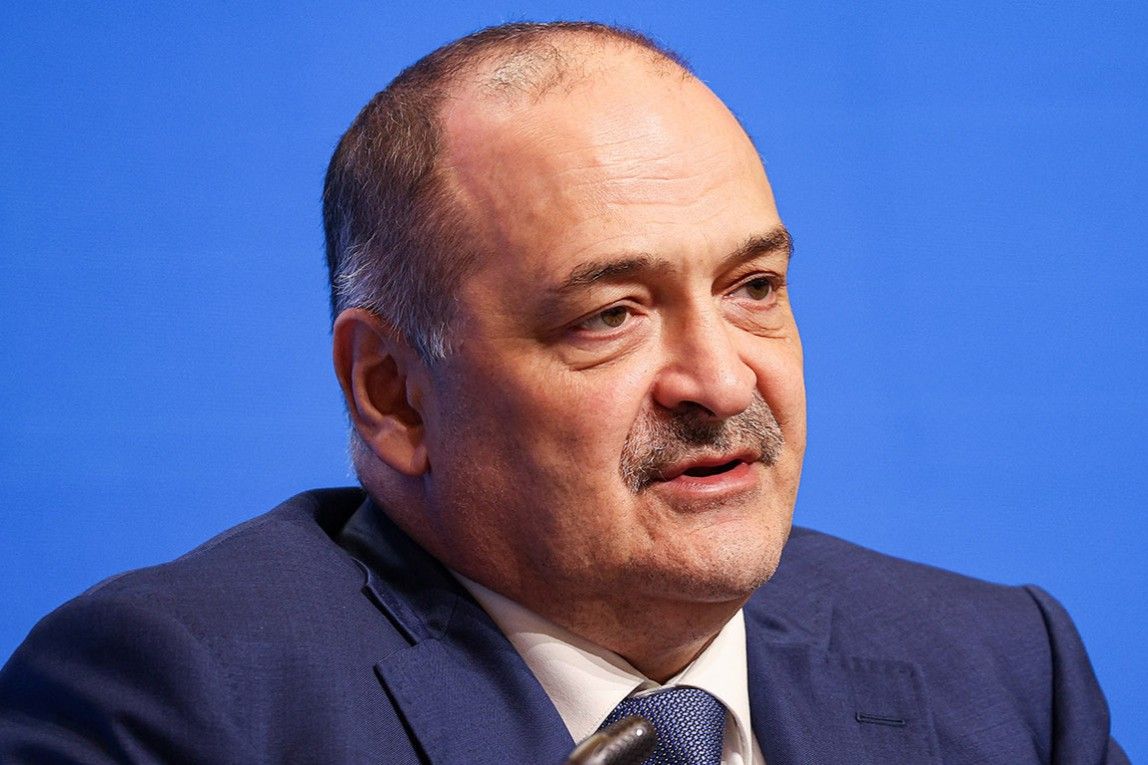
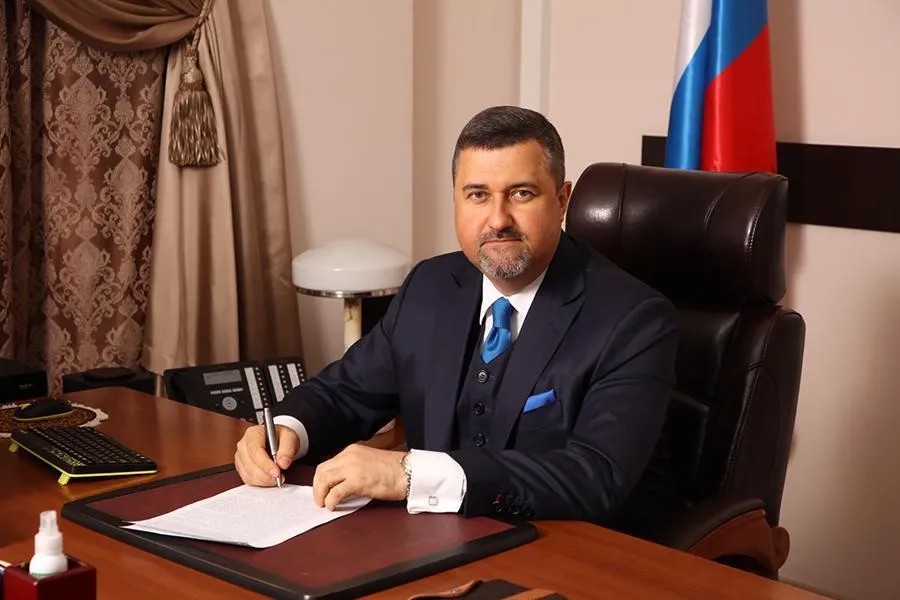
Russian President Vladimir Putin has signed a decree appointing Fyodor Shchukin as acting Head of Daghestan. The document stipulates that he will hold the post until a person elected by the republic’s parliament takes office. The same decree accepted the resignation of the previous head of the region, Sergei Melikov, who the document said stepped down voluntarily.
Shchukin previously served as chair of the Supreme Court of Daghestan. Before that, he worked in the judicial system of the Nizhny Novgorod region, where he held various positions from 2004. In February 2024, he was appointed chairperson of the Supreme Court of the republic, and on 4 May, the day Putin signed the decree appointing him Head of the region, the Higher Qualification Collegium of Judges terminated his powers in connection with his honorary retirement.
Putin announced the upcoming change in Daghestan’s leadership on 30 April at a meeting with a group of Daghestani politicians in the Kremlin. During the meeting, the president said that Melikov’s term would expire in September and stated that he would move to another position. The specific post was not disclosed.
At the same meeting, the Speaker of the People’s Assembly of Daghestan, Zaur Askenderov, proposed considering Shchukin’s candidacy for the post of Daghestani Head. As a candidate for the position of prime minister, he named Magomed Ramazanov, who had served as deputy presidential envoy to the Far Eastern Federal District. Putin supported both candidates.
The meeting in the Kremlin was attended by Askenderov, members of the regional parliament leadership, and other representatives of the republic. Melikov, Shchukin and Ramazanov were not present. Discussion of future leadership candidates in this format had not taken place before: as a rule, acting regional heads are appointed after a personal meeting with the president.
Melikov had led Daghestan since 2020. In a statement published on his Telegram channel, he said he was concluding his work as Head of the republic and noted that during his tenure infrastructure and social projects had been implemented, including the construction of schools, kindergartens and utility facilities, while acknowledging that there had also been mistakes in his work.
‘All these years I worked with one goal — to make life in the republic better. As is known, only those who do nothing make no mistakes. But my intentions are known to the Almighty, and they have always been pure’, Melikov wrote.
He also stated that he intends to support the new Head.
‘From my experience I know that he will need time to get to grips with the work, so I have asked not to assign me to a new post for now. To the best of my ability, I will help and advise as much as needed, because I bear responsibility for all the projects we have started, which, when implemented, I am sure will change the life of the republic I love’, he added.
Daghestan is characterised by ethnic diversity, and in the post-Soviet period there has been a practice of distributing key positions among representatives of different peoples. Most often, the position of Head of the region alternated between representatives of the two main ethnic groups — Avars and Dargins.
For the first time, the Head of the republic is an ethnic Russian. Previous heads — Melikov and Vasilyev — had Lezgin and Kazakh roots. Both Melikov and Vasilyev came from the security services: the Internal Troops of the Interior Ministry and the Interior Ministry, respectively.
Daghestan is among the regions with the most frequent changes in leadership — since 1994, it has been headed by six people.
Elections in Daghestan are scheduled for September.
 Yousef Bardouka