Russia blocks the second batch of Armenian Jermuk water, affecting 1.1 million bottles

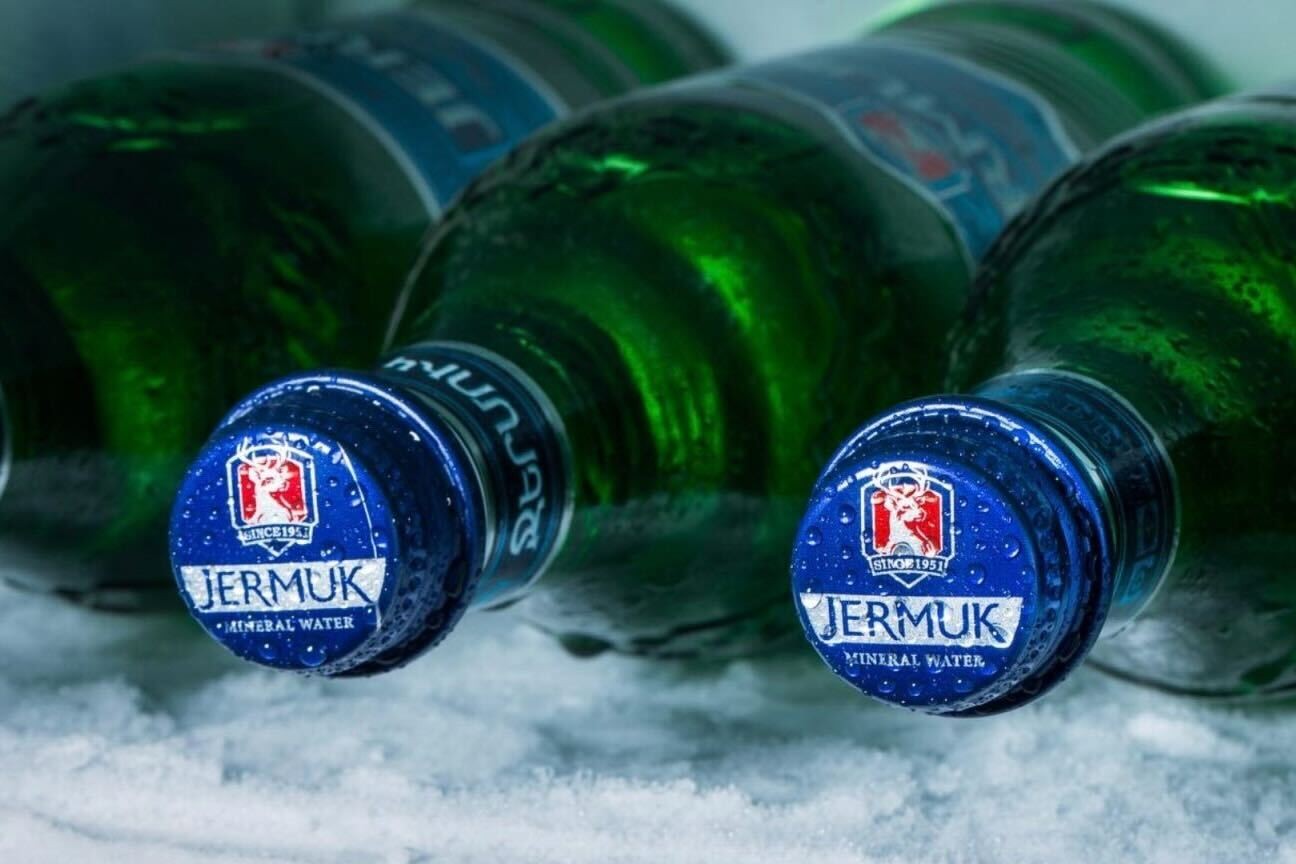
Russia has suspended the sale of a second batch of Armenian Jermuk mineral water, this time affecting nearly 1.1 million bottles over alleged regulatory violations. Earlier this week, another smaller batch was blocked, bringing the total number of bottles under restrictions to around 1.4 million.
Citing Russian authorities, RBK reported that the restrictions followed inspections of batches produced between 23 October 2025 and 27 March, during which violations of mandatory requirements were reportedly found.
After this, measures were introduced ‘to prevent possible harm to the life and health of citizens’.
A previous similar case was announced on Tuesday, when Russian authorities suspended sales of Jermuk, totalling 338,000 bottles produced between 17 February and 5 March, citing ‘violations of mandatory requirements’.
Following the first report, Armenia’s Food Safety Inspection Agency swiftly responded to the statement, saying that it ‘has not yet received any official information’ from the relevant Russian authorities.
 Arshaluys Barseghyan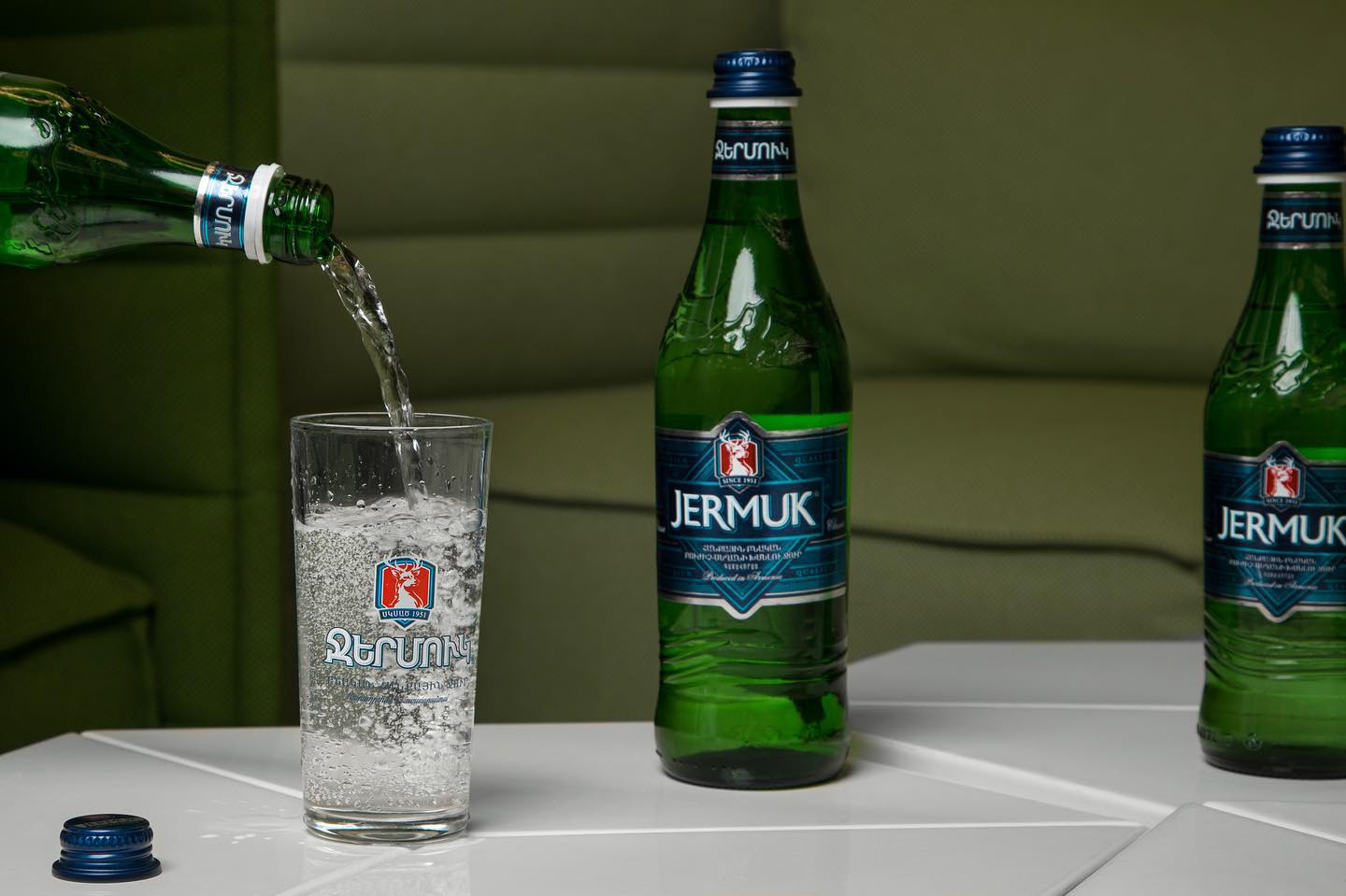
The Jermuk Group has yet to respond as of publication.
In its report, RBK cited information from Russian authorities providing further details on the first batch, stating that samples contained ‘elevated levels of bicarbonate ions, chlorides, and sulfates, which do not comply with labelling and the requirements of the Eurasian Economic Union (EAEU) technical regulations’.
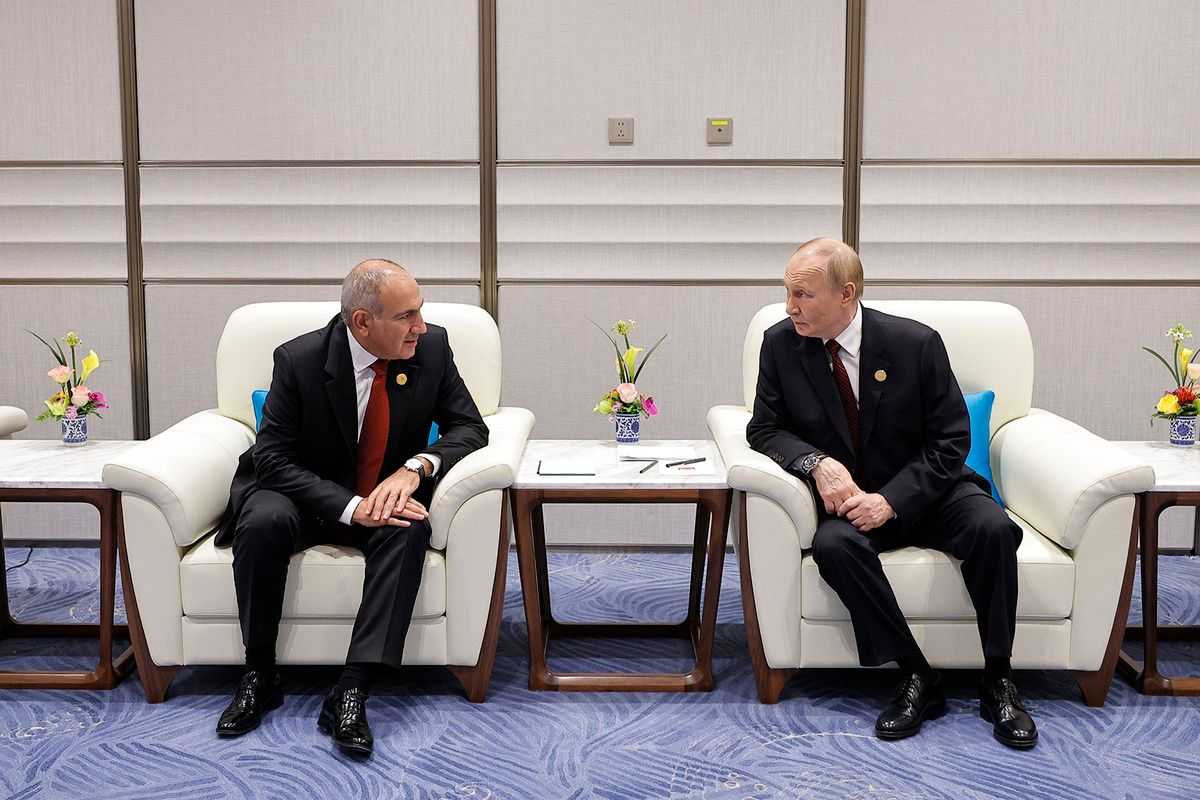
The two rounds of ban affecting Jermuk followed the recent reopening of an investigation against the company after tense talks between Prime Minister Nikol Pashinyan and Russian President Vladimir Putin in Moscow on 1 April.
The case against Jermuk dates back to 2024 and is connected to the death of North Ossetian businessperson Oleg Gusov, which reportedly took place after drinking allegedly contaminated Jermuk water. At the time, Russian regulators had suspended the sale of 2.5 million Jermuk bottles, but the blockage was later lifted after inspection.
Aside from the Jermuk case, immediately after the Pashinyan–Putin talks, Russia announced ‘stricter requirements’ on the import of Armenian products and accused Armenia of coming ‘very close to the point where we will have to restructure our economic relations with this country’.
Russia has previously been accused of using food health standards as a way to exert economic pressure on countries — including Armenia.