Georgia’s Foreign Minister Maka Botchorishvili commented on the latest South Ossetia–Russia agreement on ‘deepening alliance and cooperation’, describing it as an example of Russia’s attempt to annex Georgia’s regions.
Botchorishvili addressed the issue in Chișinău, Moldova, during the 135th session of the Council of Europe’s Committee of Ministers.
‘The occupation, effective control, and Russia’s responsibility for grave human rights violations have been confirmed by international courts, including judgments of the European Court of Human Rights’, she said.
Botchorishvili further noted that, ‘nevertheless, Russia continues to disregard its international obligations and is taking further steps toward the annexation of Georgia’s regions’.
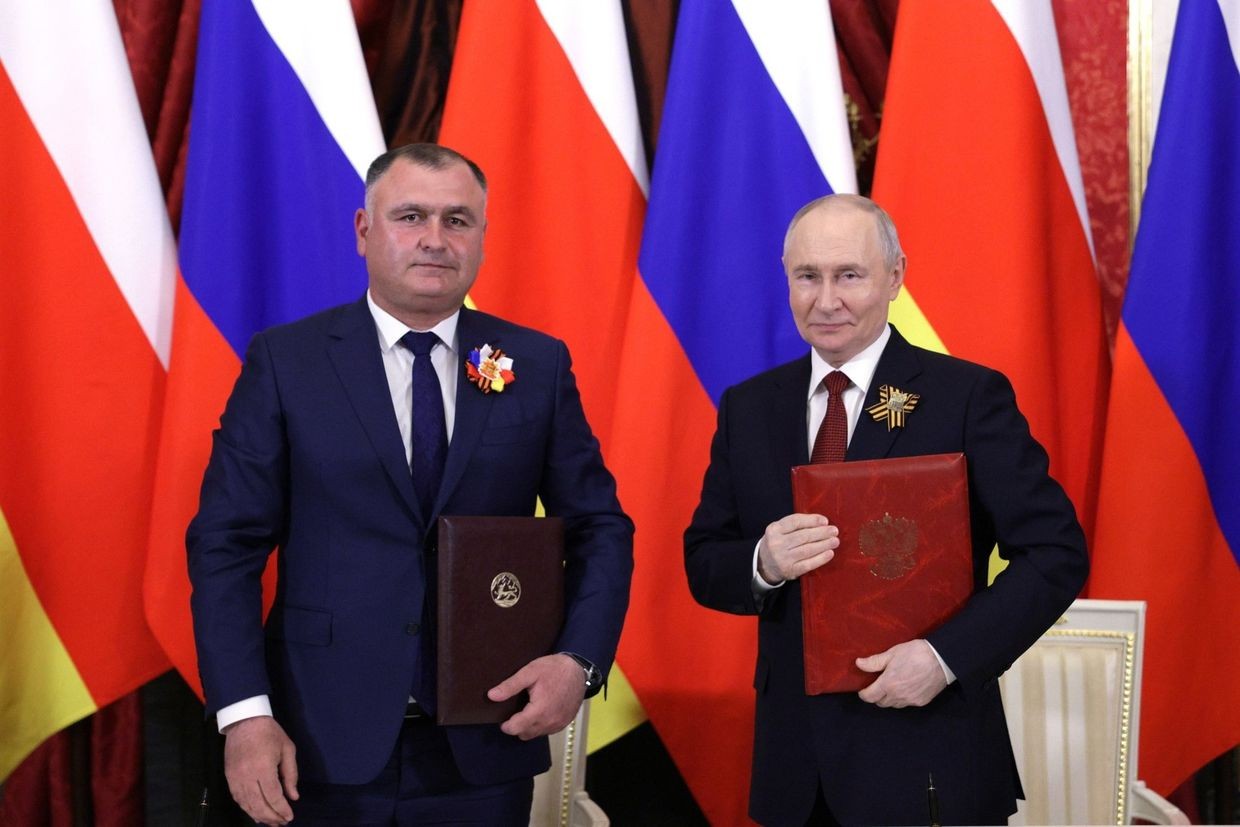
‘Evidence of this is the so-called “Agreement on Deepening Alliance and Cooperation” signed on 9 May 2026 between Moscow and the Russian occupation regime in Tskhinvali [(Tskhinval)]’, she said.

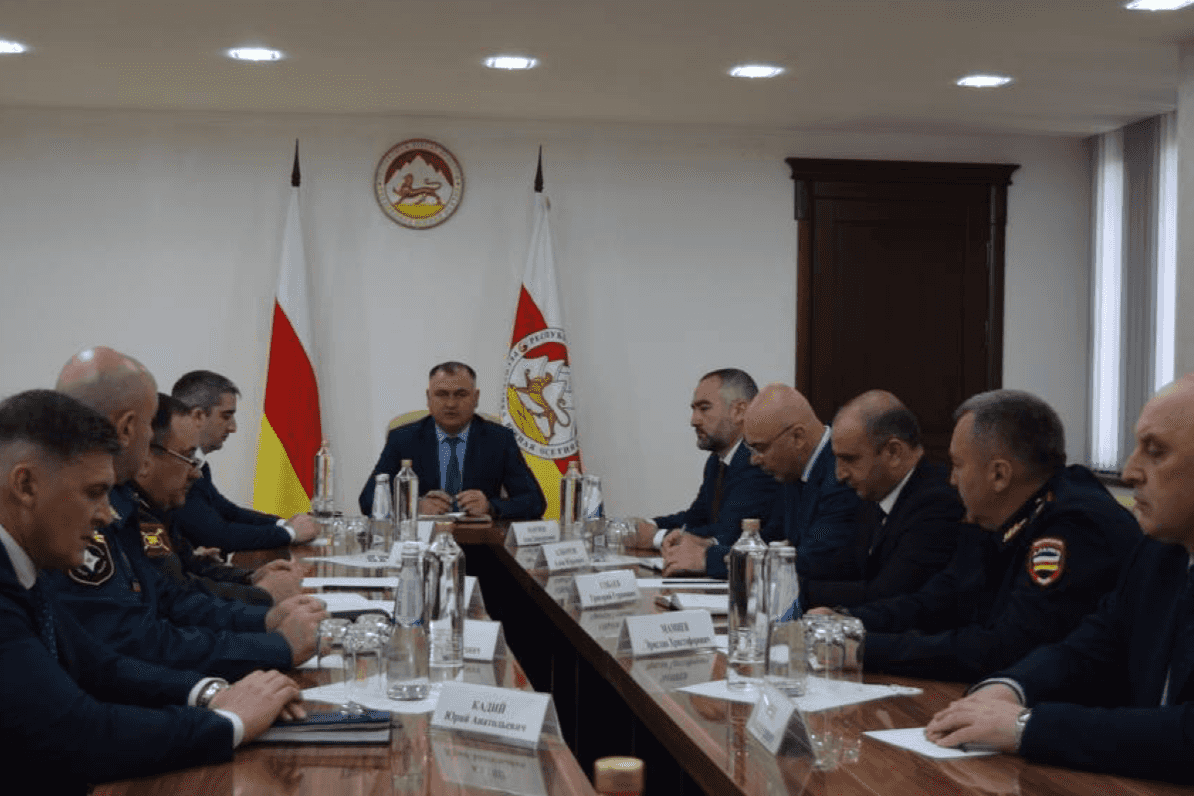
The document in question was signed in Moscow, at the Kremlin, between Russian President Vladimir Putin and South Ossetian President Alan Gagloev.
‘The Contracting Parties are expanding cooperation with the aim of ensuring regional peace and stability, pursuing coordinated foreign and security and defence policies, and border policy (including issues of improving border control on the Russian–South Ossetian state border)’, the agreement read.
It further named among the purposes of the document as ‘improving socio-economic conditions, developing infrastructure and human potential, harmonising legal norms, and creating a favourable environment for the free movement of capital, goods, services, and labour between the Contracting Parties’.
The Russian Parliament ratified the document on Wednesday. In turn, Gagloev has sent a bill to the South Ossetian Parliament on Thursday for a similar ratification process.
Russia recognised South Ossetia as an independent state shortly after the August 2008 War. South Ossetia has since also been recognised by Venezuela, Nicaragua, Syria, and Nauru.
 Mikheil Gvadzabia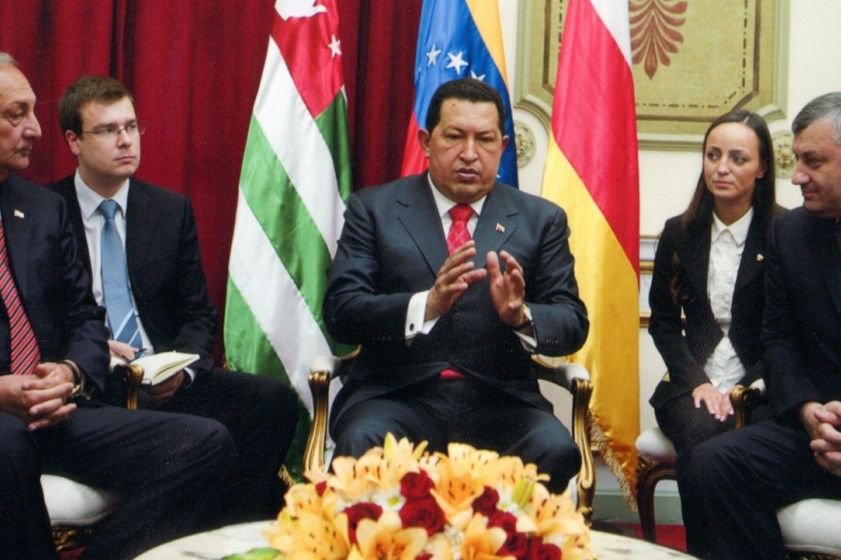
On Thursday, the Georgian opposition Lelo party commented on the ratification of the 9 May agreement, stressing that as of that day, the Georgian government had made no public response to the document.
‘The government that is cracking down on its own people for choosing Georgia’s European future is silent while an open annexation process of our country’s territories is underway’, party member Salome Samadashvili said.
She also stated it was ‘no less alarming’ that there had been no response to the document from countries that have ‘traditionally been our partners in terms of defending Georgia’s sovereignty and territorial integrity’.
‘This is the logical result of the policy pursued by the [ruling Georgian Dream party founder Bidzina] Ivanishvili regime, which has left our country in international isolation’, she said, echoing broader criticism from opponents of the ruling party that the government is distancing Georgia from its traditional Western partners.
For ease of reading, we choose not to use qualifiers such as ‘de facto’, ‘unrecognised’, or ‘partially recognised’ when discussing institutions or political positions within Abkhazia, Nagorno-Karabakh, and South Ossetia. This does not imply a position on their status.