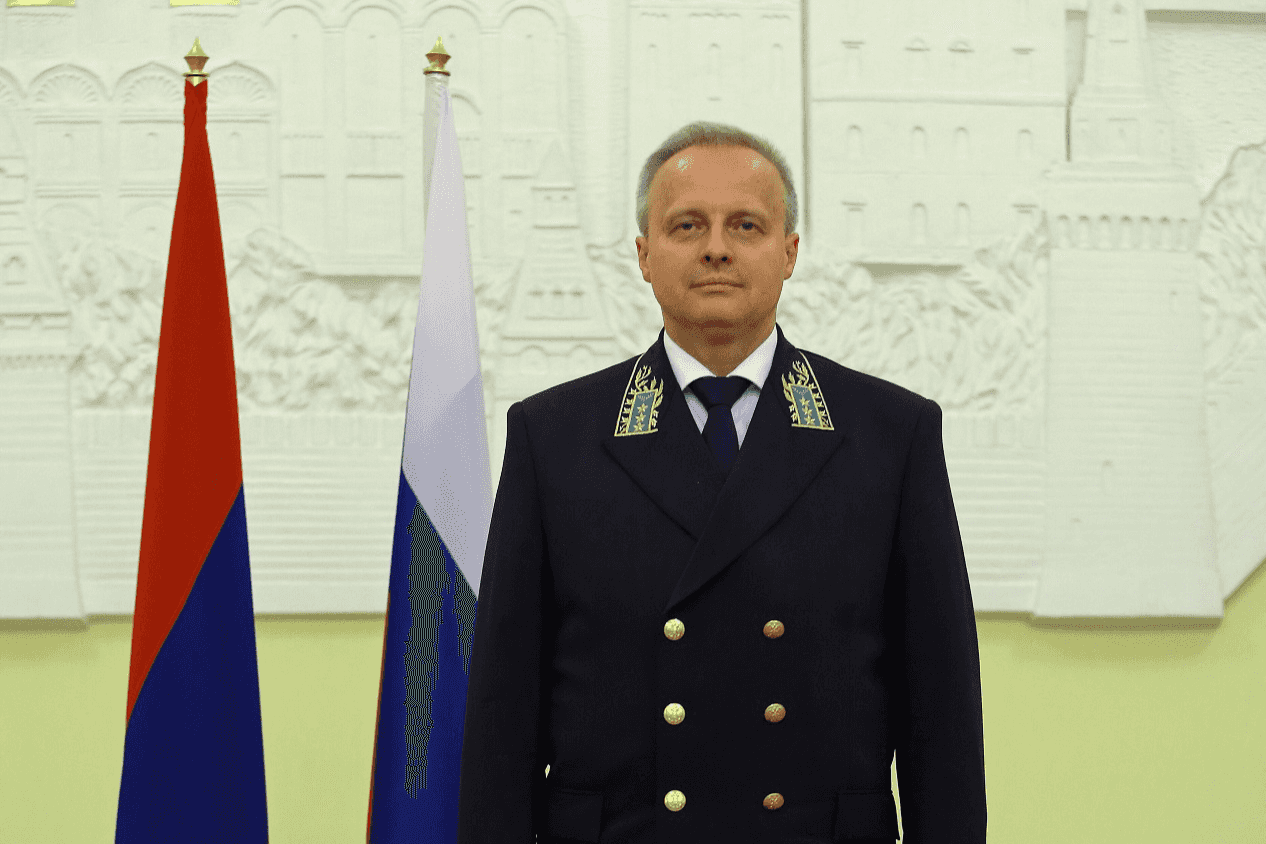
The Deputy Secretary of Russia’s Security Council, Aleksei Shevtsov, has warned that Armenia’s potential accession to the EU could come at a steep economic cost of ‘approximately 23% of its GDP’. This appears to be the latest warning in a series of similar messages from Moscow to Yerevan against its EU bid.
Shevtsov elaborated that the figure was based on the ‘most conservative estimates’. He continued by outlining a bleak economic outlook, predicting a 22.6-percentage-point rise in inflation alongside a ‘significant decline in living standards’.
‘Further increases in energy prices, including natural gas, are expected’, Shevtsov said, according to TASS.
His remarks echo recent discussions about a possible rise in Russian gas prices for Armenia following talks between Armenian Prime Minister Nikol Pashinyan and Russian President Vladimir Putin in early April.
During the talks, Putin underscored the impossibility of being in a customs union with both the EU and the Eurasian Economic Union (EAEU), while also highlighting Armenia’s significant discount on Russian energy purchases.
‘The price of gas in Europe exceeds $600 per 1000 cubic metres, and Russia sells gas to Armenia for $177.5 per 1000 cubic metres’, Putin said.
Despite Moscow’s warnings, Yerevan has signalled it may leave Russian-led economic and security blocs in the event of a gas price increase, though officials have stated that such a scenario would be unlikely.
 Arshaluys Barseghyan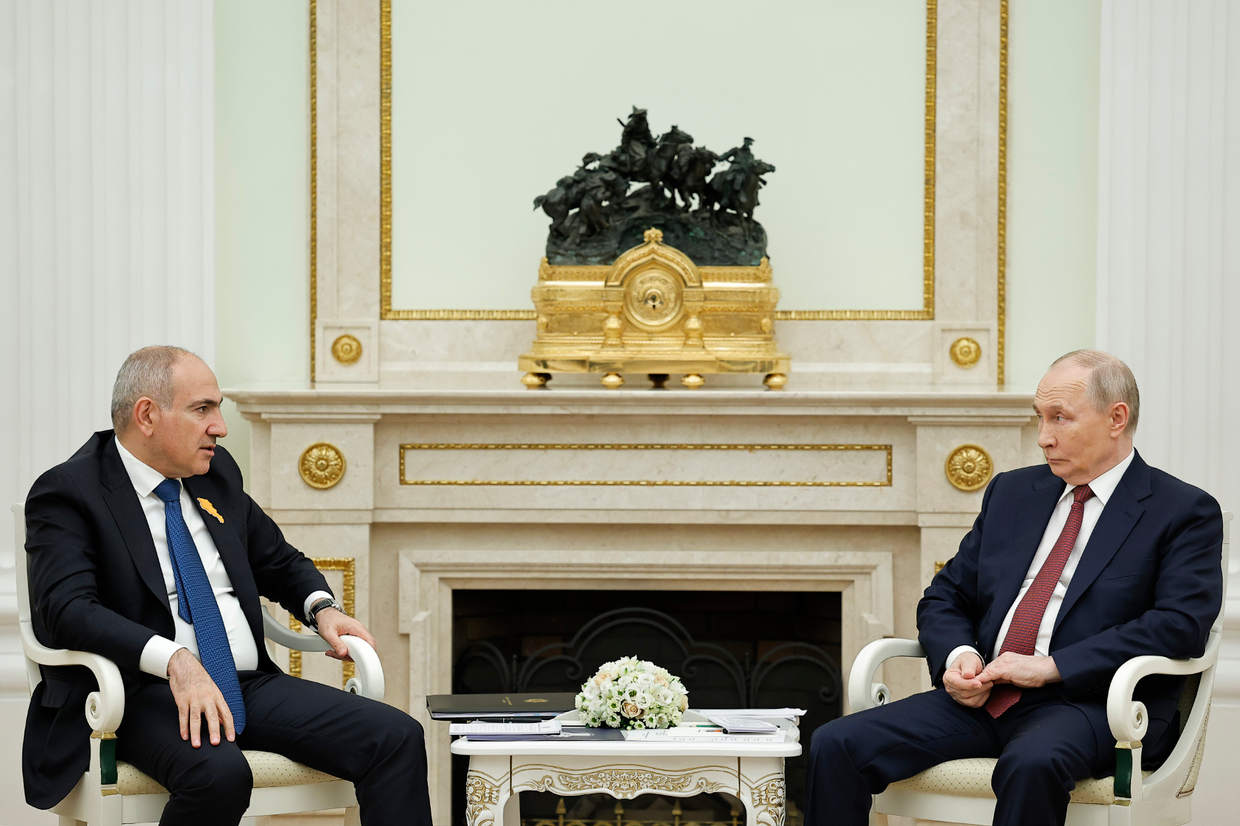
Armenia adopted a law in March 2025 calling on the government to seek EU integration. No accession bid has been submitted, however Armenia has, at the highest level, announced its readiness to be closer to the EU ‘as much as the EU considers it possible’.
During his April meeting with Putin, Pashinyan acknowledged the constraints that membership in two opposing economic blocs would bring, saying: ‘What we are doing and the agenda that we have are, at least for the moment, compatible’.
‘When the processes reach the point where it will be necessary to make a decision, I am sure that we, I mean the citizens of Armenia, will make that decision’, Pashinyan said at the time.
Arshaluys BarseghyanIn his recent comments, Shevtsov also warned that EU accession could lead to the introduction of visa regimes with Russia and Iran, from where Armenia gets most of its tourist flows, potentially impacting tourism in the country, which he noted ‘accounts for approximately 13.5% of Armenia's GDP’.
These statements come as Armenia gears up for parliamentary elections in June and as Russia appears to be exerting economic pressure on Armenia following the tense meeting between Pashinyan and Putin in Moscow.
Russia has already announced ‘stricter requirements’ on the import of Armenian products and reopened a criminal case regarding the Armenian major mineral water producer Jermuk.
In turn, Russian–Armenian tycoon Samvel Karapetyan, whose Strong Armenia Alliance of Parties is expected, according to public polls, to be the main challenger to Pashinyan’s Civil Contract party in the upcoming elections and is widely viewed as a pro-Russian force, warned of an ‘economic war’ with Russia if the current government remains in power.
Arshaluys Barseghyan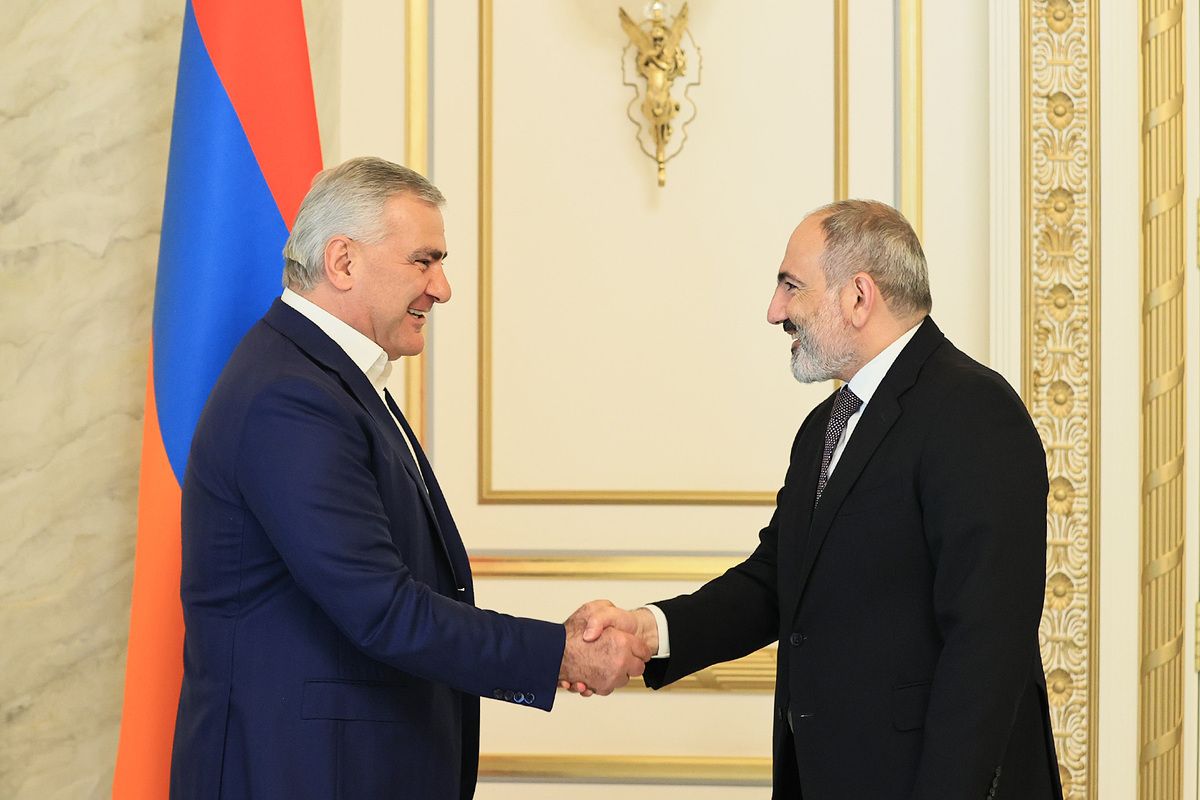
During their latest meeting, Pashinyan and Putin failed to reach an agreement on the future of Armenia’s railway system, which has been under Russian management since a 30-year concession deal signed in 2008.
Armenia has argued that the current arrangement undermines its ‘competitive advantage’ as a regional transit route and has proposed transferring the concession to a third party. Shevtsov, on Wednesday, called Armenia's proposal as ‘strange, to say the least’.