When NATO paused its bombs for Kosovo’s Circassians to return home
For Kosovo Circassians, returning to Adygea was meant to be a homecoming — yet for many, coming back after 150 years brought new challenges.

On 1 August 1998, a plane carrying Circassians from Kosovo landed in the North Caucasus, marking the first organised return of Circassians to their ancestral homeland since being forced to leave more than a century earlier. For many, it felt like a long-desired dream — the descendants of those expelled during the Russian Empire’s conquest of the Caucasus were finally home.
The Russo-Circassian War, which started in 1763 and ended 101 years later in 1864, came with an enormous cost. Estimates of those killed in the ensuing genocide range from several hundred thousand to over a million, while the majority of the survivors were driven into the Ottoman Empire in one of the largest forced displacements in the 19th century. They were later resettled across the empire’s territories, including the Balkans. Today, Circassians worldwide annually commemorate 21 May, the date the last battle occurred, as a day of mourning.
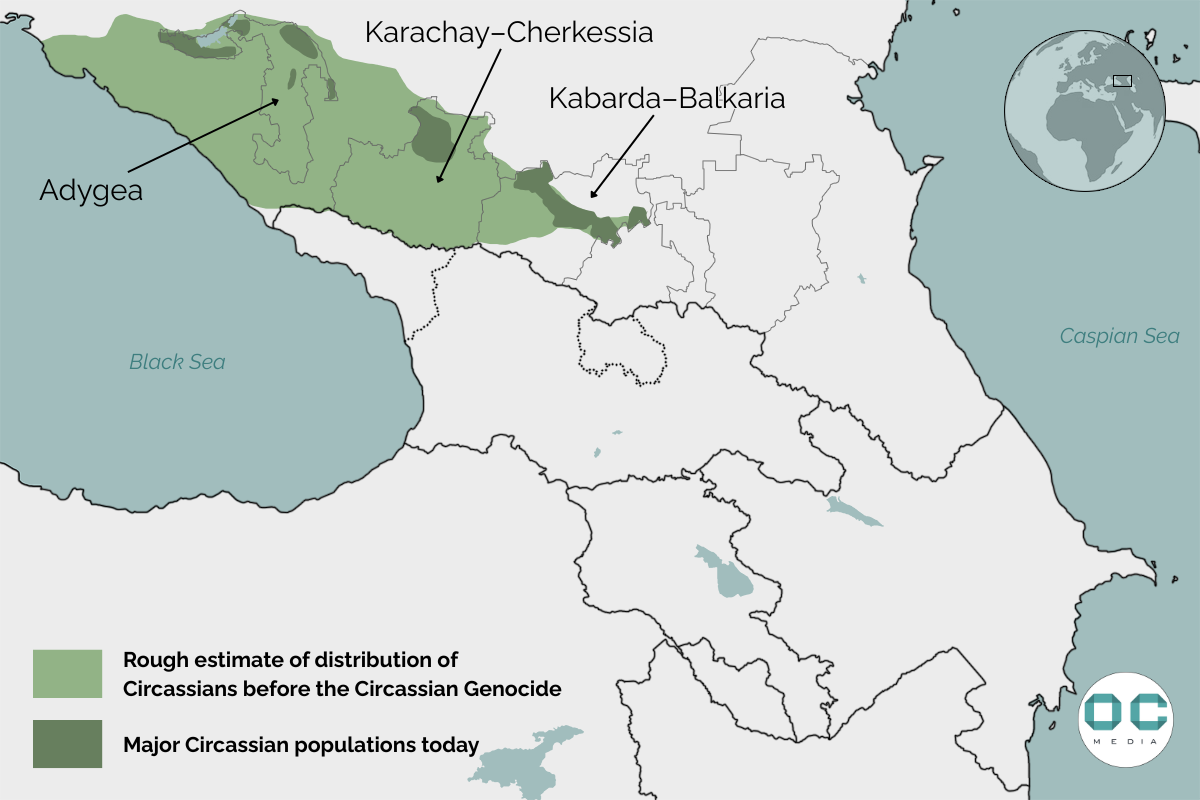
For almost 150 years, the Kosovo Circassians built their lives in the Balkans, preserving their language and strong identity bonds. By the 1930s, the Circassian community in Kosovo numbered roughly 400 to 500 people. They lived mostly in the city of Gjilan and a handful of villages north of Prishtina. Over time, they became a hidden minority, never drawing much attention to themselves.
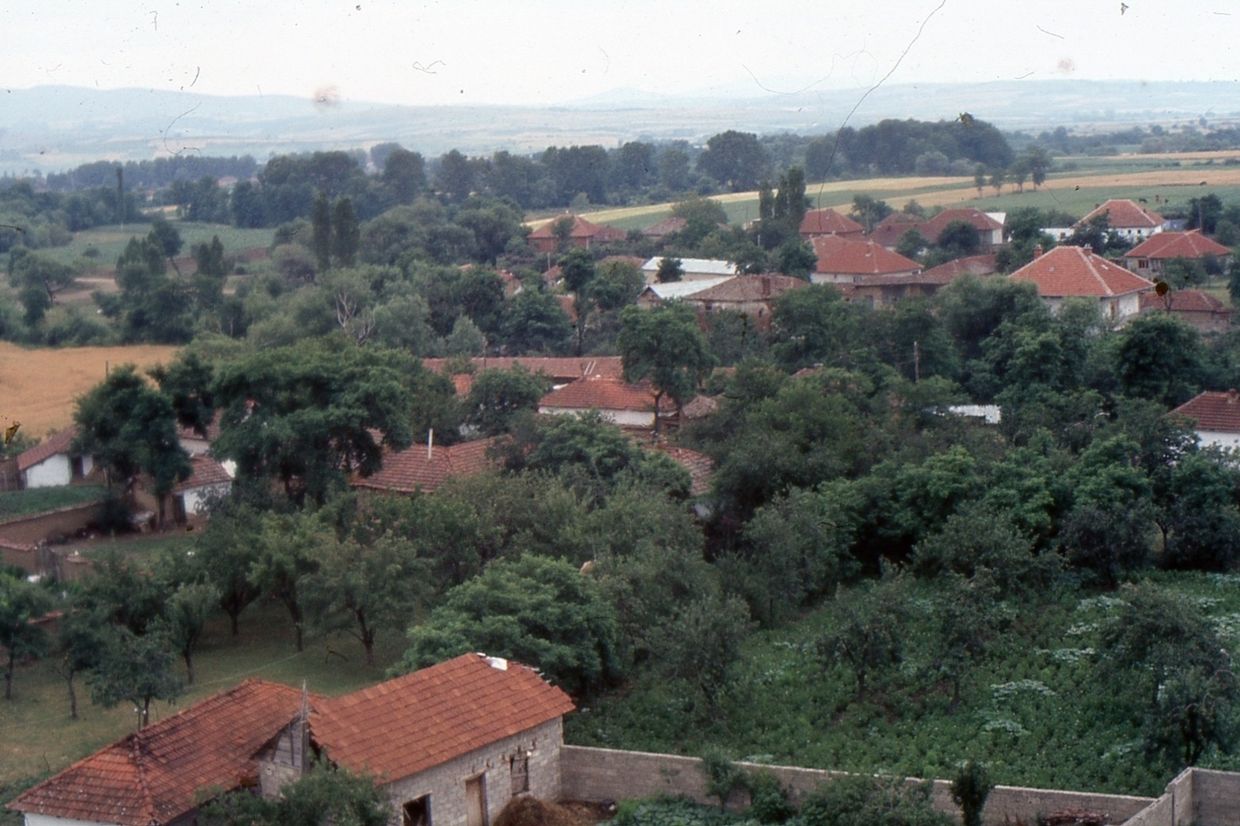
As a small community in Kosovo, they tried to maintain good relations with both Serbs and Albanians, and for many families, there was initially no clear reason to leave at all. Return to the Caucasus became thinkable only under the pressure of war.
‘We were not meant to live there forever’
The idea to repatriate was first officially raised in 1991 at the first Congress of the International Circassian Association in Nalchik, Kabarda–Balkaria. But the proposal remained more a political possibility than an immediate project.
It wasn’t until 1998, as the situation in Kosovo worsened, negotiations between Adygea’s authorities and the Serbian government intensified, drawing support from Moscow.
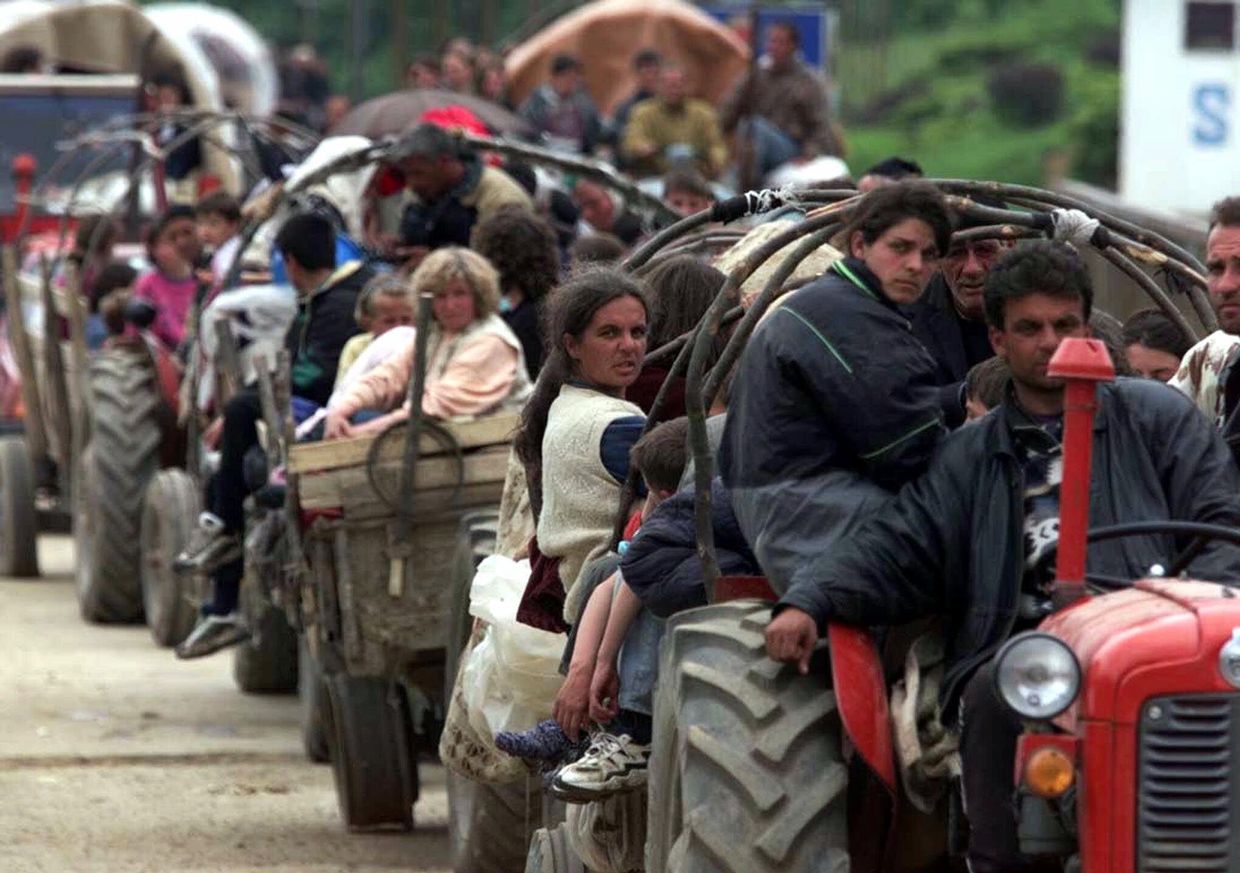
The Kosovo War emerged as part of the broader collapse of Yugoslavia that began in the early 1990s. Fighting between Serbian security forces and the Kosovo Liberation Army escalated sharply in 1998, displacing hundreds of thousands of civilians, before NATO launched an air campaign against Serbian authorities in March 1999.
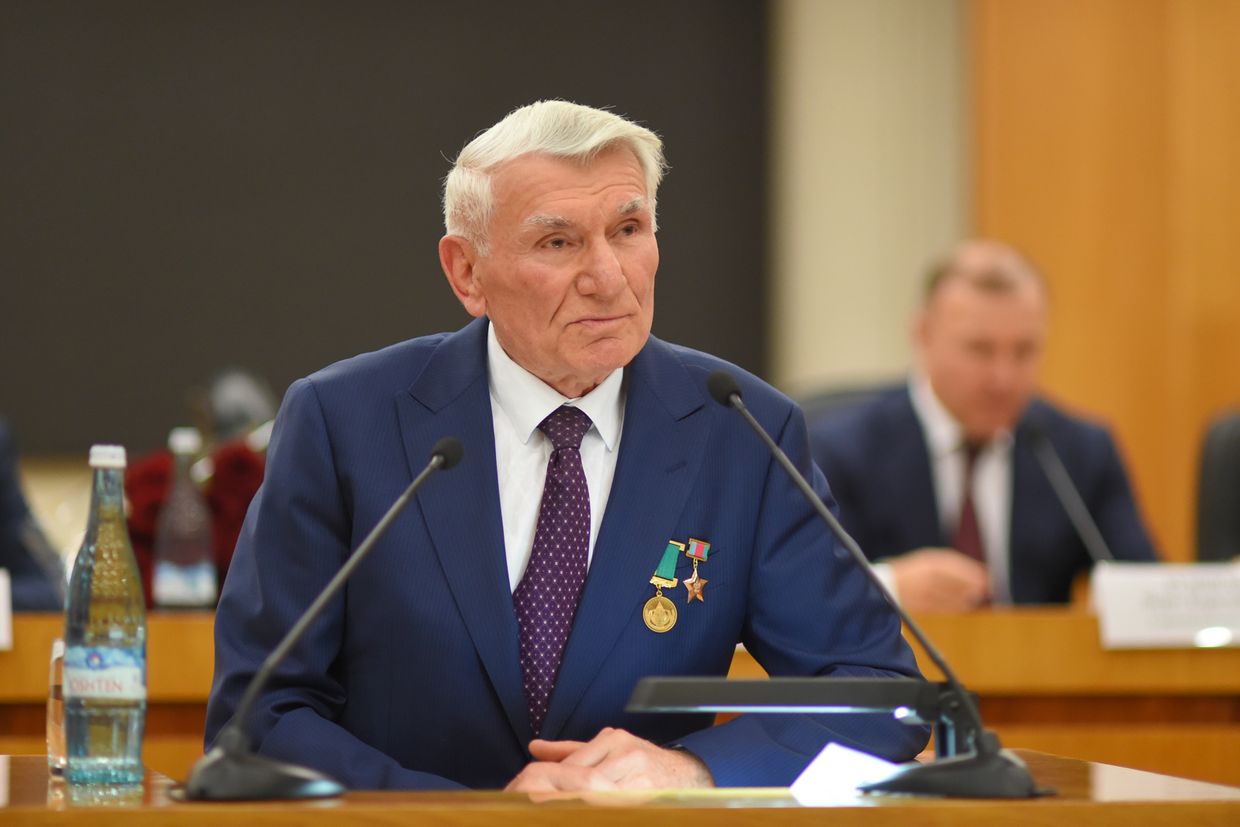
Aslan Dzharimov, the first president of Adygea, later recalled in an interview with researcher Dr Marieta Schneider that he had sent an official appeal to Russian President Boris Yeltsin on behalf of the three Russian republics in historic Circassia — Adygea, Kabarda–Balkaria, and Karachay–Cherkessia. In his letter, he asked Yeltsin to support the repatriation of the Kosovo Circassians, arguing that the move would ‘enhance the prestige of Russia’.
Moscow’s reputation had been badly damaged by the First Chechen War, and assisting a Muslim Circassian community, it was argued, could therefore be presented as a positive and symbolic gesture.
According to Dzharimov, Yeltsin was persuaded and immediately instructed the Russian Foreign Ministry to take up the matter, with Foreign Minister Yevgeny Primakov and his deputy Vitaly Churkin becoming involved in the negotiations.
One anonymous official in Adygea who was directly involved in organising the migration later admitted to Schneider that problems between Circassians and Albanians had been exaggerated in order to win the support of Moscow. Often, the Circassians in Kosovo had closer ties with the Albanians than the Serbs, due to similarities in culture and religion, and intermarriage was not uncommon. But that did not mean that they had conflicts with the Serbs.
‘The environment around us was good, work was normal’, says Neziha, a Circassian born in Kosovo in the village of Buzëlumi, still known to its former Circassian inhabitants by its Serb name, Donje Stanovce. Even so, in the end, Kosovo was ‘still not our homeland’, she tells OC Media.
Dana, whose name has been changed for privacy reasons and who grew up in the same village, echoes these feelings, noting that languages and contacts shifted depending on who was around.
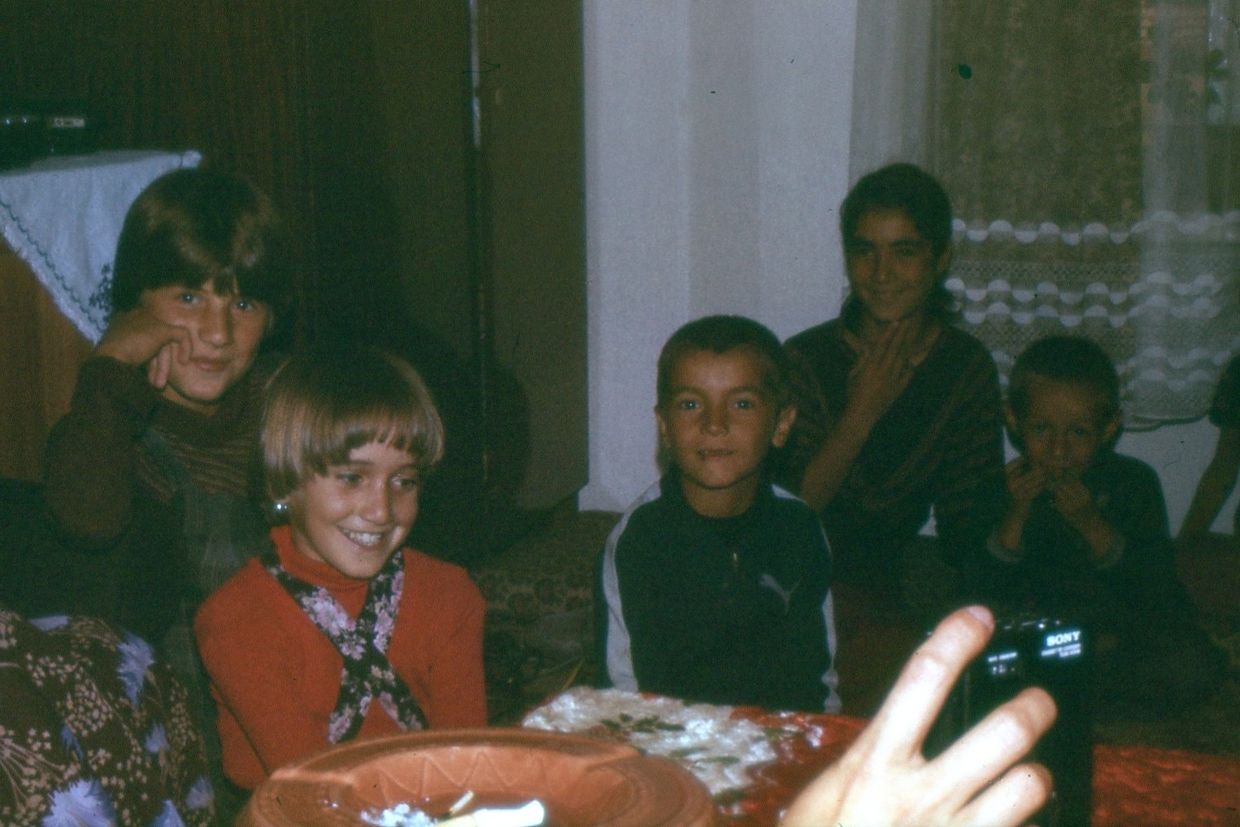
‘When we went outside, since Albanians lived in our village, we spoke Albanian. And at school we spoke Serbian. But when it was just us, just Circassians among ourselves, we spoke Circassian’, Dana recalls.
Like Neziha, however, she was never in doubt about where she truly belonged.
‘I grew up with the thought that we were not meant to live there forever,’ she says. Her father was especially firm on this.
‘When I was little, when I sat with my father, he would tell me: “We’ll go there [to Adygea], we don’t belong here, we won’t live here, so don’t get too attached” ’.
Schneider writes that by 24 July 1998, the first 200 Kosovo Circassians had been formally authorised to travel to Russia in a diplomatic note from the Russian Embassy in Belgrade. This note underlined that the Circassians were free to choose their place of residence, preserve or change their citizenship, and even sell or dispose of their property under Yugoslav law.
The Circassian community replied with a commitment letter to the government of Yugoslavia in which they justified their decision to leave as a response to the danger of assimilation and the demographic decline of their small community, while also stressing their gratitude to Yugoslavia as the country that had once sheltered their ancestors and had become, in their own words, a ‘real homeland’.
The departure was fixed for 1 August. On that day, buses collected Circassians from their villages and brought them to Belgrade. There, an aircraft provided by Russia’s Ministry of Emergency Situations, then headed by Sergei Shoigu, was already waiting to take them to Mineralnye Vody in Russia’s Stavropol region.
When the first group of Kosovo Circassians arrived in Adygea in 1998, they were met with celebrations by both local authorities and Circassians, who saw this as a historical breakthrough.
A repatriation in waves
Behind the formal agreements, the push to leave owed a great deal to community-level persuasion.
Dana credits her father, an activist within the community, with making the departure possible at all, emphasising that the official arrangements were secondary. What actually moved people was one man going door to door, asking each family personally, reassuring the frightened, sometimes pleading.
‘There were even people he begged, saying everything would be fine, come on, come here, this is your homeland. He brought them all’.
Even so, fear of the unknown held many back.
‘When there is uncertainty, you are afraid anyway’, Dana explains. ‘You don’t know where you are going’.
Access to higher education had been limited in Kosovo — she recalls barely a handful of people from her generation who had reached university — and for those with less exposure to the outside world, the prospect of resettlement in a distant country felt overwhelming.
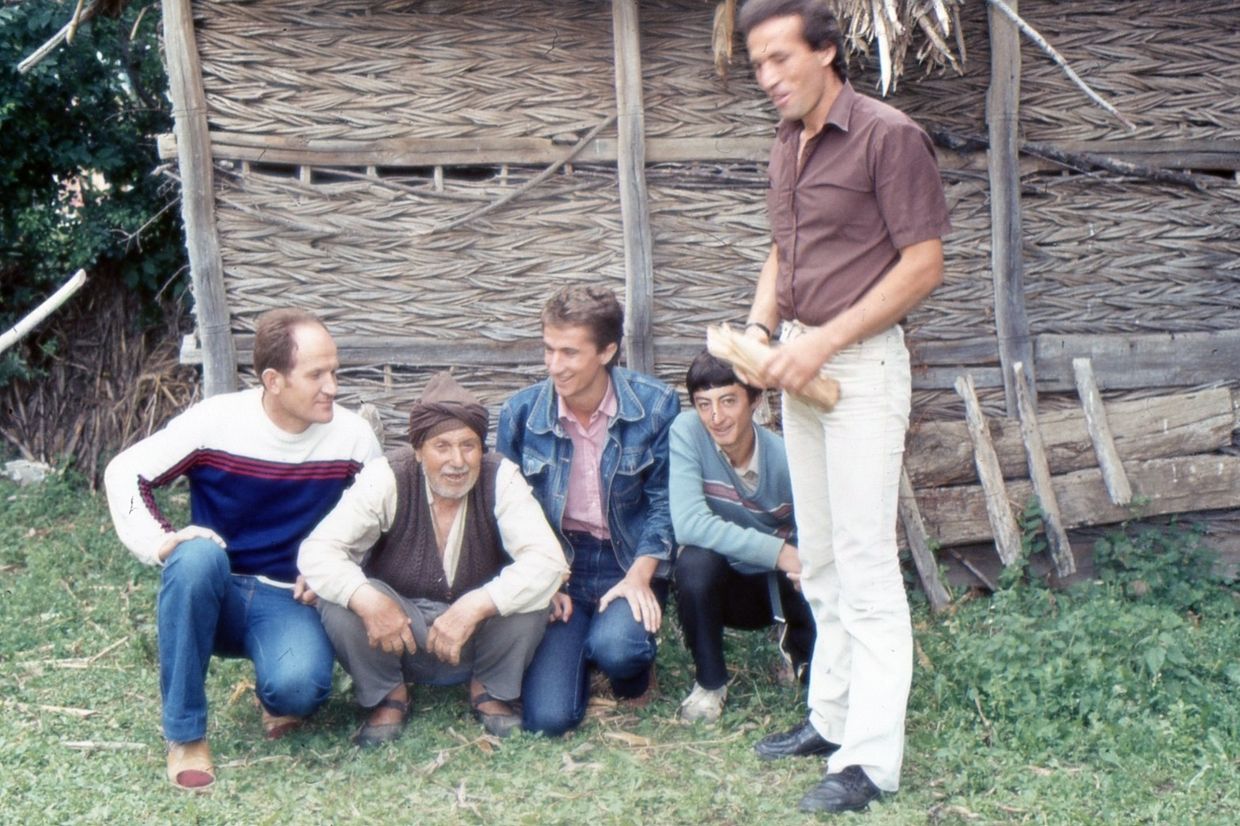
Indeed, not everyone left at once. While some families departed in the first wave, others stayed behind, hoping the situation would stabilise.
While Neziha’s two sisters left with the first group, she remained in Kosovo with her mother, brother, and Albanian sister-in-law. At the time, they still held faith that the conflict would de-escalate.
After the situation escalated, however, the decision to repatriate became easier. However, by 1999, NATO’s bombing campaign had intensified, making leaving more difficult.
‘Communication had already broken down, there were no phones’, Neziha recalls, adding that she would go to the local hospital to contact relatives in Germany.
At that time, Gazi Chemso, an activist and representative of the government of Adygea, came to Belgrade looking for Circassians who had been left behind. Officials initially told him everyone had already gone, not realising some, like Neziha, had stayed. Through Neziha’s relatives in Germany, he was eventually able to locate her family. He came to the village, ‘arranged documents for us, for those who had no passports’, she says, and contacted the Russian authorities.
Schneider’s research shows that on 11 May 1999, during the second wave, representatives of the Russian Embassy, the Ministry of Emergency Situations, the Republic of Adygea, and the Yugoslav Foreign Ministry coordinated the evacuation, ultimately choosing a route through Sofia, Bulgaria for security reasons.
The Russian authorities also organised two buses and police protection. Moscow made an agreement with NATO so there would be no bombing during the evacuation.
The group was taken by bus to Sofia, then flown to Mineralye Vody in the Stavropol region and brought to Adygea on 22 May 1999, the day after the republic commemorated the 135th anniversary of the end of the Russo–Circassian war.
The homeland they found
Dana was only 15-years-old when she left Kosovo.
‘Of course I remember, you don’t forget that,’ she says. ‘You live somewhere for 15 years, you have friends, some relatives stay behind too.’
She remembers the scene vividly — ‘Someone is crying, someone is laughing, someone is smiling. Very mixed emotions, very mixed.’
She felt grief for those being left behind, but also joy.
‘My father’s dream was coming true. We were living with my father’s dream of the homeland.’
Yet, when Dana finally arrived, she found Adygea’s capital Maykop to be completely different from what she imagined.
‘A city after all, should look like a city, not like some strange village. I didn’t know what century I had landed in’, she recalls.
She had imagined something ancient and unchanged — her father had described a place where people were different, where children went to school in traditional clothes.
‘I came with that thought,’ she says, ‘and when I arrived, everyone was dressed normally.’
But, she quickly adds, ‘that didn’t stop me from loving it and keeping the same feelings I had before. I think that’s love. When you love, you close your eyes to everything.’
Neziha had similar feelings, having, like many Kosovo Circassians, carried the homeland in memory, language, and culture. Returning, therefore, meant stepping into a place she had already known long before she had ever seen it.
‘Physically, we were [in Kosovo], but mentally, all of us were already in Adygea’, she tells OC Media.
As a student, Neziha remembers that she ‘dreamed of coming to Moscow’. One of her closest friends, an Albanian with whom she had studied with at medical university, dreamt instead of going to the US.
‘She always dreamed of America, and I always dreamed of Russia’, Neziha recalls.
When she finally arrived in Adygea, she ‘expected more’, noting that she ‘thought it would be more developed’. But that disappointment did not alter the fact that it was ‘still the homeland’.
The dichotomy in feelings grew sharper after Neziha reconnected with her Albanian friend. By then, her friend had made it to the US and urged Neziha to come too, telling her that America would have been ‘perfect’ for her, that she loved technology, and that life there was more developed.
‘The difference is huge’, Neziha says now, reflecting on what her friend could achieve in the US and the opportunities available to her in Adygea. But for her, the comparison is moot — she says she has never belonged anywhere else except her homeland.
Dana also acknowledges that life in Adygea was difficult, but says she adapted through a deep-rooted sense of belonging.
‘I know if I leave here, I could live perfectly well anywhere’, Dana says. ‘I can live anywhere, but I love it here with all these difficulties.’
‘I don’t know whether it comes from childhood, whether it was planted in me then, or whether it is in the blood’, she says.
Not everyone stayed, however. According to Dana, most of those who returned to Kosovo were men who had Albanian wives.
‘They probably could not manage,’ she says, careful to not oversimplify. ‘I’m not saying it was entirely because of the wives. Maybe they didn’t have enough love to stay in Adygea. That’s also possible’.
For those who remained, homecoming needed to take a concrete form.
In 2007, the village of Mafehabl — translated from Circassian as ‘the happy village’ — was established some four kilometres outside Maykop, built specifically to house the repatriates from Kosovo. Most Kosovo Circassians settled here, though others dispersed in the city.
The first thing a visitor notices when entering Mafehabl is the mosque, built from red brick and visible from the road. According to a local legend, a Circassian businessperson from Kabarda–Balkaria had a dream in which God told him to build a house of prayer for the Circassians who had come from Kosovo — and he did. Today it draws worshippers not only from the village itself, but also from Maykop.
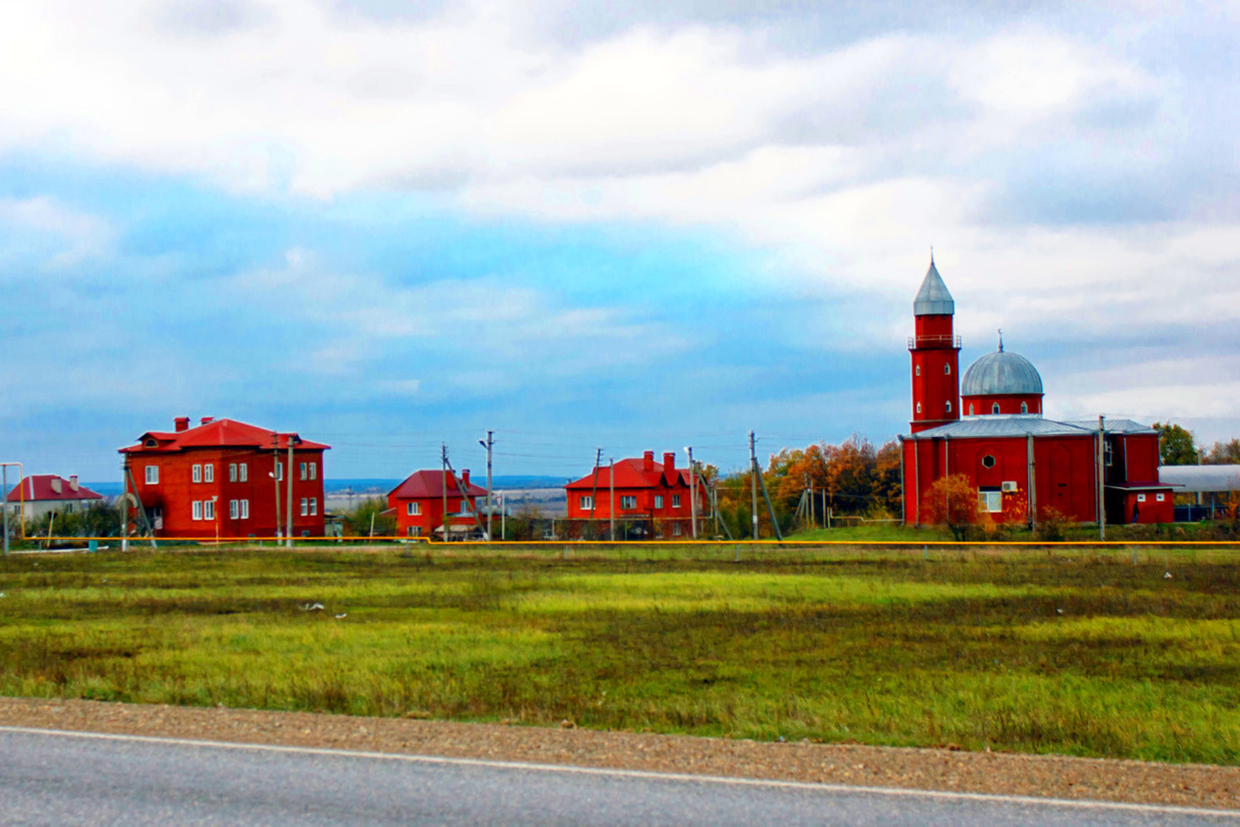
The village has allowed Kosovo Circassians to maintain a degree of cultural distinctiveness that would have been harder to preserve scattered across a city. Their practice of Islam is stricter and more observant than that of many local Circassians — they do not drink alcohol, hold different funeral customs, and treat divorce as virtually unthinkable — differences that have at times created friction with the surrounding community.
Even years later, Dana says, the sense of being an outsider has not fully gone.
‘Even when I start speaking Adyghe, they still ask, “Where are you from?” ’, she says. ‘I cannot be exactly like the local people, like a copy of them. None of us can’.
The language of return
In Kosovo, Circassian remained the main unquestioned language of the home and everyday life even when the Circassians worked, studied, and lived among the Albanian and Serbian-speaking populations. In Adygea, however, Neziha now hears children speaking Russian to one another, a shift that is especially painful for her.
‘We spoke our own language proudly and without shame’, Neziha recalls from her first days in Adygea. In response, however, people looked at them ‘strangely’ and even when she addressed local Circassians, they replied in Russian.
‘Why are you replying in Russian?’, she remembers asking. ‘Are you ashamed of your own native language?’.
Later, she says, people explained to her that Russian made them ‘feel more respectable, as if Circassian somehow lowered their status’.
As a doctor, she has insisted on speaking Circassian with elderly patients in order to fight back against these assumptions. She had come to Adygea, she says, ‘in order to speak Circassian’. Otherwise, ‘why did I even come here?’.
Her insistence bore fruit: people who were initially hesitant to speak Circassian, she says, began using it more freely when they saw how the Circassians of Kosovo spoke with each other and those around them.
Looking back, Neziha believes that the situation in Maykop has changed since those first years. More young people now try to speak Circassian in public and the language does not carry the same sense of shame it had before.
However, she says a deeper problem emerged later — not whether adults still spoke Circassian, but whether the children were still learning it.
‘We preserved our native language for 150 years [in Kosovo]’, she says, ‘and now here in Russia, in just 26 years, we have started to lose our native language’.
For Dana, the language question has become painfully intimate. She has three children and made a deliberate choice to keep them at home rather than risk early Russian dominance.
‘I stayed home with [my eldest son], and we spoke only Circassian,’ she says. ‘Russian they will know anyway. We live in Russia. Whether you want it or not, you will speak it.’
Her eldest son, she says with relief, does speak Circassian. But her daughter can only manage barely two sentences, and the youngest, despite living in a household where only Circassian is spoken, answers her in Russian.
For Dana, the stakes could not be higher.
‘If you lose your native language, you lose your humanity,’ she says.
When her father comes to visit, he cannot hide his distress.
‘“What is this? Why can’t he speak it?” And I say, “I don’t know.” He just does not want to’.
‘Such a beautiful, rich language, and we are still losing it,’ she says. ‘That is the most valuable thing we are losing. The rest is not important, honestly, not important. How we live, who became what, none of that matters. We are losing the language.’
Neziha rejects the logic that Russian competence must come at the cost of Circassian. Her nephew, she points out, grew up moving between Circassian, Albanian, and Turkish, and later Russian without confusion. Multilingualism was not an obstacle — it was simply life.
This perhaps is the central paradox of the return. For generations, exile forced the Kosovo Circassians to protect their language with discipline and care. Yet now, while finally in the homeland, where Circassians should have felt secure, that urgency has weakened, putting the language and culture at risk once again.