EU ‘looks into’ increasing support for Yerevan as Moscow tightens restrictions on Armenian imports

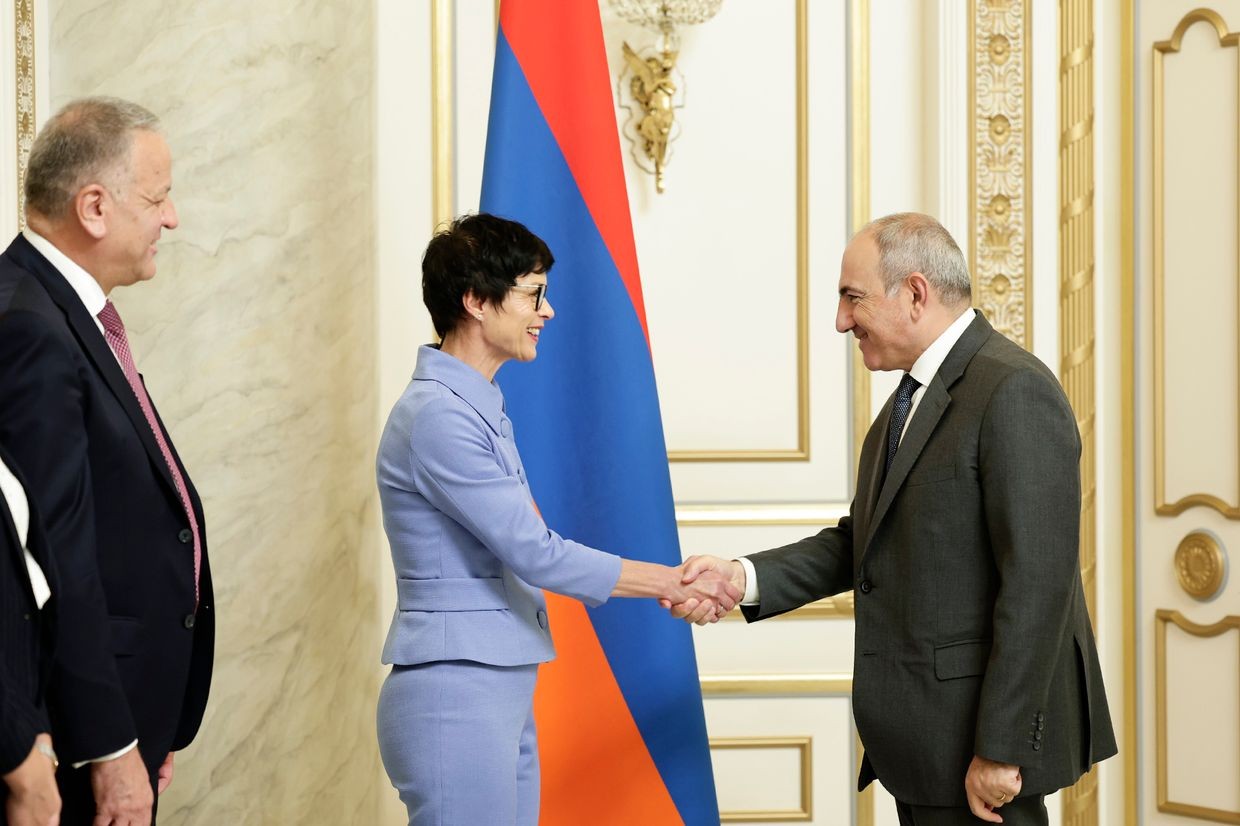
The EU has announced that it was ‘looking into ways to increase EU support for Armenia in the short term’ in the light of ‘growing economic coercion by Russia’. At the same time, Armenian Prime Minister Nikol Pashinyan has suggested that Russia is taking the ‘wrong steps’ by continuing to tighten restrictions on Armenian imports.
EU Commissioner for Enlargement Marta Kos announced the intended support following a phone conversation with Armenian Foreign Minister Ararat Mirzoyan. The call came as Moscow imposed yet another round of restrictions on Armenian imports ahead of Armenia’s parliamentary elections on 7 June.
‘We will also accelerate our work bolstering trade and energy links to and within the South Caucasus, supporting Armenia’s economic links with its immediate neighbourhood’, Kos said.
Armenia is a sovereign and independent country, with its people free to choose the country’s path.
— Marta Kos (@MartaKosEU) June 2, 2026
I had a productive call this afternoon with Armenian Foreign Minister @AraratMirzoyan during which I reiterated the EU’s solidarity with Armenia in the face of growing economic… pic.twitter.com/6tdpl3u4l7
According to the Armenian readout, the two officials ‘discussed mechanisms aimed at strengthening the economic component of the Armenia–EU partnership, including measures designed to increase trade turnover’.
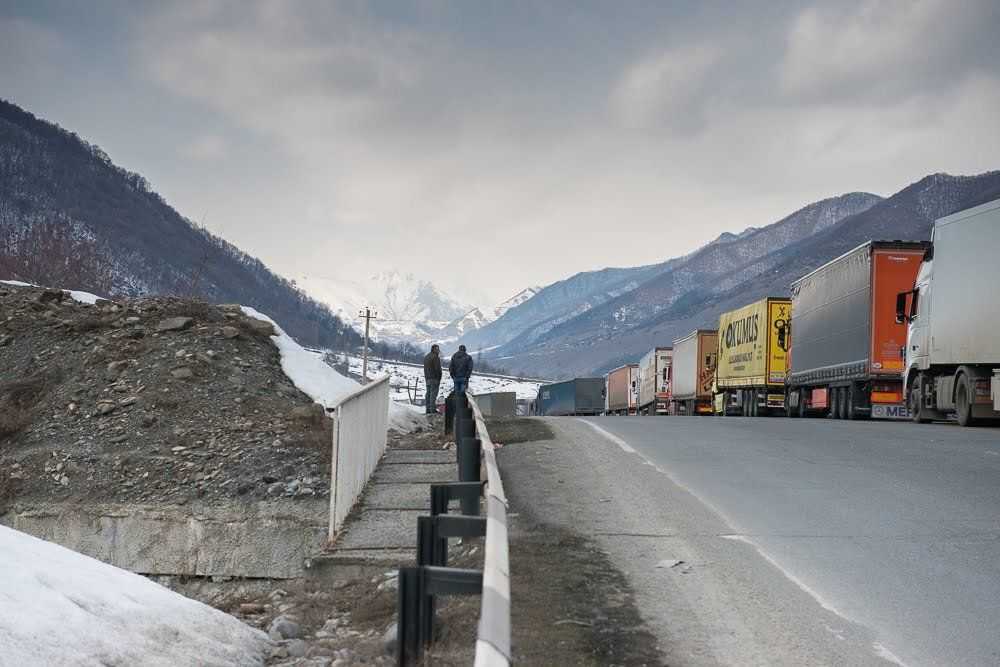
Since mid-May, Russia has, almost on a daily basis, announced new restrictions on Armenian imports, citing alleged violations. In addition to measures targeting alcoholic beverages, Jermuk mineral water, and fish products, the restrictions have affected Armenian fruit and vegetable exports just as the peak export season begins. Notably, some of the restrictions have been imposed on products that have not yet been harvested and therefore, could not have undergone inspections, including apricots and grapes.
On Tuesday, Russia further restricted imports of Armenian products to Russia, including eggplants, potatoes, and dried fruits. Russia has also restricted the products’ transit to Eurasian Economic Union (EAEU) member states.
In late May, EAEU member states, excluding Armenia, urged Yerevan to swiftly hold a referendum to choose between the EU and EAEU. Pashinyan rejected the call ‘until the point when Armenia has either officially applied for EU membership or is very close to obtaining candidate status’.
 Arshaluys Barseghyan
On Tuesday, Pashinyan vowed to ‘solve all the problems’, in a comment to Russian media outlet Izvestia.
While acknowledging the advantages of EAEU membership, he said that ‘in this case the EAEU should show new opportunities, open new opportunities, so that the image of the EAEU in Armenia grows rather than the opposite’, adding that the restrictions create ‘a negative perception of the EAEU’.
Also on Tuesday, Pashinyan announced that the batches of roses and vegetables originally intended for the Russian market had already been redirected to alternative destinations, though he did not specify which countries had received them.
Armenia–Russia relations have seen a fresh round of tensions since Pashinyan met with Russian President Vladimir Putin on 1 April, during which Putin publicly raised the issue of ‘pro-Russian’ political forces in Armenia and expressed hope that they would ‘be able to participate in this domestic political work during the elections’.
Arshaluys Barseghyan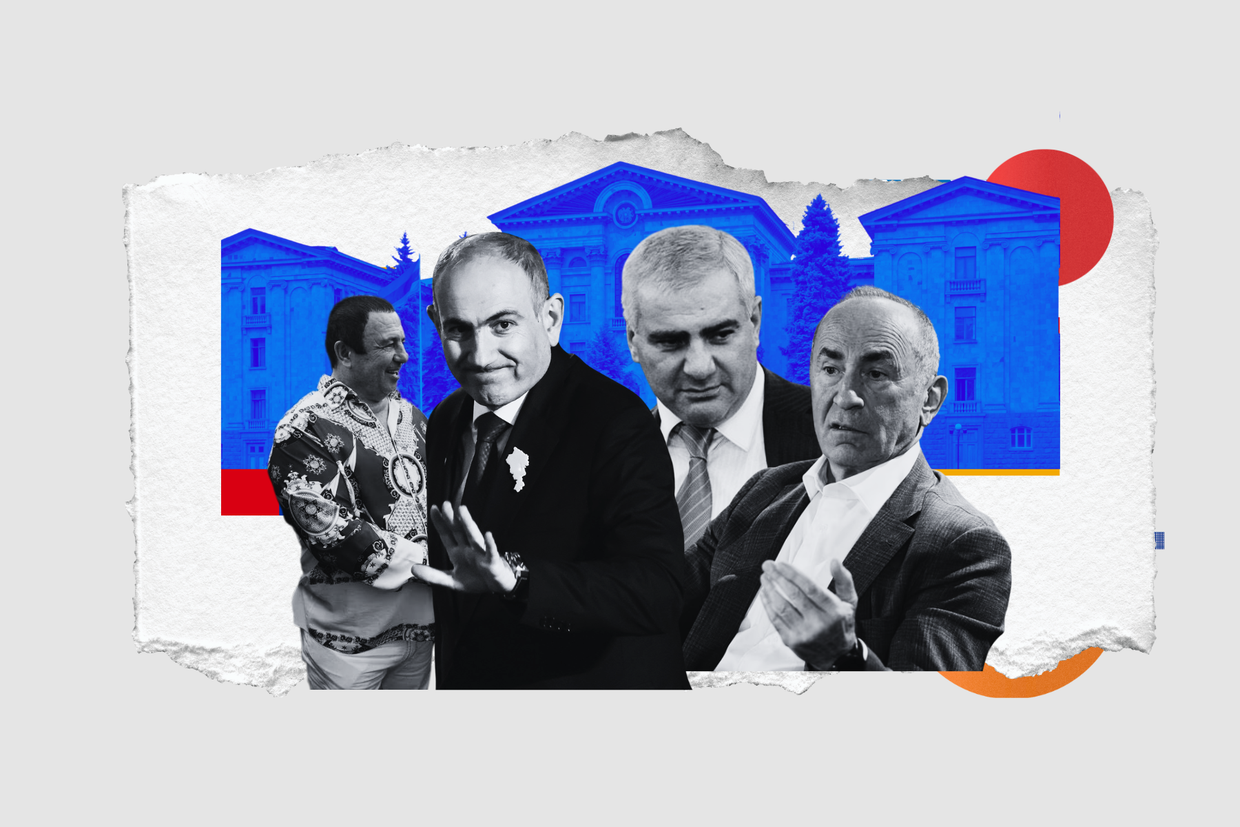
Leaked documents have also suggested that Russia has engaged in disinformation campaigns in favour of pro-Russian candidates, as well as plans to bus ‘tens of thousands of Russian–Armenians’ into Armenia to influence the election outcome.
On Tuesday, US Secretary of State Marco Rubio stated that ‘the Russians are less than happy about our engagement’ in Armenia, for which reason ‘there's evidence that they would like the current prime minister [Nikol Pashinyan] to lose his election’.
‘To be clear, we’re not there to infringe on Armenian sovereignty. We’re not asking them not to be friends with other countries. We just want to be able to have a relationship with them that's built not just on peace. Peace is important, but that’s just the beginning’, Rubio concluded.