Opinion | Foreign agent laws are becoming the scourge of media freedom across Europe
Brussels needs to deliver a stronger, more decisive response to the spread of foreign agent laws across Europe, including in Georgia.

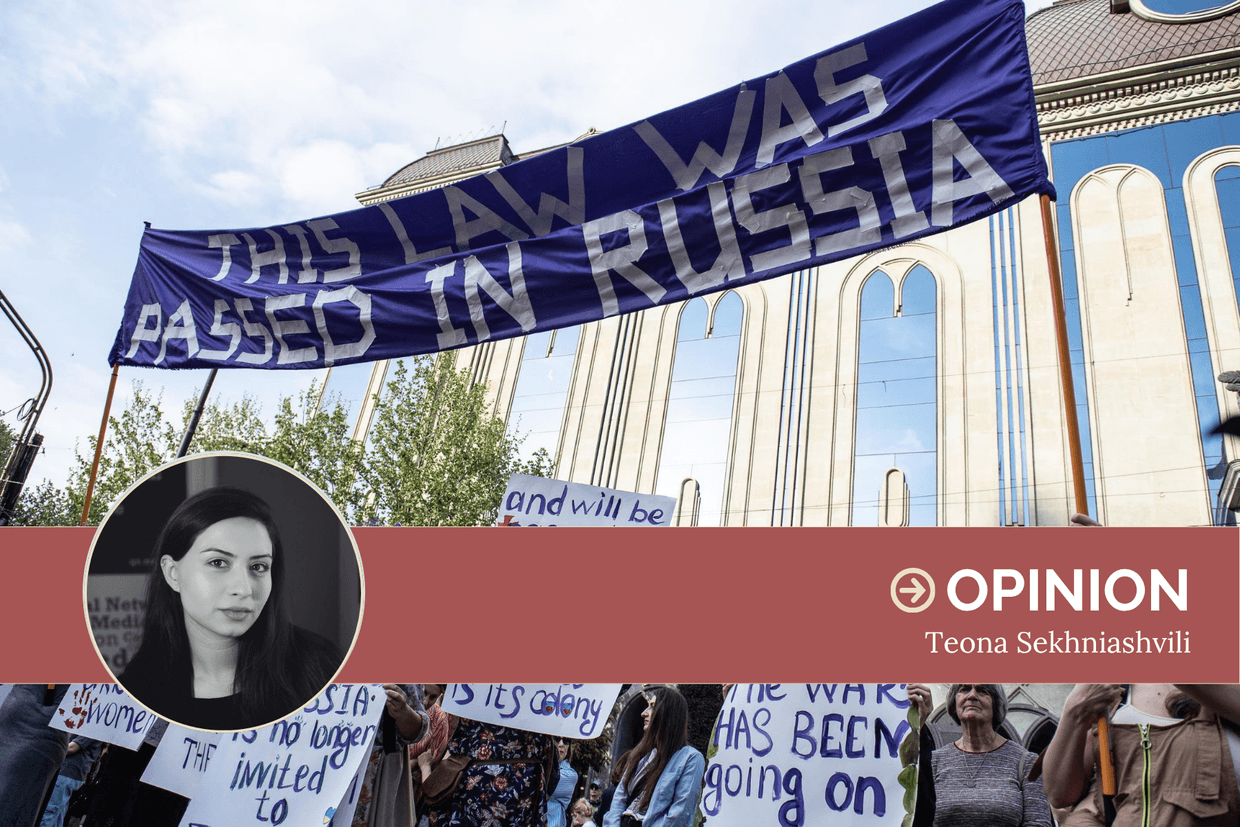
World Press Freedom Day has passed by as attacks against independent journalism escalated at an unprecedented rate. From smear campaigns and digital threats, to vexatious lawsuits and physical attacks — and now, legal harassment through rapidly emerging and spreading foreign agent laws.
These laws, which are now spreading across Europe, have the potential not only to create a chilling effect on media communities and obstruct journalists’ work, but also to fully paralyse their operations and expose journalists to the risk of criminal prosecution.
The practice of weaponising foreign agent laws against independent media and civil society originated in Russia, where foreign agent laws have evolved into a primary tool for suppressing civil society and free press.
When it was first adopted in 2012, Russia’s foreign agent law was presented as a mere list of foreign funded entities. Today, however, individuals and organisations can be designated as foreign agents for receiving even minimal foreign funding or simply for being deemed under foreign influence. At least 355 media outlets and journalists have been designated foreign agents in Russia.
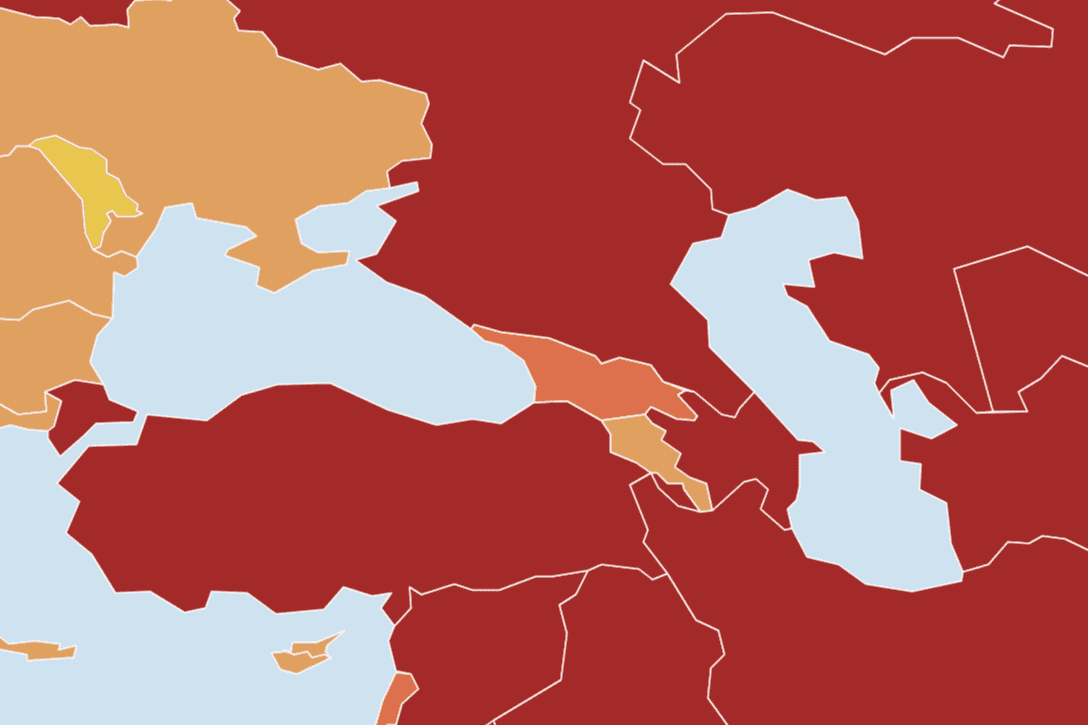
Among EU member states and candidate countries, Georgia represents the most far-reaching example of a government abusing repressive legislation, including foreign agent laws, to muzzle free media. Media freedom groups, including the International Press Institute (IPI), have repeatedly warned that these laws are designed to suffocate independent journalism and civil society.
Here, after the ruling Georgian Dream party introduced a series of restrictive measures, including multiple foreign agent laws, the country experienced the most rapid declines in media freedom across Europe.
Since the country received EU candidate status in December 2023, IPI and partner organisations have recorded 319 violations affecting 557 journalists and media organisations on the Mapping Media Freedom database. Alerts on the Council of Europe’s Safety of Journalists Platform have been drastically increasing, for instance, by 78% in 2025 compared to 2024.
Foreign agent laws and narratives spreading across borders
It is no novelty that authoritarian and illiberal regimes from across the globe learn from each other using the same tactics from the authoritarian playbook. Nowhere is this more evident than in the rapid spread of foreign agent laws. Just one day before Georgia reintroduced its ‘transparency of foreign influence’ law, Kyrgyzstan’s President Sadyr Japarov signed a ‘foreign representatives’ law requiring non-profit organisations, including media outlets, to label themselves as such and submit regular financial reports and audits.
The introduction of such repressive legislation does not happen in a vacuum. It is preceded by years and even decades of smear campaigns against independent media labeling journalists ‘spies’ and ‘agents’ and accusing them of foreign interference. Data from Mapping Media Freedom shows that political actors across EU member states and candidate countries have systematically weaponised narratives of foreign funding or influence to stigmatise critical media.
Between May 2024 and May 2026, IPI and partners have recorded 154 press freedom violations linked to foreign agent laws or accusations of foreign influence, affecting 272 media-related individuals or entities. Of these, 68 occurred in EU member states and 86 in candidate countries. Hungary recorded the highest number of such cases within the EU (39), while Georgia led among countries with candidate status (51).
In Hungary, a 2025 bill proposed creating a register of organisations that threaten ‘national sovereignty’ through foreign funding, potentially enabling the blacklisting, financial restriction, or closure of affected entities, including media outlets. The bill represented the most serious attack on Hungarian media under the Fidesz regime. Although ultimately withdrawn following widespread criticism, the proposal signalled a deepening hostility towards independent media. Former Prime Minister Viktor Orbán vowed that if re-elected, he would make sure he would ‘finish the job’ hinting that the bill would return.
Earlier, in 2023, Hungary adopted the Sovereignty Protection Act based on which a new agency, the Sovereignty Protection Office (SPO), was established, representing one of the most serious threats to democracy, rule of law, and media freedom in Hungary. The institution has systematically abused its powers in a discriminatory and abusive manner to target critical and investigative media which receive foreign grants or funding and falsely portray them as the agents of foreign interests.
In Slovakia, a law adopted in 2025 introduced new disclosure requirements for NGOs, including donor reporting. While labels such as ‘foreign agent’ and ‘lobbyists’ were removed after public backlash, the law would still impose an administrative burden on CSOs. The law was significantly watered down following internal criticism and international outcry. However, the law could still be amended to prescribe additional restrictions in the future.
In Republika Srpska, a confederal entity of Bosnia and Herzegovina, authorities adopted a foreign agent law imposing strict obligations on NGOs and media receiving foreign support, forcing them to label themselves as ‘foreign agents’. Furthermore, the law banned NGOs, investigative media included, from conducting vaguely defined ‘political activities’. Key provisions were later struck down by the Constitutional Court as incompatible with the European Convention on Human Rights.
Most recently, concerns have also been raised over a draft foreign agent-style funding bill in Czechia, while similar initiatives have been proposed in Serbia, Bulgaria, and Turkey.
Although these laws vary in scope, severity, and measures in cases of non-compliance, the rationale used for justification of their adoption is strikingly similar.
They are introduced under the guise of enhancing transparency, safeguarding national security and sovereignty, and preventing foreign interference. In practice, however, they aim at discrediting critical voices, stifling dissent and weakening or in some cases fully obliterating, independent, high-quality journalism and civil society by obstructing and paralysing their operations.
They are an effective tool for consolidating authoritarianism under undemocratic regimes.
A need for urgent action
For Georgia’s independent media, it is abundantly clear that foreign agent laws represent a major media freedom issue and should be treated as such. Georgia is also a clear example of how fast and detrimental the effects of such laws can be for independent media. It should serve as a chilling example for other journalistic communities across Europe.
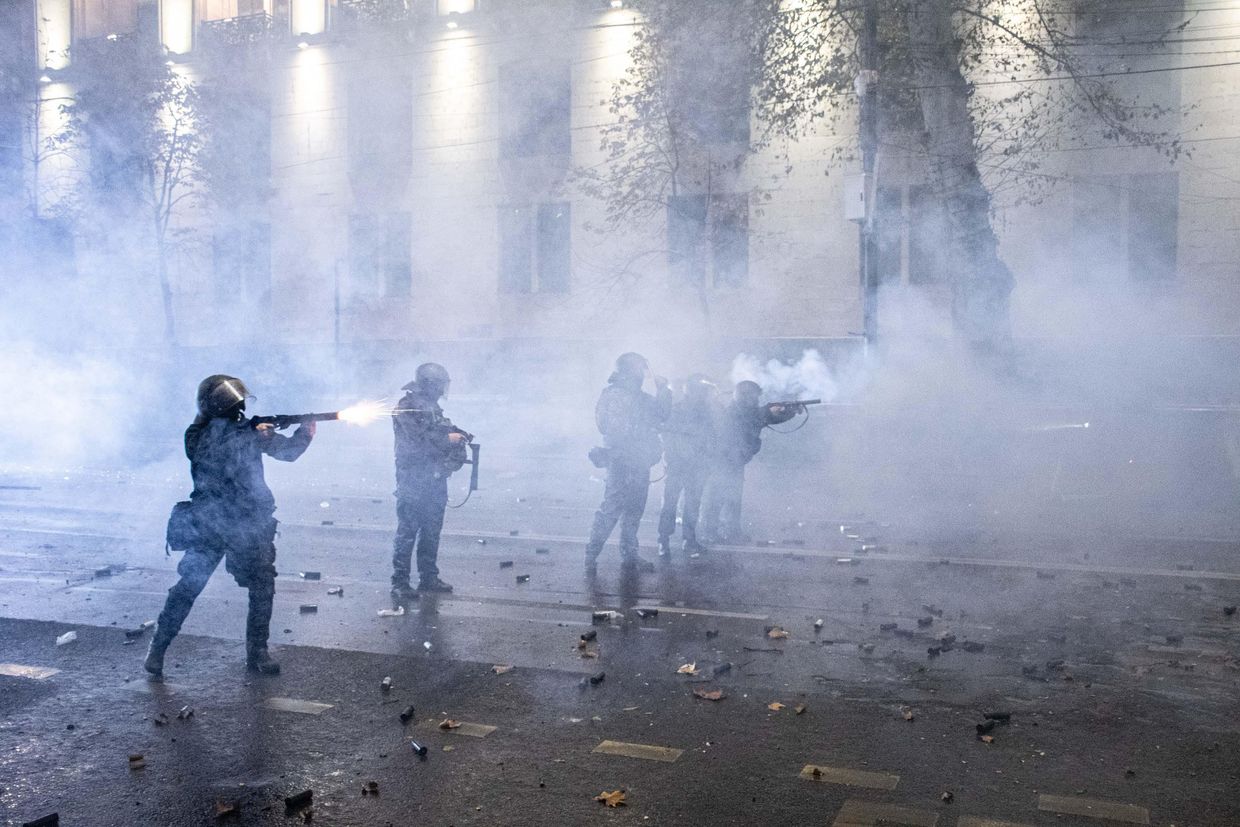
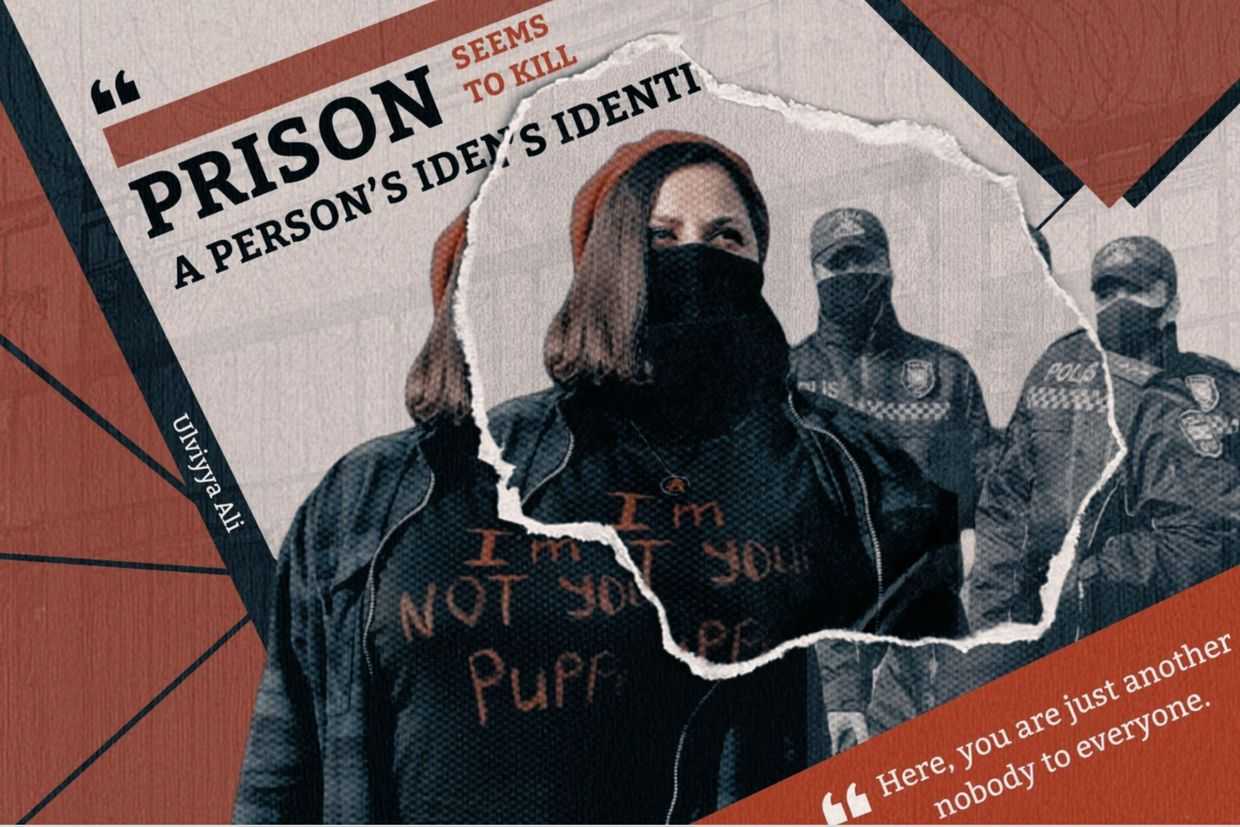
The Georgian government has used all tools at its disposal to silence free media, from strategic lawsuits against public participation (SLAPPs) to regulatory harassment, economic retaliation, physical assaults, and digital threats. Journalists have been viciously beaten, verbally assaulted, threatened, and detained. The co-founder of independent media outlets Batumelebi and Netgazeti and IPI World Press Freedom Hero Mzia Amaglobeli has now spent over a year and three months in prison on politically motivated charges and has become a symbol of the fight against the broader assault on media freedom in Georgia.
Georgian media, however, has provided a powerful example of resilience for other journalistic communities in the world. Despite being subjected to this unprecedented pressure, the country’s independent media refuse to be silenced. They continue to do their vital work, hold power to account, and find ways to survive. However, it is primarily the foreign agent-style laws that make their operation incredibly difficult and dangerous.
The EU has been an important ally in pushing back against such laws in countries where they have been proposed, issuing repeated statements of concern. It has actively opposed similar legislation in Hungary, as the EU Commission launched an infringement procedure in February 2024 against Hungary’s ‘National Sovereignty Protection Law’, citing violations of EU fundamental rights, democratic standards, and internal market rules.
On other fronts, the EU has taken important steps to address some of the most pressing threats to media freedom, including media capture, threats to the independence of public broadcasters, surveillance of journalists, and SLAPPs, by adopting robust new legislation such as the European Media Freedom Act (EMFA) and the Anti-SLAPP Directive. Yet, there is a clear lack of a comprehensive, forceful response to the rise of foreign agent–style legislation.
While the EU must not lose sight of the crackdown on media freedom in Georgia and should continue pressing for the withdrawal of all repressive legislation, it is equally crucial that it develops a stronger, clearer, and more decisive response to the emergence of such laws within its member states and neighbourhood. Infringement procedures are crucial, but there is an urgent need for a more proactive, rather than reactive, approach.
Such an approach should be elaborated within the EU Democracy Shield. Furthermore, the EU should reconsider any plans to adopt an EU directive on foreign interest transparency which according to critics also represents a threat to media and civil society, through its vague wording, which risks stigmatising foreign funded entities. It furthermore risks giving authoritarian or illiberal regimes across the bloc the means to stifle dissent and justify repressive laws by referencing the directive.
Inevitably, in the years to come, we will hear more news about foreign agent laws within the EU and its neighbourhood.
Ahead of the next World Press Freedom Day, the EU and civil society across Europe must prioritise adopting a strong, coordinated, and proactive strategy against these laws, lest they risk further undermining the foundations of democracy in the bloc.
 OC Media