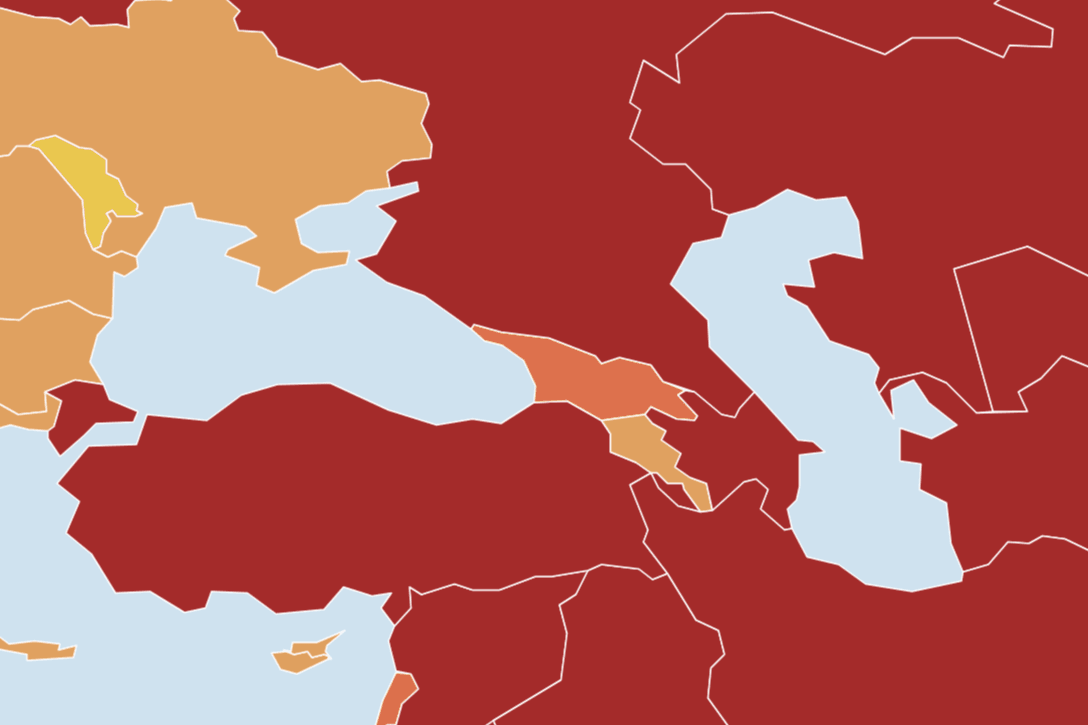
Reporters Without Borders’ (RSF) annual World Press Freedom Index has shown that all three South Caucasus countries have dropped in ranking, led by Azerbaijan, with Georgia and Armenia trailing behind.
According to the index published on Thursday morning, Azerbaijan fell from 167th place to 171st; Georgia from 114th to 135th; and Armenia, which still ranked the highest, fell from 34th to 50th.
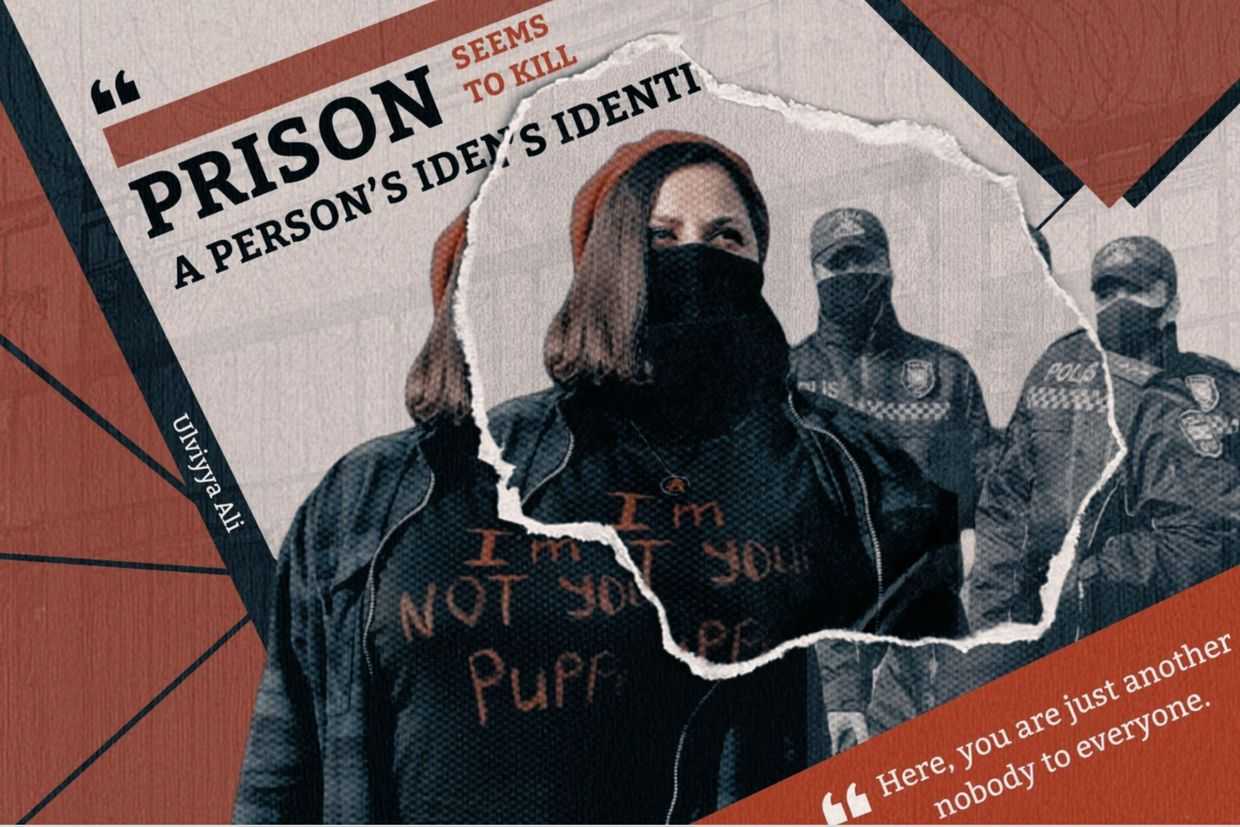
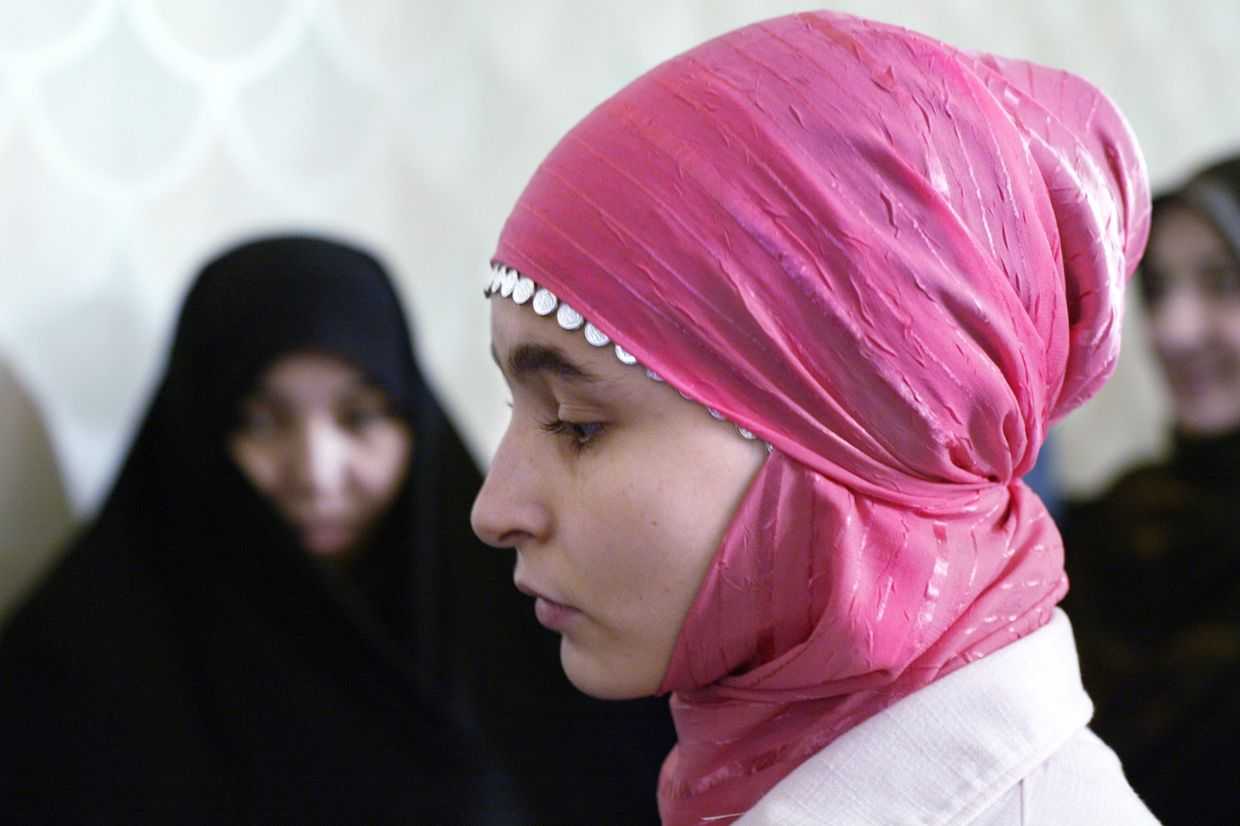
In its country profile, RSF said that Azerbaijan’s media sector is virtually ‘under official control’. It notes that 25 journalists are under detention as of publication.
Those include journalists from and associated with numerous independent media outlets which fell victim to Azerbaijan’s crackdown on media and civil society since late 2023, including but not limited to Abzas Media, Meydan TV, and Toplum TV.
In June 2025, Azerbaijan handed down lengthy sentences to six of Abzas Media’s staff, including its director Uli Hasanli and editor-in-chief Sevinj Abbasova, who received nine-year sentences each on charges of smuggling foreign currency and money laundering. Farid Mehralizada, an RFE/RL journalist, was also sentenced alongside Abzas Media’s team, despite not having any ties to the independent media outlet.
 Aytan Farhadova
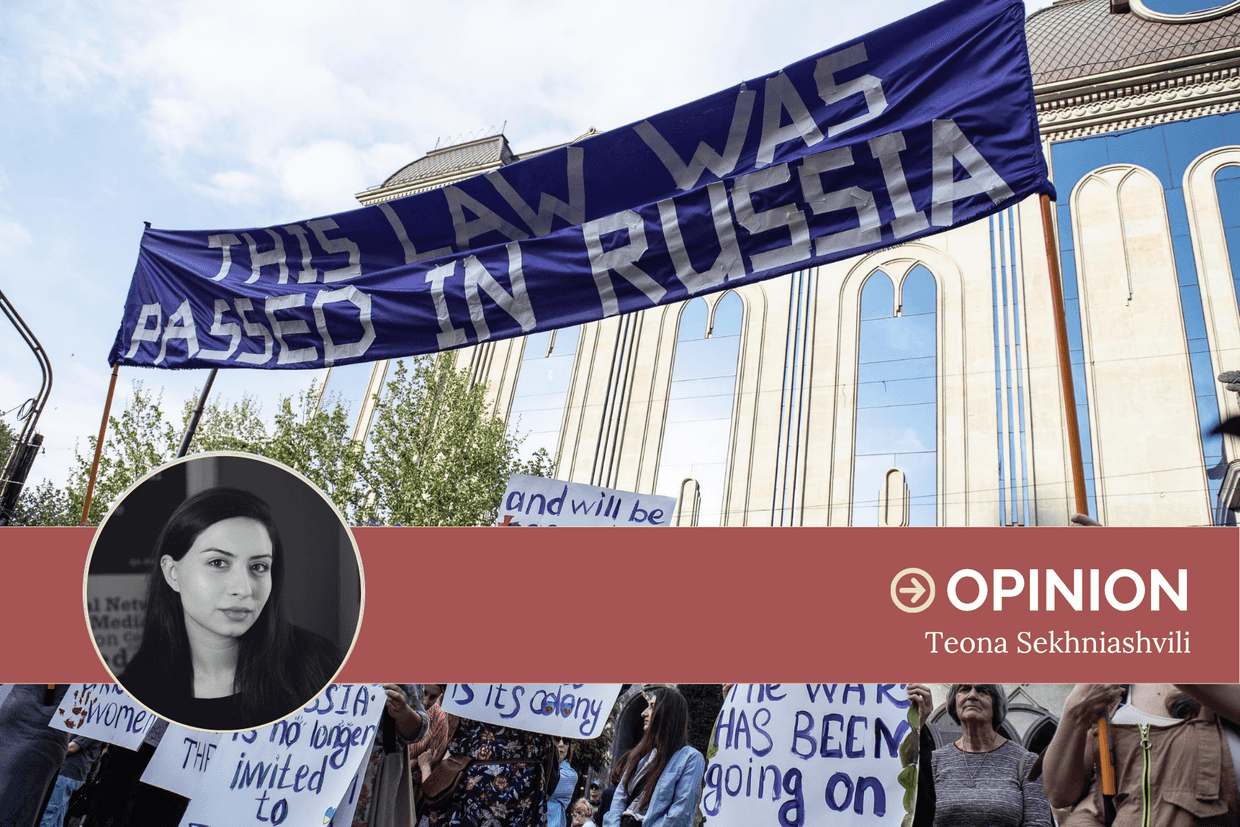
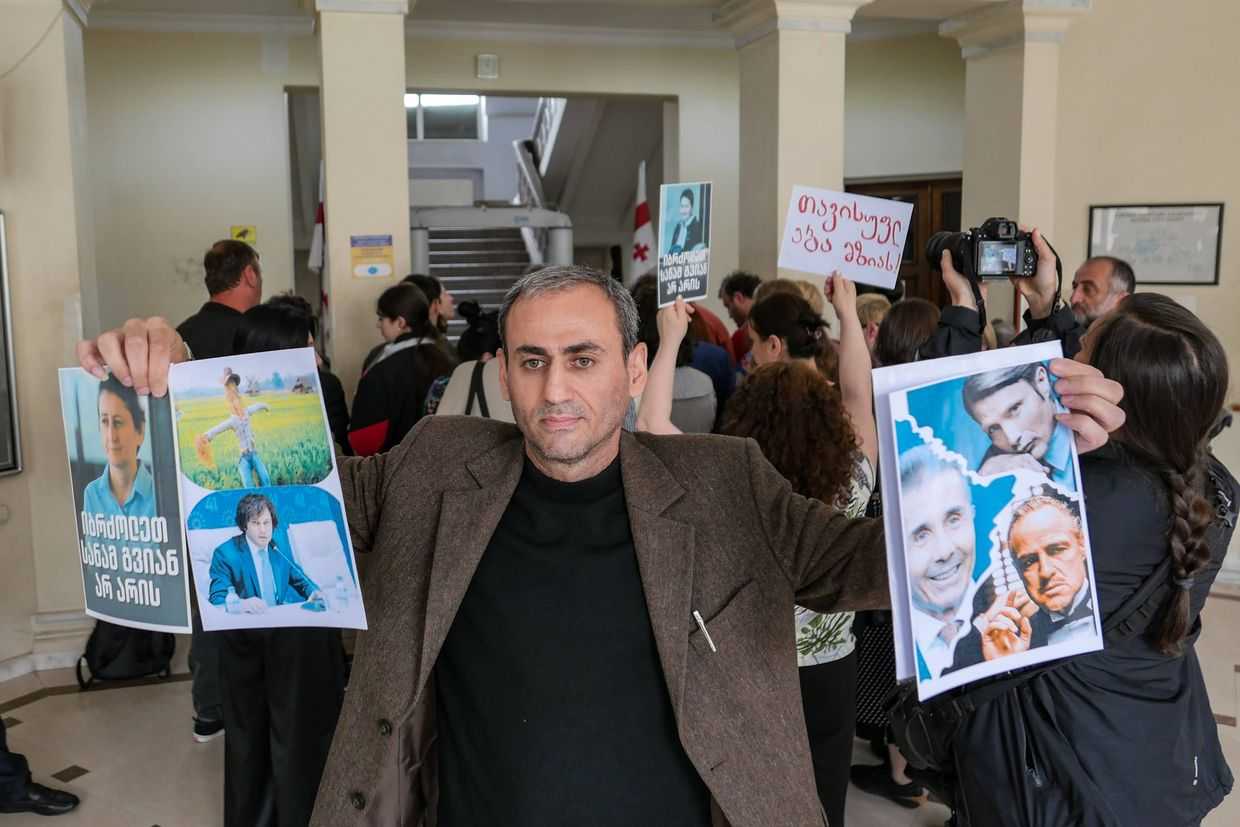
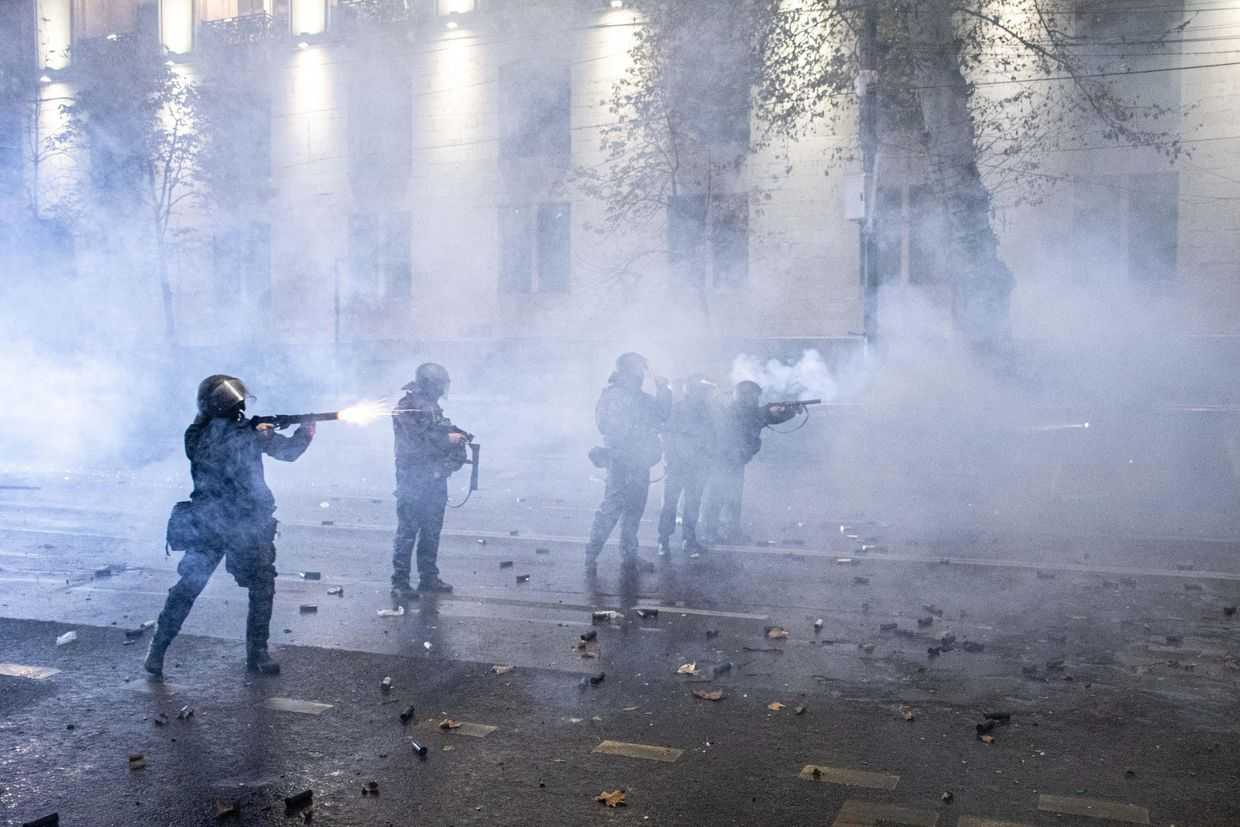
Georgia has continued onwards on its downward trajectory in the index over previous years, with RSF noting that the country’s media environment ‘remains hostile for independent and opposition media, with a growing number of verbal and physical attacks against journalists’.
The organisation cited repressive laws adopted by the ruling Georgian Dream party as being used to ‘further marginalise journalists, expose them to censorship, and significantly reduce space for free speech’.
OC Media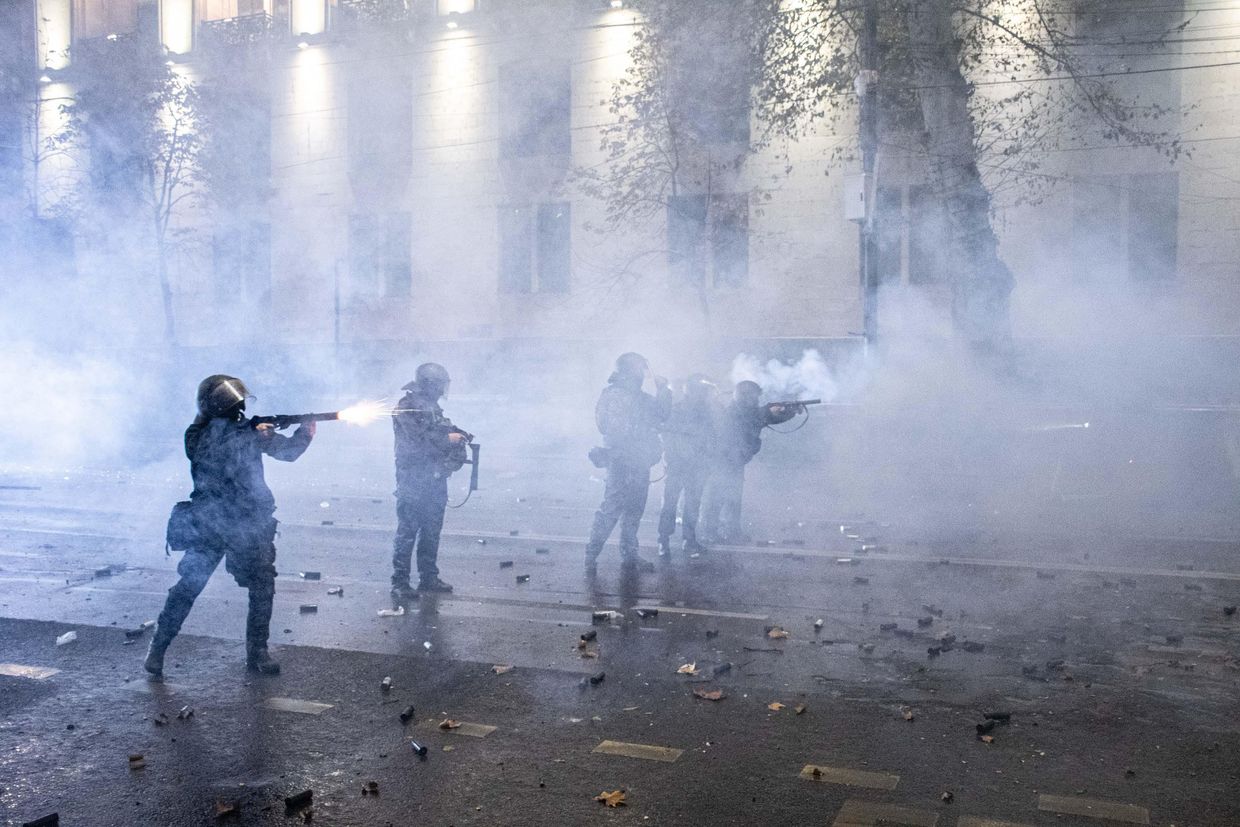
It listed the founder of independent media outlets Netgazeti and Batumelebi, Mzia Amaghlobeli, as the only detained journalist in Georgia. Amaghlobeli was sentenced to two years in prison in August 2025 after being initially detained in January the same year for slapping then-Batumi Police Chief Irakli Dgebuadze during a heated argument. During the course of her trial, the prosecution sought a sentence of four to seven years for her on charges of assaulting a police officer.
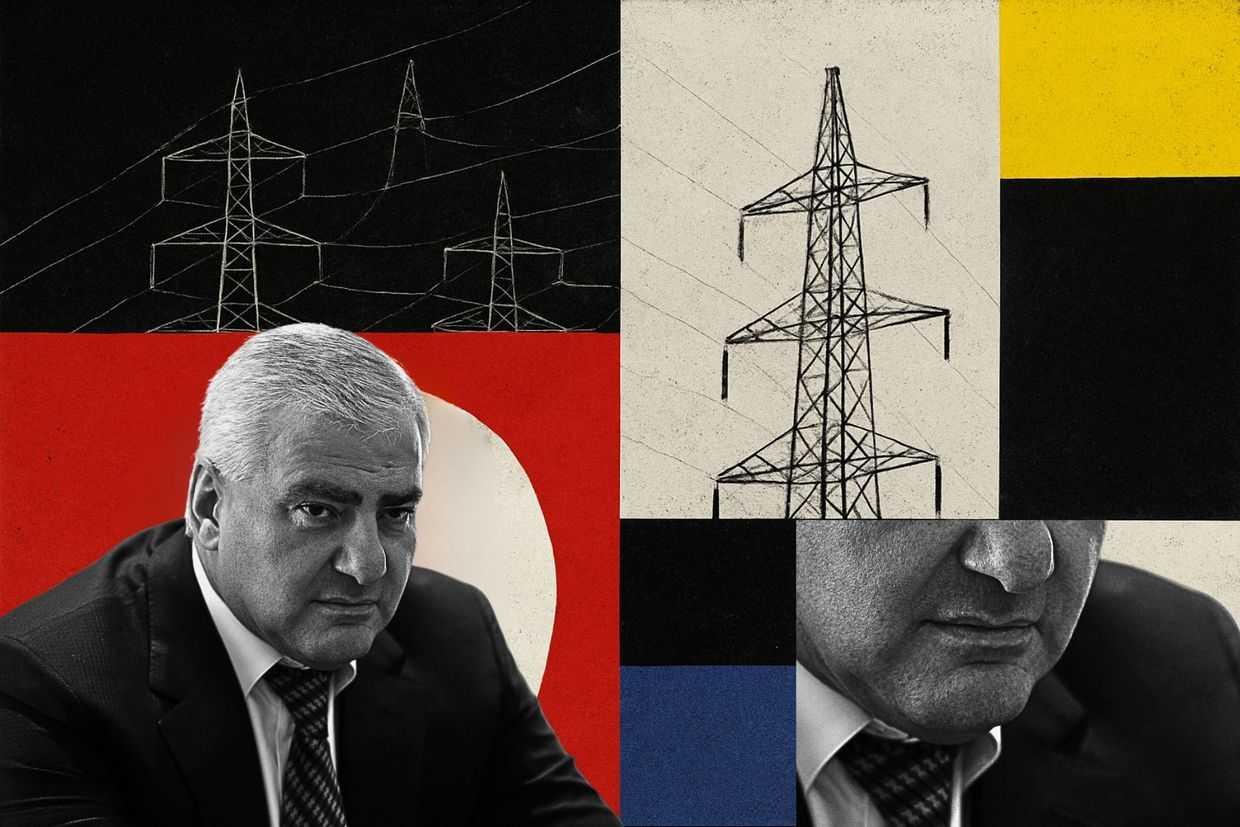
While ranking highest among the South Caucasus, Armenia still fell 16 places on the index from 2025. RSF said that the country’s media landscape ‘remains polarised’, despite being varied. It noted that Armenia was facing an ‘unprecedented level of disinformation and hate speech fed by internal political tension, security problems at the country’s borders, and the country’s complicated position between Russia and the European Union’.
Tensions on the Armenia–Azerbaijan border have all but died out since the two countries initialed their peace agreement with US President Donald Trump’s mediation in Washington in August 2025.
However, as Armenia inches closer to pivotal parliamentary elections scheduled for June, officials in Yerevan and Brussels have repeatedly warned against a wave of Russian disinformation.
To this end, the EU on 21 April announced the creation of a civilian mission to support Armenia in facing ‘multi-layered threats such as foreign information manipulation and interference (FIMI), cyber-attacks, and illicit financial flows’. The mission will have a two-year mandate.
Mikheil Gvadzabia