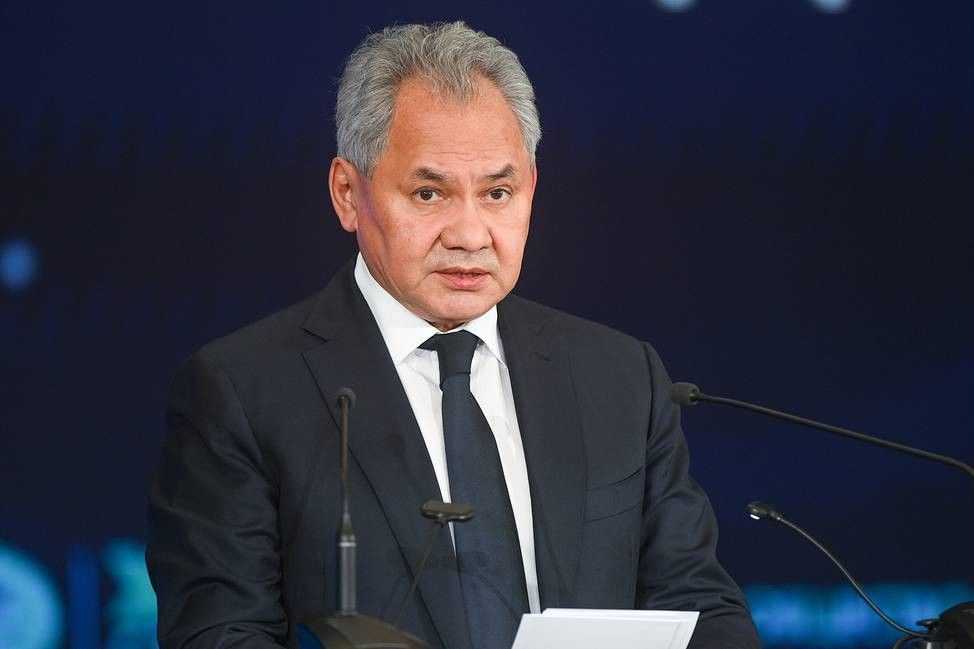
Russian Security Council Deputy Secretary Alexei Shevtsov has blamed ‘most’ civil society organisations registered in Moldova and Armenia of ‘working to undermine bilateral relations [with Russia] and to discredit integration processes’. Separately, amidst bilateral tensions, Russia has banned the sale of a batch of Armenian Jermuk mineral water.
Shevtsov’s statement came amidst new Western attempts to tackle Russian influence operations ahead of Armenia’s parliamentary elections scheduled for 7 June.
Earlier in April, a bipartisan group of US senators wrote to Meta and Alphabet, Google’s parent company, urging the tech giants to take stronger steps to ‘counter Russian disinformation’ before the elections in Armenia.
 Nate Ostiller
The letters thanked the companies for actions to combat similar Russian-backed moves in Moldova’s 2025 election, and said ‘Russia is updating its playbook from Moldova’ to sway Armenia’s election.
Both letters cited findings from the Armenian civil society group, the Union of Informed Citizens, as saying that Meta and Alphabet platforms are being used to spread ‘manipulative content’ about the election. It noted the same group had documented ‘coordinated inauthentic behaviour reportedly directed by a Russian-Armenian oligarch’.
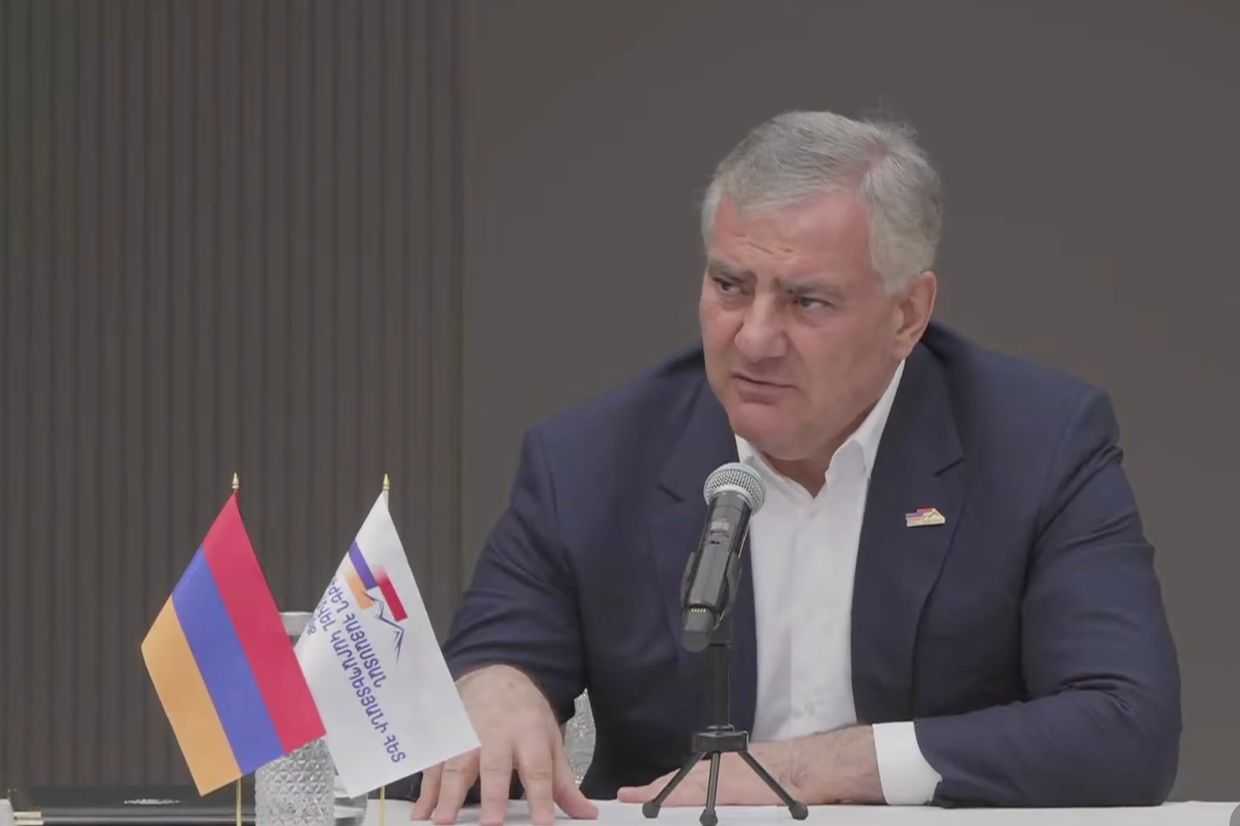
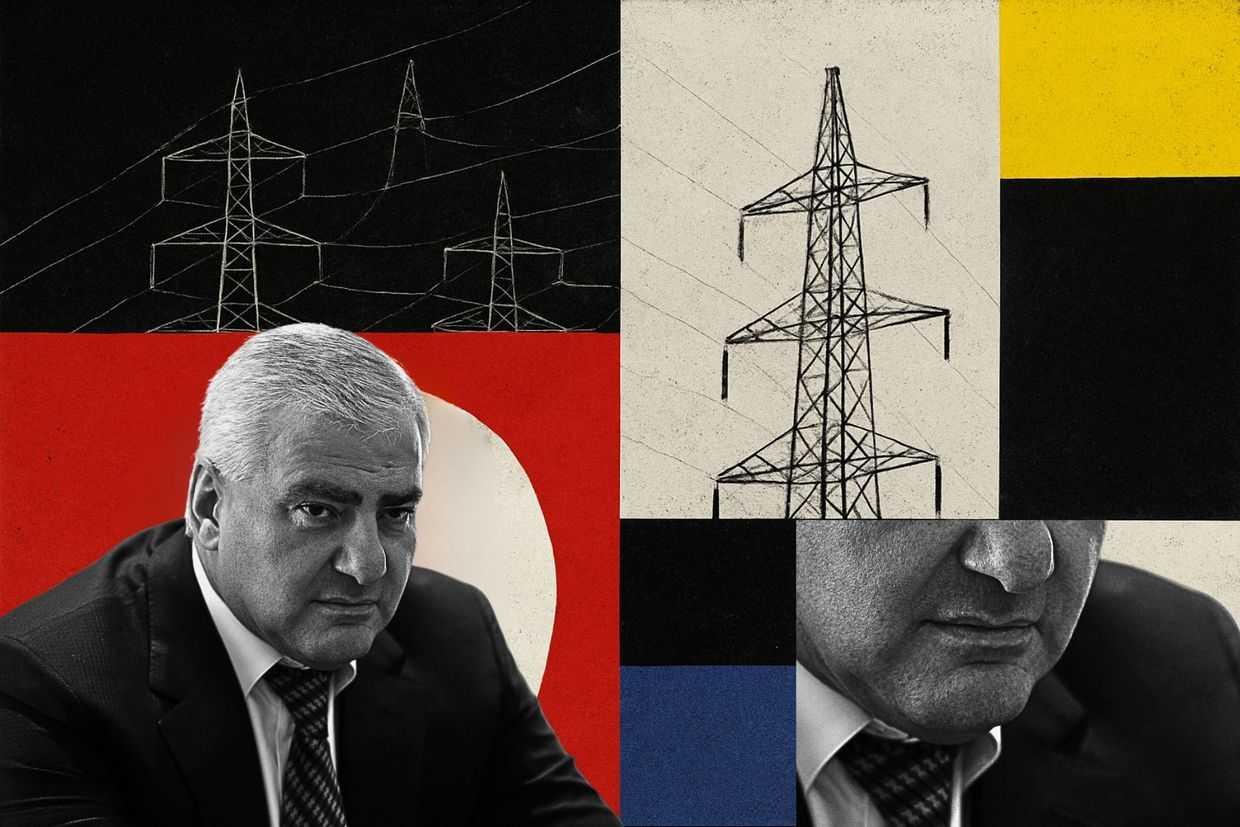
While the letter did not mention who the individual was by name, it almost certainly was referring to Russian-Armenian tycoon Samvel Karapetyan, who is currently under house arrest for allegedly calling for a coup against Prime Minister Nikol Pashinyan’s government and money laundering.
Despite his criminal charges and Armenian law preventing him from being eligible for prime minister, Karapetyan’s Strong Armenia party seems poised to be the strongest competitor to the ruling Civil Contract party in the upcoming election.
In his recent statements, Shevtsov further claimed that the EU Mission in Armenia (EUMA), a civilian mission operating along the Armenia–Azerbaijan border from the Armenian side, was doing ‘nothing there except enjoying Armenian cuisine’.
According to Russian state-run media TASS, Shevtsov also criticised similar missions deployed by the OSCE and EU, claiming they were ineffective.
The EUMA was deployed in January 2023 following Azerbaijani incursions into Armenia in 2022 and 2021. Two years later, its mandate was extended until February 2027. Despite Shevtsov’s criticism, Armenian officials have repeatedly praised the EUMA for the role it plays in maintaining stability in the region.

On its side, Armenia has repeatedly criticised the Russian peacekeeping mission deployed to Nagorno-Karabakh following the Second Nagorno-Karabakh War of 2020, accusing it of failing to secure a ceasefire.
Despite the Russian mission’s presence on the ground, Azerbaijan imposed a blockade on the region by the end of 2022, lasting more than nine months before launching a military offensive in September 2023, which led to the region’s capitulation and the exodus of almost its entire Armenian population.
Aytan Farhadova
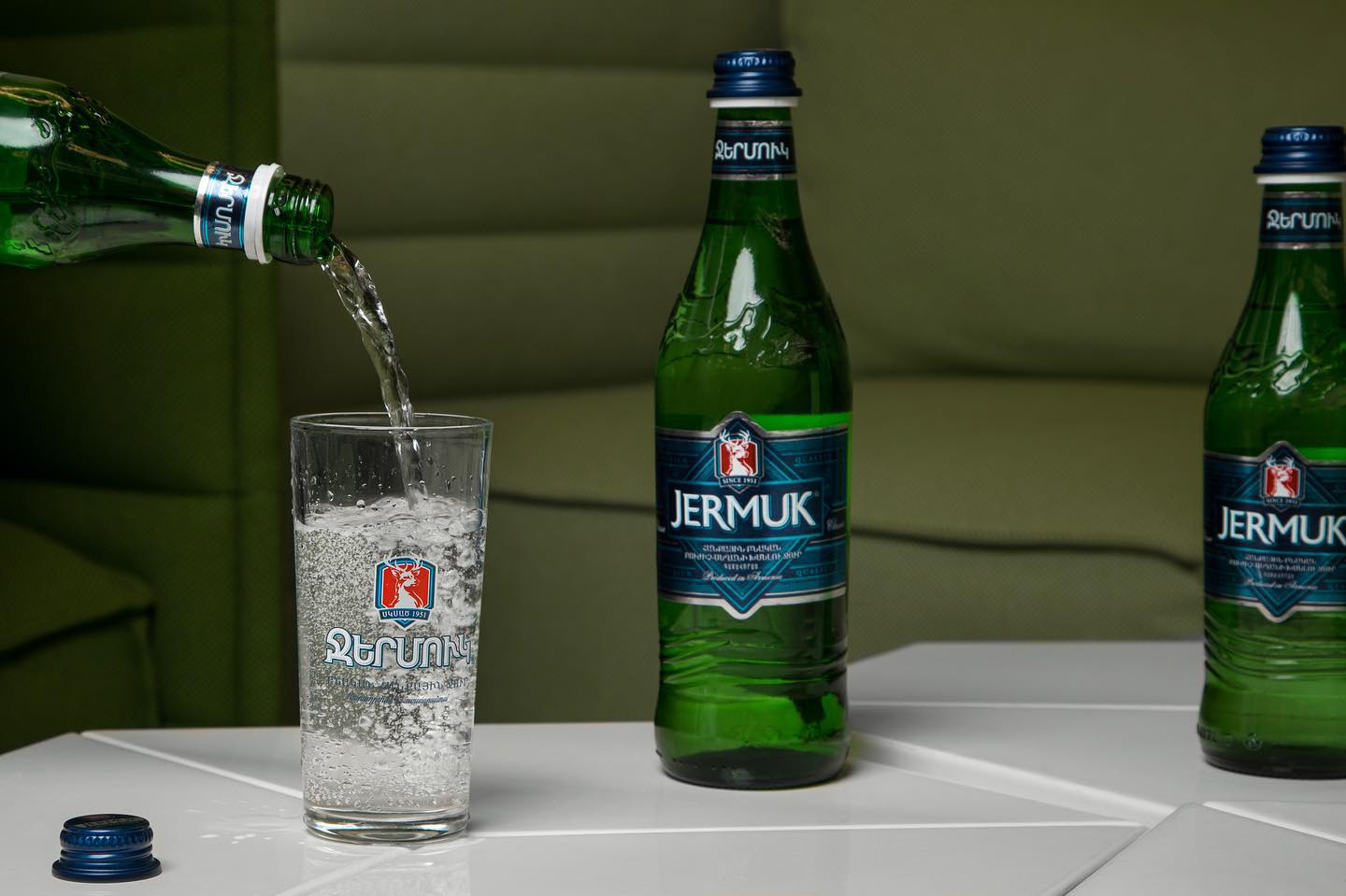
Russia bans Armenian Jermuk mineral water
Separately on Tuesday, Russian authorities suspended sales of a batch of Armenian Jermuk mineral water produced between 17 February and 5 March, citing ‘violations of mandatory requirements’.
The batch totals 338,000 bottles, which will not reach consumers ‘until the inspection is completed’.
Russian regulators recalled that they had suspended the sale of 2.5 million Jermuk bottles following the death of North Ossetian businessperson Oleg Gusov after drinking allegedly contaminated Jermuk water in 2024.
Armenia’s Food Safety Inspection Agency swiftly responded to the statement, saying that it ‘has not yet received any official information’ from the relevant Russian authorities.
‘Measures are being taken to clarify the situation and take appropriate action’, their statement read.
The Jermuk Group is yet to respond as of publication.
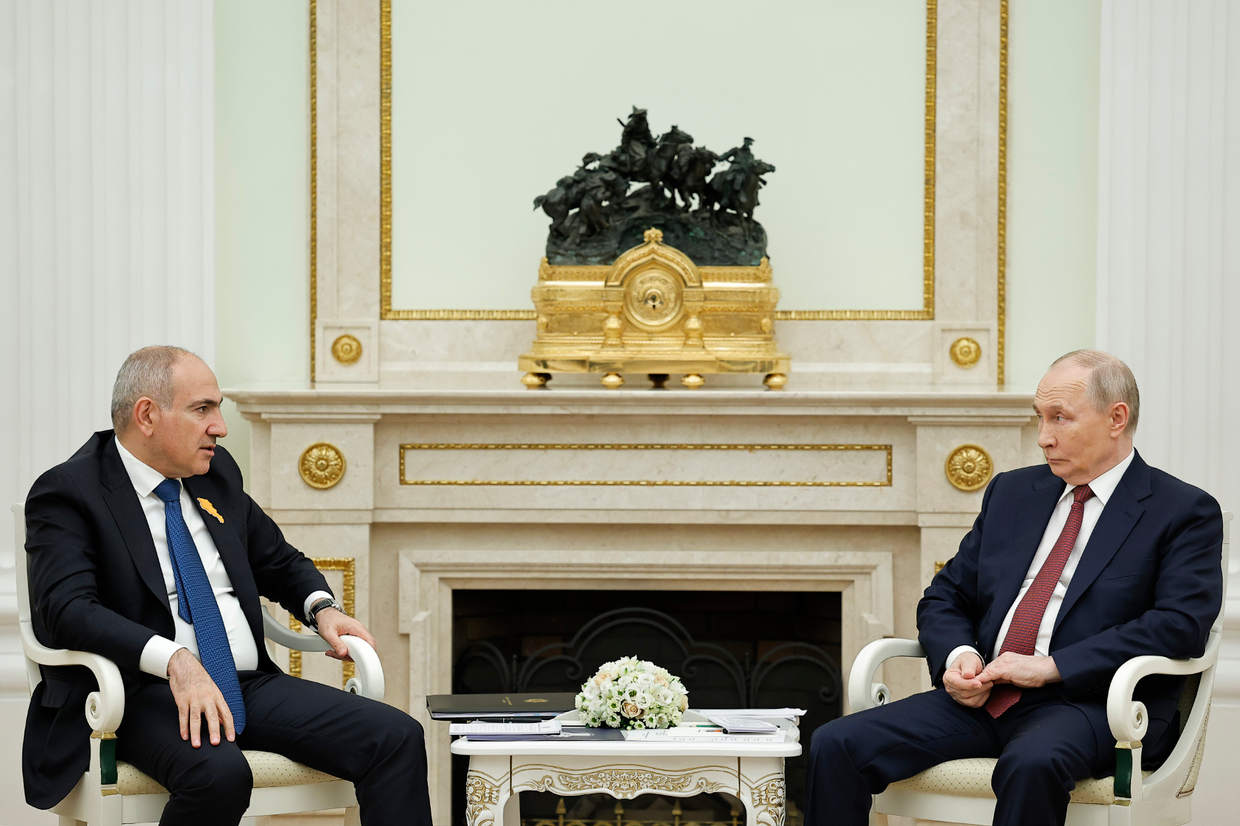
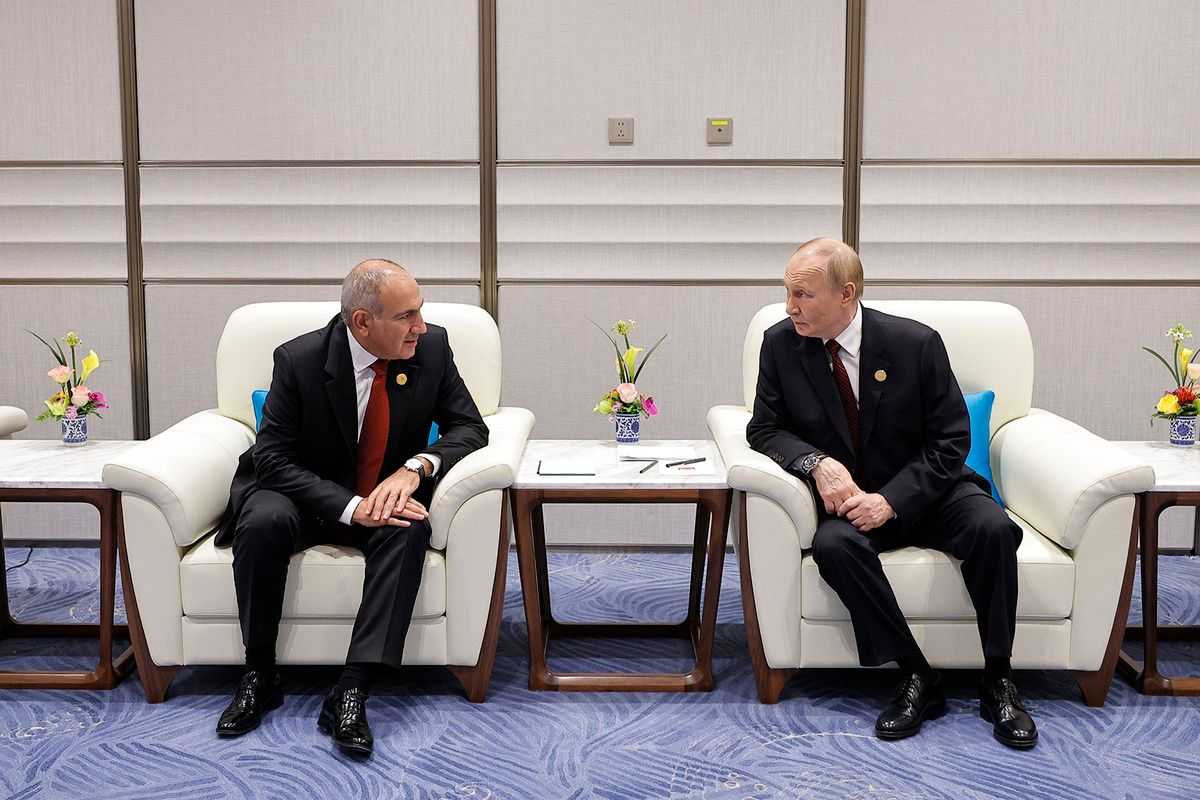
The ban followed the recent reopening of the investigation into Gusov’s death, which in turn came after tense talks between Pashinyan and Russian President Vladimir Putin in Moscow on 1 April.
Aside from the Jermuk case, immediately after the Pashinyan–Putin talks, Russia announced ‘stricter requirements’ on the import of Armenian products.
Russia has previously been accused of using food health standards as a way to exert economic pressure on countries — including Armenia.
Arshaluys Barseghyan