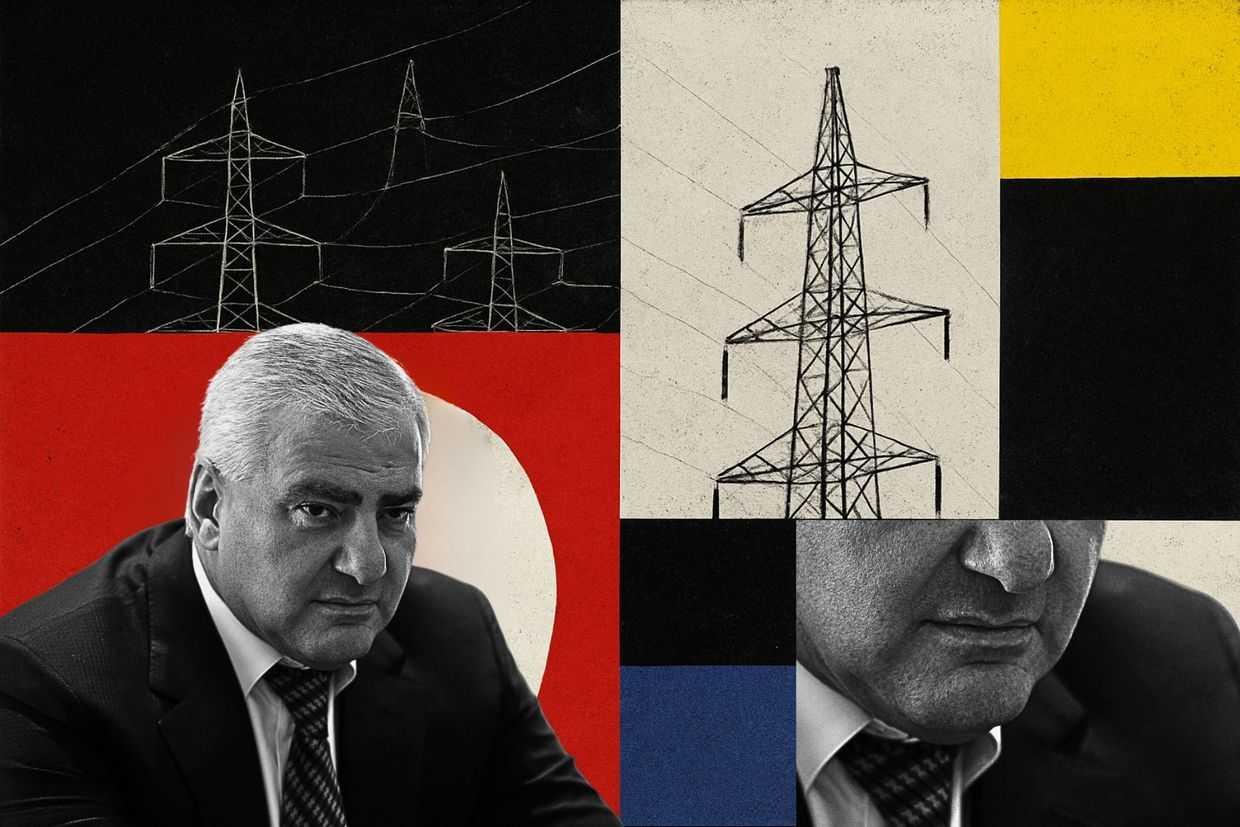
Pashinyan links Armenian Genocide to ‘international machinations’ in commemorative address

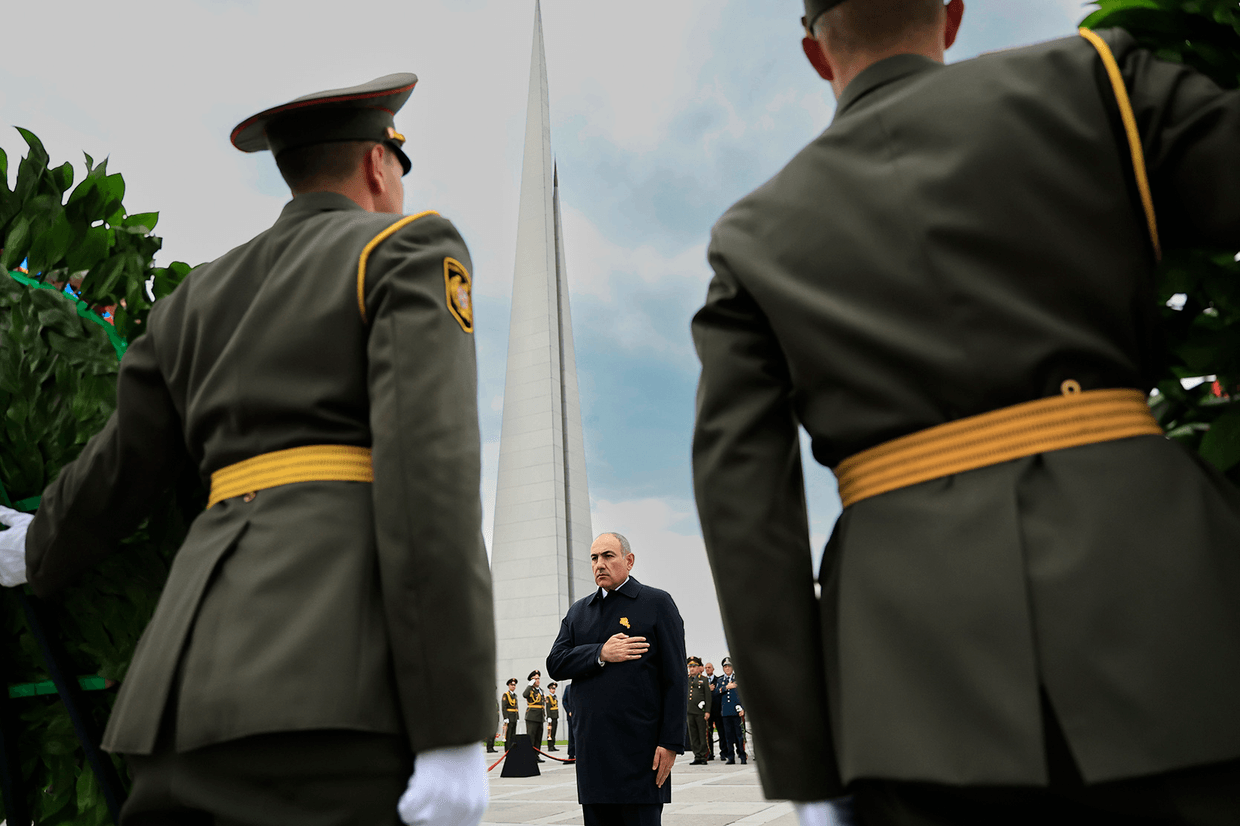
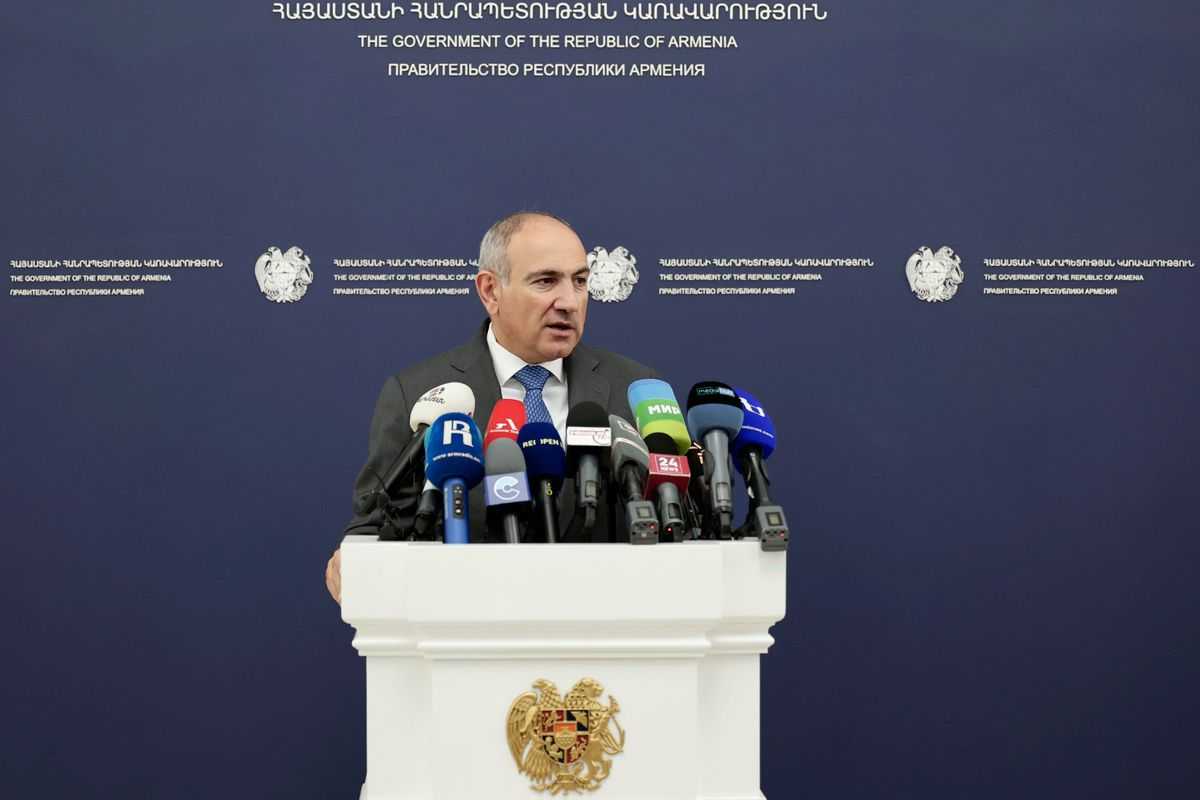
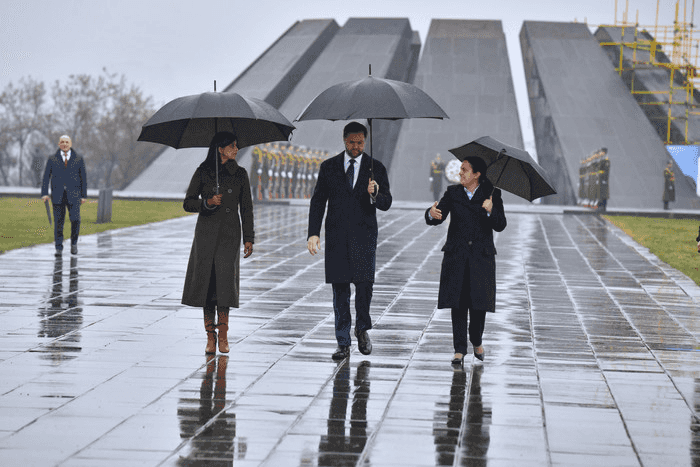
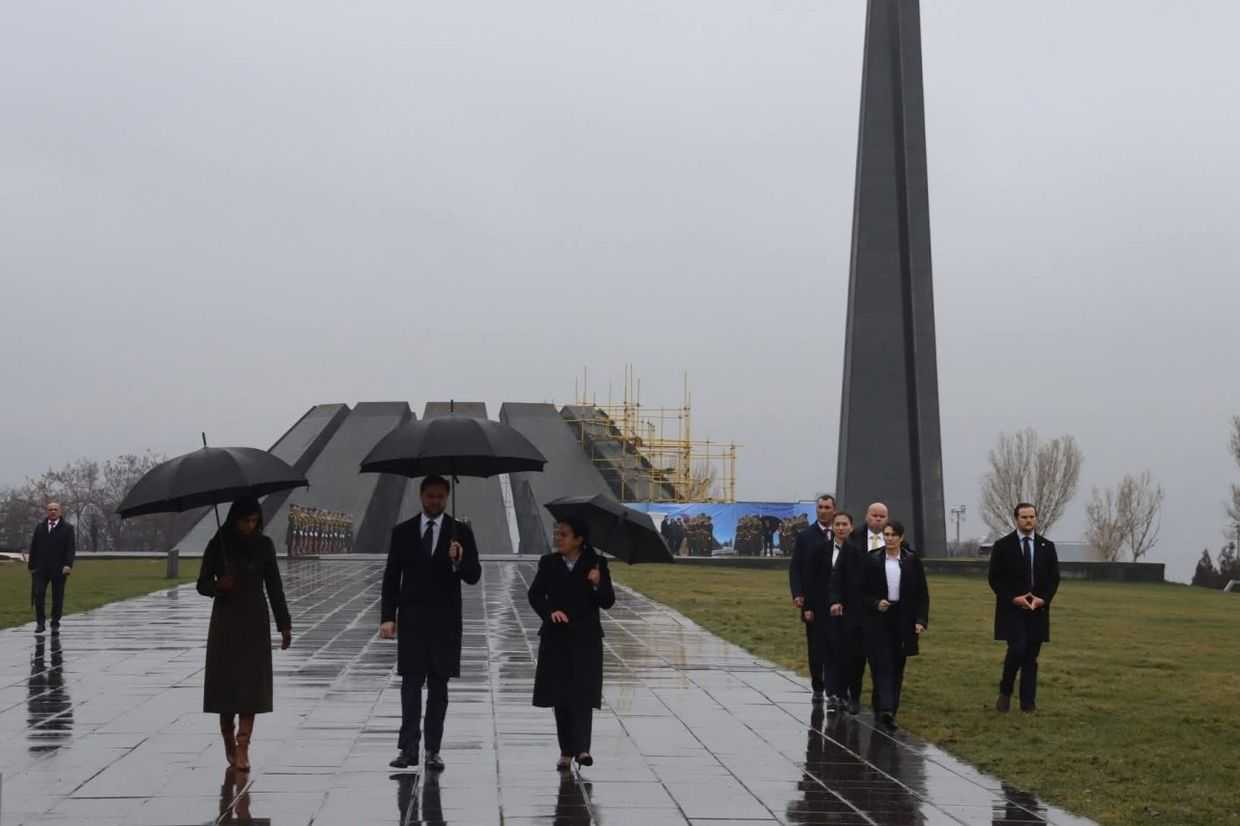
In his message on the 111th anniversary of the Armenian Genocide, Prime Minister Nikol Pashinyan described the Genocide as ‘the greatest tragedy’ of the Armenian people, while stating that, according to Armenian academic literature, it ‘was also a consequence of the practice of drawing the Armenian people into international machinations’.
‘A practice that began in the mid-19th century and reached its tragic culmination in 1915’, Pashinyan said on Friday.
The massacres committed by the Ottoman Empire resulted in the deaths of nearly 1.5 million Armenians, approximately 750,000 Assyrians, and at least 1.1 million Greeks. Turkey, the empire’s successor state, has continuously denied the genocidal acts committed by the Ottomans.
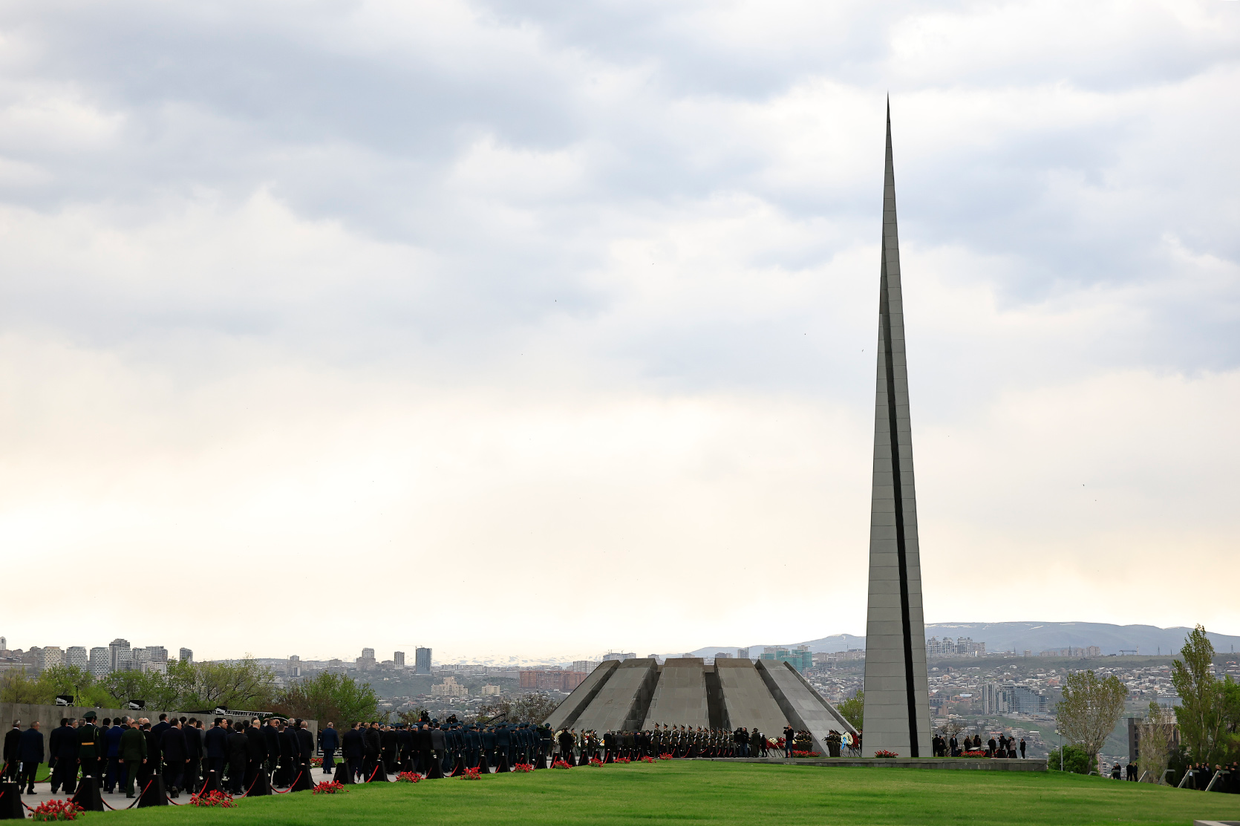
Pashinyan’s remarks came amidst an ongoing debate over previous comments he has made regarding the Armenian Genocide. In January 2025, he caused outrage after questioning why the Armenian Genocide only became a public issue in 1950, stating that ‘we need to understand what happened and why it happened. And how did we perceive it, through whom did we perceive it?’.
 Yousef Bardouka
‘Statehood and peace are the guarantees that the Armenian Genocide will never happen again’, Pashinyan said on Friday, further arguing that his government’s policies have been rooted in reflecting on historical patterns and preventing their recurrence.
‘To realise this historic goal, we must cease searching for a homeland beyond the internationally recognised 29,743 square kilometres of [...] Armenia. This territory is not small for the prosperity, development, and well-being of the Armenian people’, Pashinyan said.
He further touched upon his Real Armenia ideology, first voiced in April 2024, insisting that Armenians must accept modern Armenia within its current borders. At the same time, he cautioned that advocating for ‘historical justice’ could steer Armenia back toward approaches that may threaten its statehood and sovereignty.
‘We have ultimately escaped this trap, and attempts to drag Armenia back in that direction are an invitation to the gallows for our state and people’, Pashinyan said.
Recognition of the Armenian Genocide had, until recently, been one of Armenia’s top foreign diplomacy priorities. However, in October 2024, Armenian Foreign Minister Ararat Mirzoyan said that international recognition was ‘not our number one priority’. Instead, he noted that the number one priority of Armenia’s foreign policy was to ensure peace and stability around Armenia, as well as the normalisation and development of relations with neighbouring states.
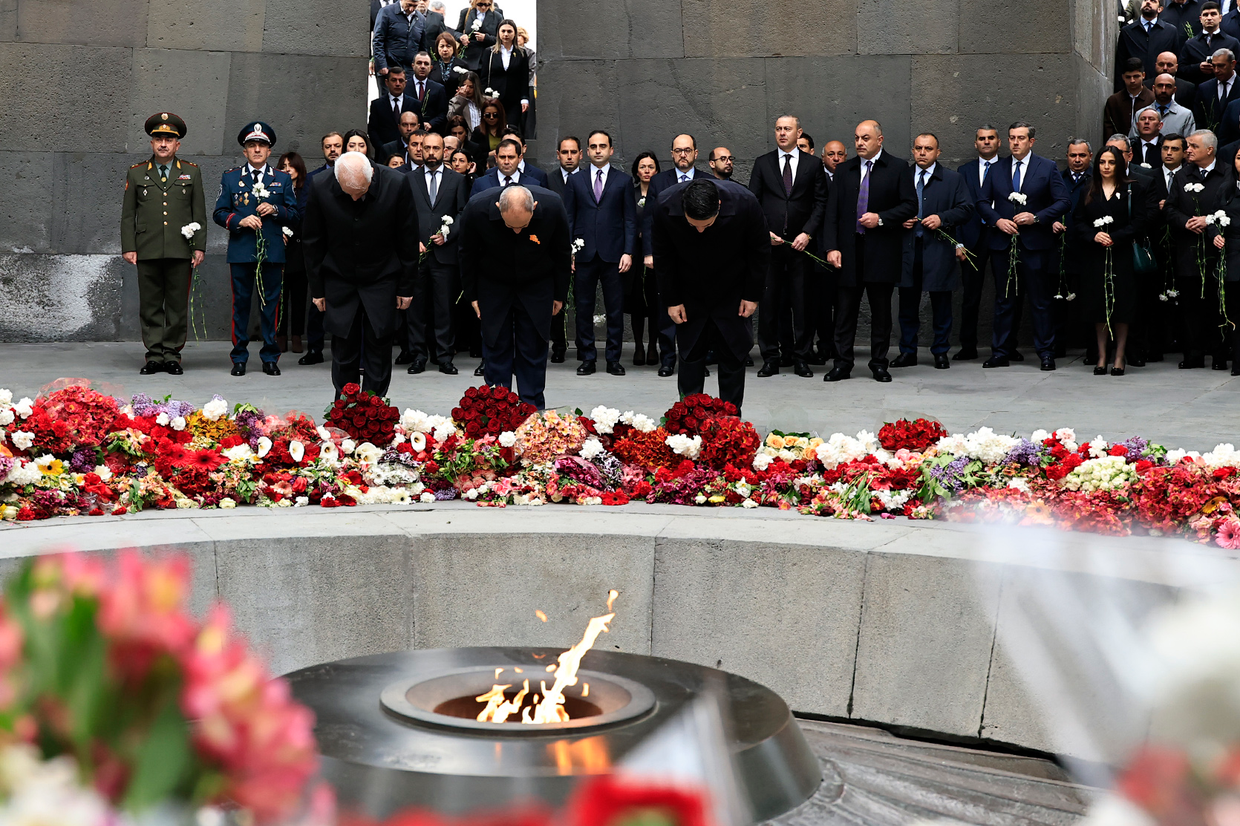
In Friday’s speech, Pashinyan also touched upon the recognition issue, saying that recognition ‘must not be allowed to become a tool in the hands of international actors in their conflicts with one another’.
Arshaluys Barseghyan
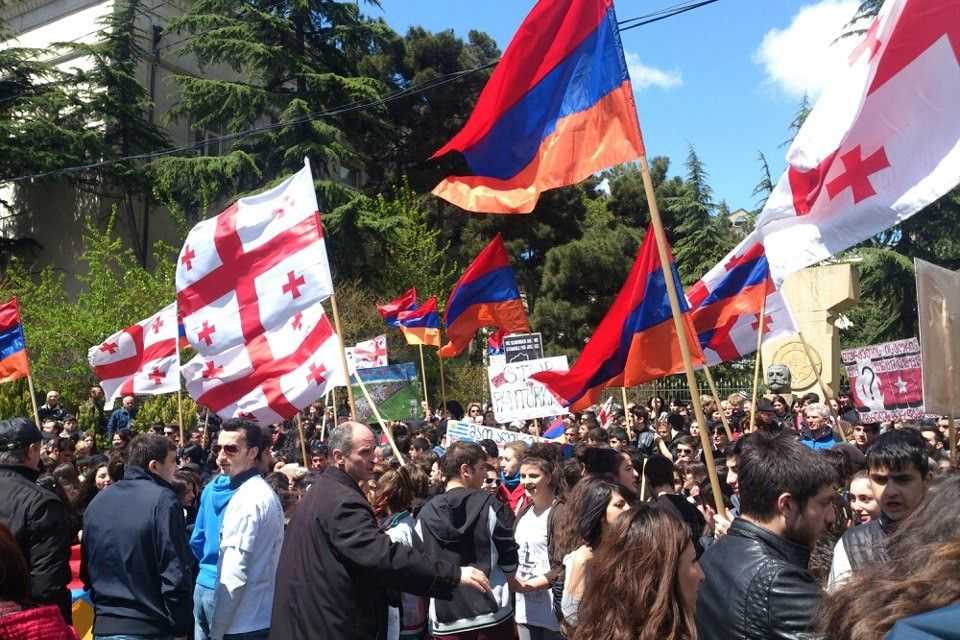
Separately, Pashinyan condemned the burning of the Turkish flag by participants of the annual torchlight march on the eve of remembrance day, organised by the oppositional Armenian Revolutionary Federation, calling it ‘irresponsible and unacceptable’ behaviour.
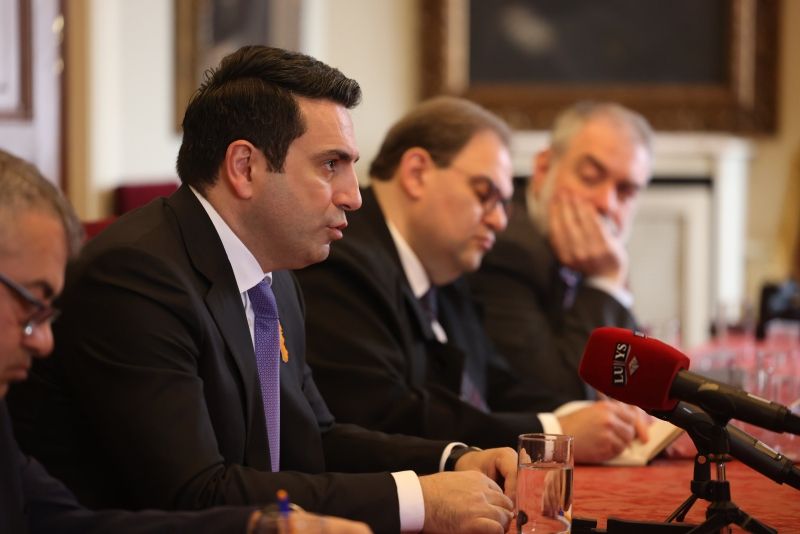
Similar messages were shared by ruling party Civil Contract members, including Parliamentary Speaker Alen Simonyan, who called the flag burning ‘petty and unacceptable provocations against peace and the future’, adding that it ‘casts a shadow over the meaning of 24 April’.
Since 2022, Armenia and Turkey have been engaged in a renewed normalisation process. While some progress has been made, the two countries have yet to establish diplomatic relations, and their land border remains closed despite a 2022 agreement.
Although Yerevan has said it entered the normalisation process without preconditions, Ankara has repeatedly linked further progress to developments in the Armenia–Azerbaijan peace process.
Arshaluys Barseghyan