The EU has included Azerbaijani Yelo Bank to its list of Russia-related sanctions, while at the same time lifting sanctions on five Azerbaijani-owned vessels sanctioned for transporting Russian energy products in July 2025.
The updates to the sanctions list came as part of the bloc’s 20th sanctions package against Russia on Thursday.
The sanctions on Yelo Bank are set to come into effect on 14 May.
According to an EU press release, Yelo Bank was sanctioned over its assistance to Russia in the full-scale invasion of Ukraine ‘by materially obstructing sanctions compliance or by connecting to the Russian Financial Messaging System (FMS), the Russian banking messaging network’.
Yelo Bank, whose former name was Nikoil Bank, has operated in Azerbaijan since the early 2000s. According to reporting by Azertac, the bank ‘was a subsidiary of the transnational finance and oil corporations NIKOIL Investment Banks Group and the LUKOIL Oil Company. Uralsib financial corporation and ISR Holding are also among its stockholders’.
A Yelo Bank statement published by the pro-government media outlet APA on Friday emphasised that the bank continues to follow ‘the sanctions regimes of the US Department of the Treasury (OFAC), the EU, and the UN, as well as international standards and local requirements to combat money laundering and terrorist financing’.
The bank did not reveal its beneficiaries' names on the annual report in 2025.
In their Friday statement, Yelo Bank added that they would continue to work with the relevant institutions and legal authorities to review and resolve this matter.
‘We are confident that this misunderstanding will be resolved as soon as possible’.
‘Shadow fleet’ sanctions
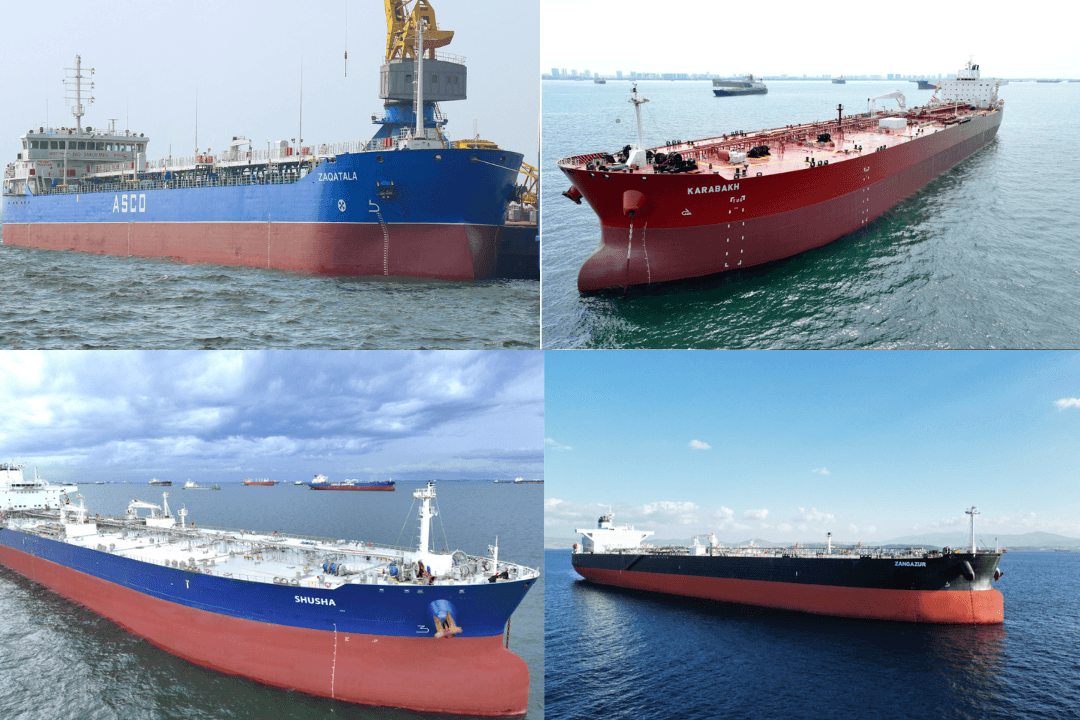
In the same sanctions package, the EU also lifted sanctions on 11 vessels, including five that were Azerbaijani-owned.
The EU sanctioned the five Azerbaijani vessels in July 2020 claiming they had been used to transport Russian crude oil or petroleum products.
According to Azerbaijani media, the Azerbaijani vessels belonged to the Azerbaijan Caspian Shipping Company (ASCO) and state-run oil company SOCAR.
 Xandie (Alexandra) Kuenning
On Friday, ASCO issued a statement praising the lifting of sanctions on the vessels, saying it was ‘made possible thanks to coordinated diplomatic and legal efforts undertaken by the Presidential Administration, the Foreign Ministry, the Ministry of Digital Development and Transport, AZCON Holding, and SOCAR’.
The EU justified the vessel’s removal from the sanctions by saying ‘the owners of the 11 vessels were able to demonstrate their return to compliance [with sanctions]’.
While the EU has removed sanctions, the vessels remain under sanctions by other countries, including the UK, which enacted sanctions in May 2025, and Canada, which similarly sanctioned over 100 vessels believed to be a part of the Russian shadow fleet in March.