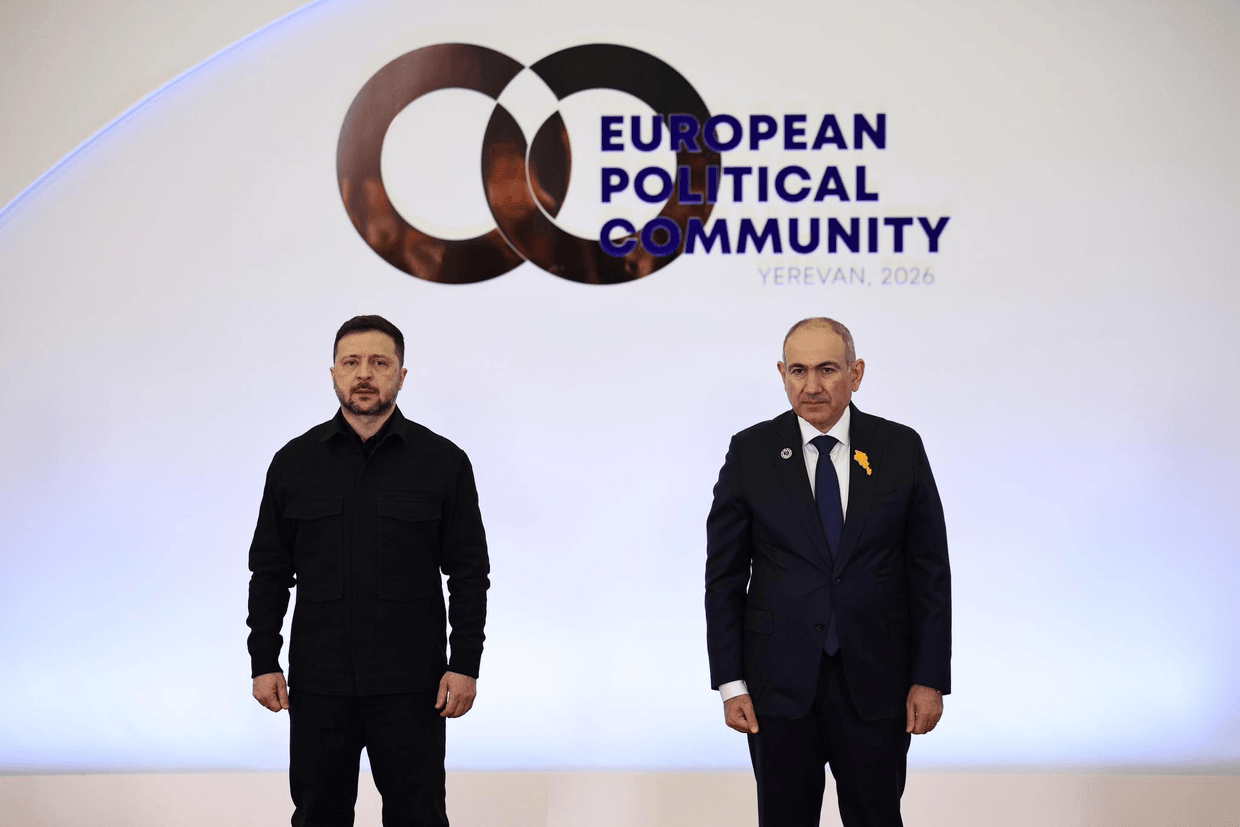
Moscow has expressed outrage over Ukrainian President Volodymyr Zelenskyi’s remarks at the European Political Community (EPC) summit in Yerevan amidst renewed diplomatic tensions between Armenia and Russia.
On Thursday, the Russian Foreign Ministry summoned Armenia’s Ambassador to Russia Gurgen Arsenyan over what he claimed was Zelenskyi ‘voice[ing] terrorist threats against Russia’ during the EPC summit hosted in Yerevan earlier this week.
According to the Russian readout of the meeting, Deputy Foreign Minister Mikhail Galuzin said the use of Armenia to make such statements was ‘categorically unacceptable’.
‘It was emphasised that Moscow is justifiably indignant at this and considers Yerevan’s failure to properly negatively assess such outrageous behaviour by the aforementioned visitor to be inconsistent with the partnership-based nature of Russian-Armenian relations’, the statement read.
At the EPC summit, Zelenskyi referred to Russia’s planned 9 May Victory Day parade in Moscow — the country’s most cherished holiday, which celebrates the Soviet Union’s victory over Nazi Germany in WWII — noting it would be held without military equipment for the first time ‘in many, many years’.
‘They cannot afford military equipment – and they fear drones may buzz over Red Square. This is telling. It shows they are not strong now’, Zelenskyi said.
Following his remarks, Moscow warned diplomatic missions accredited in Russia to ‘ensure the timely evacuation’ from Kyiv ‘in view of the inevitable retaliatory strike’ by Russia on Kyiv, should Ukraine ‘carry out its criminal terrorist plans during the Victory Day celebrations’.
Armenian authorities have not yet commented. However, earlier on Thursday, Armenian Prime Minister Nikol Pashinyan reiterated Yerevan’s position that ‘on the issue of Ukraine, we are not allies with Russia’.
Pashinyan also said he would not attend the 9 May parade due to the 7 June parliamentary election campaign, which begins on Friday.
There were also domestic political implications of Zelenskyi’s visit and the subsequent backlash from Moscow.
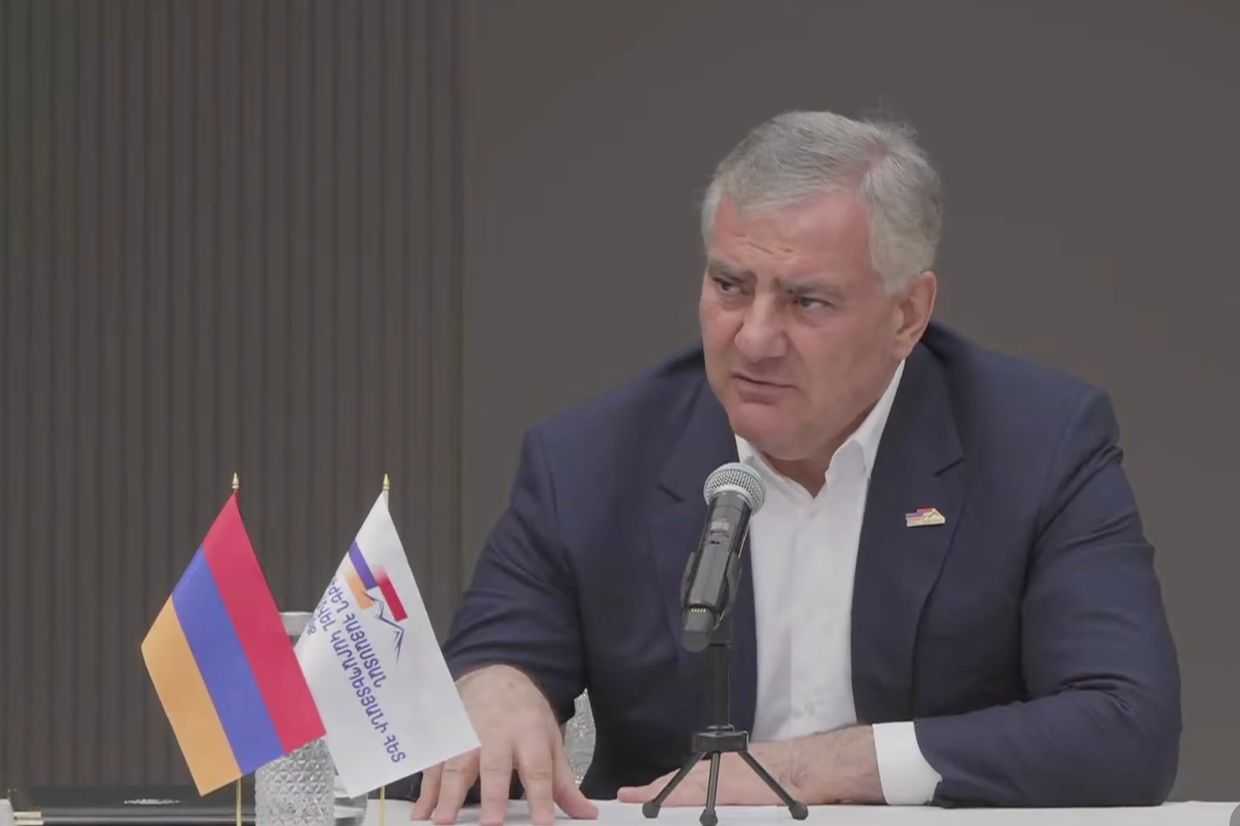
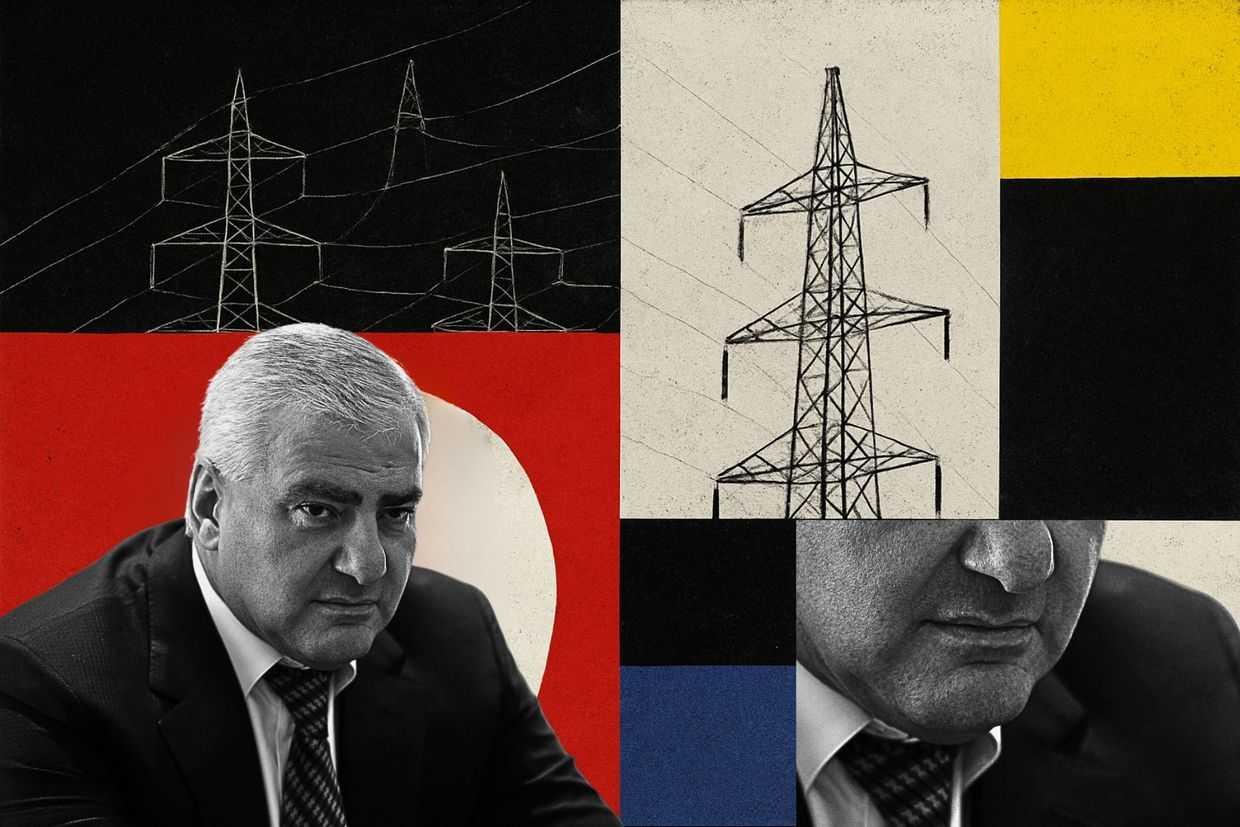
Russian–Armenian tycoon Samvel Karapetyan, whose alliance is expected to be the main challenger of Pashinyan’s Civil Contract party in the elections, called Zelenskyi’s attendance at the EPC ‘stupidity by the authorities towards their ally’. He added that it was an example of ‘treachery’ towards Armenians, who were unlikely to gain anything from his visit.
‘The Europeans brought Zelenskyi so that Pashinyan could give him a masterclass in how to boldly surrender your own territories’, Karapetyan said. He added that ‘Pashinyan has only one thing left to sell to the Europeans — an anti-Russian policy, which the Europeans will buy from him with pleasure’.
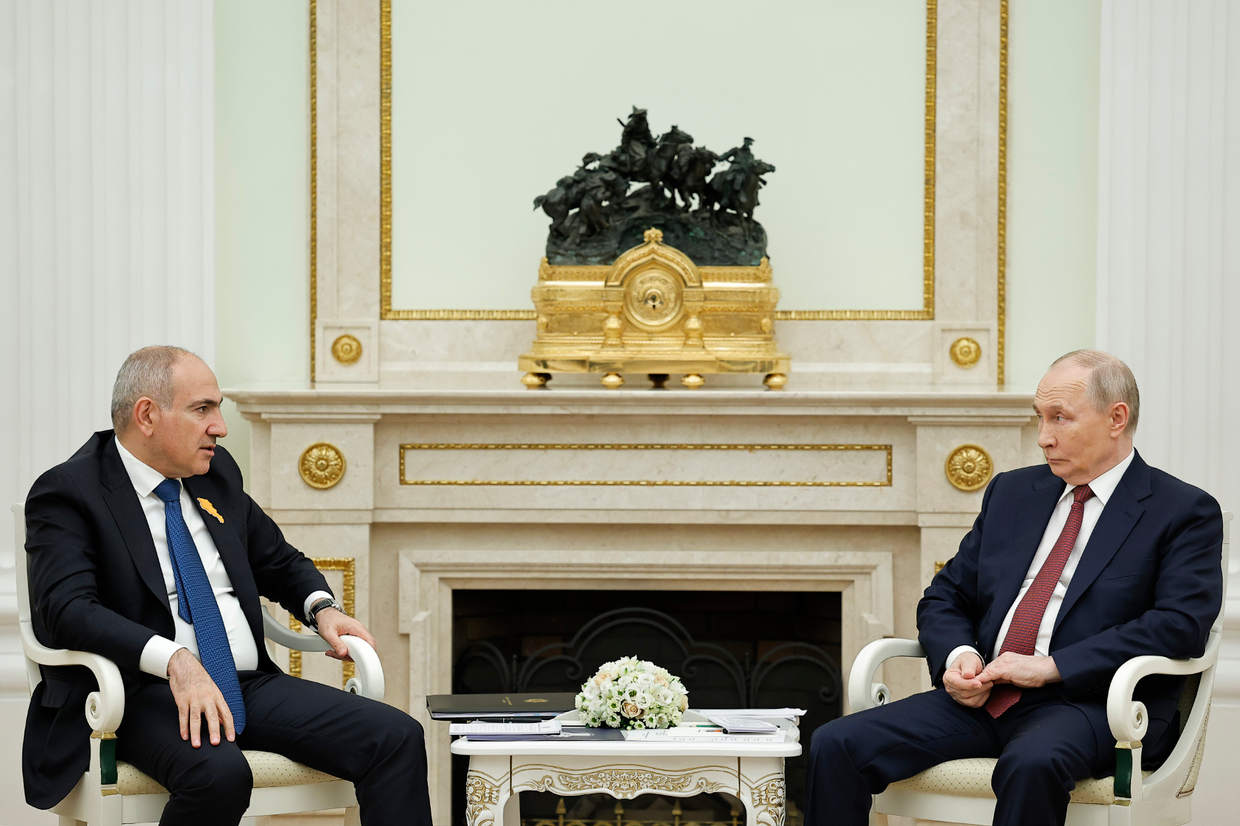
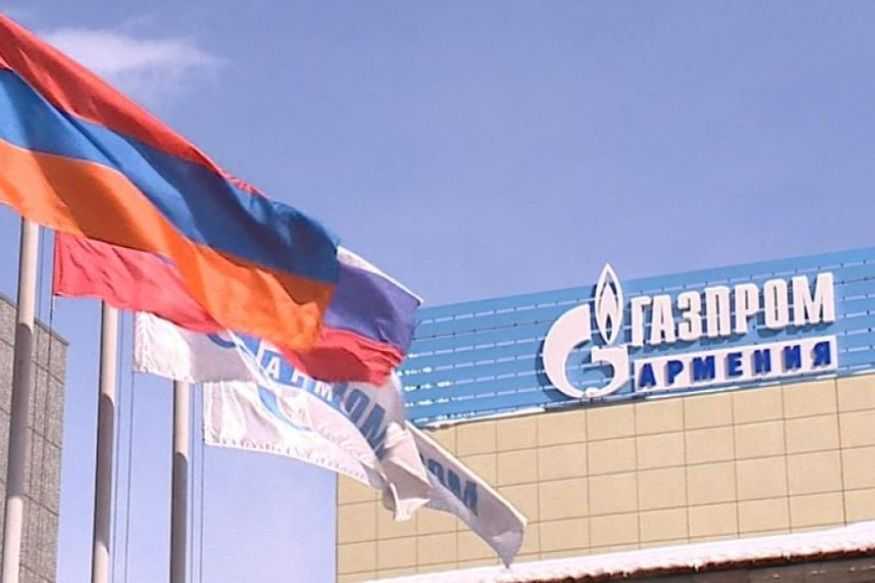
Armenia–Russia relations have seen renewed tension over the past month, following talks between Pashinyan and Russian President Vladimir Putin in Moscow on 1 April.
Immediately after the talks, Russia announced ‘stricter requirements’ on the import of Armenian products and warned of a possible restructuring of economic ties, alongside restrictions on Armenian goods sold in Russia, including a ban affecting around 1.4 million bottles of Jermuk mineral water.
 Arshaluys Barseghyan
‘Intrusive activity’ and ‘pure envy’
Beyond its criticism of Zelenskyi’s remarks in Yerevan, Russia also accused the EU of ‘intrusive activity’ in Armenia’s elections, citing the deployment of a rapid response group and a new EU mission in Armenia, tasked to support the country in facing ‘multi-layered threats such as foreign information manipulation and interference (FIMI), cyber-attacks and illicit financial flows’.
Noting that Armenia faces hybrid threats from various countries, Yerevan previously mentioned Russian bot networks such as ‘Matroshka’ and ‘Storm’, involved in disseminating foreign disinformation targeting Armenia ahead of the elections.
Arshaluys Barseghyan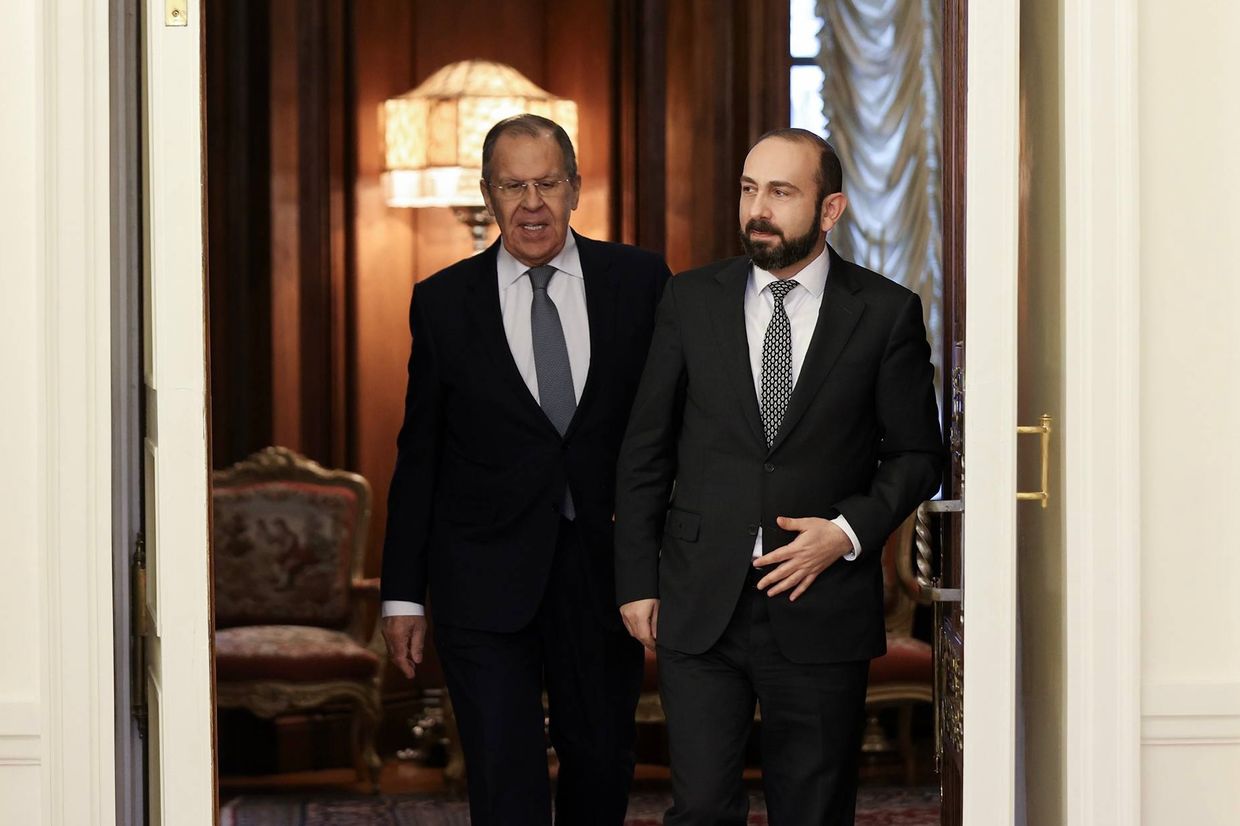
‘We hope that the Armenian leadership doesn’t forget that everything has a price with Brussels. The experience of other countries shows that such overtures to the West rarely end well for the states involved. For example, by joining Brussels’ anti-Russian agenda’, the Russian Foreign Ministry noted.
Meanwhile, Russian presidential aide Yuri Ushakov warned Yerevan against any attempts to ‘sit on two chairs’.
‘How long they can maintain this position, so to speak, I don't know, but all of this is certainly detrimental to the development of our bilateral relations, which are so beneficial for both Russia and Armenia’, Ushakov said.
Separately, Foreign Ministry spokesperson Maria Zakharova claimed Armenia ‘is being increasingly drawn toward aggressive Euro-Atlantic standards and mechanisms that are alien to it’.
‘This course of action by the Armenian authorities will sooner or later lead to Yerevan’s irreversible involvement in Brussels’ anti-Russian line, with all the attendant political and economic consequences for the country itself’, Zakharova warned.
She also accused Armenian Parliamentary Speaker Alen Simonyan of ‘pure envy’ over his recent remarks regarding Belarus, in which he said ‘Armenia should not become a [province] and be governed the way Belarus is’.

‘In my opinion, [...] Simonyan is simply envious of the results Belarus has achieved that his country has not achieved under the current leadership’, Zakharova said.
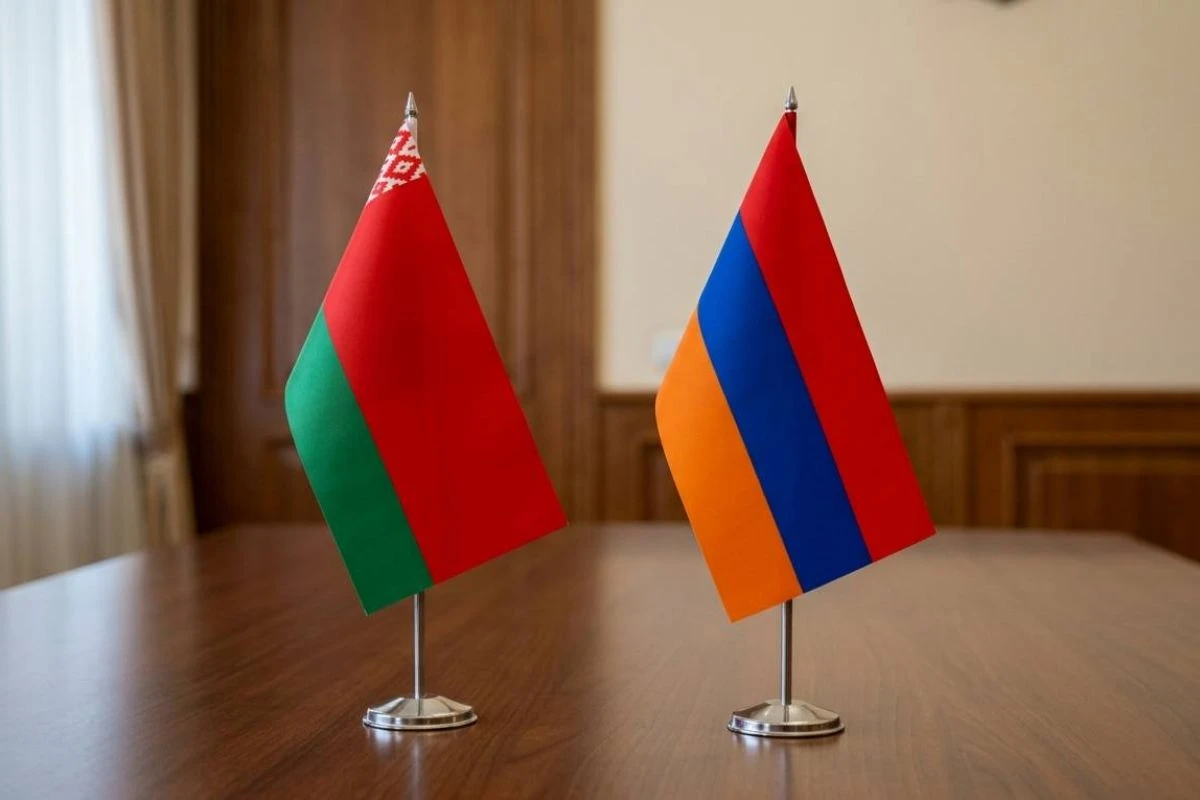
In response to Simonyan’s statement, Belarus summoned Armenia’s Chargé d’Affaires Artur Sargsyan over what it claimed were ‘unfriendly actions’ from Yerevan.
Later, Simonyan said that he did not regret for his statement and further suggested that Belarusian President Aliaksandr Lukashenka ‘should first and foremost think about his own country, its internal stability, freedom of speech, political independence, and very, very much about the process of growing potatoes’.
Nate Ostiller