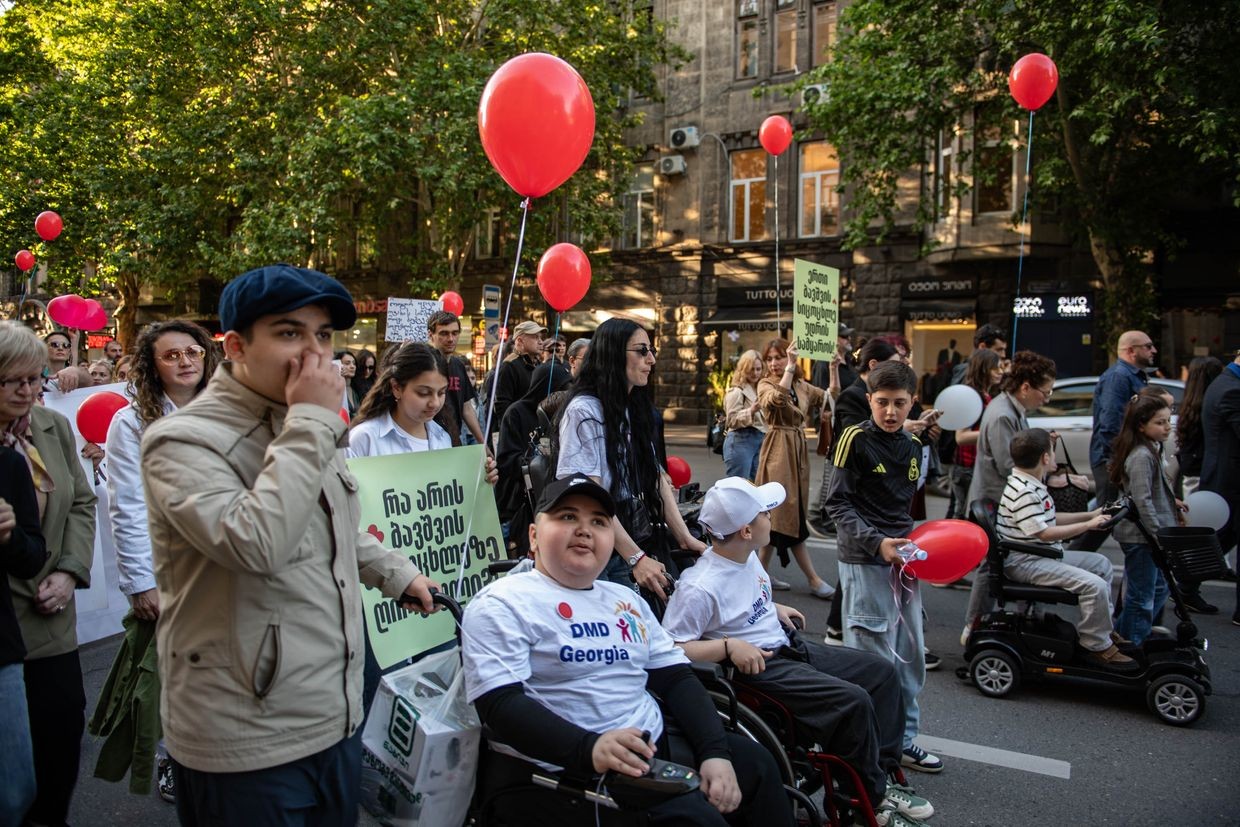
The Georgian government has said it will establish a special working group to address the procurement of specific medications for children with Duchenne muscular dystrophy (DMD). The announcement came after a second meeting between Prime Minister Irakli Kobakhidze and parents who have been protesting for weeks, demanding access to new medications for their children.
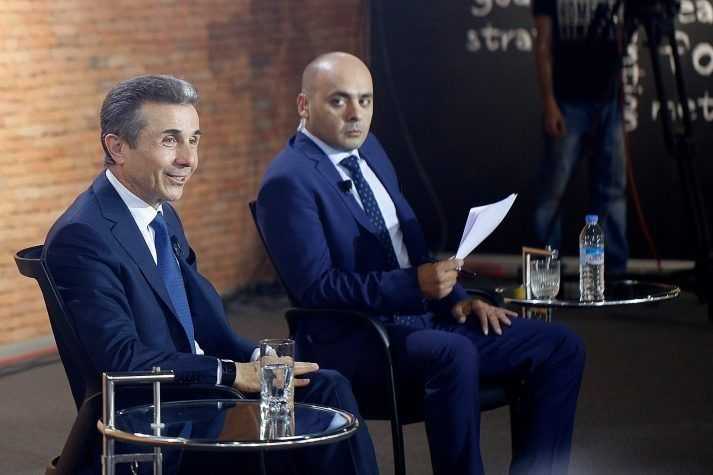
‘We agreed in this meeting on specific medications, on which work will now begin to ensure their provision’, Kobakhidze said during a briefing alongside Health Minister Mikheil Sarjveladze on Thursday, adding that ‘a final decision on the procurement of specific medications will be made taking into account various factors, including the terms offered by pharmaceutical companies’.
He further noted that the working group will include representatives of the Health Ministry as well as parents.
After the meeting, one of the parents, Tako Gogaladze, described the agreement as a ‘victory’, saying that the medications would be in Georgia and children would begin receiving treatment within two months.
‘Two medications will be introduced first, but this does not mean the process is over. The remaining medications will require a bit more work’, she said, as quoted by IPN.
‘The process is ongoing, it is not finished — but at the first stage, in the shortest possible timeframe we could achieve a decision so that children could urgently begin treatment, we decided to start with two medications’, Gogaladze added, announcing the end of the parents’ protests.
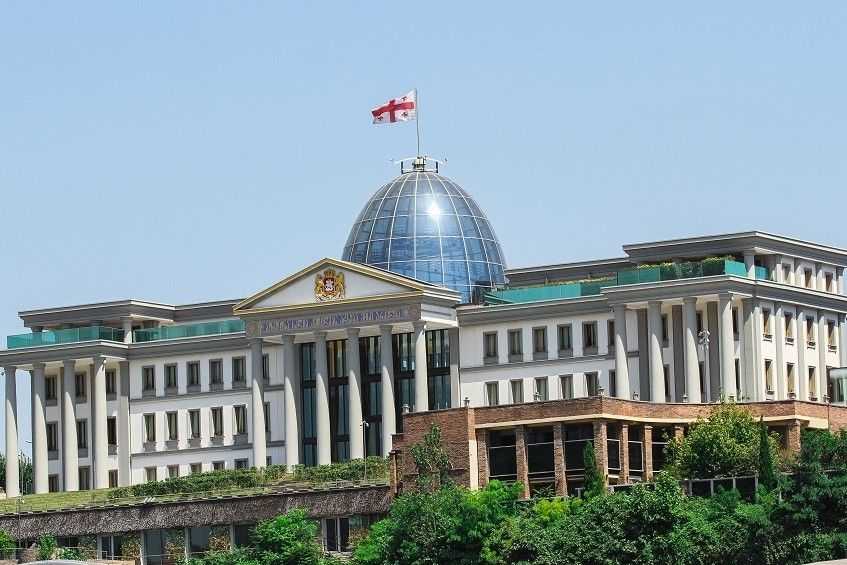
The parents held their first meeting with Kobakhidze on Wednesday. It came after their round-the-clock protest outside the Government Administration, which had been ongoing since April.
 Tamuna Chkareuli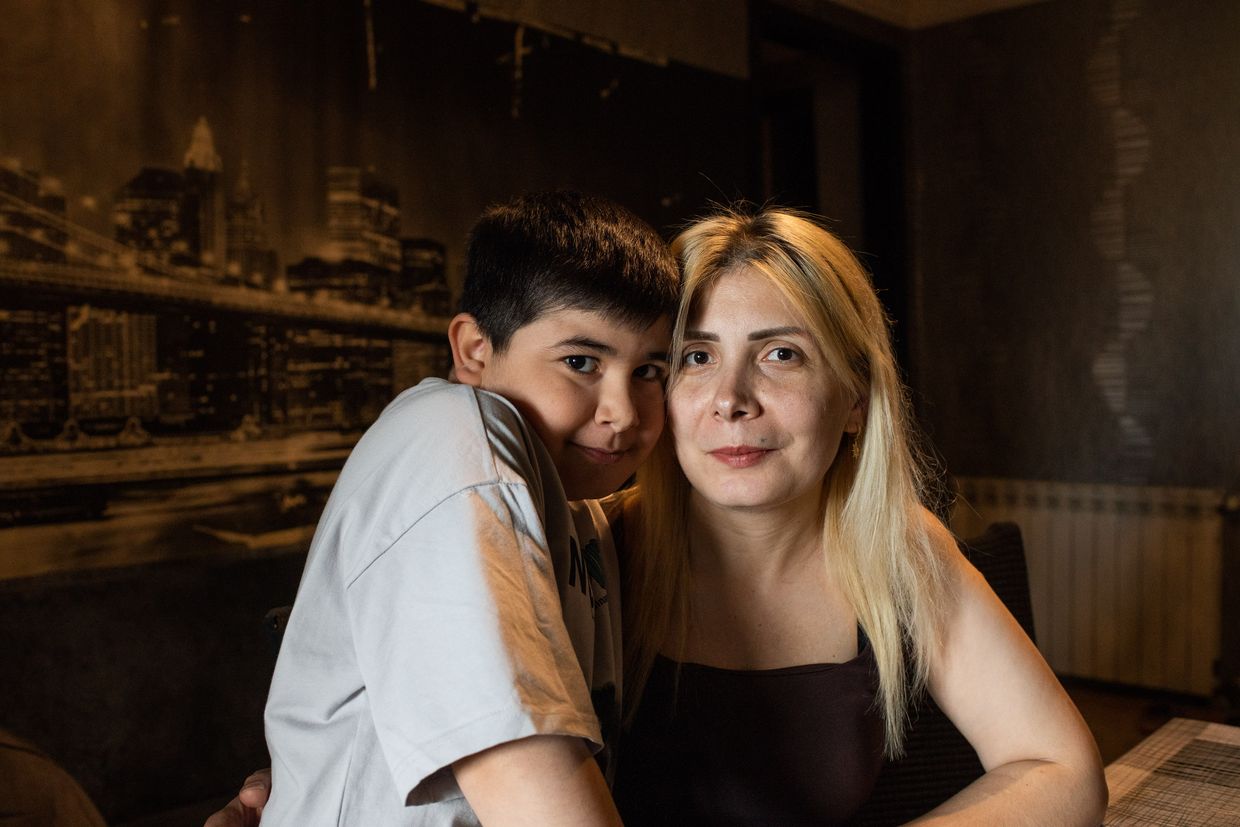
Their demands were focused on access to newer medications which, while not a cure, could slow the progression of DMD. The exact effects of the medication have not yet been determined and vary by case, but it buys meaningful time for the children and their parents. In addition to medication, the families have also called for upgraded care services.
Amidst the protests, in the second half of April, Sarjveladze said that the creation of a multidisciplinary team was ‘practically decided’, with doctors of various specialties to conduct different types of examinations for DMD patients.
Around the same period, DMD patients were added to the list of ‘Treatment of patients with rare diseases’ list.
Regarding the medications, the government has repeatedly described them as having still-uncertain potential and associated risks, while also focusing on their high costs and questioning the rationality of allocating such expenses.
In response, the parents have been arguing that the government was portraying ‘modern medications or their suppliers in a negative light’, emphasising that, given the progression of the disease, ‘there is no time for long waiting periods’.
‘In reality, the efficacy and safety of these medications [...] have been confirmed by US and European regulatory agencies, and they are rapidly spreading in the modern world’, the parents said on 20 May.
In recent weeks, the issue of children with Duchenne’s has drawn increasing public attention, with ‘Give the children medicine!’ becoming the campaign’s slogan. A petition addressed to the government with this demand has already garnered tens of thousands of signatures.
Attention to the issue was also further increased by a student initiative, whose participants said on Thursday that they had managed to raise ₾2 million ($750,000) for the needs of children with DMD.