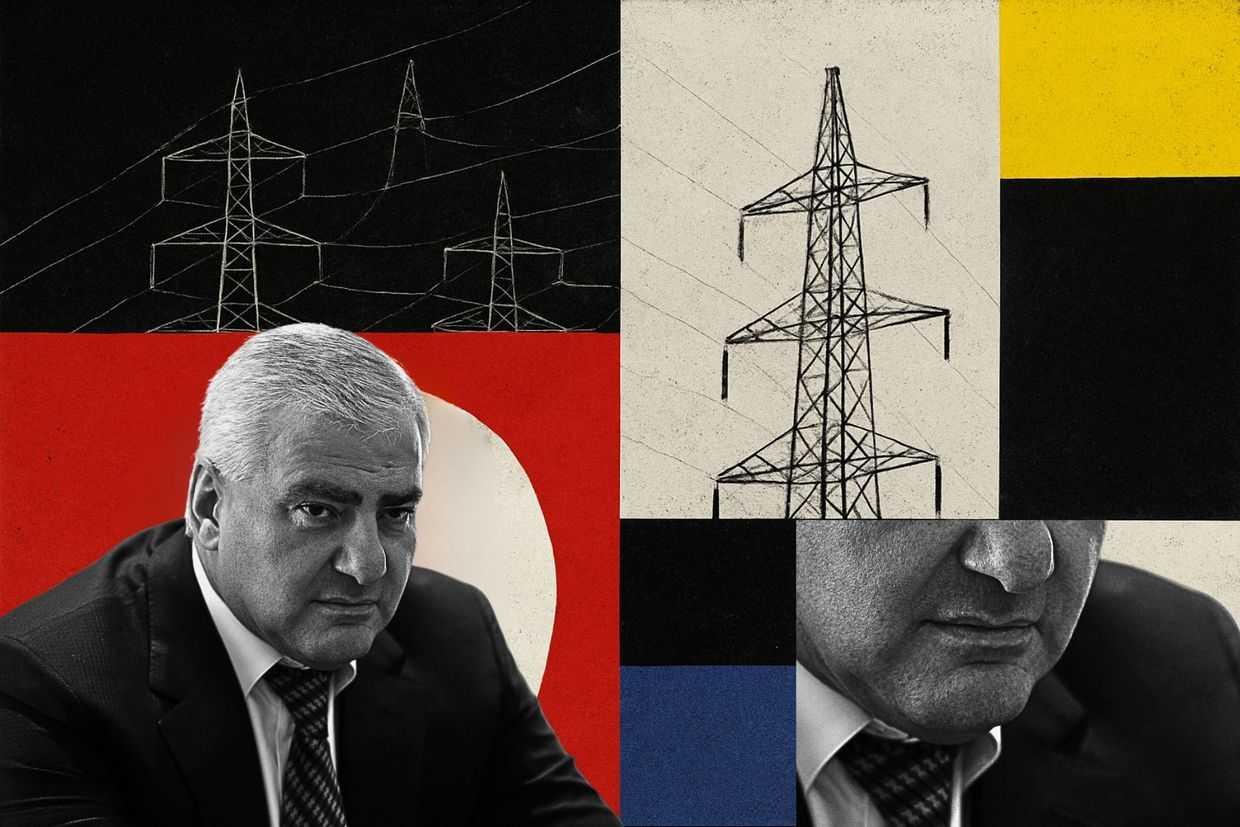
Leaked Russian document outlines planned ‘anti-Pashinyan’ campaign ahead of Armenia elections

Independent Swedish media outlet Blankspot has said it obtained a Russian document that outlines plans to hit the Armenian government’s popularity through intensifying pro-Russian narratives and increasing the number of pro-Russian opinion makers in the country.
Blankspot reported that the document, titled ‘programme for work in the anti-pashinyan direction for 2026’, aimed to ‘frame the election as a vote of confidence against Prime Minister Nikol Pashinyan personally’. It also describes efforts to limit the influence of the government ahead of the parliamentary elections scheduled for 7 June.
‘Another objective is to prevent Pashinyan’s “political image” from changing or being “modernised” before the vote’, Blankspot continued.
The media outlet did, however, note that the document does not specify which opposition party Russia prefers over the ruling Civil Contract party, instead focusing on developing tools to influence public opinion.
The document proposes tripling pro-Russian narratives on social media compared to autumn 2025 from ‘one million views per day to as many as three million’. It also recommends expanding the number of pro-Russian opinion makers from 15 to 40 individuals, stressing that the ‘most prominent among them are to be placed in electable positions within opposition parties ahead of the elections’.
The leak also describes false flag campaigns on social media, targeted comment campaigns against Civil Contract, and the establishment of ‘stringer groups’ to produce exclusive content during the pre-election campaign period — which began on 8 May.
Blankspot said it had been able to verify the authenticity and origin of the leaked document, but stressed it was ‘not possible to determine to what extent the strategy has actually been implemented or how central it is to Russian influence efforts ahead of the election’.
The outlet reported that the document originated from materials obtained ‘after a person operating within the Russian intelligence services was hacked by a third party before March 2026’.
‘His activities in Armenia mirror the contents of the document’, Blankspot wrote, adding that the unidentified man had participated in conferences and seminars, met with opposition figures, and has frequently commented on Armenian political developments.
‘The message has often been the same: that Armenia is heading down a dangerous path by turning away from Russia.’
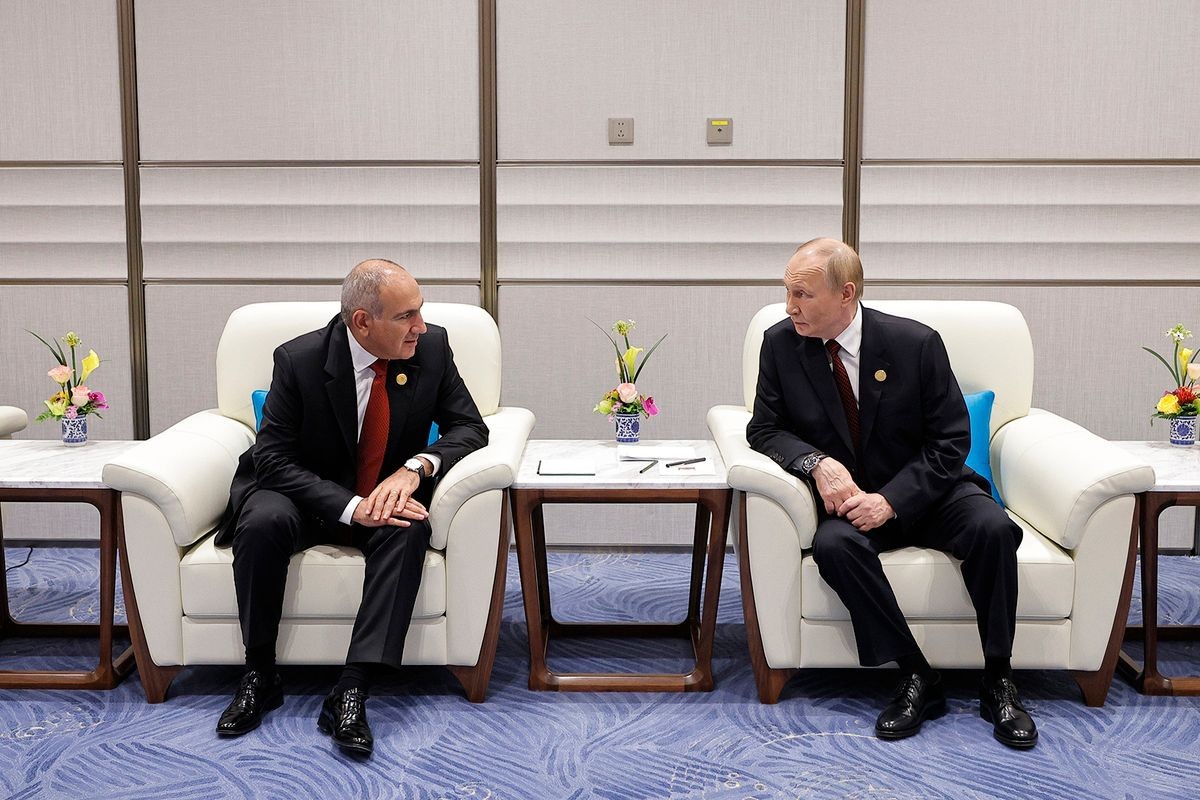
Armenian–Russian relations have remained tense since the latest meeting of Pashinyan and Russian President Vladimir Putin on 1 April and as reports of Russian efforts to influence Armenian upcoming elections steadily ramp up.
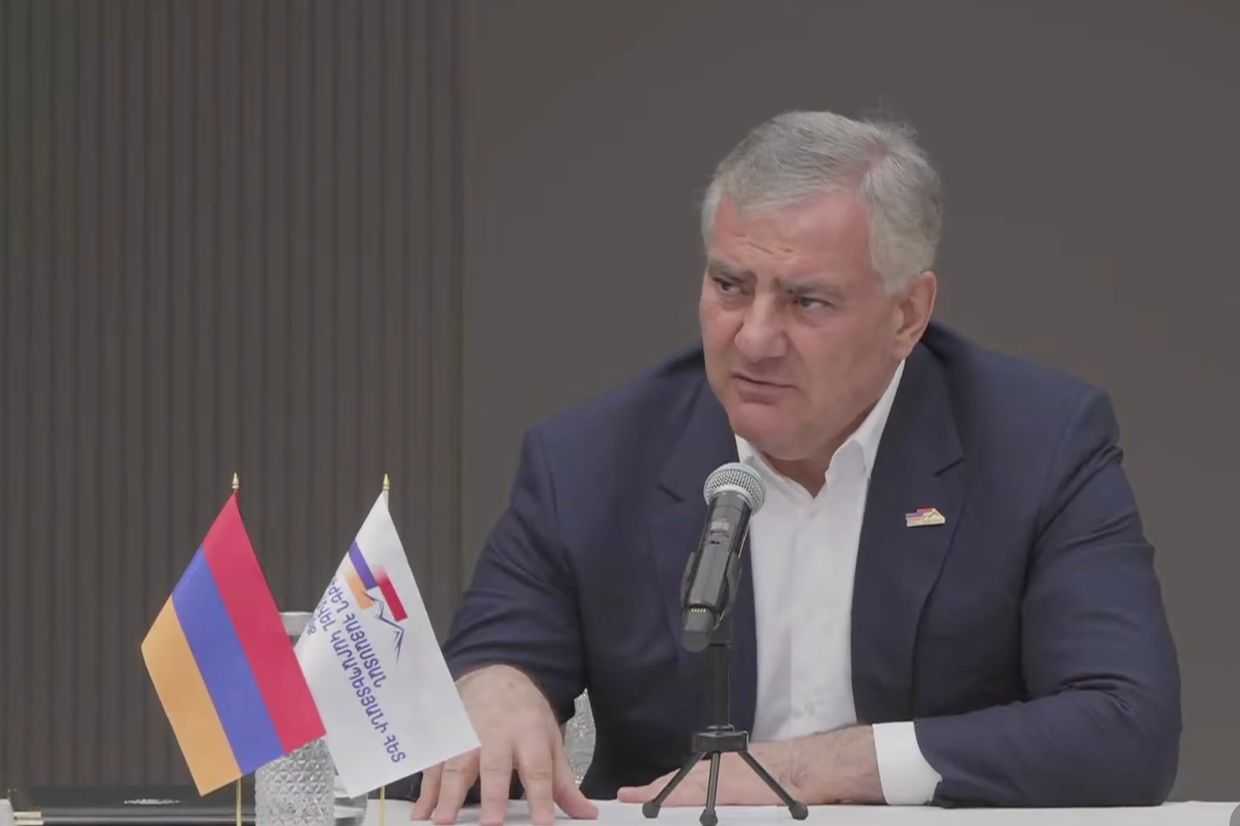
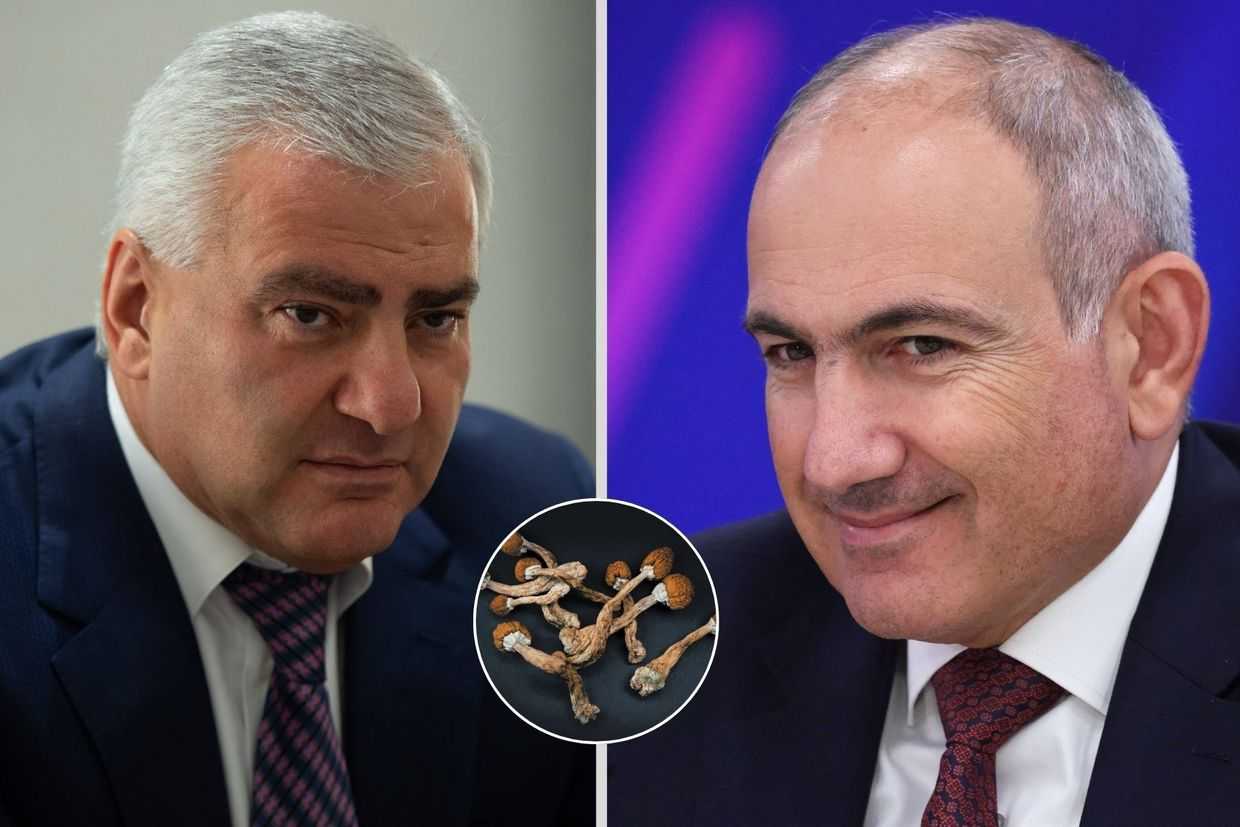
Throughout the year, Armenian authorities have often accused their political opponents of being backed by Russia. These claims are widely understood to be referring to tycoons Samvel Karapetyan, who built his fortune mainly in Russia, Gagik Tsarukyan, who has business both in Russia and Belarus, as well as close ties with Belarusian leader Aliaksandr Lukashenka, and former President Robert Kocharyan.
 Arshaluys Barseghyan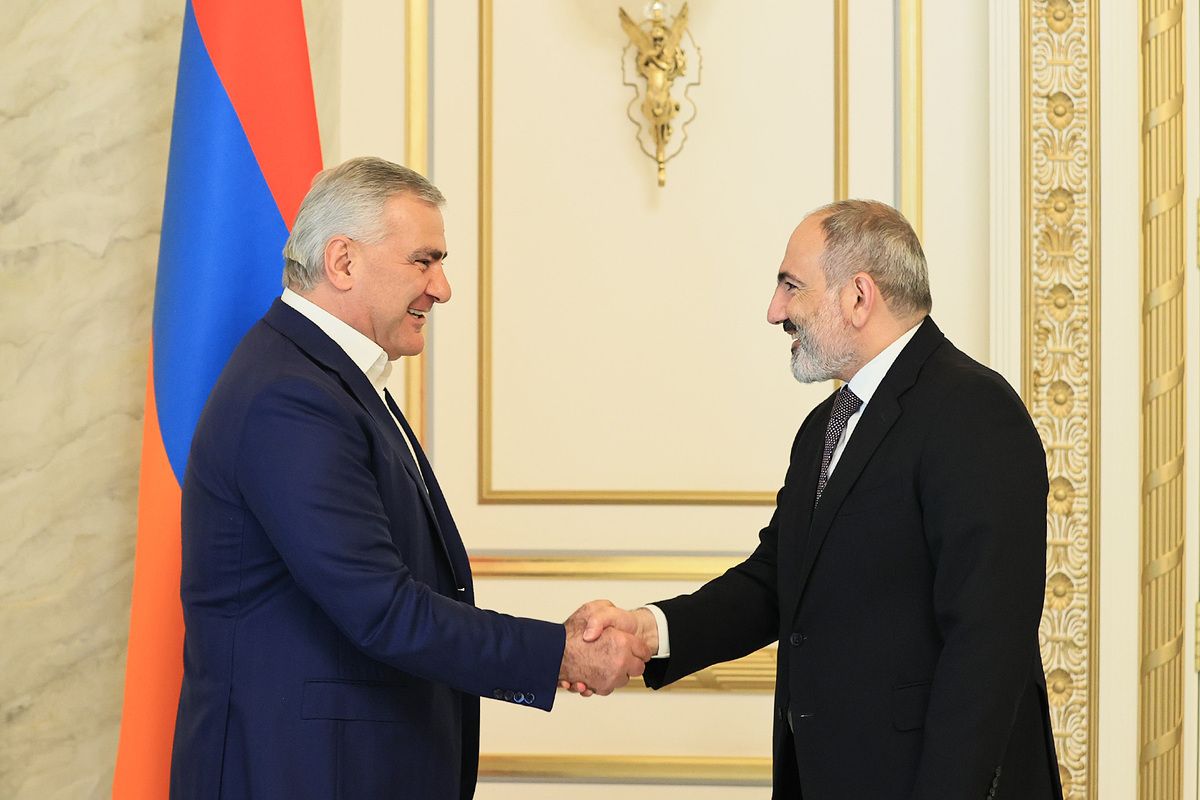
Russian President Vladimir Putin has also appeared to touch on criminal charges pressed against Karapetyan, whose Strong Armenia Alliance is poised to be among the strongest of Pashinyan’s competitors.
Karapetyan is currently under house arrest after being charged with calling for a coup following a statement in support of the Armenian Apostolic Church amid the government–Church confrontation that escalated in May 2025.
In a meeting with Pashinyan in Moscow in early April, Putin noted that in Armenia there were ‘many political forces that have a pro-Russian position’ and that Russia would like them to ‘be able to participate in this domestic political work during the elections’.
‘Some, I know, are in places of detention, despite the fact that they have Russian passports’, Putin said. He added that they did not intend to interfere in Armenia’s domestic affairs, ‘but we would like them to at least be able to participate in this domestic political process’.
As part of his campaign, Karapetyan has regularly called for resetting relations with Russia, which he views as Armenia’s primary ally. In early April, he claimed that Armenia would be embroiled in an ‘economic war’ with Russia in July should Pashinyan secure a victory in the elections.
Later that month, the Deputy Secretary of Russia’s Security Council, Aleksei Shevtsov, warned that Armenia’s potential accession to the EU could come at a steep economic cost of ‘approximately 23% of its GDP’.
Dozens of figures affiliated with Karapetyan or his party have also been detained in recent months on charges of alleged election bribery.
Armenia has also often accused Russia of orchestrating disinformation campaigns against it, and has requested that the EU establish a mission to counter such campaigns as early as December 2025, according to media reports.
The EU announced the establishment of such a mission in late April, saying it would support Armenia in facing ‘multi-layered threats such as foreign information manipulation and interference (FIMI), cyberattacks, and illicit financial flows’.